
Lucid’s incredible problem: customers waiting for their cars while the company didn’t know where they were
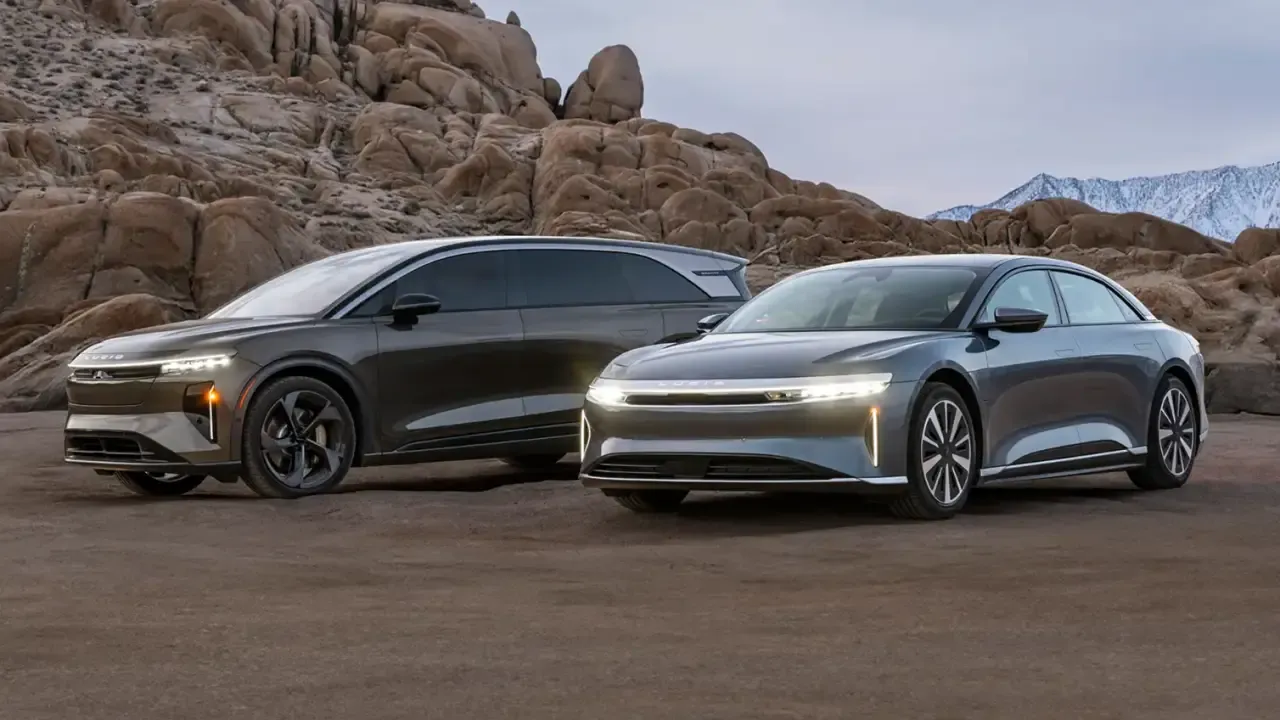
Lucid is one of the most technologically advanced electric vehicle manufacturers, with models that stand out for their efficiency, range, and performance. However, this Saudi-owned American company still faces enormous challenges in turning that technological advantage into a profitable business. And what its leadership has recently admitted shows that some of its problems are much more fundamental than we might imagine.
During the presentation of the third-quarter results for 2026, Lucid’s top executive Silvio Napoli admitted a situation that’s hard to believe: the company was losing sales because it couldn’t accurately locate some of its vehicles. Customers who placed orders ended up canceling them because the brand took too long to find a unit and arrange delivery.
The most surprising thing is that Lucid wasn’t exactly facing a production shortage. On the contrary. The company had thousands of cars already manufactured that hadn’t yet reached their buyers, while continuing to spend enormous amounts of money to keep its operations running.
Thousands of cars made, but no idea where they are
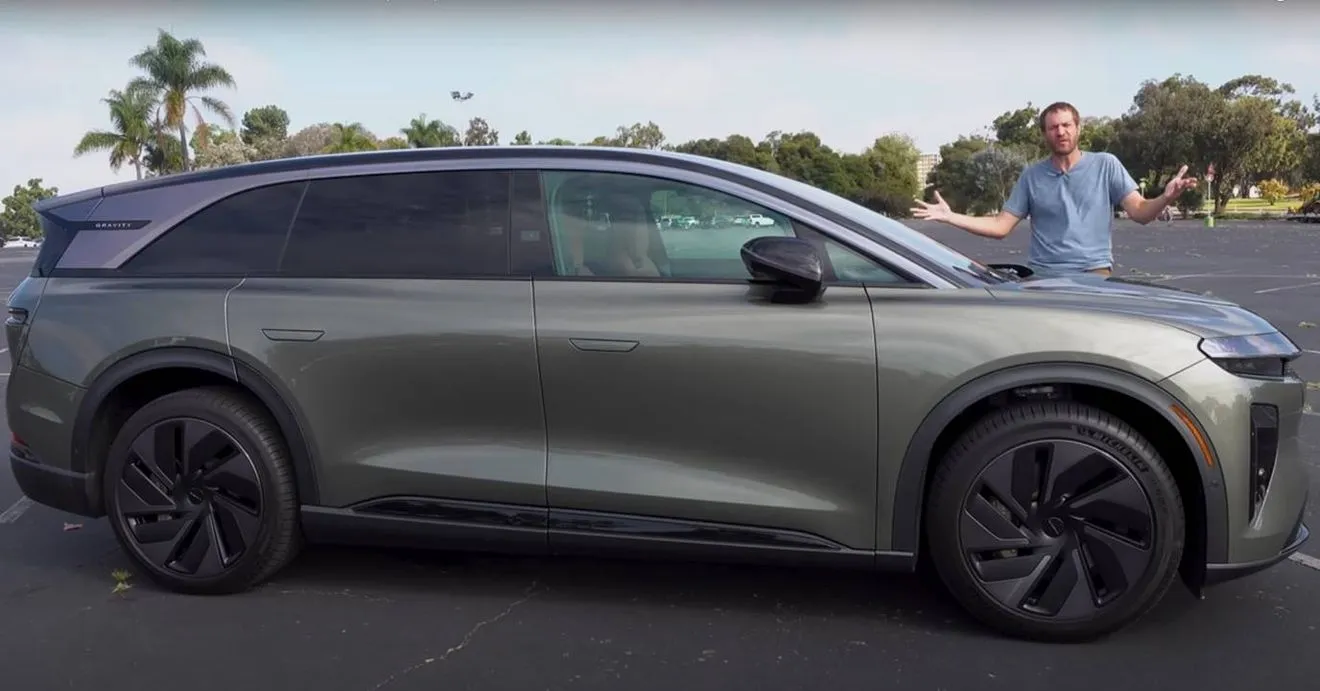
Napoli explained that, at the start of the third quarter, Lucid could take up to two weeks to locate and deliver a car that was already available. This delay led to lost orders, which was particularly concerning for a company that urgently needed to increase its sales.
Numbers help illustrate the situation. During the first six months of 2026, Lucid produced 3,228 more cars than it was able to deliver. In the first quarter alone, it manufactured 5,500 units, compared to just 3,093 cars delivered.
This buildup pushed the value of its inventory to $1.38 billion by the end of June. This figure includes vehicles and other inventory items, but it reflects the enormous capital tied up by the company.
The problem was that Lucid did not have sufficient control over its logistics chain. Cars could be in production, in transit, or stored in different facilities, but the sales team did not always have accurate information about which units were available and when they could be delivered.
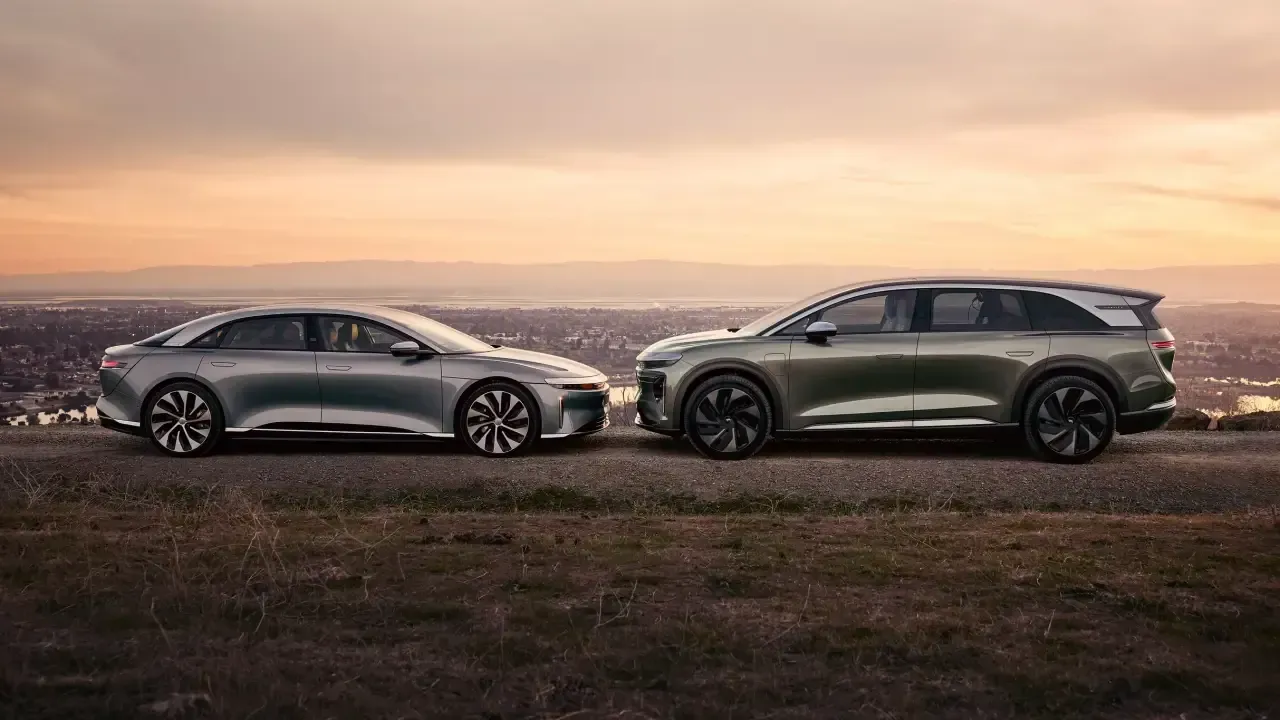
The company claims it has already taken steps to resolve this issue. It now has a system that allows tracking cars from production to delivery, along with a reorganized sales team to sell units that are actually available.
The results are starting to show. During the third quarter, Lucid reduced its production to 2,954 cars, while deliveries reached 3,806 units. This helped reduce finished vehicle inventory by nearly 15% and bring the total inventory down to $1.22 billion.
The situation inevitably reminds one of what Tesla went through during the launch of the Model 3. In 2018, Elon Musk’s company moved from struggling to produce enough cars to facing huge difficulties in distributing them. Musk even described that phase as a real logistical hell.
However, there is a significant difference. Tesla delivered 83,500 cars in the third quarter of 2018, while Lucid is trying to address similar issues with a much smaller volume. Musk’s company even purchased transportation firms and reorganized its operations to speed up deliveries.
For Lucid, losing sales due to organizational issues is particularly embarrassing. Its cars compete in a premium market where alternatives are increasing in number, and where customers are unlikely to tolerate unreasonable delays for vehicles that are already manufactured.
Moreover, financial pressure remains immense, and the company has needed another $1.75 billion injection from its Saudi owner’s fund to stay afloat and to launch its entry-level model, which is expected to boost sales volumes and revenue... but it will also increase the number of cars that need to be delivered. A real challenge.