
The Geely E2 is dominating the Chinese market, and BYD is responding with a new Seagull that could shake up prices in Spain.
The competition among Chinese electric car manufacturers has reached a level that was hard to imagine just a few years ago. It’s no longer enough to offer a well-equipped model with reasonable range and a good price. Now, companies must continuously improve their products, adjust profit margins, and respond quickly to their rivals’ moves. The competition is especially fierce in the compact segment, where BYD is facing a tough rival: the Geely E2.
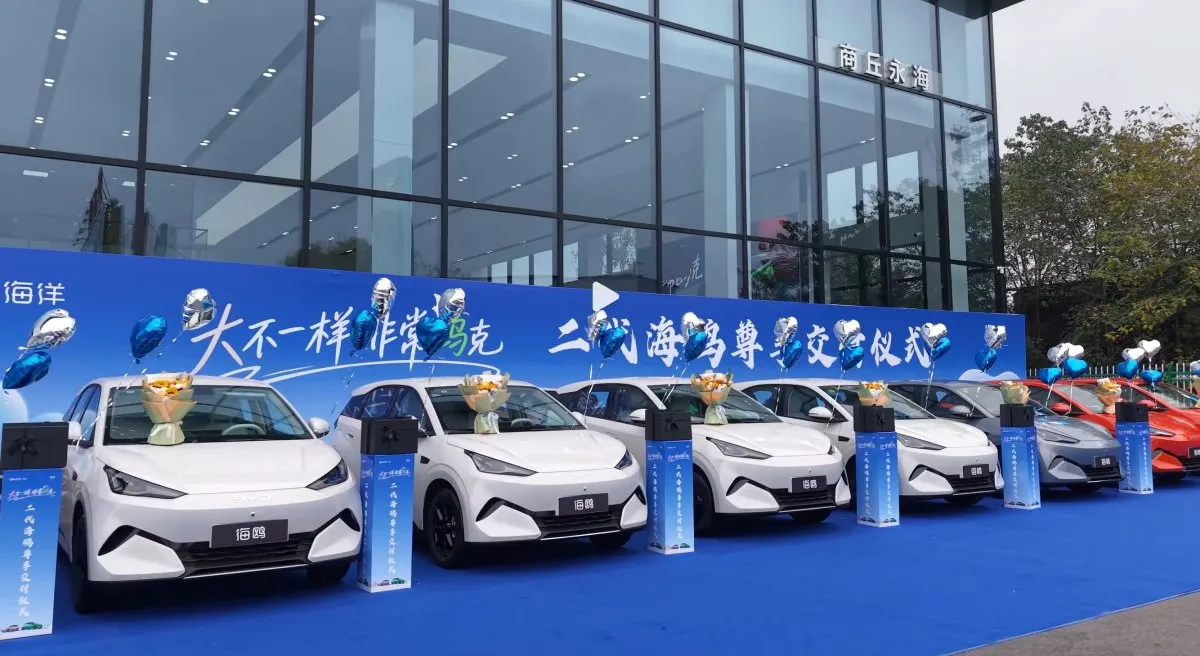
The situation has reached such a point that Wang Chuanfu, BYD’s president and CEO, personally visited a dealership to deliver the keys to one of the first units of the new Seagull. The meeting took place on November 13 in Shangqiu. It was an unusual visit for a executive of his rank and coincided with a particularly important moment for one of the brand’s most popular models.
The focus is on the new BYD Seagull, which has just launched its second generation and faces a challenging task: regaining ground against the Geely EX2, known in China as Xingyuan and sold in Spain under the name Geely E2.
The interesting thing is that this rivalry already has a direct connection to our market, where both manufacturers compete to win over those looking for an affordable electric car. And if the commercial pressure we’re seeing in China eventually spreads to Europe, buyers could benefit significantly.
Geely EX2 is putting pressure on BYD Seagull

The sales data help explain why BYD is paying so much attention to its compact electric vehicle. From January to October 2026, the Geely EX2 managed to register 360,581 units in China, compared to 93,738 for the BYD Seagull. In other words, the Geely model sold almost four times as many units as its direct competitor, a difference that is particularly striking given the huge popularity the BYD compact vehicle had previously enjoyed.
The gap has remained consistent throughout the year. As early as January, the Geely EX2 achieved 29,007 sales compared to 5,329 for the Seagull, and it has since surpassed its rival every month. October was particularly significant, with 50,190 units sold for Geely and only 10,134 for BYD. Additionally, EX2 sales increased by 13.4% compared to September, confirming that its growth continues at a strong pace.
On October 20th, Geely also reached one million units produced of the EX2, a figure that represents cumulative production rather than necessarily deliveries to customers. The model has also begun expanding internationally, with presence in markets such as Australia and the United Kingdom. This strategy underscores the importance of this compact electric vehicle in the company’s growth plans.
That doesn’t mean the BYD Seagull was a failure by any means. The first generation had accumulated approximately 1.55 million sales by the end of September 2026. But the Chinese market is unforgiving, and the generational transition has hurt it, with customers choosing to wait for the new model they expect to compete with the E2.
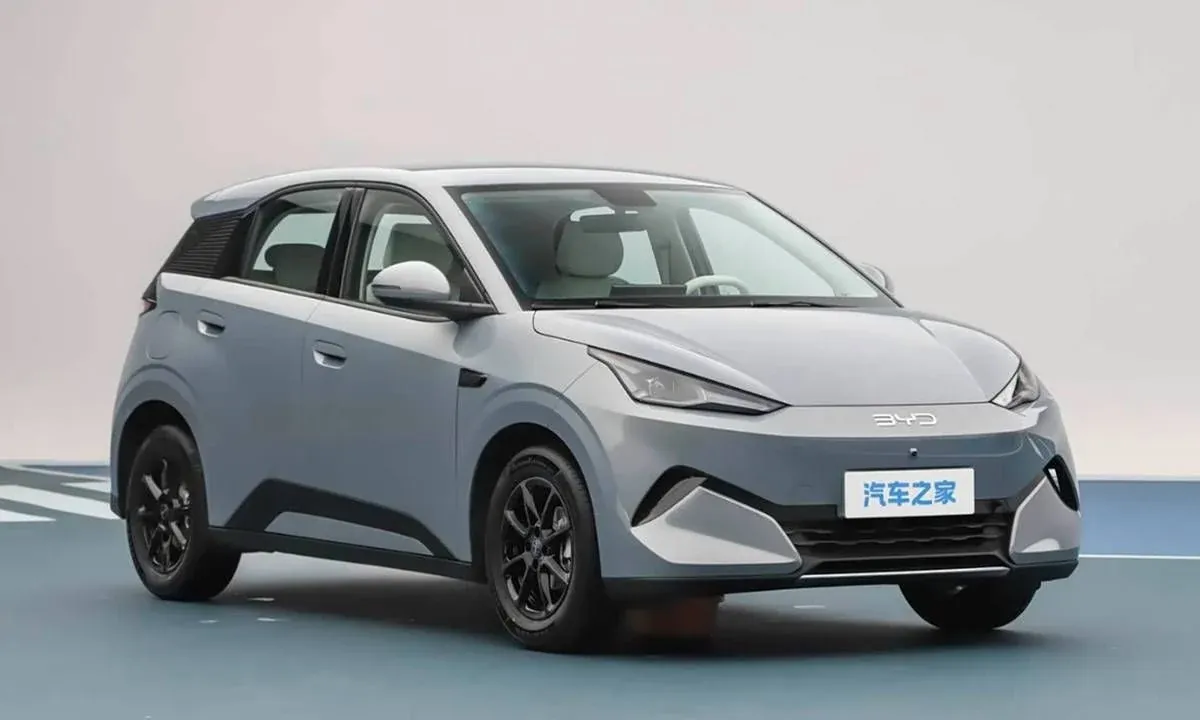
The new Seagull represents exactly BYD’s response to this challenge. The brand has opted for a much deeper refresh than usual, significantly increasing the car’s size and altering key aspects of its architecture. The goal is to stop competing solely on price and offer a more comprehensive product capable of attracting buyers who might otherwise consider models from a higher segment.
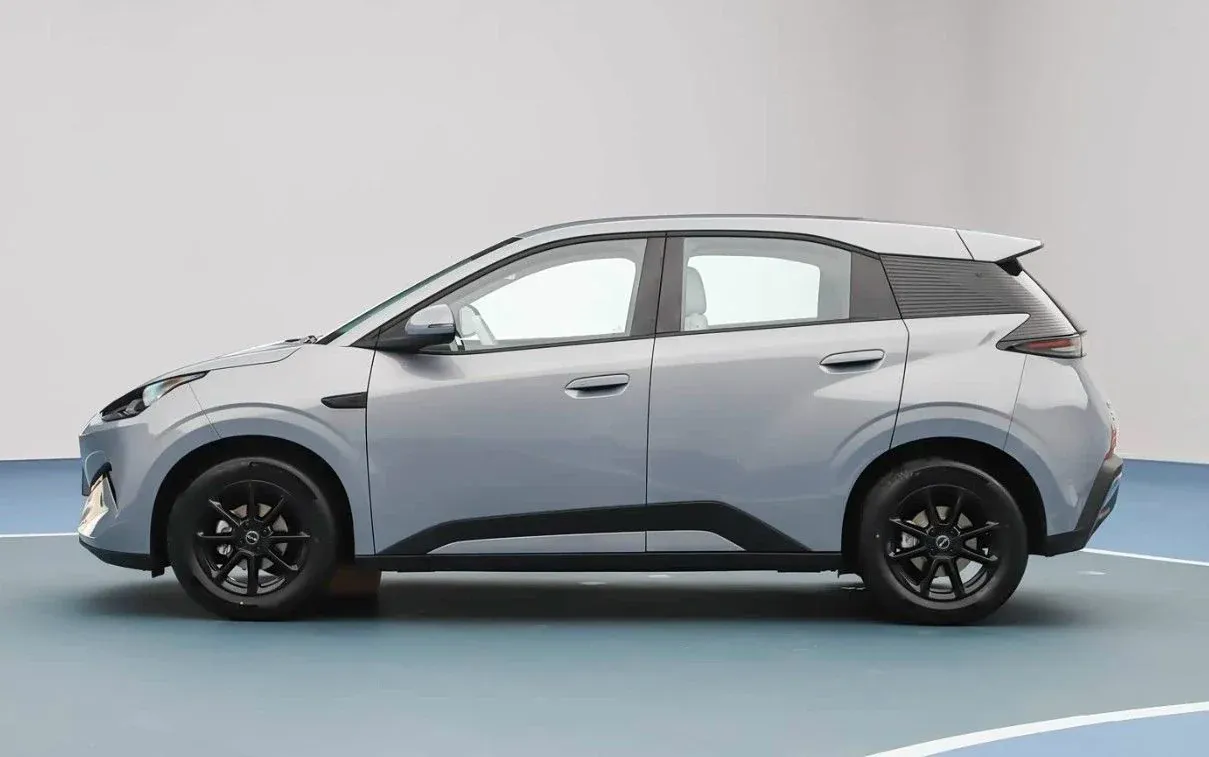
The most noticeable change is in its body structure. The new BYD Seagull measures 4.21 meters in length, 1.81 meters in width, and 1.57 meters in height, with a wheelbase of 2.65 meters. This represents a substantial improvement over the previous model, bringing it squarely into the European B-segment, where it will compete with models such as the Renault 5, Citroën ë-C3, and Geely E2.
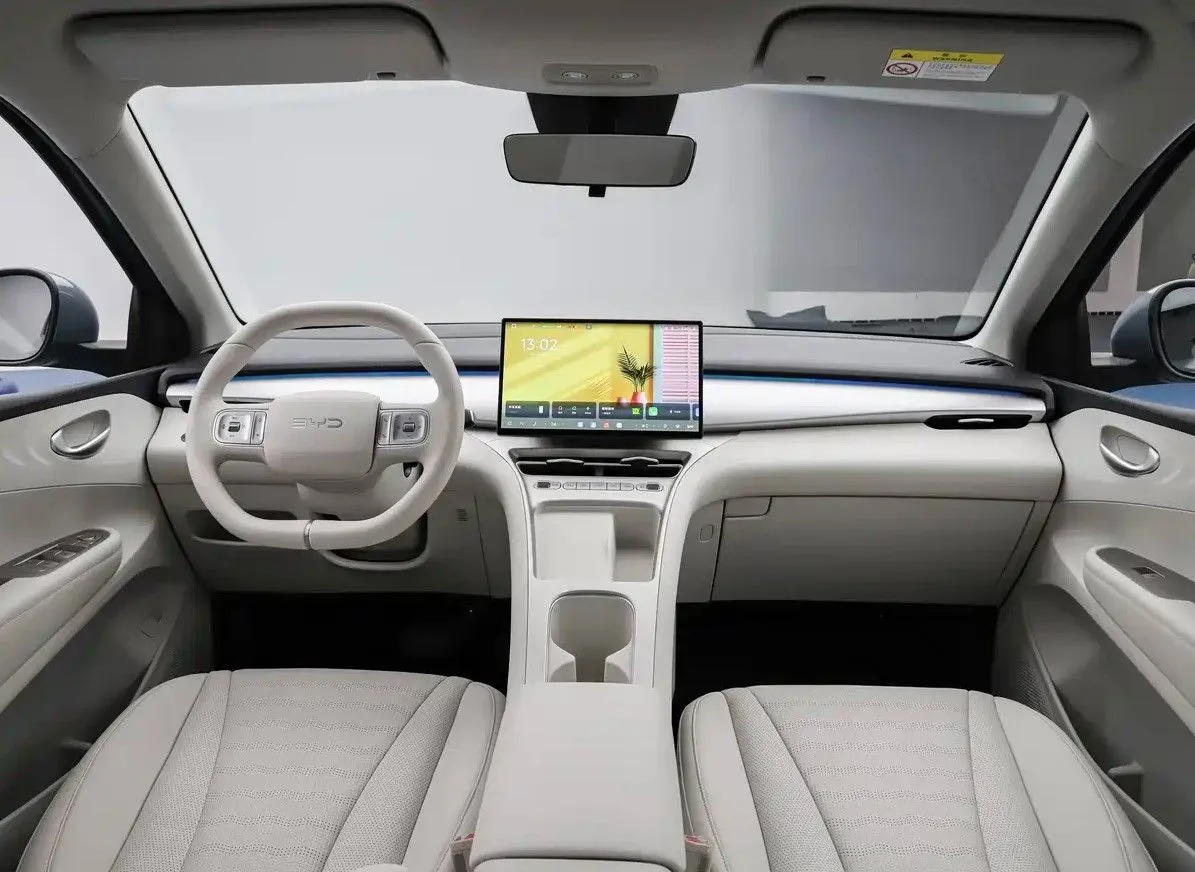
The increased size has also been used to improve comfort. The new Seagull offers five seats, up from four in its predecessor, and features a small front trunk of 94 liters. With the rear seats folded down, the cargo space reaches 1,380 liters. But there’s another important change that isn’t obvious at first glance: BYD has switched from front-wheel drive to rear-wheel drive, along with a multi-link independent suspension that replaces the previous torsion beam setup.
The mechanical range offers two power levels, with engines of 85 kW (116 HP) and 95 kW (129 HP), depending on the trim level. The brand hasn’t specified acceleration figures in the available information, but it has confirmed the availability of batteries in two capacities. The base version comes equipped with a 30.1 kWh battery, offering an approved range of 320 kilometers under CLTC standards, which estimates suggest is equivalent to around 278 kilometers under WLTP standards. The higher-end version features a 39.2 kWh battery, providing a 420-kilometer CLTC range, estimated to be roughly 365 kilometers under WLTP standards.
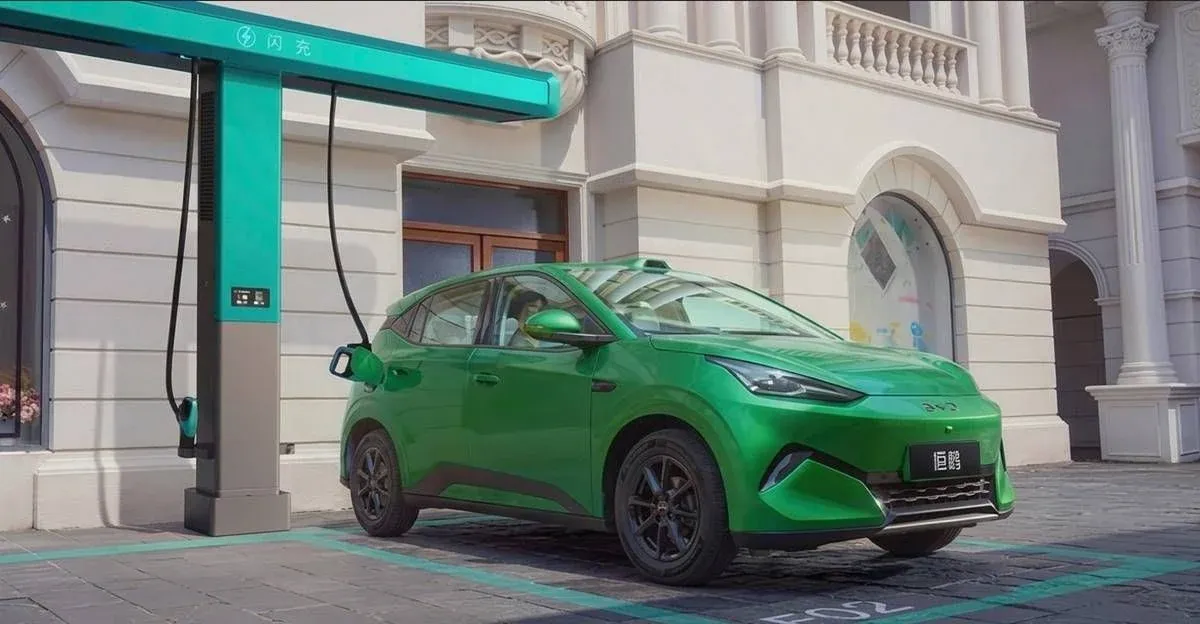
It is precisely in terms of charging that we find one of the most interesting innovations. The three higher-end versions come equipped with BYD’s new ultra-fast charging technology, which allows the battery to go from 10% to 70% in just five minutes and reach 97% in nine minutes.
The features also help distinguish between the different versions. The top-tier Smart model includes a LiDAR laser sensor mounted on the roof and the DiPilot 300 driving assistance system, while the two more affordable variants lack ultra-fast charging. BYD aims to cater to a wider range of customers, from those who simply need a budget-friendly car for daily commuting to those who desire more advanced technology and better charging performance.
The price war that could hit Spain
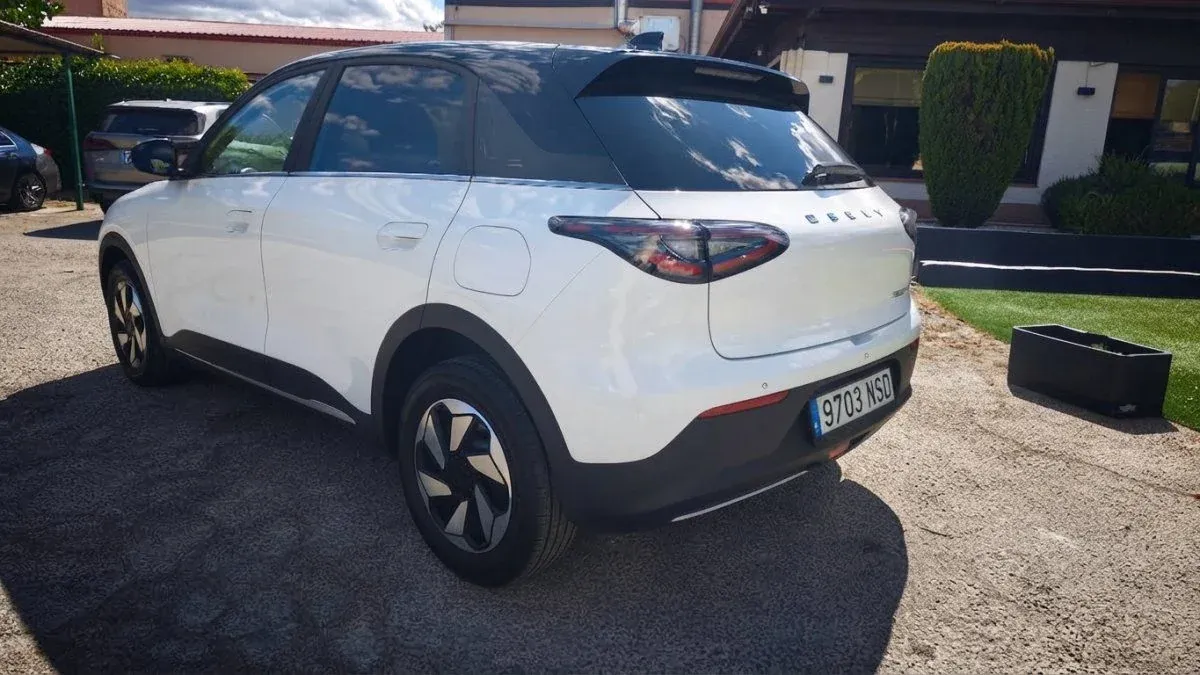
The big question is what will happen when this second generation of the Seagull makes its way to Europe, where it might change its name to simply Dolphin, replacing the current one. That’s because BYD already has a rival it knows very well: the Geely E2, which is trying to carve out a niche in our market with a proposal very similar to the one that’s been so successful for it in China.
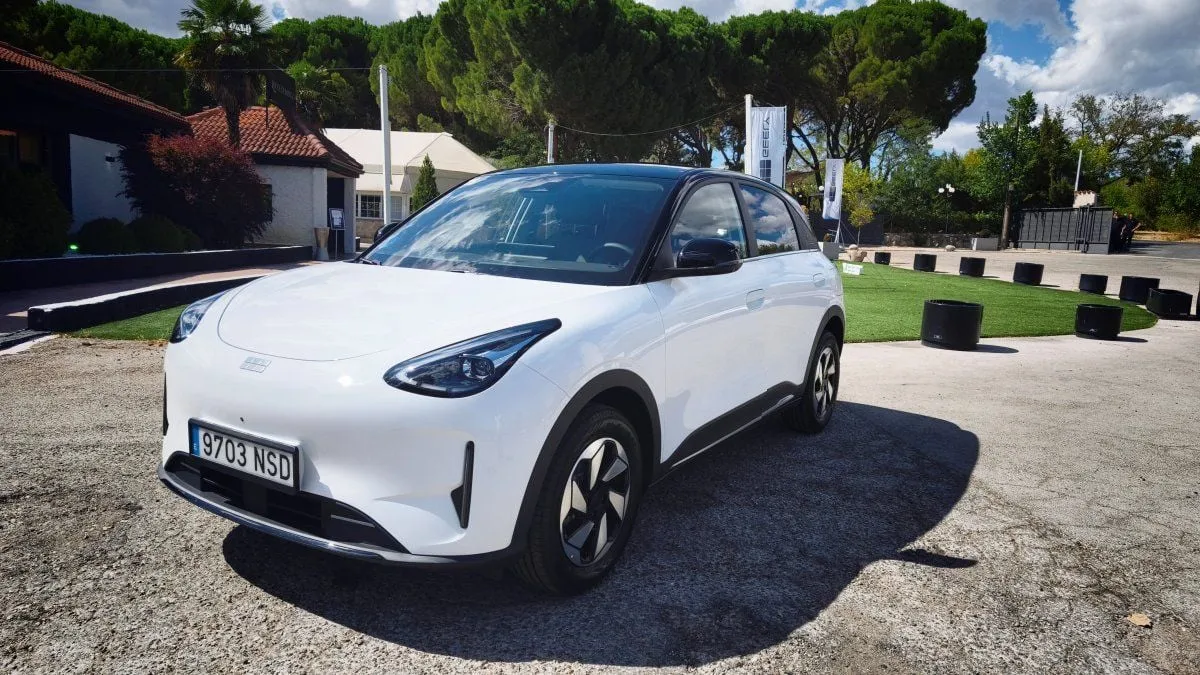
In our market, the prices of the Geely E2 in Spain before applying government subsidies, promotions, or financing discounts start at 20,990 euros for the Geely E2 Pro version. This entry-level model is equipped with a 60 kW (82 HP) rear engine, a 35 kWh battery, and a WLTP range of 252 kilometers. It comes standard with automatic climate control, a 14.6-inch touchscreen, a rear camera, and LED headlights.
Above that is the Geely E2 Pro+, starting at 24,990 euros, which retains almost the same specifications but boosts power to 85 kW (116 HP) and features a 47 kWh battery, delivering 345 kilometers of WLTP range. Finally, the E2 Max+, starting at 27,490 euros, keeps the same engine, battery, and range as the Pro+, but adds more advanced features such as heated front seats and steering wheel, a 540-degree camera, electric tailgate, alloy wheels, and a wireless phone charger.
And this is where price comes into play. For the new BYD Dolphin Surf to be truly competitive in Spain, it would make sense for its entry-level version to cost around 21,000 to 22,000 euros before any discounts or promotions, while the models with larger batteries and fast charging capabilities should range from approximately 24,000 to 25,000 euros. This is a commercial estimate, not an official price announced by BYD, but it would allow it to directly compete with the Geely E2 and also put pressure on the Renault 5 and Citroën ë-C3.
Something that could lead to a slight price reduction for the current European version of the Dolphin Surf, especially considering that it should be produced in Europe by 2027, thereby incurring lower tariffs and logistics costs.
What’s happening in China leads to an interesting conclusion. BYD had to significantly upgrade one of its most successful models because Geely managed to offer an alternative that can attract many more buyers. Now both manufacturers are bringing this competition to other markets, including Europe.
For Spanish consumers, the arrival of a new generation of the Seagull could turn out to be excellent news if it forces Geely, BYD, and other manufacturers to adjust their prices. It wouldn’t be surprising to see increasingly sophisticated electric cars in the B-segment in the coming years, with ranges sufficient for daily use and charging systems that were until recently reserved for much more expensive models. The question is whether these brands will be willing to bring to Europe the same aggressive marketing tactics they are using in China.