
The success of the BMW i3 and iX3 leads the brand to discontinue selling its earlier electric vehicles ahead of schedule.
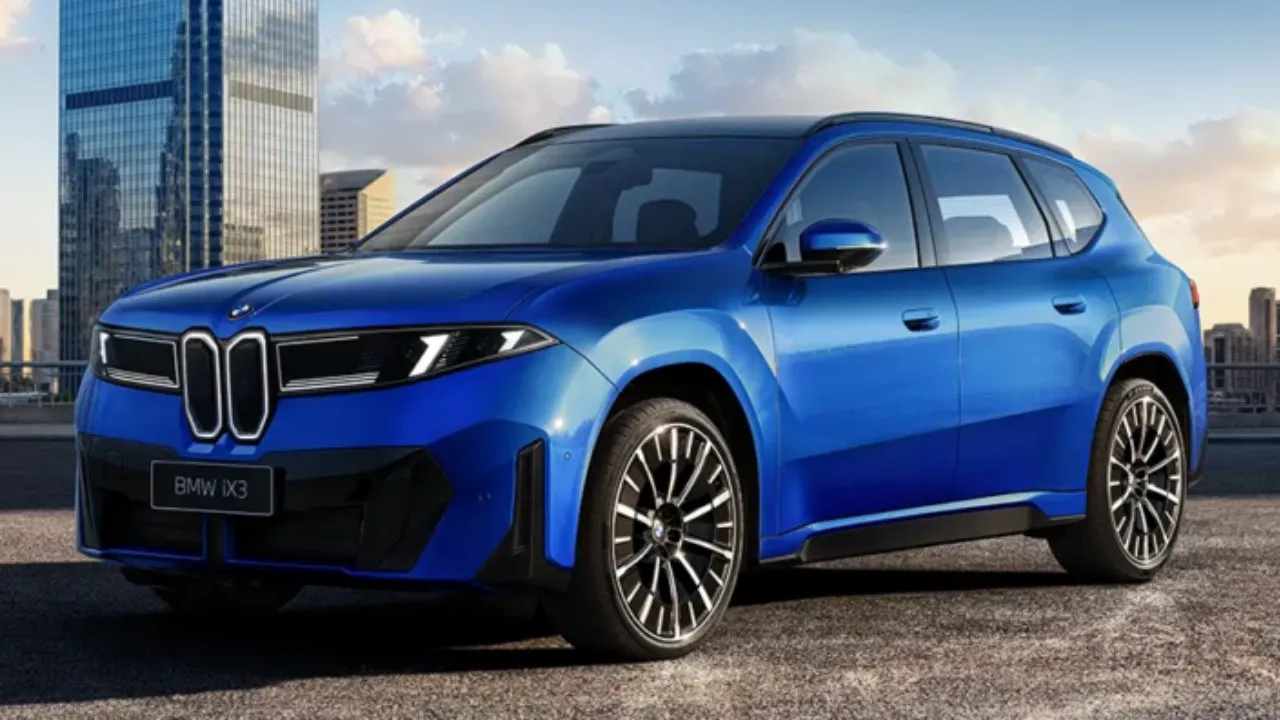
Due to the success of its new electric models in the Neue Klasse series (particularly the i3 and iX3, which are facing extremely high initial demand), BMW has decided to accelerate the transition of its zero-emission lineup to its sixth-generation electric drive technology. As a result, it will retire some models using the previous fifth-generation technology ahead of schedule.
Although the company confirmed this move in its latest quarterly report, it is still unknown at this time which models will be affected. BMW has significantly increased production of sixth-generation electric vehicles; for example, the plant in Debrecen, Hungary, is operating on three shifts to meet the growing number of orders for the iX3 and iX4.
Milan Nedeljković, CEO of BMW, announced that the increased availability of its new generation of electric vehicles will allow for the early withdrawal of some fifth-generation models. The sixth-generation propulsion technology features cylindrical cells in two formats (4695 and 46120), along with an 800-volt architecture compatible with ultra-fast charging.
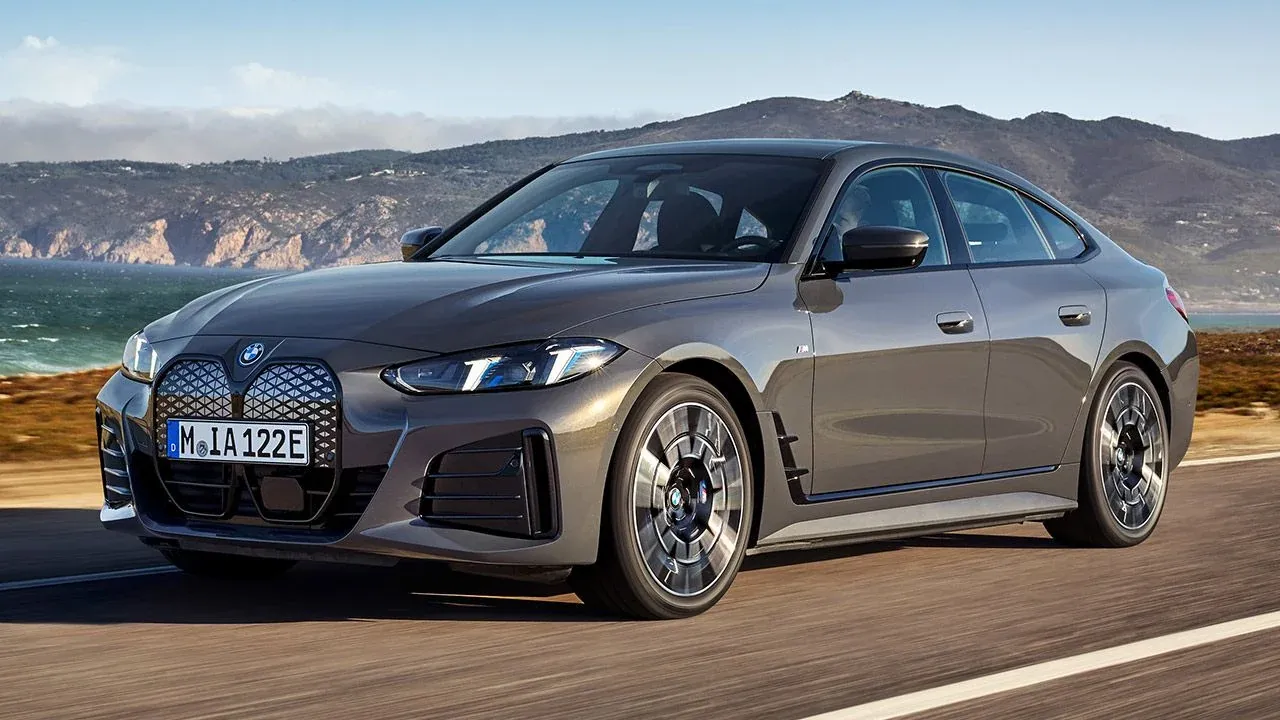
Improvements in areas such as range and charging times have been significant: while the previous i4 offers a maximum range of 613 km WLTP and can be charged at 205 kW DC (10-80% in 30 minutes), the new i3 boasts a range of 912 km WLTP and reaches a peak charging rate of 400 kW (10-80% in 21 minutes).
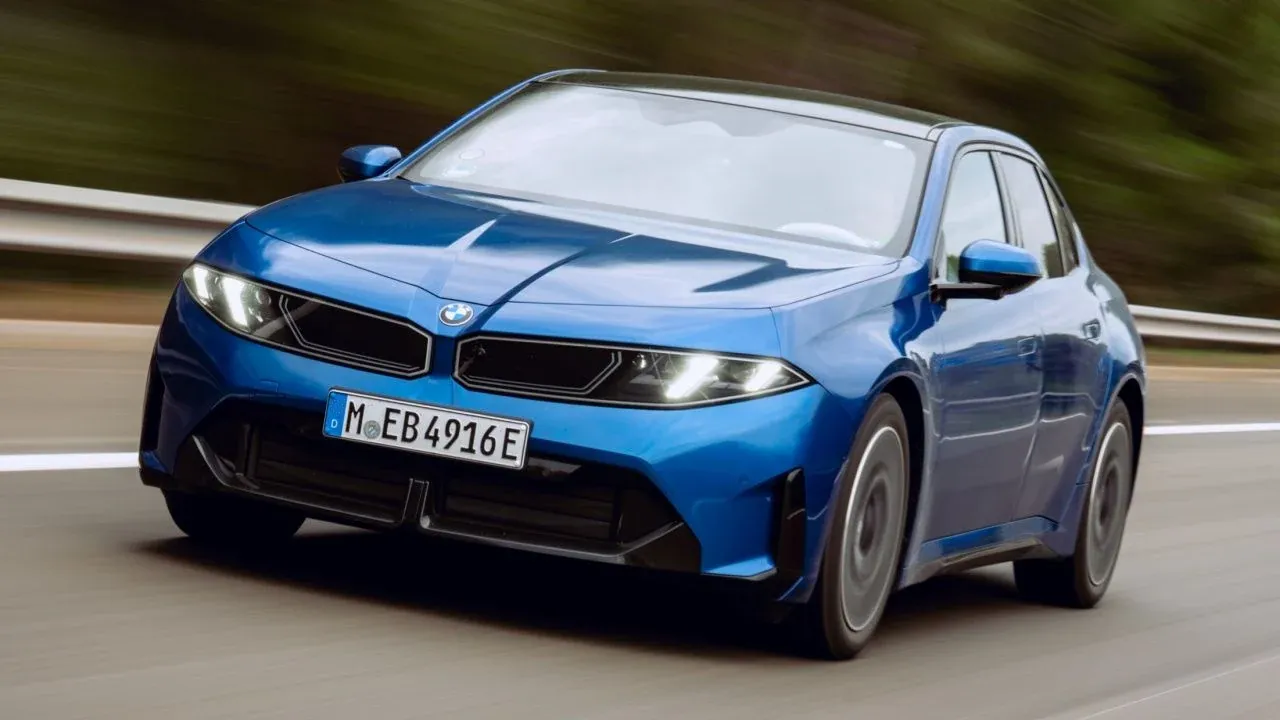
MINI Will Also Use BMW’s Sixth-Generation Electric Technology
On the other hand, BMW also expects its sixth-generation models to enjoy higher profit margins, although in the short term its financial results have been affected by the rapid rollout of its new lineup. Between 2025 and 2027, the Bavarian brand will launch the largest product offensive to date, with a total of 40 new models and updates coming out.
BMW plans to have electric models in all (or almost all) segments it operates in; in fact, it is confirmed that the brand is working on a new entry-level model set to arrive in 2028. All indications suggest it will be a compact vehicle named the i1, a zero-emission counterpart to the popular Series 1.
It is known that MINI will also adopt the Neue Klasse technology in the future. Since the new platform is designed for rear-wheel drive vehicles, it is possible that future generations of the Cooper and Aceman models (which are not expected until the early 2030s) will no longer be front-wheel drive. In any case, the current models are expected to receive a technical upgrade sooner or later.
Source | ecomento