
Stellantis' CEO warns about what lies ahead in 2027 and 2028: "We will have to deal with high inflation."

The European automotive industry is facing a new economic challenge that could further complicate its technological transformation. Antonio Filosa, CEO of Stellantis, the automotive group that owns brands such as Peugeot, Citroën, Opel, Fiat, and Jeep, has issued a warning about the sector’s near-term future. According to his projections, manufacturers and their suppliers will have to deal with significant increases in production costs by 2027 and likely also in 2028, especially due to rising prices of raw materials and electronic components.
The group’s top executive made these remarks during ANFIA’s annual assembly in Milan, the Italian association of automotive components manufacturers. According to Reuters, Filosa believes the industry must prepare for another wave of pressure on production costs, at a time when European manufacturers are striving to boost their competitiveness and develop more affordable electric vehicles.

The executive’s warning was particularly forceful when referring to the next two years. Filosa stated that Stellantis and its suppliers will have to deal with high inflation in raw materials, along with rising costs for memory chips, printed circuit boards, and semiconductors. These are essential components for manufacturing modern cars, whose importance has increased significantly with electrification and the integration of new electronic systems.
Stellantis warns of strong pressure on industrial costs
One of the most significant aspects of Filosa’s statements was the economic dimension of this problem. The CEO explained that, for Stellantis, the impact of inflation needed to be analyzed based on costs amounting to billions of euros. His words reflect the concern of one of the world’s largest automotive groups regarding rising prices of materials and technologies essential for its factories.
However, the company later issued an important clarification. A Stellantis spokesperson told Reuters that the reference to the billions of euros applied to the manufacturer’s total annual cost base, not to an estimate of additional costs of that magnitude. Thus, the warning indicates significant increases in industrial expenses, but it does not specify a precise figure for losses or extraordinary costs for 2027 and 2028.
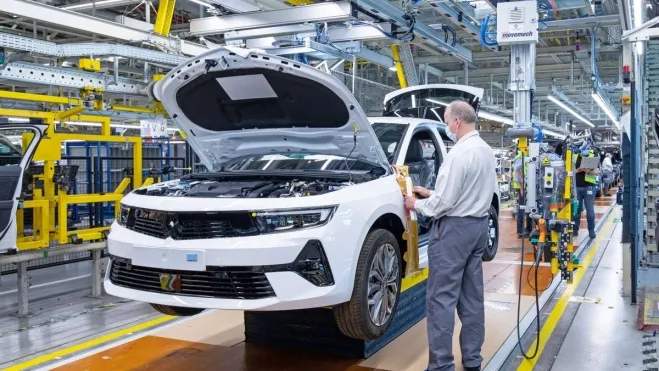
The issue becomes particularly significant at a time when cars require an increasing number of electronic components. Both electric vehicles and hybrids, as well as conventional combustion engine models, incorporate numerous digital systems related to safety, connectivity, and the management of their various functions. Any increase in the prices of these components can exert additional pressure on manufacturers and the companies that make up their supply chains.
Filosa believes that addressing this situation requires improving industrial competitiveness, along with support measures from government agencies. The executive highlighted energy costs as one of the factors that need attention, both in Italy and across the European Union. For manufacturers, reducing these expenses is an important tool for competing internationally and coping with new economic pressures.
The CEO also called for a more favorable regulatory framework for the industry, including European rules related to carbon dioxide emissions. His remarks come as European manufacturers strive to balance the investments needed for electrification with maintaining industrial activity and the competitiveness of their plants. In any case, Filosa did not announce a specific increase in car selling prices as a result of these potential cost rises.
Stellantis confirms it will develop cheap electric cars alongside Leapmotor
During his speech, Filosa also confirmed an important development related to Stellantis’ future electric cars. The group will leverage its partnership with Chinese manufacturer Leapmotor to develop a new generation of affordable electric vehicles, known as e-cars. This move is aimed at regaining a share of the European market for budget cars, a segment whose offerings have declined in recent years.
According to Reuters, these new vehicles are set to be manufactured at Stellantis’ plant in Pomigliano, Italy, with their market launch expected in 2028. This partnership will enable Stellantis to leverage Leapmotor’s technological expertise in developing electric and electronic solutions. Additionally, the project aims to boost operations at the group’s European facilities and expand opportunities for industrial cooperation between the two companies.
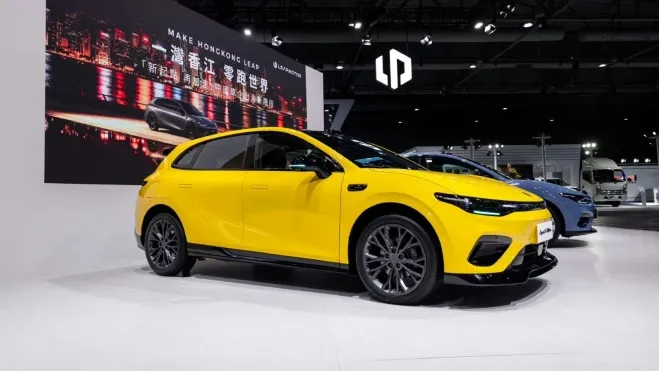
Filosa explained that the partnership with Leapmotor will assist Stellantis’ European factories and facilitate the joint development of future technologies. Affordable electric vehicles will be one of the areas where the two companies will work most closely together. This strategy reflects the growing importance of collaborations between European and Chinese manufacturers to accelerate the development of competitive electric vehicles.
The CEO’s statements highlight two challenges that will shape Stellantis’s future years. First, the need to address rising costs of raw materials and electronic components in 2027 and 2028. Second, the goal of developing more affordable electric vehicles without sacrificing industrial competitiveness. This combination will require the company and its suppliers to pay close attention to their production costs in the coming years.