
Porsche’s CEO criticizes Elon Musk over the new Tesla Roadster “flying car”: “We want to move away from spectacle.”
The unveiling of the new Tesla Roadster has triggered an unexpected reaction from one of the world’s most prominent sports car manufacturers. While Elon Musk focuses on demonstrating the capabilities of his future electric vehicle through stunts and unconventional propulsion systems, Porsche’s top executive has chosen to publicly distance himself. His statements highlight the differences between the two companies, which, despite competing in the high-performance automotive market, pursue vastly different strategies.
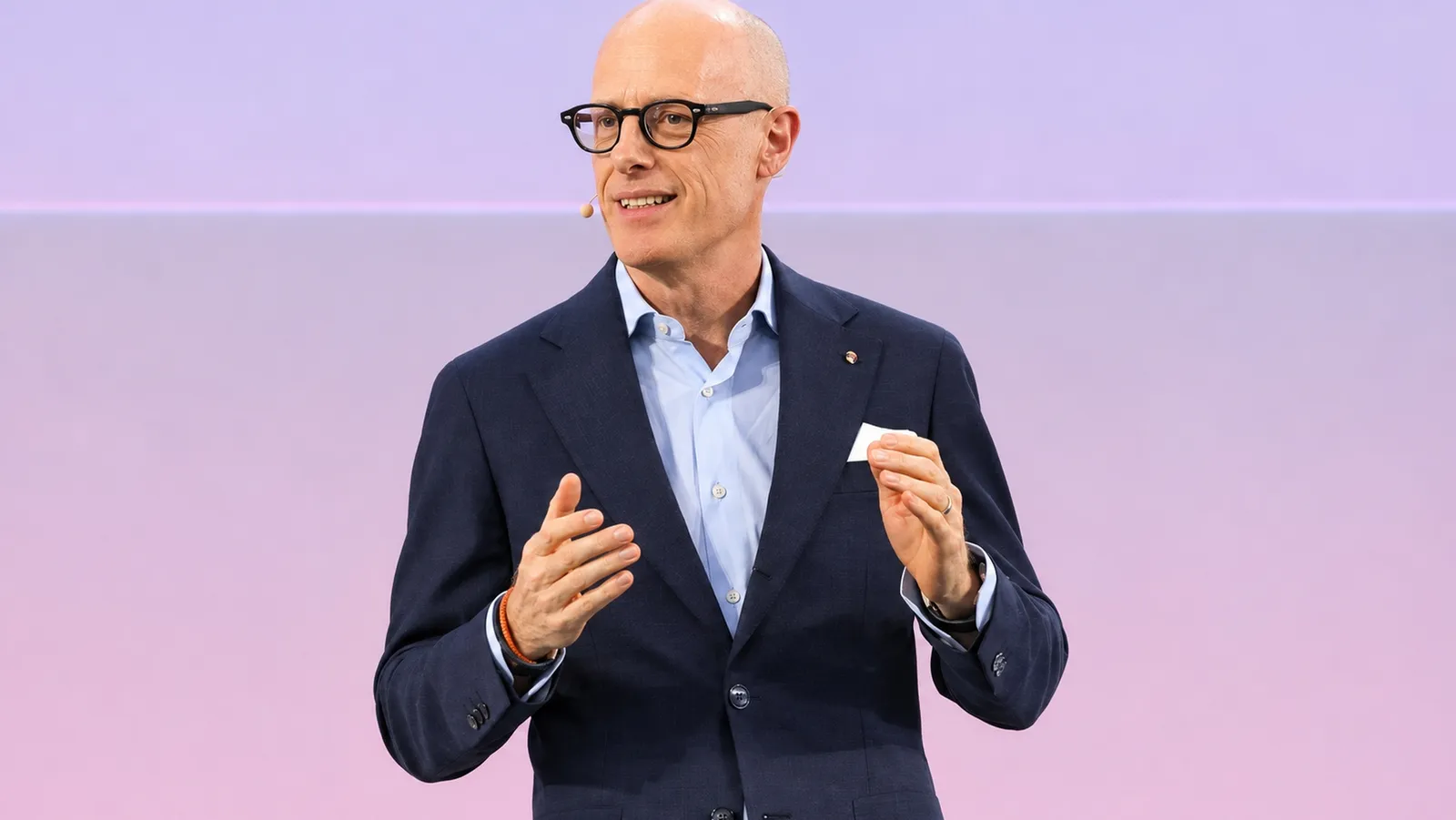
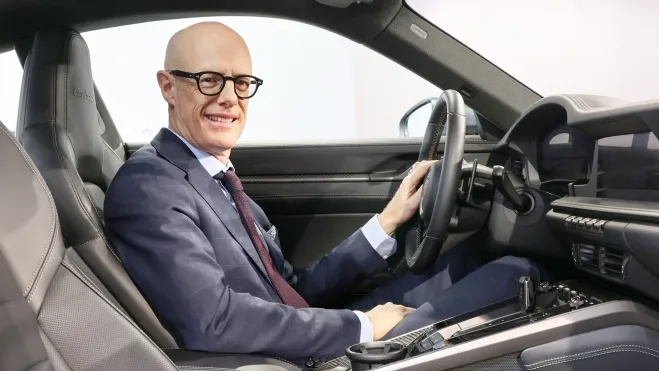
The protagonist is Michael Leiters, Porsche’s CEO, who, during a conference in Berlin, questioned the spectacle organized by Tesla to unveil its new Roadster. According to Bloomberg, the German executive believes that such eye-catching demonstrations do not reflect the path his company should take, and he advocated for a strategy focused on tangible technical innovations that can offer real advantages to drivers.
The most forceful statement came when Leiters explained how he plans to distinguish Porsche from proposals like those of the American manufacturer. “We want to stay completely away from any kind of effects and spectacles,” said the executive. This reflection was made while comparing the new Tesla Roadster to the Porsche Mission S, two sports cars unveiled on October 15th that, according to the German firm’s leader, are aimed at different audiences.
The Tesla Roadster that surprised with its aerial acrobatics
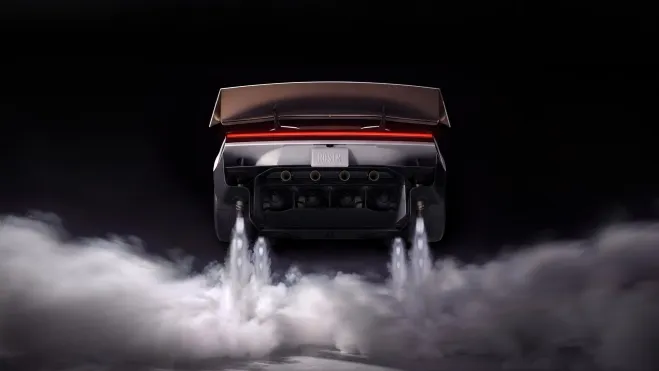
To understand the words of Porsche’s top executive, one must recall what happened during the launch of the new Roadster. Tesla unveiled a new generation of its electric sports car, originally announced in 2017, featuring technologies developed in collaboration with SpaceX. Among the most striking demonstrations was the use of propulsion systems powered by compressed gas, capable of propelling the vehicle and enabling maneuvers that have been rare in cars to date.
During the demonstration, the Roadster lifted off the ground and performed acrobatic moves before returning to the asphalt. Tesla also showed how the vehicle could overcome obstacles using these additional propulsion systems. The display aimed to illustrate the potential of a technology that Elon Musk hopes will set his sports car apart from conventional models, although some of these capabilities are available only on special versions and may not be available for use on public roads.
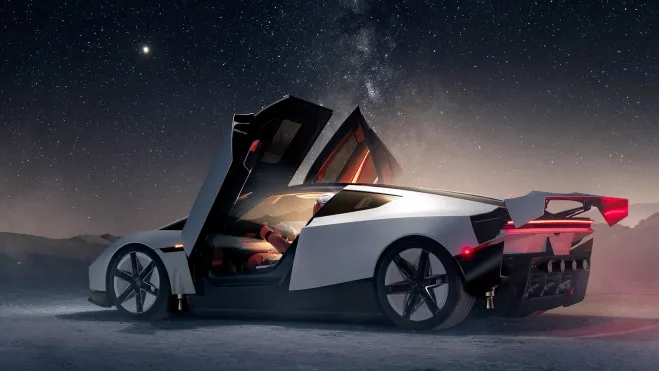
The American manufacturer also announced particularly ambitious performance figures, including a 0 to 60 miles per hour acceleration—equivalent to about 97 km/h—of less than one second in certain configurations. However, these numbers are those reported by Tesla and still need to be verified against results from independent tests. The company has set production to begin in 2028, following the successive delays the project has experienced.
Porsche aims for a supercar different from Tesla’s
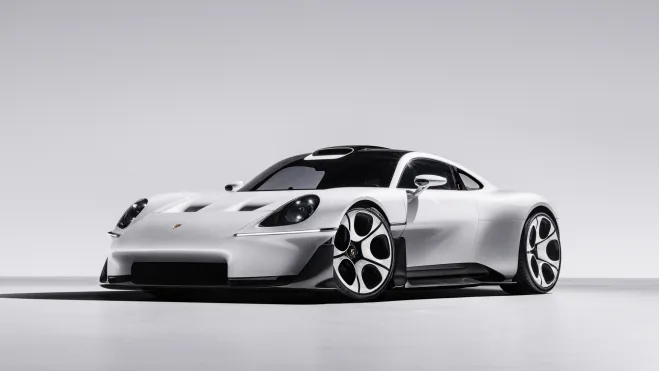
In response to this proposal, Porsche has developed the Mission S, a prototype that previews a new generation of mid-engine sports cars. Also unveiled on October 15, this vehicle represents one of Michael Leiters’ key bets for the coming years. Its main feature is that it is not designed solely around an electric powertrain, but rather around an architecture capable of accommodating various propulsion systems, including internal combustion engines and hybrids.
Leiters himself explained during the Berlin conference that the reception of the Mission S among customers had been “overwhelming.” According to Bloomberg, Porsche intends to use this new platform to develop a supercar positioned above the 911, both in terms of market positioning and exclusivity. The brand believes there is room for a high-performance model aimed at buyers seeking a distinctive driving experience.
The strategy also has an important economic dimension. Porsche aims to strengthen its presence in the most exclusive segments of the automotive industry, where high prices and limited production volumes can help improve profitability. A potential production version of the Mission S would mean regaining a consistent presence in the mid-engine supercar segment, an area where the company previously excelled with models such as the Carrera GT and the 918 Spyder.
Two ways to understand the future of sports cars
The differences between the two manufacturers are also evident in the interior design and the relationship between the driver and the car. While Tesla focuses on increasingly advanced technological solutions and a growing role for software, Porsche has designed the Mission S with a cockpit that is particularly driver-oriented. The prototype incorporates elements inspired by classic designs, combines physical controls with digital instrumentation, and does without a permanently integrated central screen.
Porsche’s new approach does not mean abandoning electrification, a technology that remains part of its lineup and industrial plans. What Leiters aims to convey is that innovation should translate into concrete improvements in performance, handling, and driving experience, regardless of the type of propulsion used. On the other hand, Tesla uses the Roadster as a showcase for unconventional technical capabilities, though it still needs to prove which of these will make it to the final product.
Porsche’s CEO’s statements reflect a difference in approach between the two manufacturers seeking buyers for luxury sports cars. Tesla aims to impress with exceptional performance and unprecedented technologies, while Porsche advocates for a more traditional interpretation of sportiness, backed by engineering and driving experience. The next step will be to see how these promises translate into their respective production models, especially in the case of the Roadster, whose market launch is still pending.