
Mercedes-Benz's CEO issues a stern warning to Germany: "If we don’t change, there will be much less industry in 10 years."
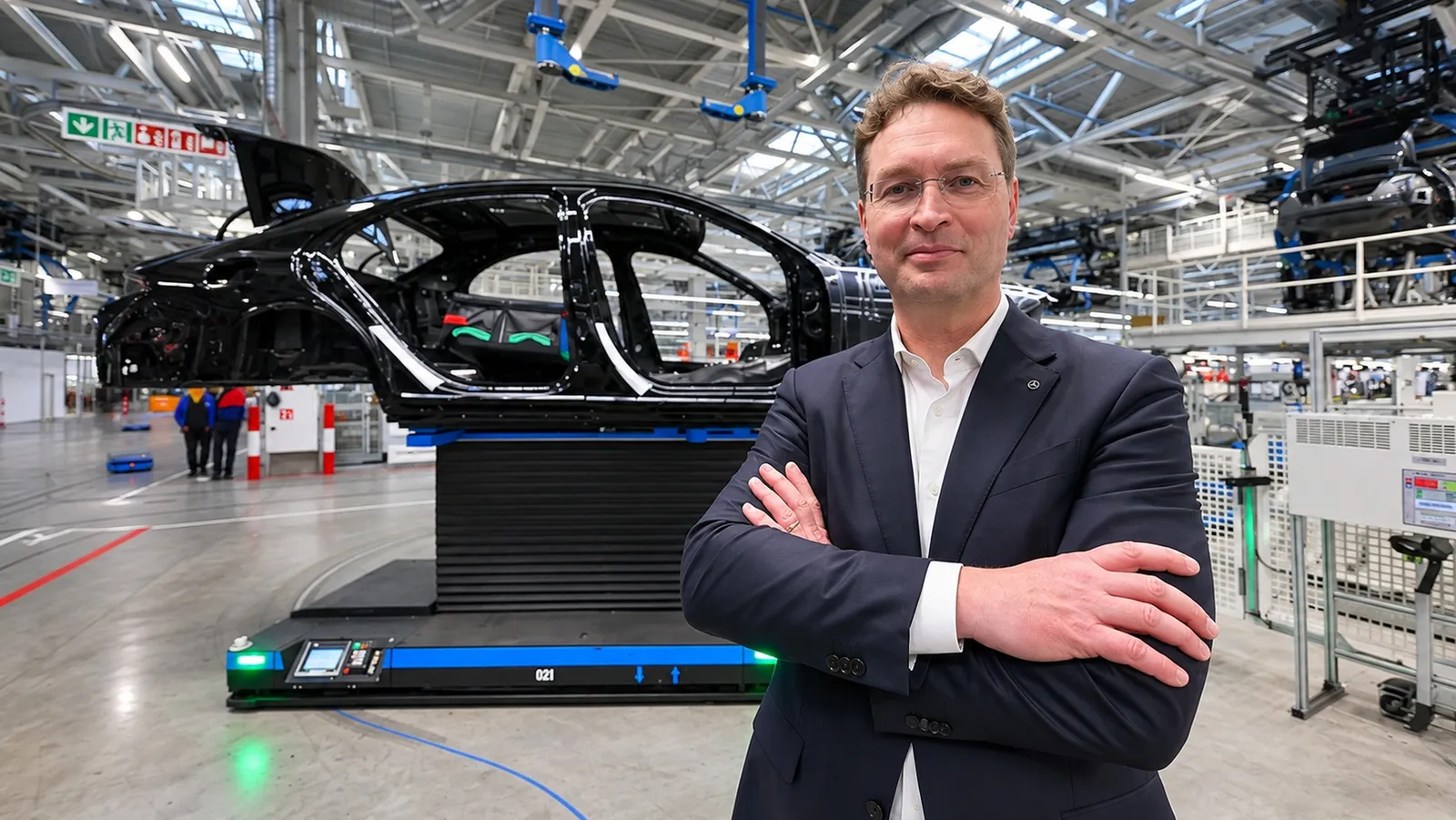
Germany, which has been regarded for decades as one of the world’s major industrial powers, is facing a particularly delicate period. Increasing international competition, high production costs, and the transformation of the automotive industry are putting its major manufacturers to the test. In this context, one of Germany’s top officials in the automotive sector has issued a warning about what might happen over the next decade if the country fails to make significant changes.
The protagonist is Ola Källenius, CEO of Mercedes-Benz, who has warned that Germany could see much less industrial activity within ten years if it fails to improve its competitiveness. The executive made these remarks during an event organized by the German newspaper Süddeutsche Zeitung in Berlin, where he argued for profound changes in labor costs and corporate productivity.
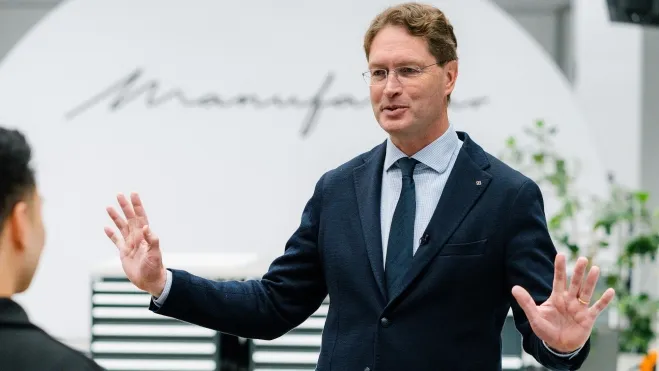
His message was particularly forceful. According to the German news agency DPA, Källenius believes that if current negotiations fail to lead to significant progress, there will be considerably less industrial activity in Germany in ten years than there is now. The top executive at Mercedes-Benz also made it clear his stance on the reforms he deems necessary: “We want real change,” he said, rejecting the possibility of reaching agreements that do not involve substantial modifications.
Germany is much more expensive than other countries for manufacturing cars
One of the arguments used by Källenius to justify his warning was the difference in labor costs between Germany and other industrialized countries. The executive presented a comparison using an index, where Germany has a value of 100, while the United States is at 80. The gap is even larger compared to other European and Asian countries, with Hungary at 30, Romania at 20, and China between 10 and 20.
According to Mercedes-Benz’s executive, these figures reflect the competitive disadvantage German factories may face compared to those located in other markets. However, this is an index used by the executive himself, whose full methodology has not been made public. Thus, it does not directly equate to a comparison of average wages nor does it prove that manufacturing a complete car in China costs one-tenth as much as in Germany.
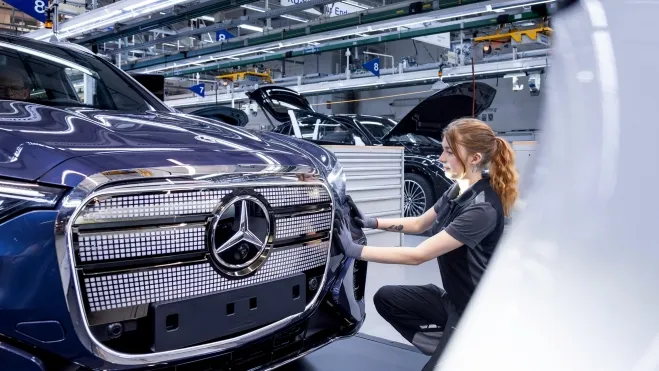
Källenius also wanted to clarify that Mercedes-Benz does not intend to turn Germany into a country with low labor costs like Hungary or Romania. Its goal is to bring the competitiveness of German facilities closer to that of the United States, which also has a developed industry and high production costs. Referring to this comparison, the executive said it is possible to move from an index of 100 to one of 80, which implies advocating for a significant reduction in the costs considered in its analysis.
The issue becomes particularly significant at a time when traditional European manufacturers need to make substantial investments in electrification, new platforms, software development, and industrial automation. Competition from Chinese brands and the need to improve profitability force companies such as Mercedes-Benz, Volkswagen, and BMW to continuously review their production processes. However, cost reduction is not the only factor determining a factory’s competitiveness, as productivity, technology, and the quality of the products manufactured also play a role.
Mercedes-Benz seeks to cut costs amid falling car sales
The CEO’s remarks come after results that highlight the commercial challenges facing the brand. In the third quarter of 2026, Mercedes-Benz Cars sold 407,232 vehicles, 7.8% fewer than in the same period of 2025. Additionally, its adjusted operating profit dropped from 1.139 billion euros to 560 million euros, representing a decline of approximately 51%.
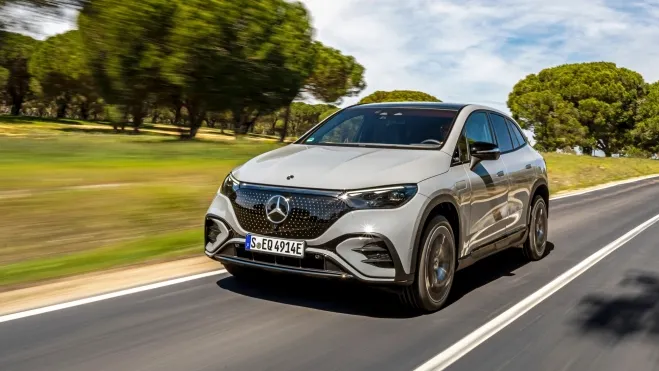
The situation, however, presents significant differences depending on the market and technology. While Mercedes-Benz faces difficulties in China, its sales of fully electric vehicles increased by 60.5% during the third quarter, reaching 68,428 units. The company also recorded business growth in Europe and the United States, although these improvements did not prevent a decline in some profitability indicators for its passenger car division.
In light of this situation, Mercedes-Benz has already strengthened measures aimed at improving efficiency and controlling costs in its industrial operations. The company recently proposed that the cost per working hour should be reduced, suggesting that one of the most direct approaches was to increase working hours while maintaining wages. This proposal sparked protests from some employees and labor representatives, who were concerned about its potential impact on employment conditions.
Mercedes-Benz’s CEO opens the door to an agreement with unions
Despite the firmness of his statements, Källenius also showed willingness to negotiate with union representatives. Specifically, he considered a proposal from IG Metall, Germany’s largest industrial union, which suggests introducing temporary exceptions to certain collective bargaining agreement terms in exchange for binding commitments from companies.
The union’s proposal would allow for negotiations on specific conditions, provided that companies make concrete commitments regarding investment, development of new products, maintenance of facilities, employment, and training. It represents an alternative aimed at balancing improved corporate competitiveness with safeguards for workers during a period of profound transformation in the automotive industry.
The Mercedes-Benz official argued that the company remains strongly committed to Germany, recalling that it is one of its major industrial investors. He also expressed willingness to negotiate investment commitments related to the country’s production facilities. His words indicate that the manufacturer does not intend to leave Germany but rather to ensure its plants remain competitive against factories in other markets.
Källenius’s warning highlights one of the major challenges facing Europe’s automotive industry. Maintaining production, attracting new investments, and preserving industrial jobs will require adapting factories to an increasingly competitive market. According to the CEO, time to undertake these transformations is limited, and without sufficiently ambitious agreements, Germany could enter the next decade with a considerably smaller industrial presence than it has now.