
Eima: Robotics in agriculture is worth up to 18 billion
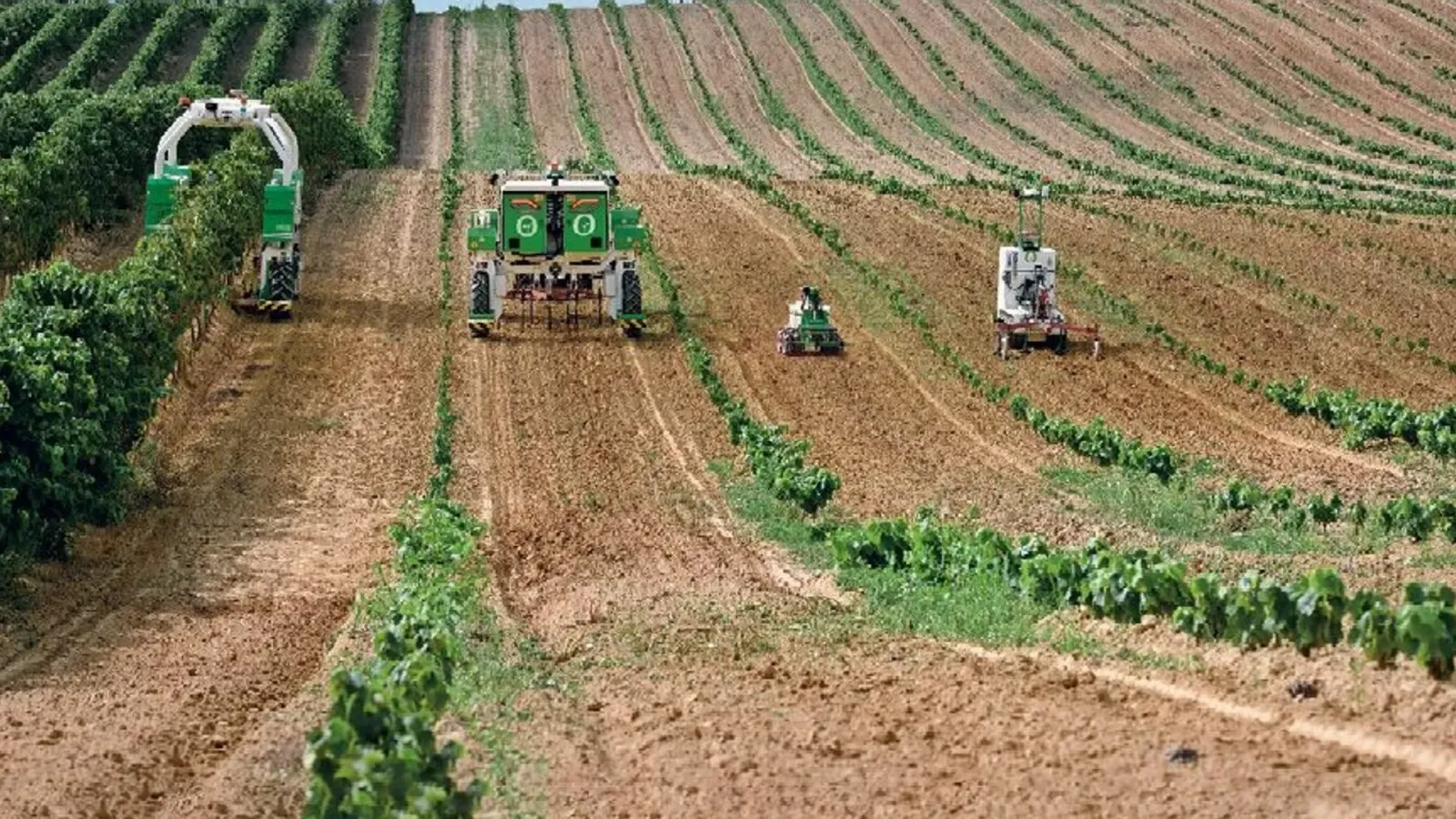
At Eima International, the international agricultural machinery fair, new signs of the advancement of electric technology in agriculture are emerging. The market for robotics in farming can already reach 18 billion euros today. We have seen zero-emission barns (read here), with companies selling more battery-powered mixers than diesel ones, but electrification also affects fruit harvesting carts and most of the gardening robots intended for private use. This trend is growing rapidly even among professional operators. Until tomorrow, Sunday, November 15, the exhibition offers the chance to get up close with some of the sector’s most interesting innovations.
Agricultural robotics is growing by 14 to 20% per year
"Robotics in agriculture worldwide is currently valued at between $15 and $18 billion. With an annual growth rate ranging from 14% to 20%, depending on the source. Even using the most conservative figure, it represents rapid expansion unmatched by any other sector of mechanization." These are the words and figures of Alessio Bolognesi, engineer at FederUnacoma’s technical service, during the conference “Orchardiculture: Is It Time for Robots? Automation Tested in Fields and Greenhouses,” organized by Edagricole/Tecniche Nuove.
As we have often written in horticulture, there is great potential to make product harvesting electric and autonomous due to labor shortages, seasonal supply fluctuations, and the difficulty of working at temperatures of 40 degrees Celsius and above during heatwaves. In Emilia Romagna, there are many examples of electric mechanization that we have covered, from Ecogreen and the Vallisi mechanical workshop to Bagioni. In the Bologna countryside, we have seen autonomous robots such as Farmdroid and those from Naio Technologies in action.
Excellent global figures, but few machines in Italy. What are the problems?
"In Italy, the automation of horticulture is hindered by a lack of training, limited awareness of the benefits it can bring, and, as Bolognesi pointed out, high initial costs for the machinery. Innovation comes at a price, both for users and manufacturers, and to accelerate its adoption, a targeted and long-term incentive plan would be needed."
Nothing new: Italy remains one of the few, if not the only, European country with an electric vehicle share below 10%, while in other places markets where traditional gasoline vehicles have already disappeared exist. In the agricultural sector as well, poorly targeted incentives and the lack of an information and support strategy to highlight the advantages of innovation are problematic.
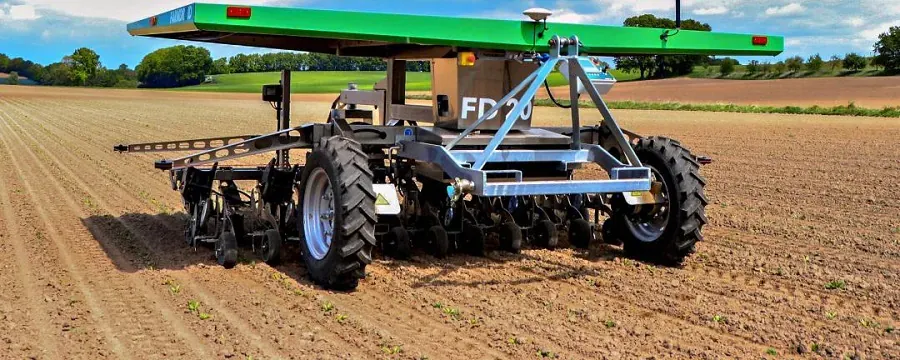
Despite these challenges, the potential remains enormous. Davide Facchinetti, a professor at the University of Milan, and Marco Sozzi from the University of Padua highlighted the variety of solutions already available on the market. We have written about this several times, and in Bologna we saw new ones: the most common applications involve seeding and transplanting, weeding through recognition and targeted treatment of weeds, crop monitoring, distribution of agricultural equipment, and harvesting operations. This is concrete proof that agricultural robotics is already a reality rather than just a future prospect. We also mention special robots like Moondino, which is used in paddy fields. Not to mention the introduction of the first humanoid almost ready to harvest fruit.
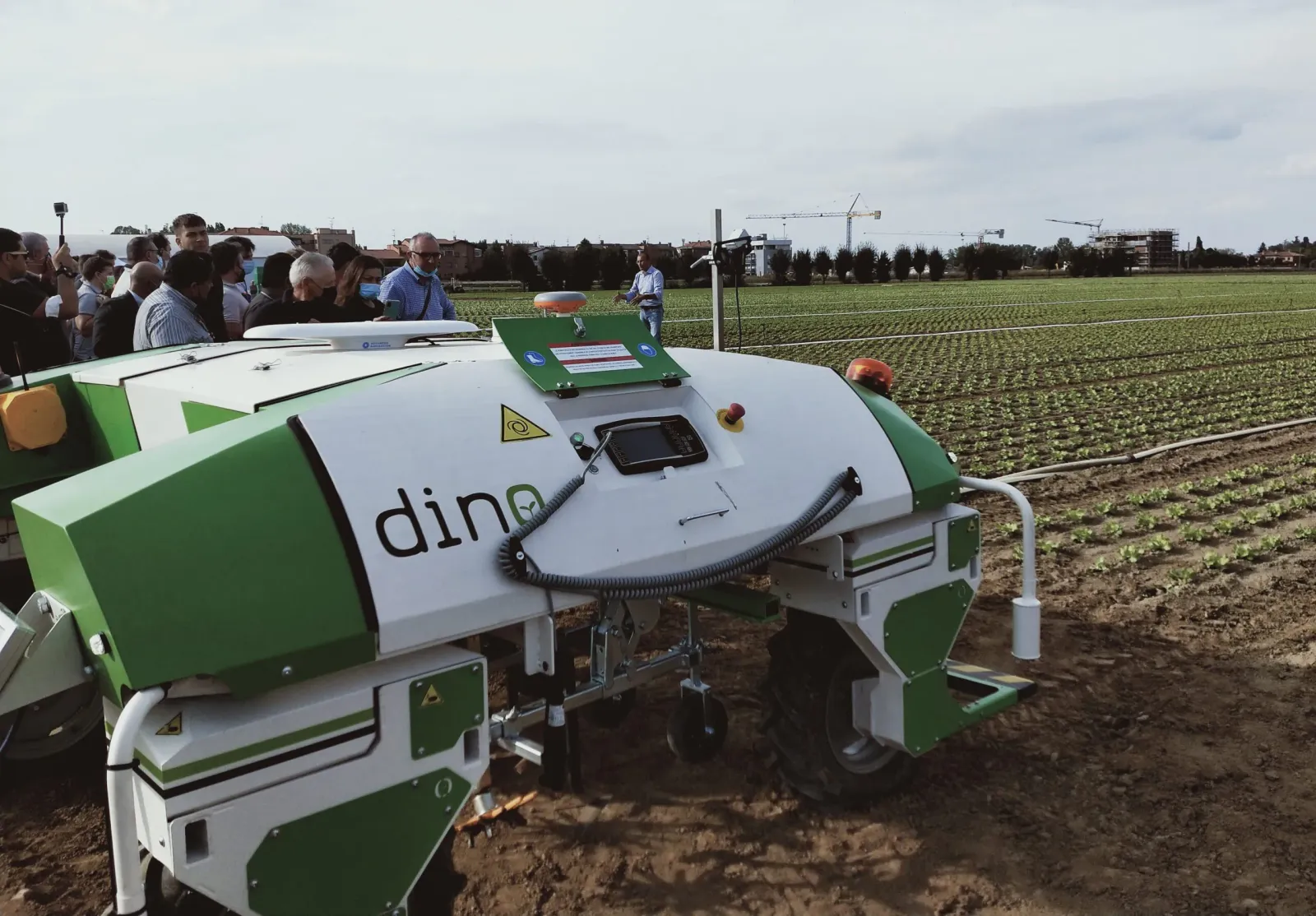
The two university professors then point out an important issue for the expansion of robotics: “the lack of clear and specific legislation that can provide operational certainty and define the responsibilities of parties in the unfortunate event of accidents.”
READ ALSO: Farmdroid: the solar-powered agricultural robot and watch the VIDEO
Previous Article
Nicola Armaroli’s COP31: “Electrification is beneficial; fossil fuels are no longer necessary”
Next Article
In Rimini, the solar-powered hotel: panels, charging stations, Tesla, and the ID. Buzz bus