
Do EVs Wear Tires Faster? Here's What The Studies Show
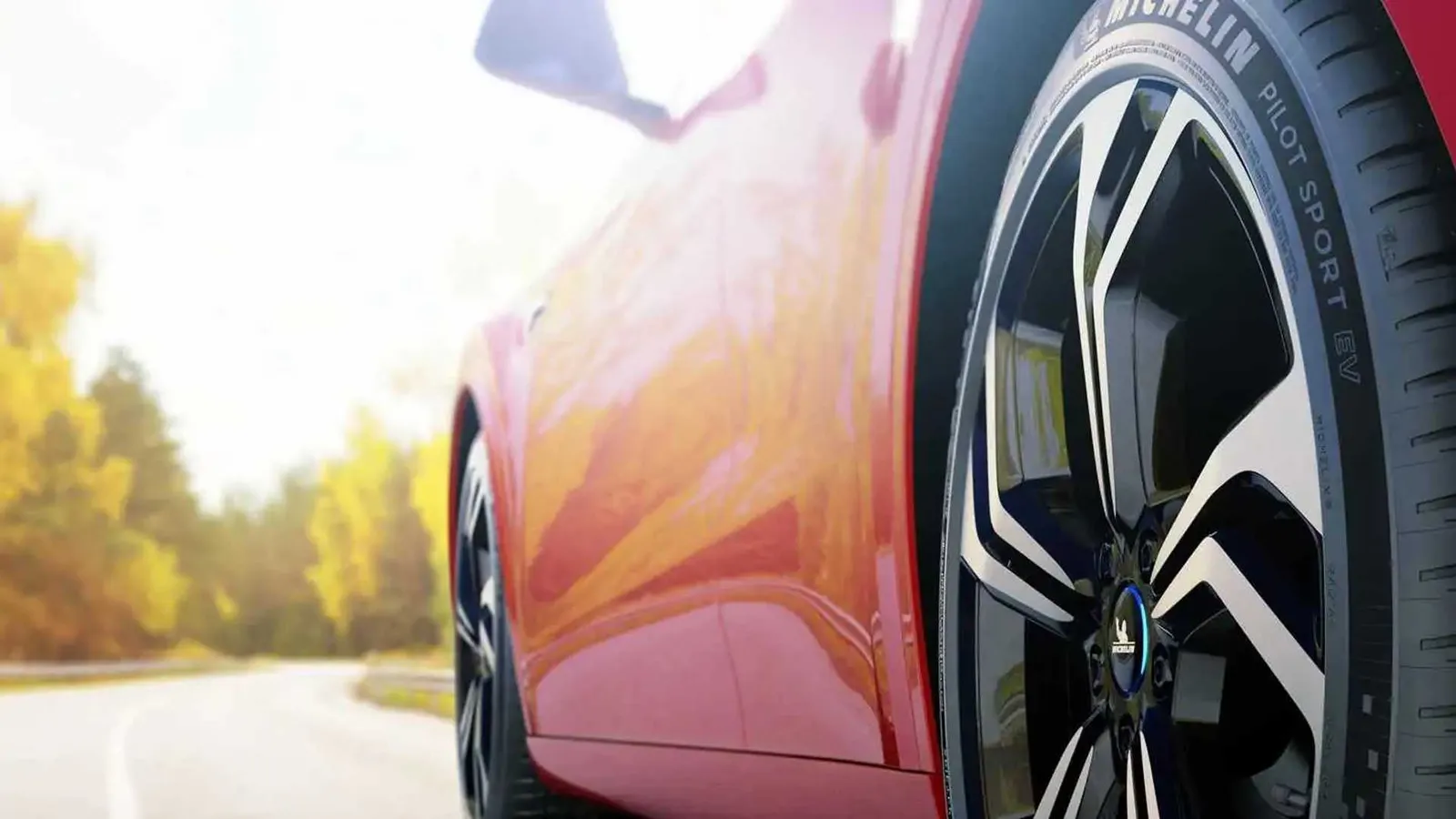
Electric cars eliminate many typical maintenance items compared to gas cars, but common wisdom suggests they may also wear out their tires faster. Some owners discover this expense arrives sooner than expected.
But is this a myth, or do EVs really chew through rubber faster?
Physics sets you up to expect higher wear. EVs are often heavier than comparable combustion cars, and their tires have to deal with that extra mass when accelerating, braking, and cornering. Many also have brutal, instantaneous power delivery that puts extra strain on the tires.
Germany’s ADAC found that both vehicle weight and driving behavior increase wear. The automobile association doesn’t list EVs’ extra torque as a reason for accelerated wear, though. It argues that having enough torque to rearrange your groceries doesn’t mean you actually use it all the time, and it puts more emphasis on driving style as something that can wear tires out faster.
What Does The Evidence Actually Show?
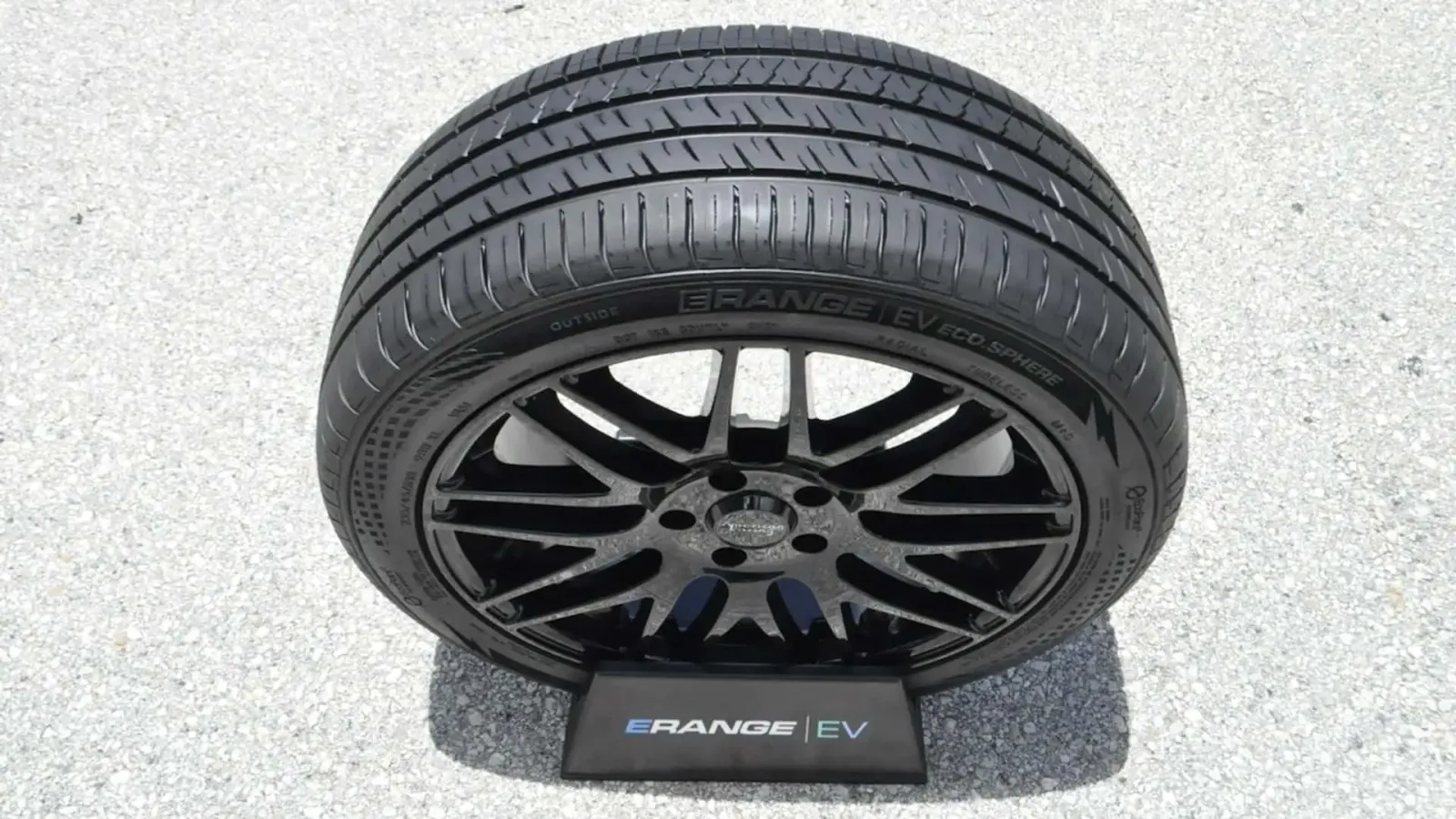
One 2022 study published in Science of the Total Environment provides direct evidence. Korean researchers measured average tread wear of 201.7 milligrams per kilometer for the tested EV, versus 158.9 for the gasoline car and 167.4 for the diesel. That’s approximately 27% and 20% higher, respectively.
This was measured on a controlled 550-kilometer (341-mile) route, so this evidence applies to those vehicles under those conditions, rather than a more general tire-life forecast.
Real-world replacement records also seem to point in the same direction, though. Fleet management company Epyx reported in 2025 that electric company cars received their first tire replacement at an average of about 23,100 kilometers (14,352 miles), versus 29,500 km (18,333 miles) for combustion cars. That’s roughly 22% fewer miles between tire changes.
But this wasn’t a controlled experiment, and it encompasses information from a wide range of cars. Epyx previously acknowledged that its EV sample skewed toward larger vehicles, which wear out their tires faster than smaller cars.
A 2026 study published in Environmental Research compared electric and combustion versions of the same car. On average, it found that EVs released about 31% more particles from their tires and the road, although the results varied considerably. That doesn’t mean its tires wore out 31% sooner, though, since the study measured particles, not how long the tires actually lasted.
A 2026 study published in Mechanika also estimated that EV tires will last 35–62% fewer kilometers than those on combustion cars. However, this again isn’t an apples-to-apples comparison, since the EVs did more city driving on a different route. That makes it impossible to determine how much of the extra wear came from the cars themselves and how much came from where and how they were driven, as you'd expect stop and go driving to be harder on tires than continuous cruising.
Then there's testing carried out by UTAC for the car industry groups ACEA and OICA. It used one electric BMW iX1 and five combustion X1s, which drove together over 15,000 kilometers (9,300 miles).
The iX1 EV lost more rubber per kilometer than the combustion X1. But it was also heavier. Once researchers accounted for that extra weight, the difference largely disappeared, suggesting weight was the main reason for the additional wear in this comparison.
Do EV-Specific Tires Address The Wear Problem?
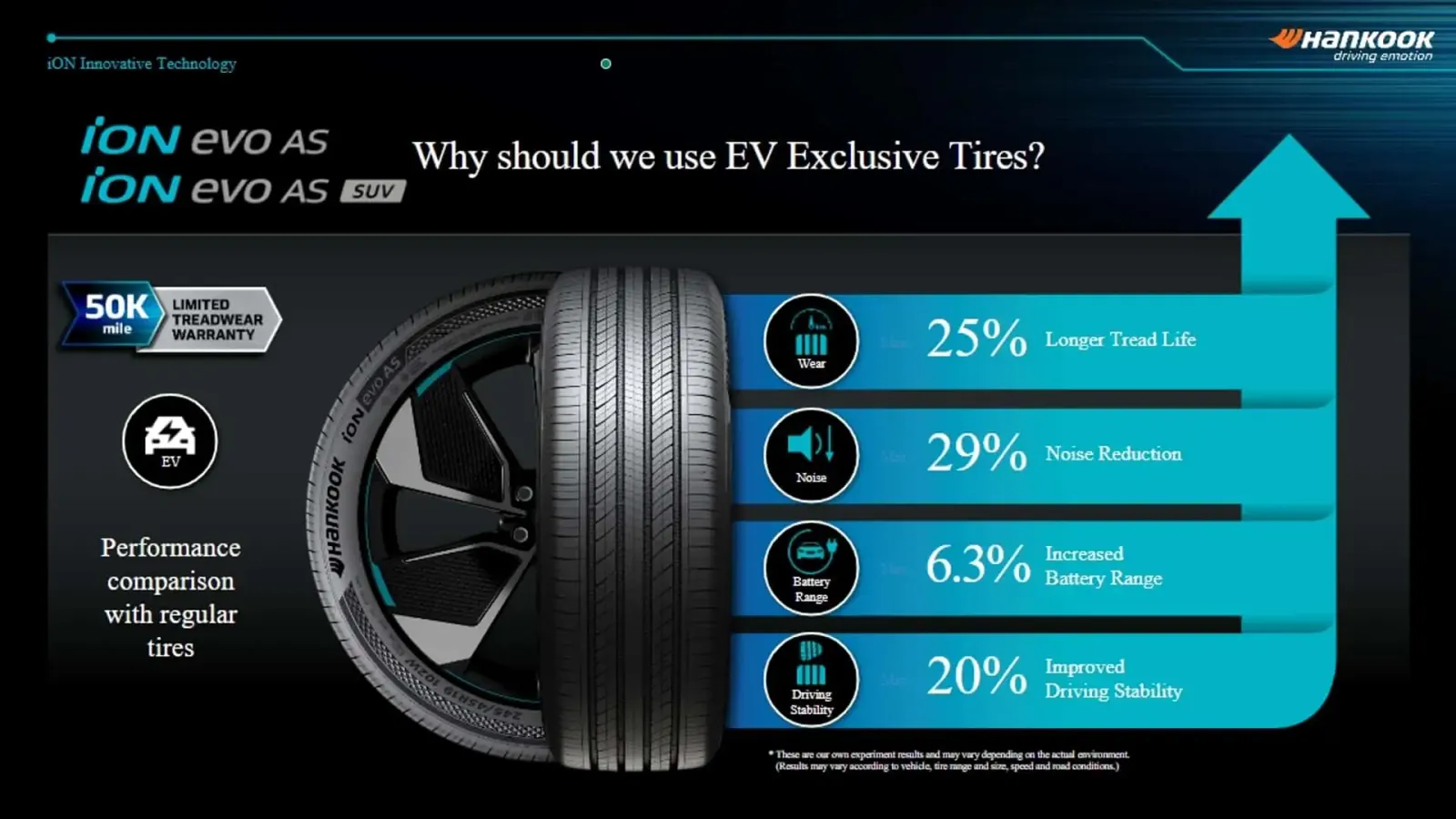
Tires specially designed for EVs address several issues at once. They are built from the start to take EVs’ extra weight. Their compounds and tread designs target durability, while low rolling resistance helps preserve range.
They are also designed to suppress noise, sometimes incorporating acoustic foam inside the tire, since tire roar is a lot more noticeable in an otherwise almost completely silent EV. According to Michelin, these features serve different purposes and, pretty obviously, quieter tires aren’t automatically longer-lasting ones.
Some tire makers say their newer designs help offset the wear demands of EVs. Michelin, for example, reports durability improvements across newer tire lines intended to handle additional weight and torque.
You don’t necessarily need an EV-specific tire, though. ADAC says tires without that marking can be suitable, provided they meet the vehicle’s required specifications, including dimensions and load capacity.
How Do You Make Your EV’s Tires Last Longer?
The practical advice is pretty ordinary, and it mostly revolves around smooth accelerator inputs, maintaining recommended pressures, checking for uneven wear, and following the manufacturer’s rotation guidance where possible.
What do you think?
Tire care guidance from Michelin highlights that driving style and tire rotation intervals can make a significant difference. When buying new tires, look at how long they last, how well they grip and stop, and how they affect your range. EVs can wear tires faster, but the difference varies from car to car. And if you floor it a lot, this will naturally happen sooner.
So the extra wear isn’t a myth, but how much it affects you is unclear. As with any car, how often you buy new tires depends on what you have and how you treat them.