
From a factory running at half capacity to needing more workers: Renault’s huge electric success
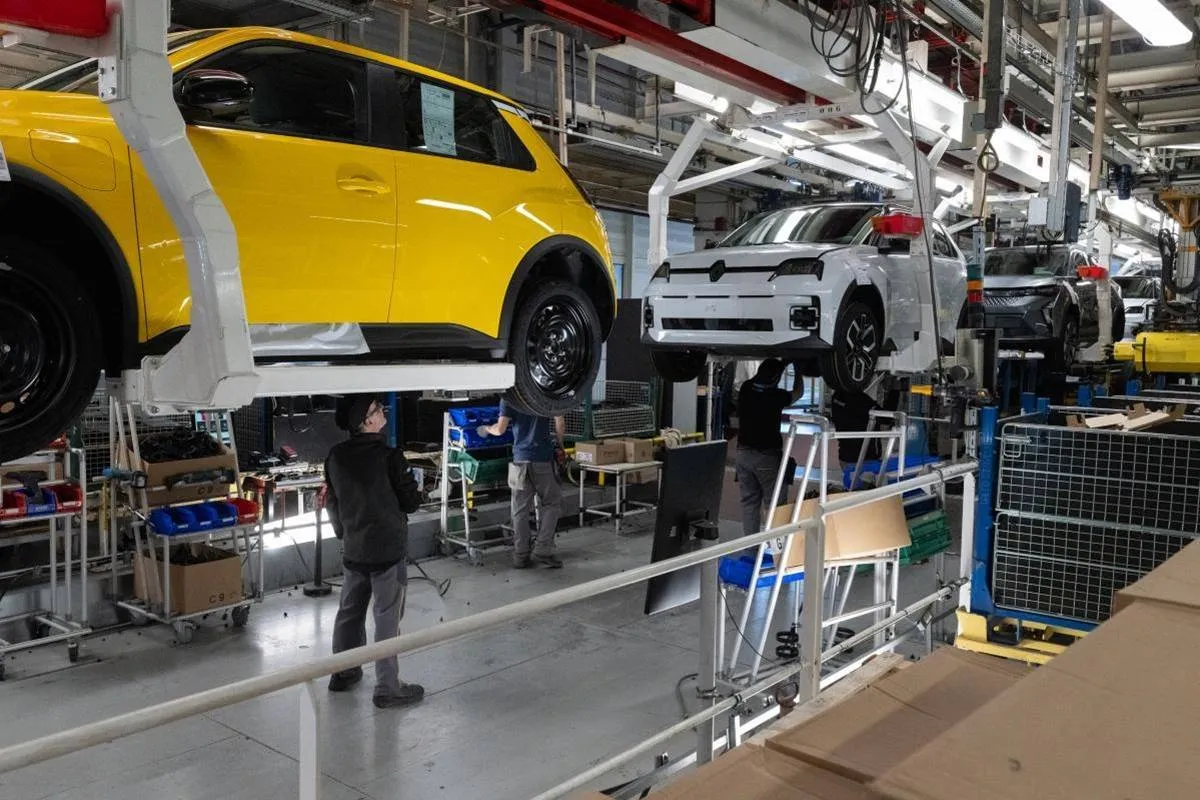
The French factory in Douai has become one of Europe’s key centers for producing electric cars. The success of the Renault 5, along with other models from the brand, has helped restore industrial activity and paved the way for a reorganization that will also have implications in Spain.
Over the past few years, we have become accustomed to reading news about European manufacturers laying off workers, delaying investments, or adjusting their sales forecasts. This situation contrasts with what is happening at one of Renault’s historic factories, where the introduction of a new generation of electric models has allowed it to regain much of the lost activity.
We are talking about Douai in northern France, a facility that has shifted from producing combustion engines to becoming a key part of the group’s electric vehicle strategy. The Renault 5 has been one of the main drivers of this transformation, but not the only one. The production of other models is helping to fill assembly lines that just a few years ago had much less workload.
What’s interesting is that this recovery isn’t limited to registrations or announcements of new models. It is also starting to show up in industrial figures, staffing needs, and Renault’s plans to distribute the production of its future electric cars across different European plants.
Renault’s factory in Douai boosts production
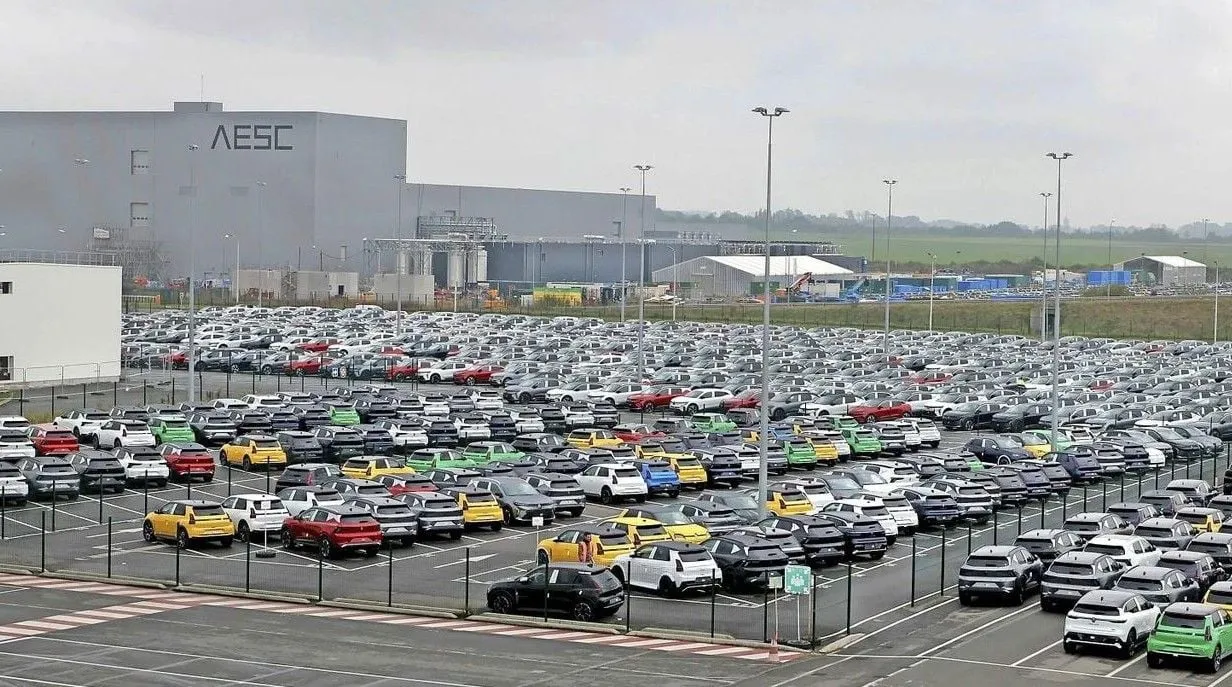
The figures help illustrate the scale of the change. In 2023, the Douai factory produced 50,729 cars, a relatively modest amount for a facility of this size. Two years later, in 2025, production rose to 150,477 units. This represents an accumulated growth of nearly 197%, meaning its output practically tripled in just two years.
Obviously, it must be taken into account that the starting point was particularly low. Douai was undergoing significant industrial transformation, adapting its facilities for electric car manufacturing. But the subsequent growth shows that Renault has managed to substantially increase the utilization of a plant that needed new products to secure its future.
One of the key players in this recovery is the Renault 5 E-Tech, which has become one of the benchmarks in the European compact electric car segment. Its introduction has helped restore production volumes, alongside the manufacturing of the Renault Scénic E-Tech, Mégane E-Tech, and other models that share part of its industrial infrastructure.
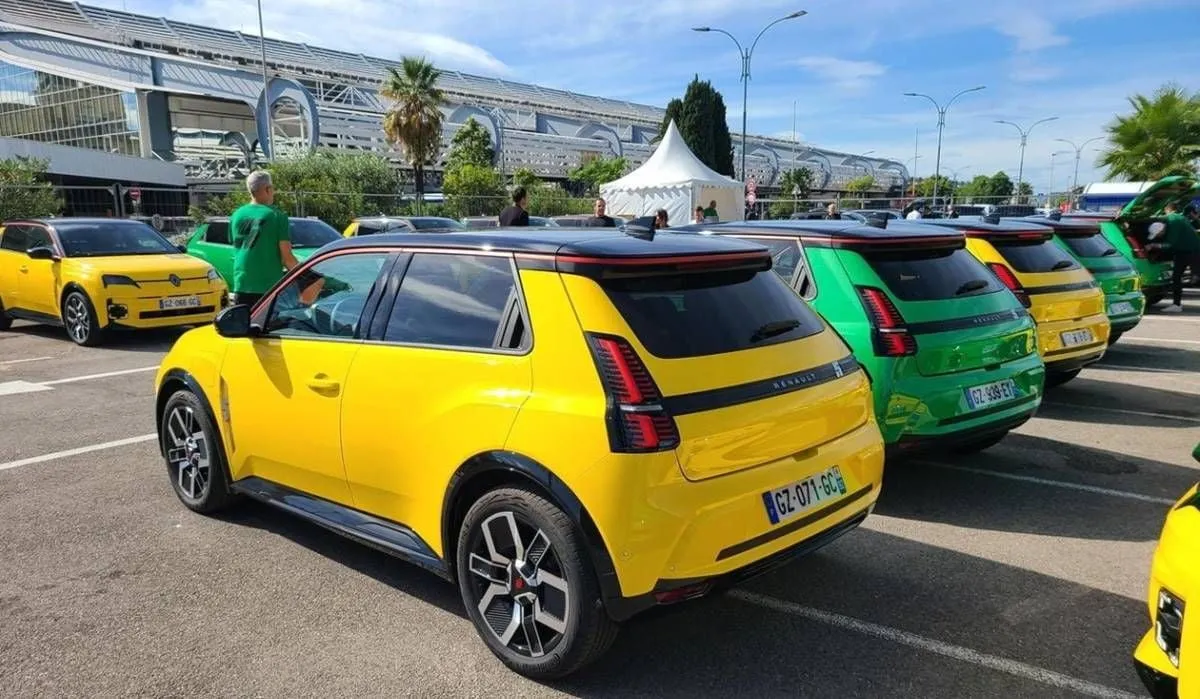
The demand has prompted Renault to consider restoring the three production shifts at Douai, a measure we learned about at the end of September. At that time, the goal was to enhance the factory’s ability to respond to rising orders, aiming for a production volume of 1,200 units per day. This figure should be viewed as an industrial target rather than a volume that has already been consistently achieved.
But there is another aspect worth highlighting. The success of the Renault 5 does not hide a positive development in the brand’s other electric models. In France, during the first eight months of 2026, registrations of the Scénic increased by 88.6%, while those of the Mégane rose by 82.3%. The Renault 5, on the other hand, saw a 39.5% increase.
These figures show how Renault is managing to expand its presence in the electric vehicle market with products from different segments. This is especially important for a factory like Douai, which needs to maintain a high production volume for several years to recoup the investments made in its transformation.
The success of Renault’s electric cars will also have consequences in Spain.
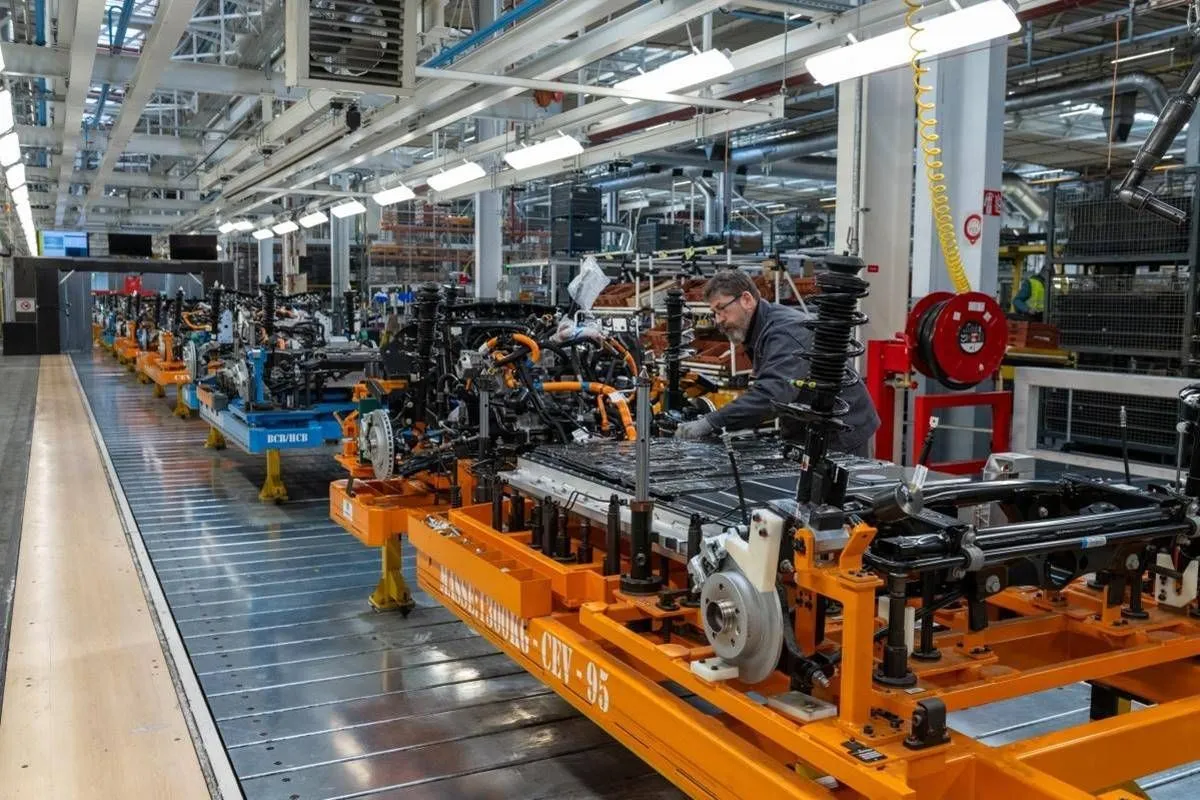
The industrial revival in Douai offers another interesting perspective. The factory no longer relies solely on Renault models but also produces cars for other brands in the alliance and its partners. The Alpine A290, the electric Nissan Micra, and the electric Mitsubishi Eclipse Cross are assembled there. This strategy allows for shared facilities and better utilization of existing investments.
In 2025, the Renault 5 accounted for the largest share of the brand’s reported production, with 87,522 units. The Scénic contributed another 35,687, the Mégane 17,660, and the Alpine A290 a total of 9,608. These figures, published by Renault, add up to 150,477 cars, though they do not include details of all models manufactured for its partners. Therefore, the total volume produced was slightly higher.
The significance of the Renault 5 becomes even clearer when looking at the production rates reported by the company itself. When Renault celebrated the 100,000th unit produced of this model, it explained that Douai was assembling around 900 cars per day, of which approximately two thirds were the compact version. This proportion explains why any change in demand for it has a direct impact on the factory’s operations.
This is compounded by growth in the French market. In September 2026, electric cars accounted for 53.5% of Renault’s passenger car registrations in France. During a business weekend in October, that proportion rose to around 60%. This represents a significant shift for a manufacturer that still relies on combustion and hybrid models in much of its markets.
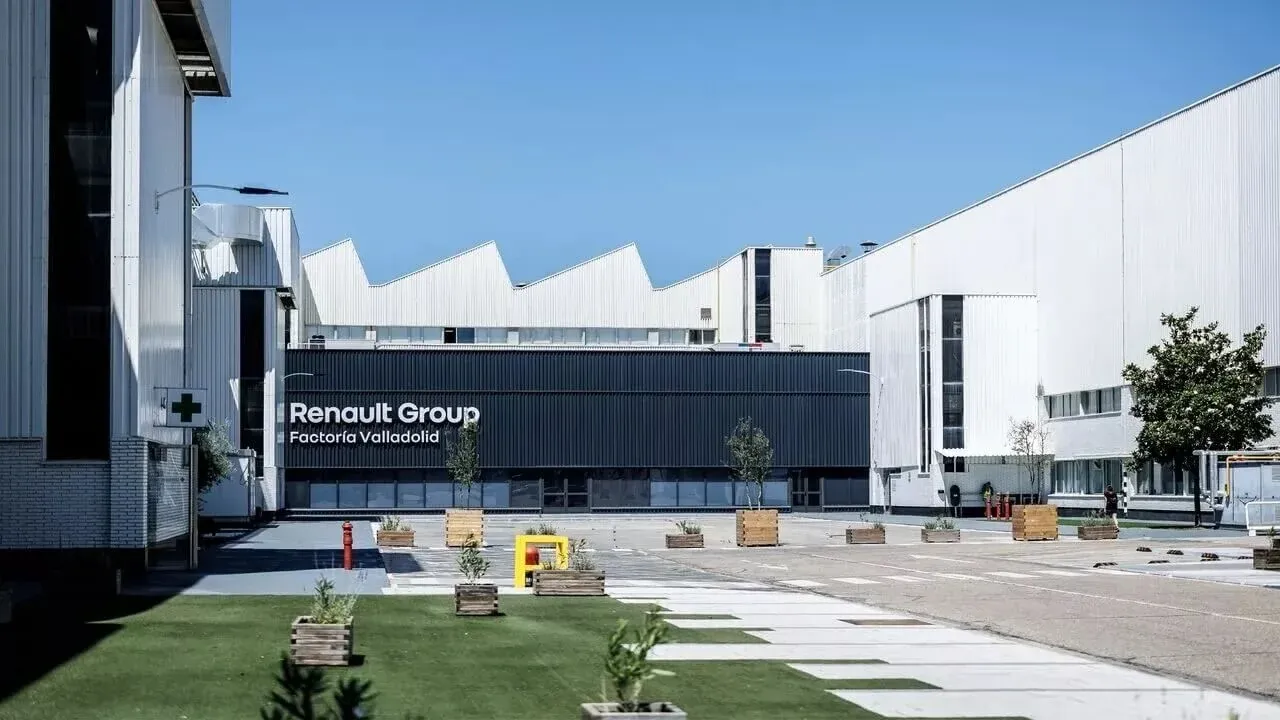
But Renault’s next industrial move also targets Spain. The group has announced an investment of 600 million euros between 2026 and 2030 to transform its Spanish facilities, especially those in Valladolid and Palencia. The plan includes five new models, two of which are electric C-segment vehicles, along with a new battery assembly line.
The main focus will be the factory in Palencia, which will adopt the RGEV Medium 2.0 platform, developed for the group’s next generation of electric cars. This architecture will enable the use of 800-volt systems, longer driving ranges, and significantly faster charging times. Its introduction will mark a milestone for Renault, as the company will begin manufacturing electric cars in Spain for the first time in its 75 years of industrial presence in the country.
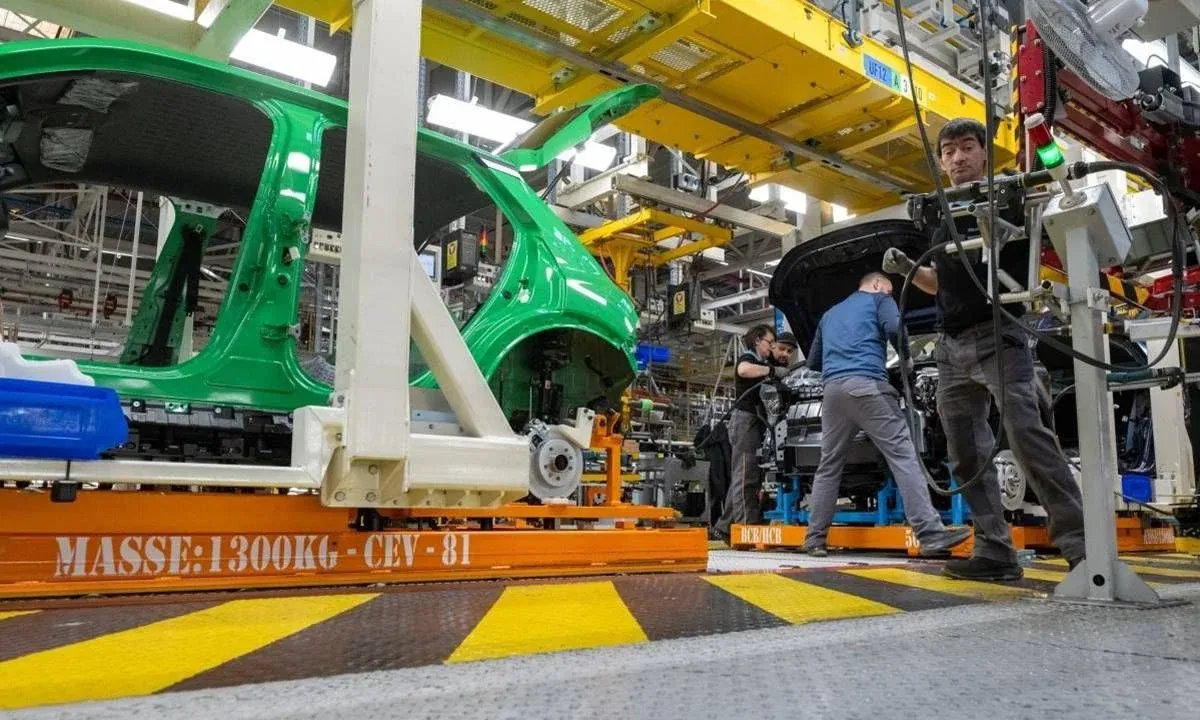
Among the models affected by this industrial reorganization is the next generation of the Renault Scénic, whose production will take place in Palencia starting in 2028. If this assignment is confirmed, Douai could free up capacity to focus on other higher-volume models, while Spain would handle part of Renault’s new electric generation.
What is happening in Douai shows that the transition to electric cars does not necessarily mean less industrial activity in Europe. Renault has managed to restore production volume at a historic factory, create new hiring needs, and use its facilities to produce models for various brands. Now it wants to extend this transformation to Spain.