
Five alternatives to the best-selling car in Portugal
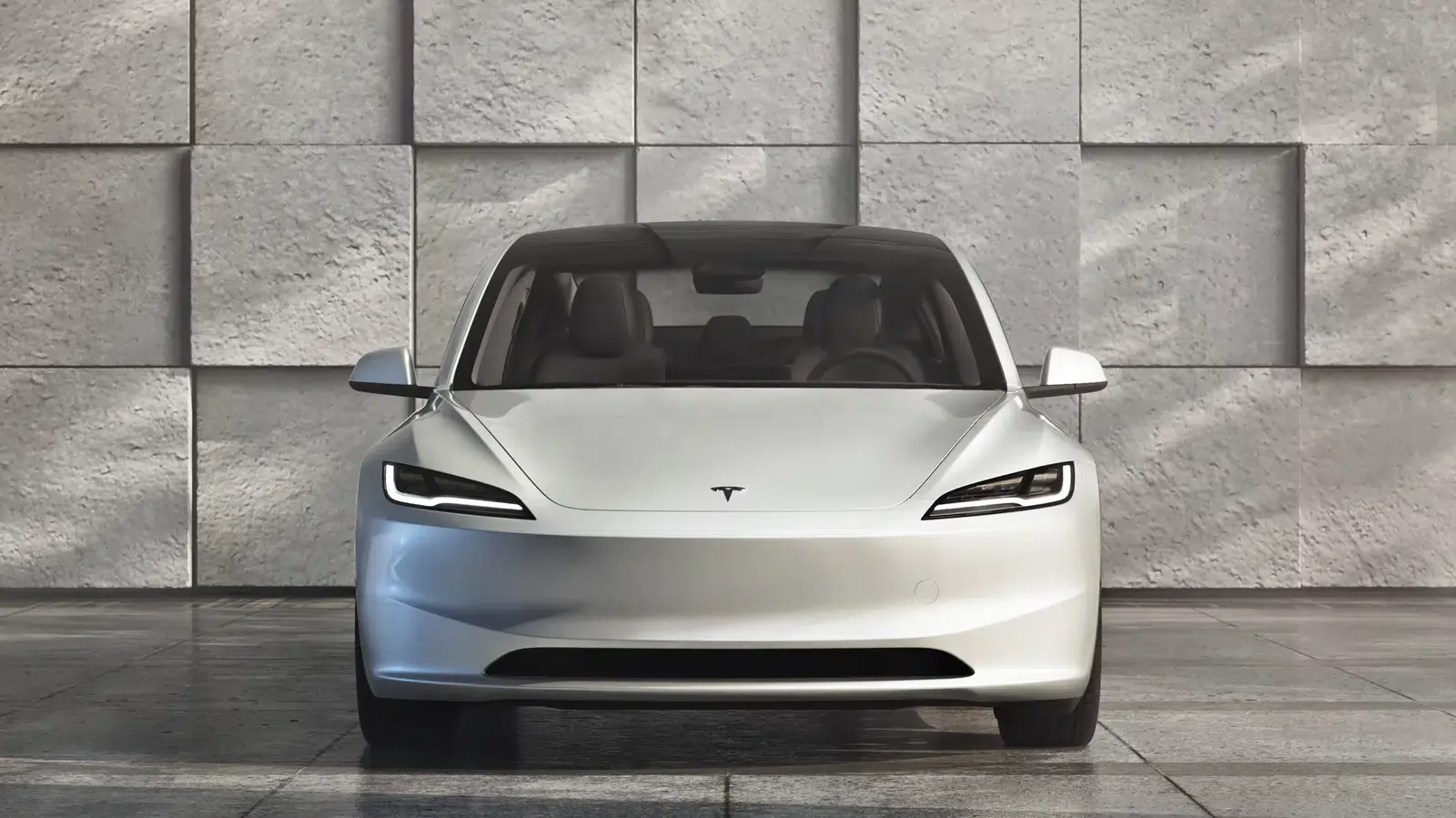
The Tesla Model 3 has been the king of electric car sales in Portugal, but there are other options beyond this American sedan.
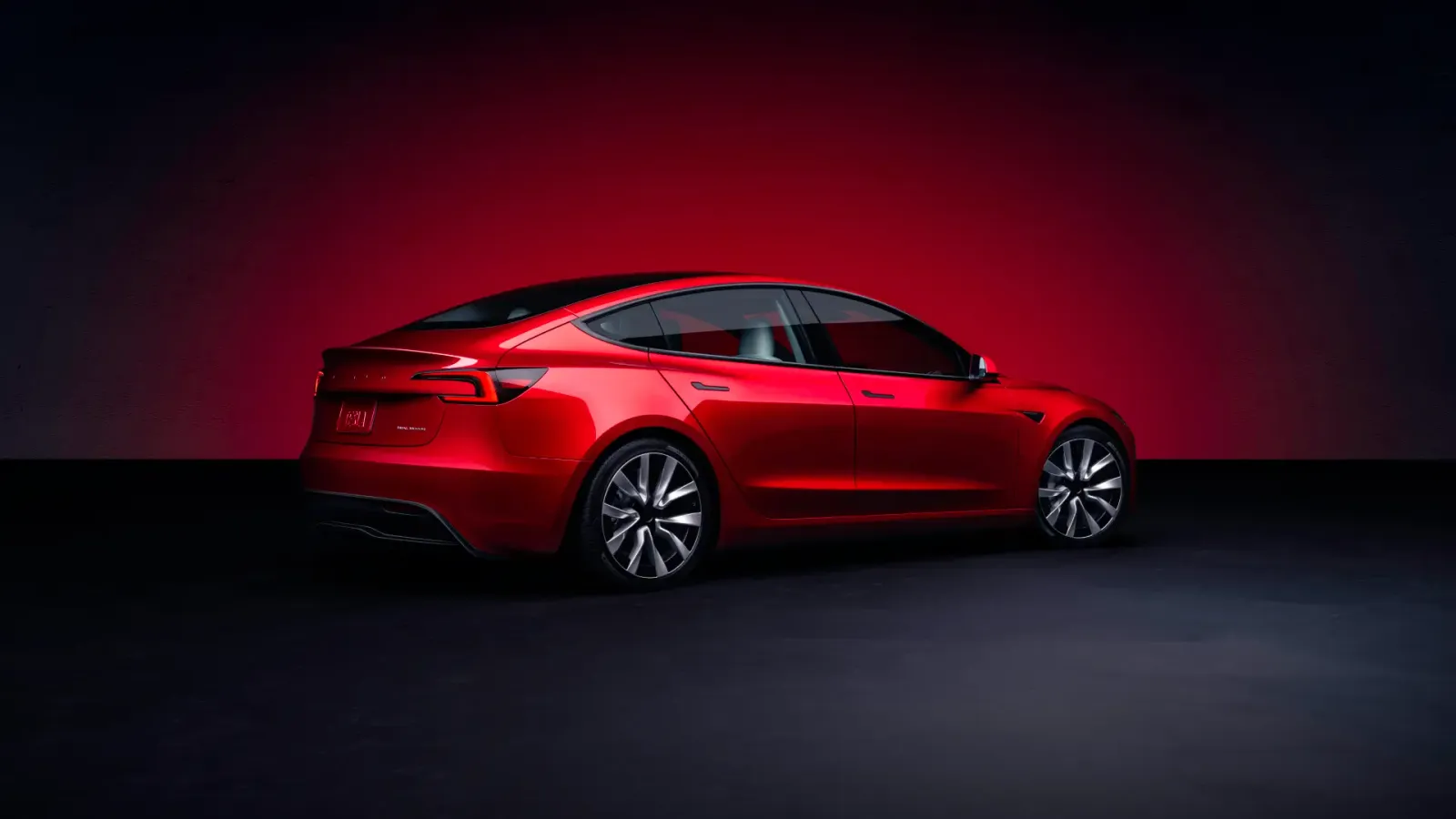
The Tesla Model 3 is by far the best-selling electric car in Portugal. From January to October, 6,119 units were registered in the country, leaving the second-best seller far behind—also a Tesla, the Model Y.
Starting at 36,990 euros, this American sedan is the most affordable option in its segment, but it has other advantages as well. It features one of the most efficient powertrains, resulting in ranges of up to 750 kilometers for the rear-wheel-drive Long Range version. And this is with a battery capacity of only 79 kWh.
But since not everyone likes the color yellow, we’ve gathered the best alternatives to the Tesla Model 3 in this buying guide. They don’t all come from the same part of the world, but they share one important feature: high range.
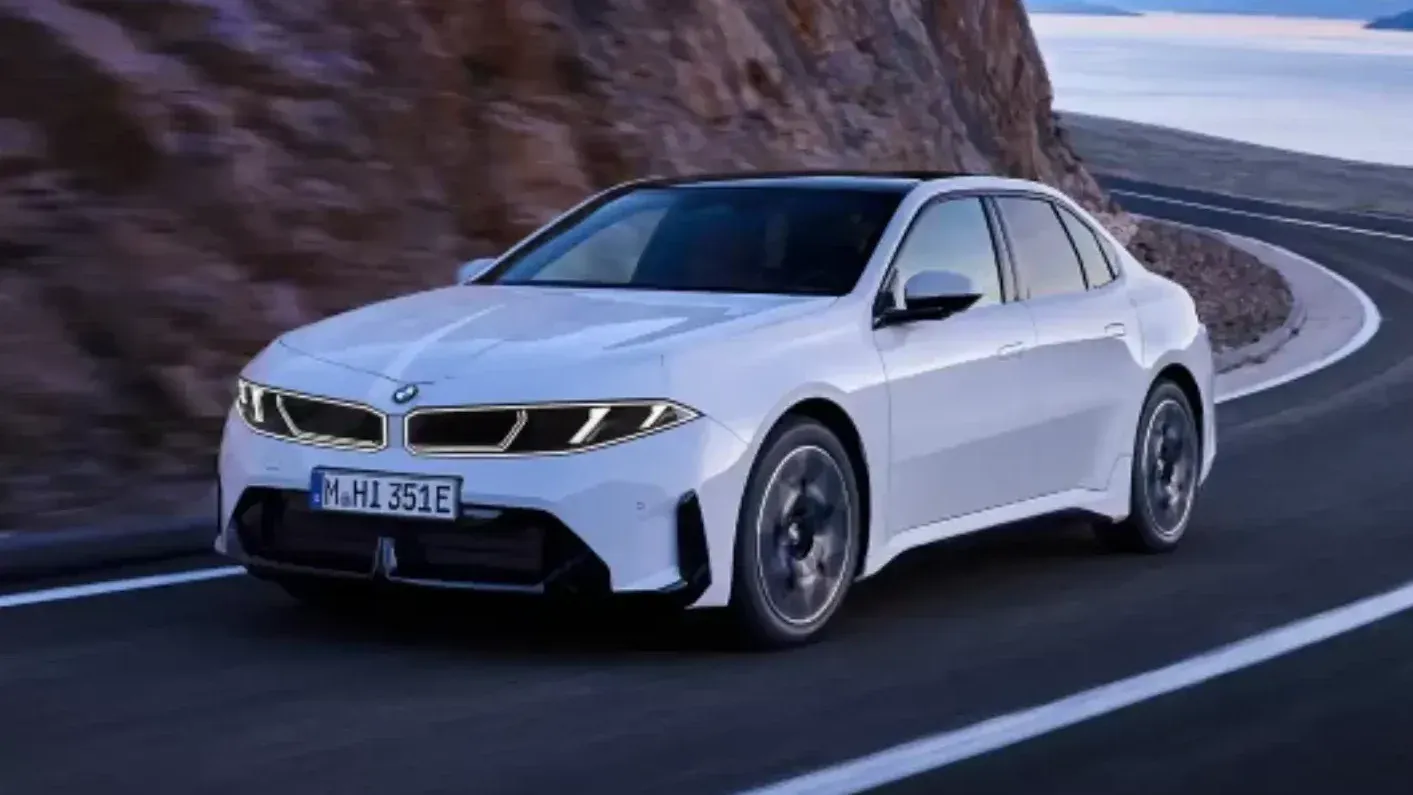
BMW i3 — up to 912 km of range
Don’t confuse this BMW i3 with the model released in 2013. The i3 we’re discussing here is the first all-electric BMW Series 3, built on the new Neue Klasse platform that will power the brand’s next generation of electric vehicles over the coming decade.
Currently available in the i3 40 xDrive and i3 50 xDrive versions, both rely on two electric motors, with the main differences lying in power and battery capacity.
The current model offers a combined maximum power of 275 kW (374 hp) and 520 Nm, equipped with an 82.8 kWh battery. The i3 50 xDrive, on the other hand, delivers 345 kW (469 hp) and 645 Nm, powered by a significantly larger battery pack of 108.7 kWh.
In both cases, the range remains the same: very long. Specifically, it ranges up to 710 km for the i3 40 xDrive and up to 912 km for the i3 50 xDrive. The latter far exceeds the range of the Tesla Model 3. Additionally, thanks to its 800 V architecture, it supports DC fast charging at up to 300 kW and up to 400 kW respectively.
But everything has a price, and the electric Series 3 is substantially more expensive than the Model 3: prices start at 59,500 euros, nearly 11,000 euros higher than the Model 3 Long Range all-wheel-drive version. The BMW i3 50 xDrive, on the other hand, starts at 65,500 euros.
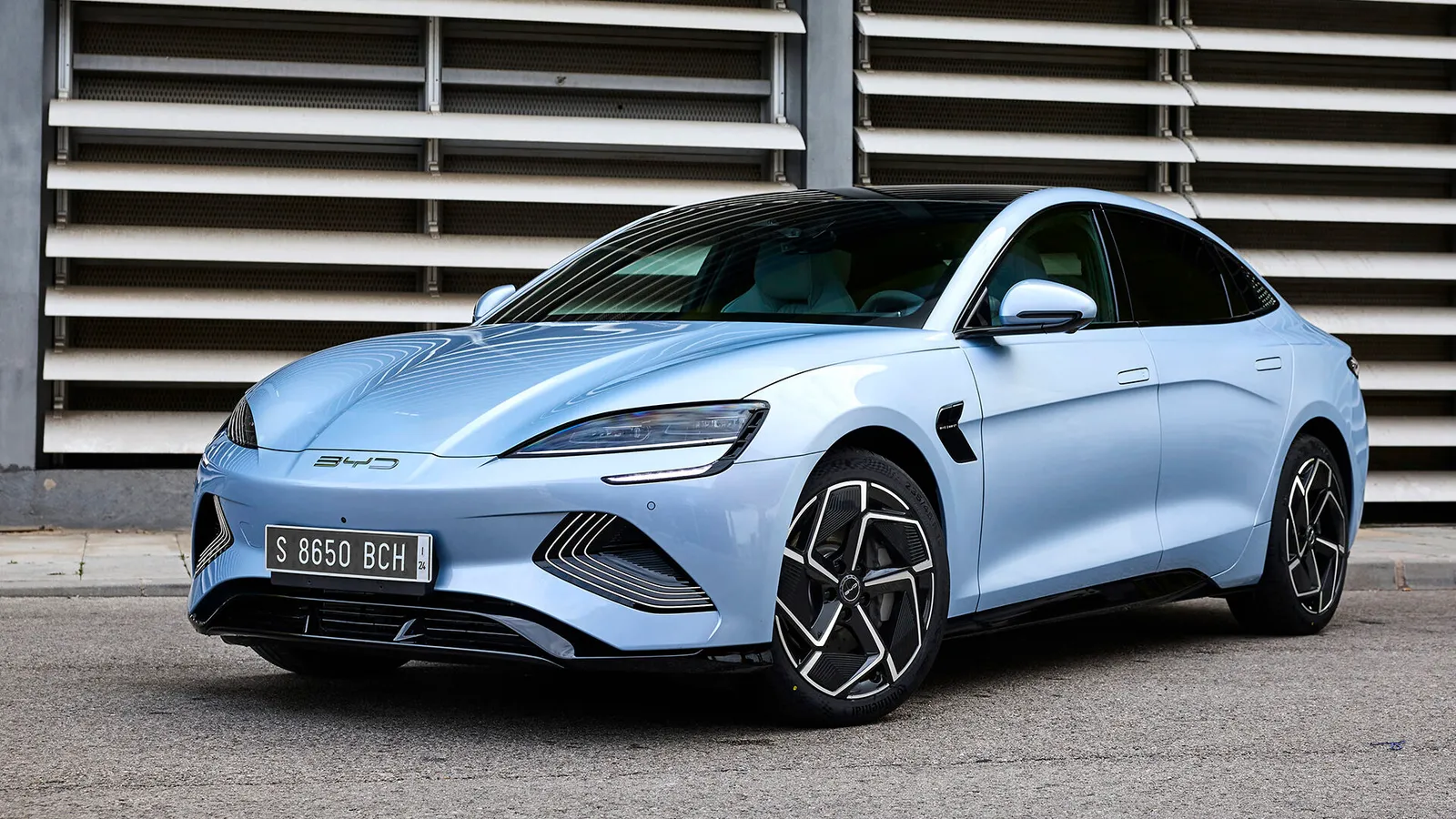
BYD Seal — up to 570 km of range
The BYD Seal is the Chinese brand’s executive sedan, which entered the market in 2024. With its sleek and even elegant design, the Seal is available in two versions — Design and Excellence AWD — with prices starting at 49,000 euros, about 12,000 euros more expensive than the most affordable version of the Model 3.
If maximum range is your top priority, the BYD Seal Design is the choice for you. This version boasts up to 570 km of range between charges, thanks to the 82.5 kWh Blade Battery with LFP chemistry, which powers a 230 kW (313 hp) rear electric motor.
The Seal Excellence AWD, on the other hand, is aimed at customers seeking higher performance. It uses the same battery but powers two motors—one per axle—delivering a total power of 390 kW (530 hp). In this case, the range drops to 520 km, and the price rises to 53,000 euros.
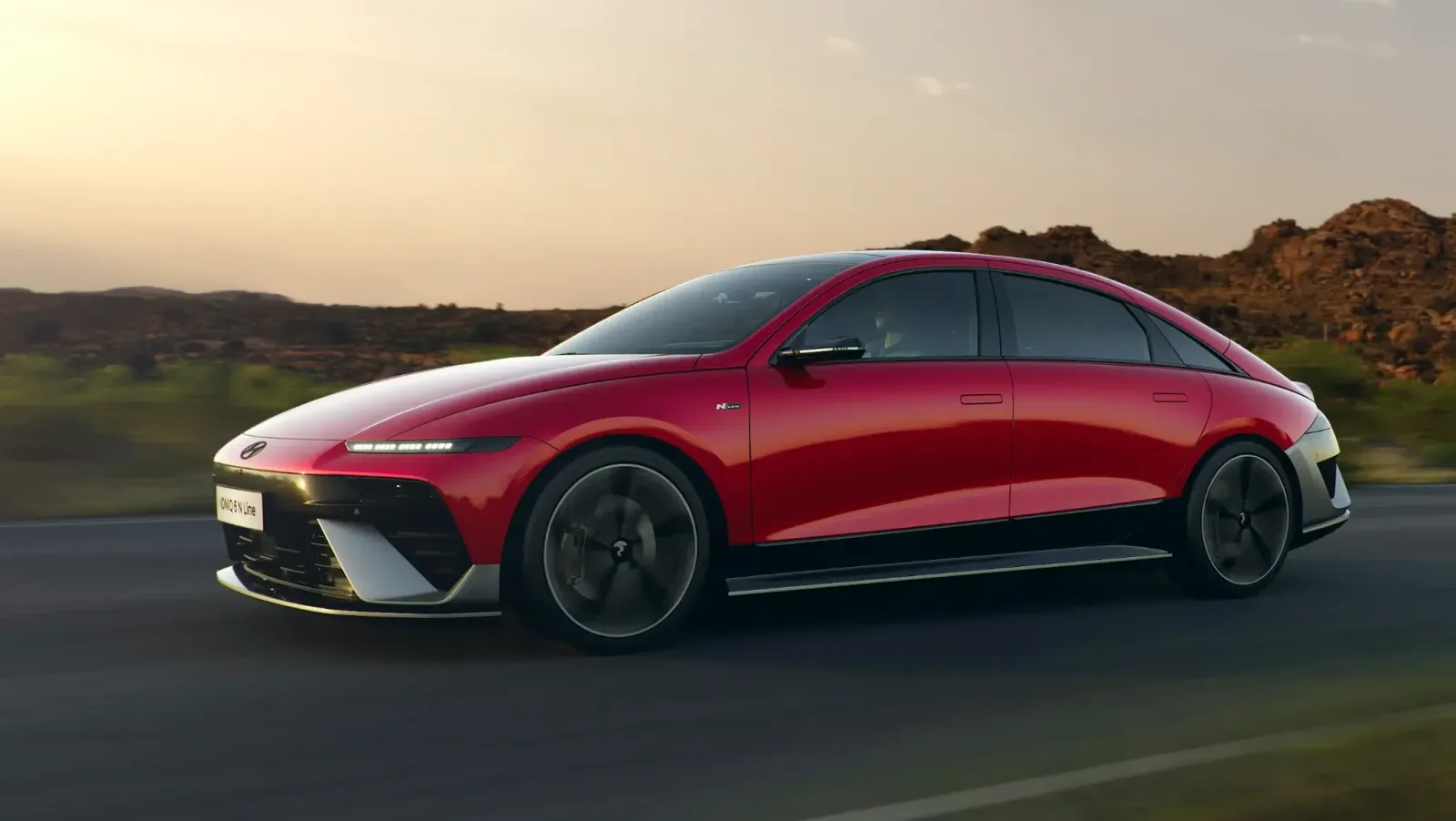
Hyundai IONIQ 6 — up to 680 km of range
Without leaving the Asian continent, Hyundai also offers one of the most competitive alternatives to the Model 3 in its lineup: the IONIQ 6. This South Korean sedan was launched in 2022 and updated in 2025.
It stands out for its design, which draws inspiration from the streamlining of the 1930s, with a focus on aerodynamics — its 0.21 Cx value is among the lowest in the industry. Combined with new higher-density batteries, this Hyundai’s greatest advantage lies in its range.
Depending on the version, the South Korean sedan is equipped with 63 kWh or 84 kWh batteries, offering ranges of 520 km to 680 km per charge, respectively. Its power outputs range from 125 kW (170 hp) to 168 kW (229 hp), which is lower than that of the Model 3 and most other models on this list.
But we must not forget there’s also the IONIQ 6 N, a high-performance “monster” with 650 hp that even pretends to have a combustion engine.
As for prices, the Hyundai IONIQ 6 is available starting at 47,187 euros or 57,240 euros when equipped with the larger battery capacity.
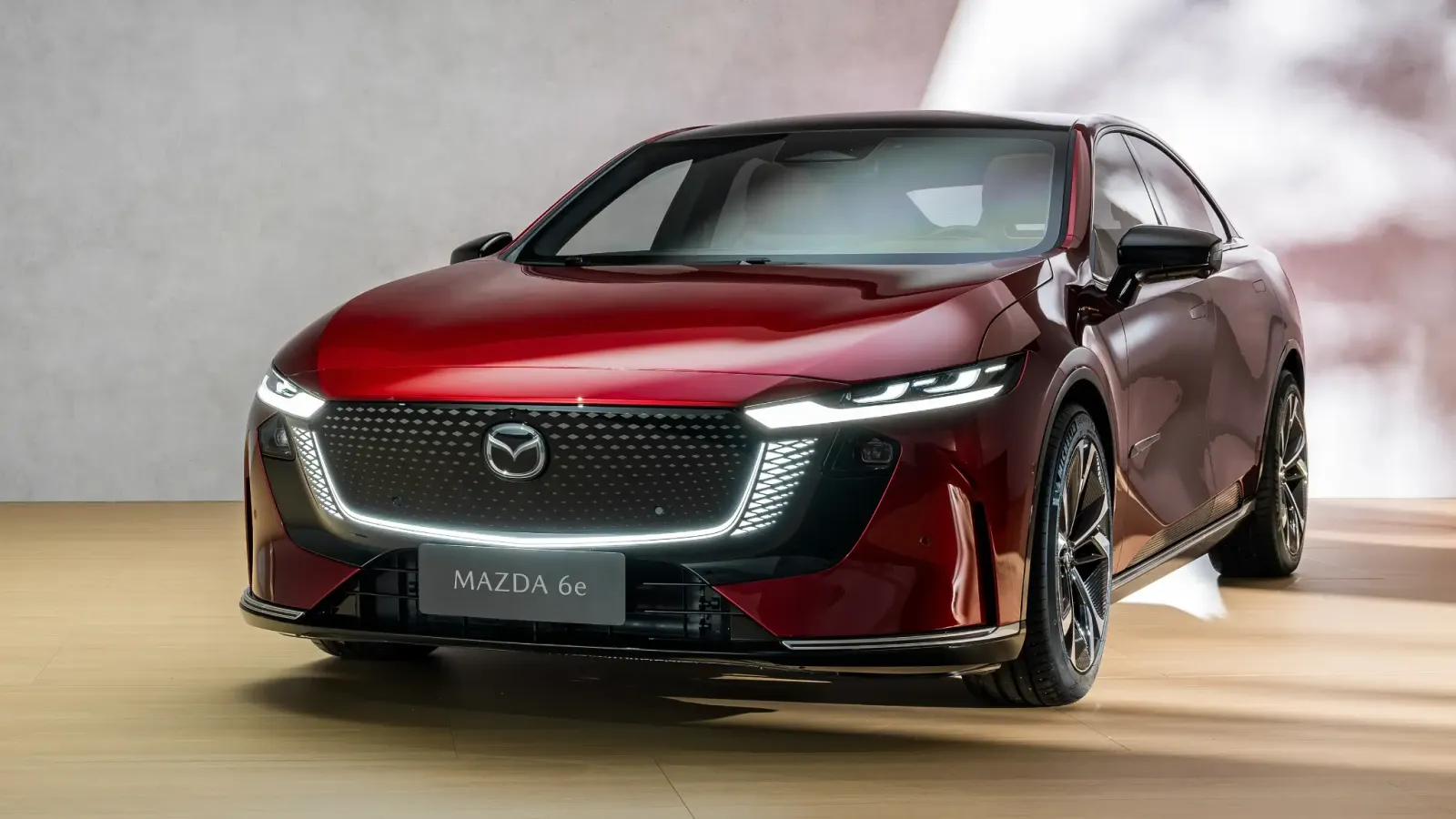
Mazda 6e — up to 552 km of range
The Mazda 6e entered the market in 2025 as a result of a joint venture between the Japanese automaker and the Chinese company Chongqing Changan Automobile. This means that, aside from its appearance, the Mazda 6e and the Deepal SL03, its Chinese counterpart, share more similarities than it might seem.
That said, Mazda has made notable efforts to distinguish itself from the Changan model, both in terms of exterior design and interior features, offering a unique design and specific materials. The quality also meets the standards to which the brand has accustomed us.
In Portugal, the Mazda 6e is available in three trims — Takumi, Homura Plus, and Takumi Plus — but all use the same powertrain, which combines a rear electric motor producing 190 kW (258 hp) with a 78 kWh battery, delivering a range of up to 560 km.
Regarding prices, this listing’s offer is the closest to the approximately 40,000 euros asked by the Tesla Model 3, with prices starting at 42,510 euros.
ADVERTISING
I want a cheaper electric car
At Pisca Pisca, there are over 840 electric cars with prices up to 20,000 euros.
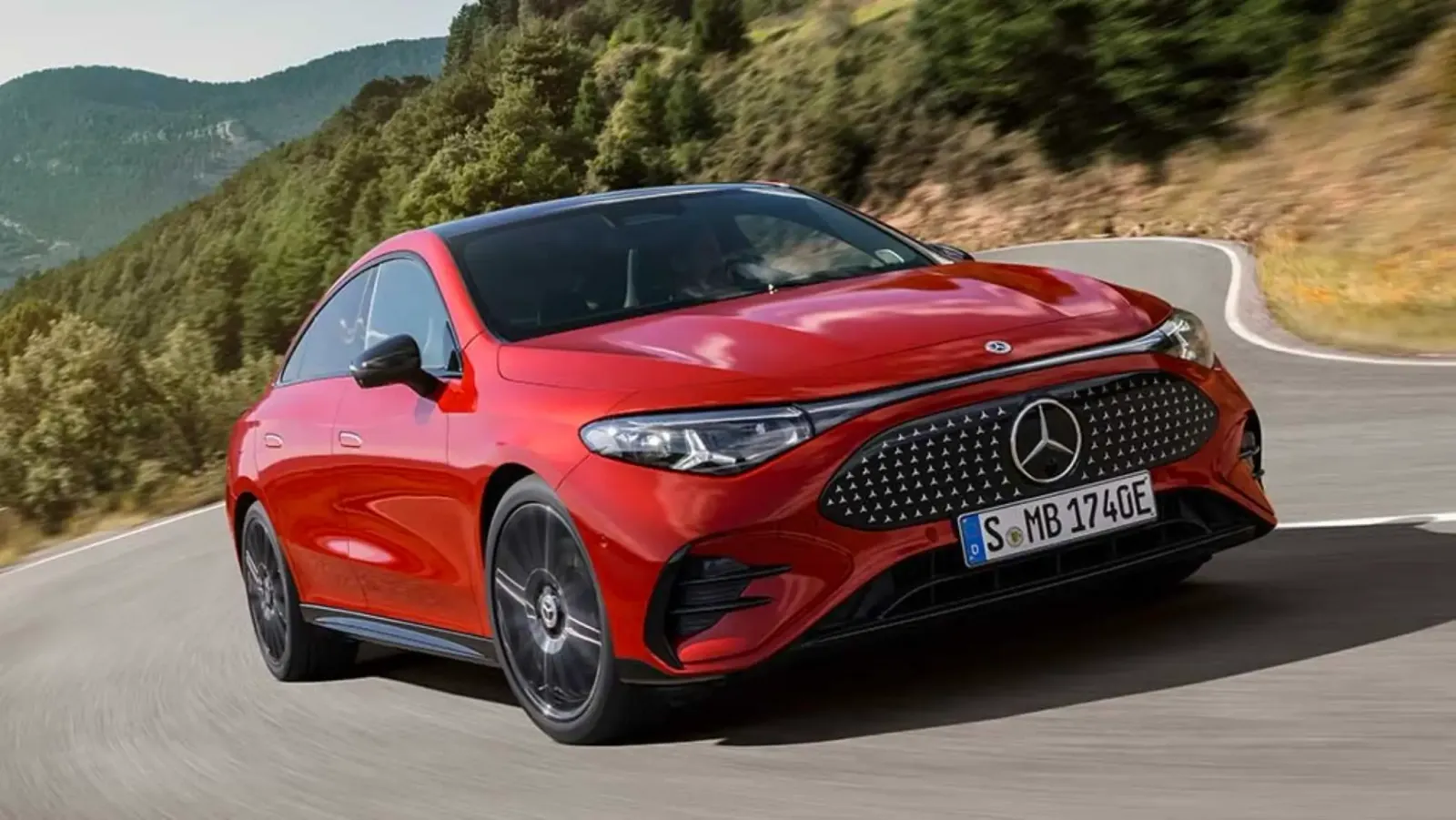
Mercedes-Benz CLA — up to 792 km of range
Following the BMW i3, the new Mercedes-Benz CLA is the second electric car in this buying guide to have the longest range. This German sedan is available in three versions — 200, 250+ and 350 4MATIC — and can be equipped with 58 kWh or 85 kWh batteries, along with one or two motors.
Access to this range is provided by the CLA 200, which features a battery with lower capacity paired with a less powerful rear electric motor: 165 kW (224 hp) and 335 Nm of torque. Despite the battery’s modest 58 kWh capacity, the manufacturer claims up to 541 km of range between charges, reflecting the high efficiency of this German sedan.
To achieve this, in addition to its low aerodynamic resistance — a Cx value of 0.21, similar to that of the IONIQ 6 — the CLA incorporates unusual solutions such as a two-speed gearbox connected to the rear motor, which helps reduce consumption at higher speeds.
However, the CLA version with the greatest range, offering up to 792 km in WLTP cycle, is the 250+. It combines a larger battery with 85 kWh of capacity with a slightly more powerful rear electric motor, delivering 200 kW (272 hp) and 335 Nm of torque.
At the top of the range is the CLA 350 4MATIC. It features all-wheel drive thanks to an additional electric motor on the front axle, delivering 260 kW (354 hp) of power and 515 Nm of torque. This doesn’t affect its range, which reaches up to 769 km. Recently, it also received an AMG version with 680 hp:
Of course, the prices are in line with what’s expected from Mercedes-Benz. The new CLA starts at 49,450 euros, with the 250+ version, which has the longest range, beginning at 56,200 euros.
It is also, for now, the only model available in a station wagon version, the Shooting Brake. This version will also be offered by the BMW i3.