
Don’t the Chinese have an advantage? Germans compared 115 electric car engines
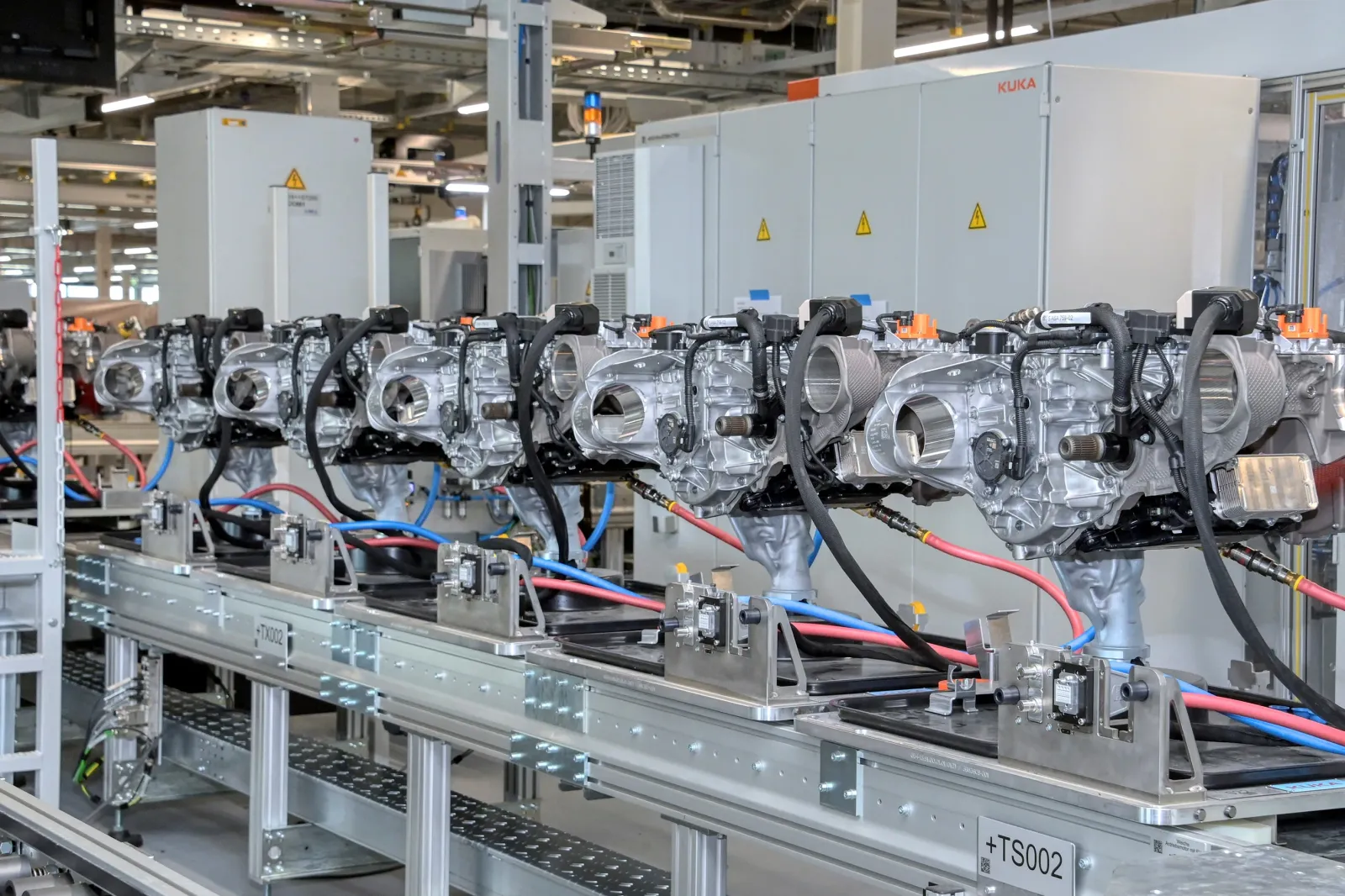
In the article:
- Chinese, European, and American drives are surprisingly similar
- The power density of electric motors has increased by nearly 45 percent.
- New drives achieve over 20,000 revolutions per minute and are becoming smaller and more efficient
Germany examines global electric mobility
In discussions about electric cars, the question often arises as to whether Chinese manufacturers have truly surpassed competitors in terms of drive technology. Scientists from RWTH Aachen University, one of Europe’s most renowned technical universities, set out to find answers.
The study published in the scientific journal Energies covered 115 electric motors from 80 car models produced between 2019 and 2025. Although the main focus was the Chinese market, the analysis was supplemented with data on the designs used by European and American manufacturers, according to the research methodology.

The conclusion comes as a surprise to many industry observers. As the study’s authors emphasized, “electric drive systems from the three analyzed markets differ little in terms of fundamental architecture.” This applies to aspects such as the design of housings, the geometry of rotors and stators, and the cooling concepts used in newer generations of drives.
Differences lie in the details
The researchers point out that the advantage of certain manufacturers today does not stem from radically different technical concepts. Instead, materials and the way specific structural elements are implemented play a crucial role. Engine housings are an example—Chinese manufacturers increasingly use magnesium alloys, which help reduce the system’s weight. European companies, on the other hand, remain more reliant on aluminum.
Differences are also evident in the design of power rails. Chinese companies more often use powder-coated solutions, while European manufacturers opt for more complex structures in which several copper rails are integrated with polymer components, according to researchers.
This shows that competition is no longer focused solely on driving parameters but also on production costs, vehicle weight, and ease of installation. Ultimately, these details determine the final cost of the powertrain as well as the entire vehicle, explains Mikołaj Krupiński from the Institute of Road Transport.
More power per kilogram
One of the most interesting findings of the study is the dynamic increase in power density of permanent magnet synchronous motors. According to the authors, the average value rose from 1.68 kW/kg in 2019 to 2.43 kW/kg in models from 2024–2025. This represents an improvement of nearly 45 percent.
A key factor here was the increase in rotational speed. From 2020 to 2022, most of the analyzed drives reached maximum speeds of 8,000 to 17,000 revolutions per minute. Nowadays, designs operating at speeds exceeding 20,000 revolutions per minute are becoming increasingly common, with record-breaking systems reaching up to 30,500 revolutions per minute.
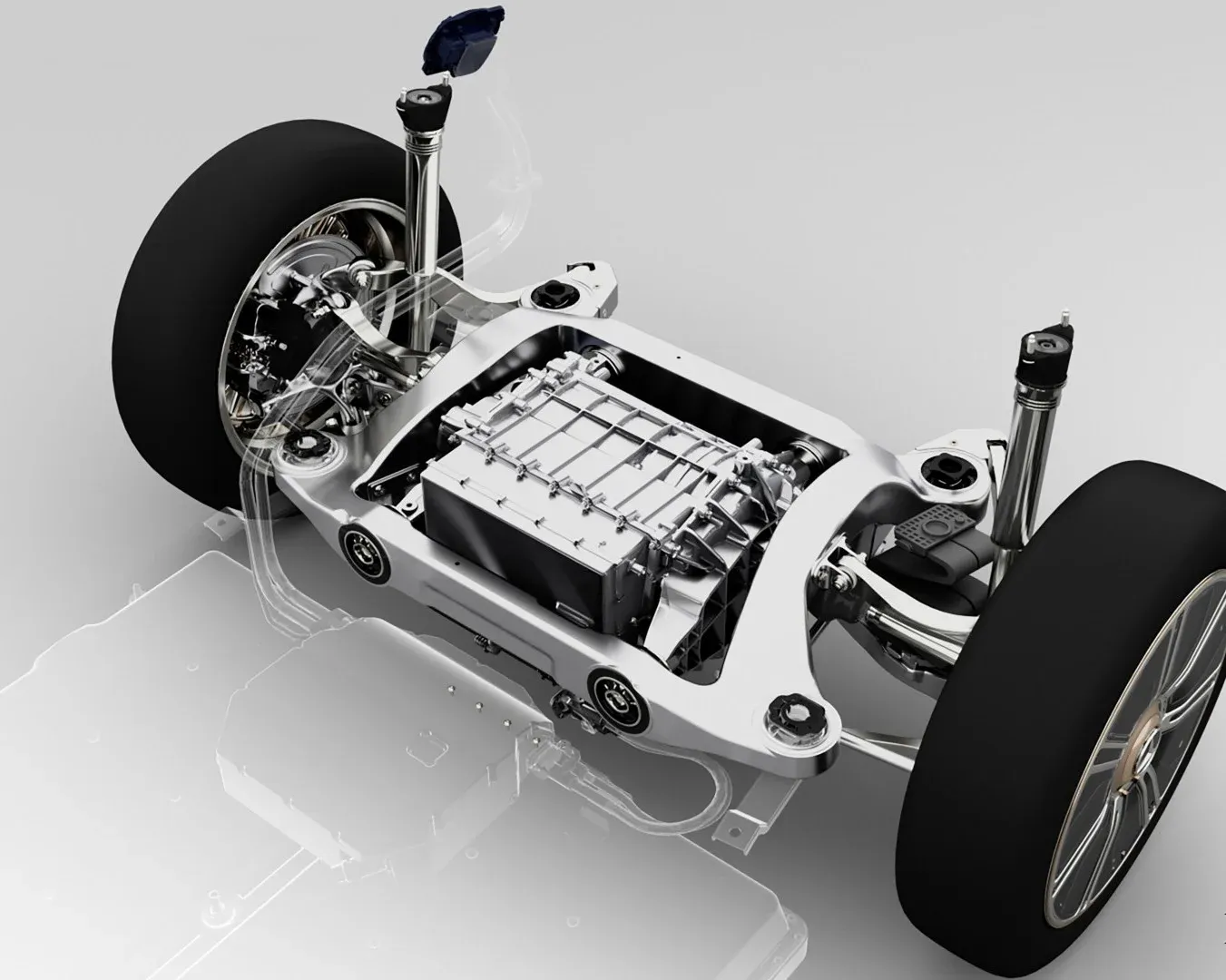
As scientists note, higher rotational speeds allow for smaller diameters of the rotor and stator, thereby reducing material consumption. However, this does not always result in smaller drives. Some manufacturers utilize this additional potential to improve performance and the maximum speed of their vehicles.
A new era of cooling is coming
The approach to temperature management is also changing. Older designs primarily relied on conventional water jackets. In modern drives, direct oil cooling systems for the rotor and stator are increasingly used. Experts believe such solutions enhance heat dissipation but also require greater manufacturing precision and more advanced sealing systems. It is in these areas that the technological competition among manufacturers is increasingly taking place, according to Electrive.com.
China’s advantage is not obvious
It is undisputed that China remains one of the key drivers of electric mobility development, but it does not follow a completely separate technological path. The authors of the report also emphasize that no fundamental differences have been observed between the propulsion systems developed in China, Europe, and the United States. In short, Europe is not at a disadvantage.
Oskar Włostowski