
China accelerates influx of hybrids to Europe
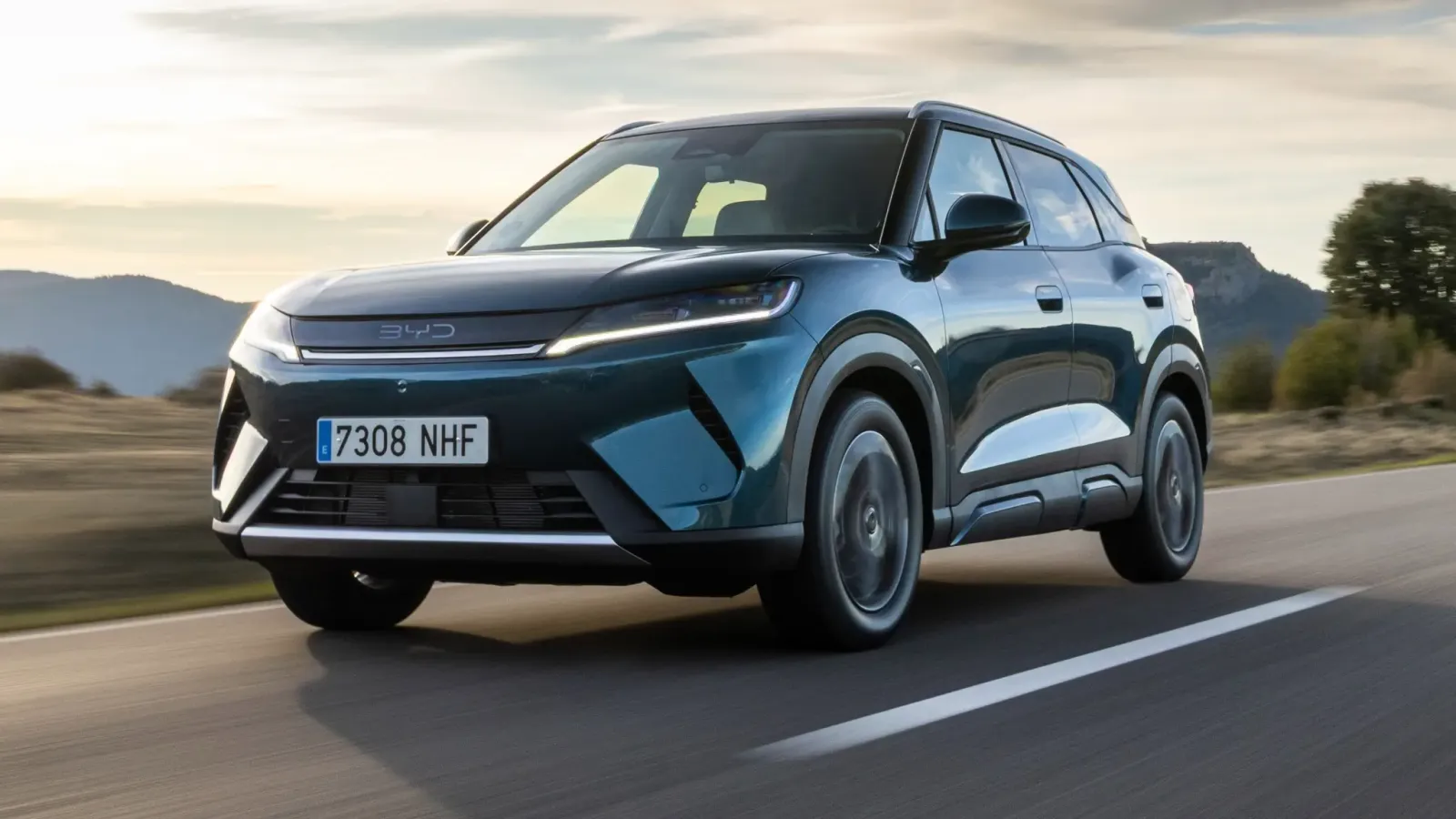
Exports of cars manufactured in China to Europe rose by 95% in the third quarter. Quotas for hybrids help explain this surge.
Chinese automakers are stepping on the accelerator. With the European Union preparing new quotas for imported hybrid cars, they aim to get as many vehicles as possible onto the European market before the restrictions take effect.
The numbers leave no doubt. According to an analysis by Bernstein cited by Automotive News Europe, China’s exports of passenger cars grew by 72% globally in the third quarter of 2026, reaching 2.73 million units. But for Europe, the increase was 95%.
Among all cars exported by China to international markets, plug-in hybrids showed the strongest growth: 172% compared to the third quarter of 2025. Electric vehicles saw a 135% increase.
Bernstein believes that the anticipation of new European quotas helps explain this acceleration. The reduction in tax incentives for exported electric vehicles in China, scheduled for April 2027, is another factor.
Unremitting exports
According to data from the China Passenger Car Association, exports of cars manufactured in China to the European Union rose by 87% in the first nine months of 2026, reaching 1.83 million units.
It should be noted that these figures also include cars produced in China by foreign manufacturers such as Tesla or MINI.
Chinese brand registrations in the European Union doubled during the same period, reaching 758,527 units, according to Dataforce. Hybrids totaled 411,479 units, a increase of 191%. Of these, 232,563 were plug-in hybrids, marking a 218% growth. Electric vehicles reached 250,912 units, up by 116%.
The new quotas
Following the agreement between Brussels and Beijing in October, the European Union is preparing a quota system that could limit imports of conventional hybrids and plug-in hybrids from China to around 350,000 units by 2027.
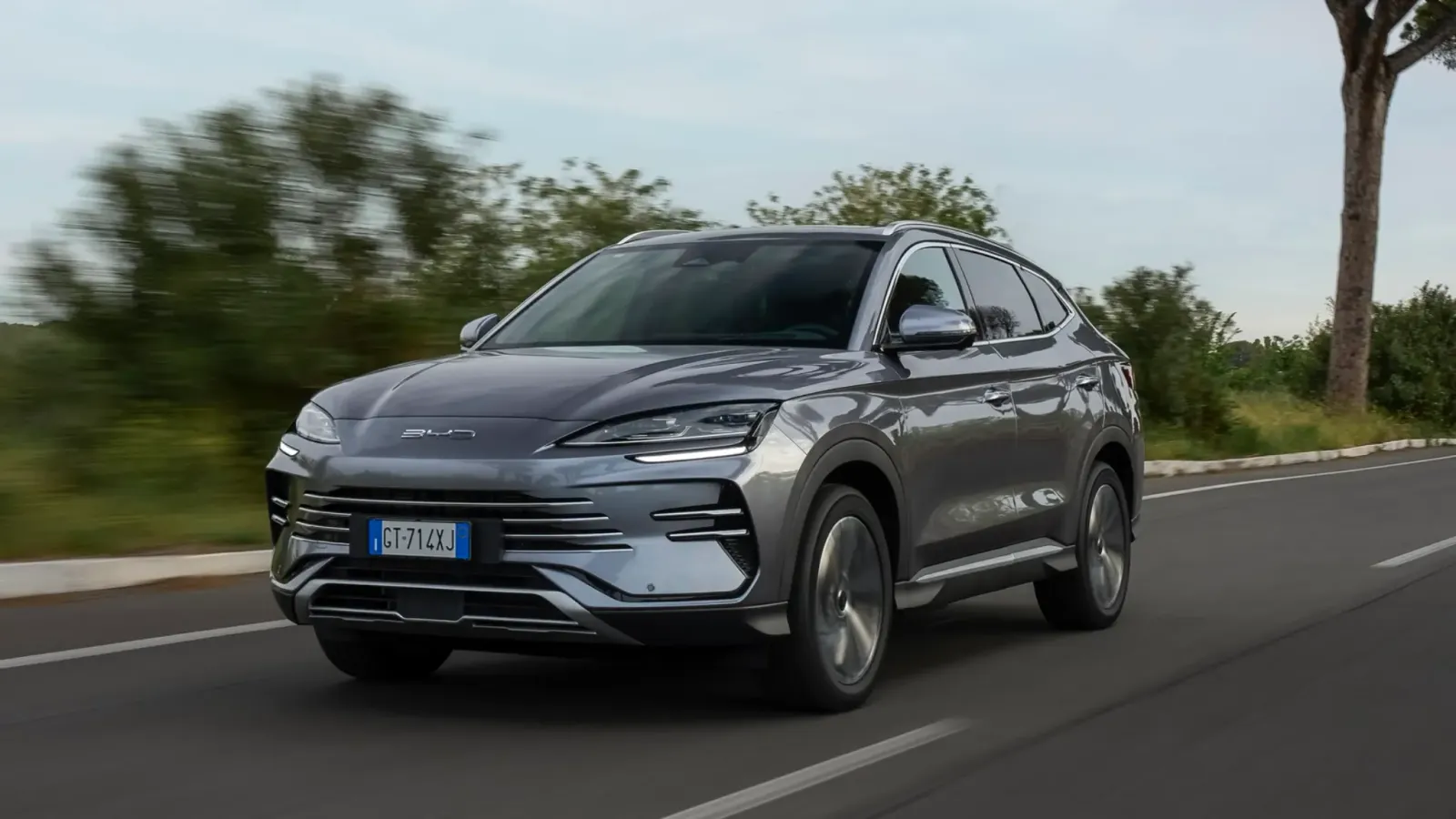
This figure represents a significant reduction compared to the approximately 800,000 units expected to be imported into the European market this year.
The mechanism is set to remain in effect for four years, with quotas increasing by 6% annually until approximately 417,000 cars are reached by 2030. The implementation of the first restrictions is scheduled for December 1. However, the timeline still depends on the legal enforcement of these measures. The European Commission officially launched a safeguard investigation on October 30.
To comply with World Trade Organization (WTO) rules, the mechanism must cover imports of hybrids from other countries as well as China, with quotas assigned based on origin.
ADVERTISING
Want a hybrid?
Here you can find the car of your dreams.
The new restrictions could accelerate the establishment of Chinese factories in European territory, as cars produced within the European Union are exempt from these quotas.
BYD is in the final stages of preparing its new passenger car factory in Hungary, with production set to begin this year. SAIC, the owner of MG, is preparing a manufacturing facility in Spain, with production expected to start in 2028.
Geely also announced a partnership with Ford to produce cars at the factory in Valencia, Spain, starting in 2028.