
CATL targets 6,000 passenger car battery swap stations in 2027, potentially overtaking Nio
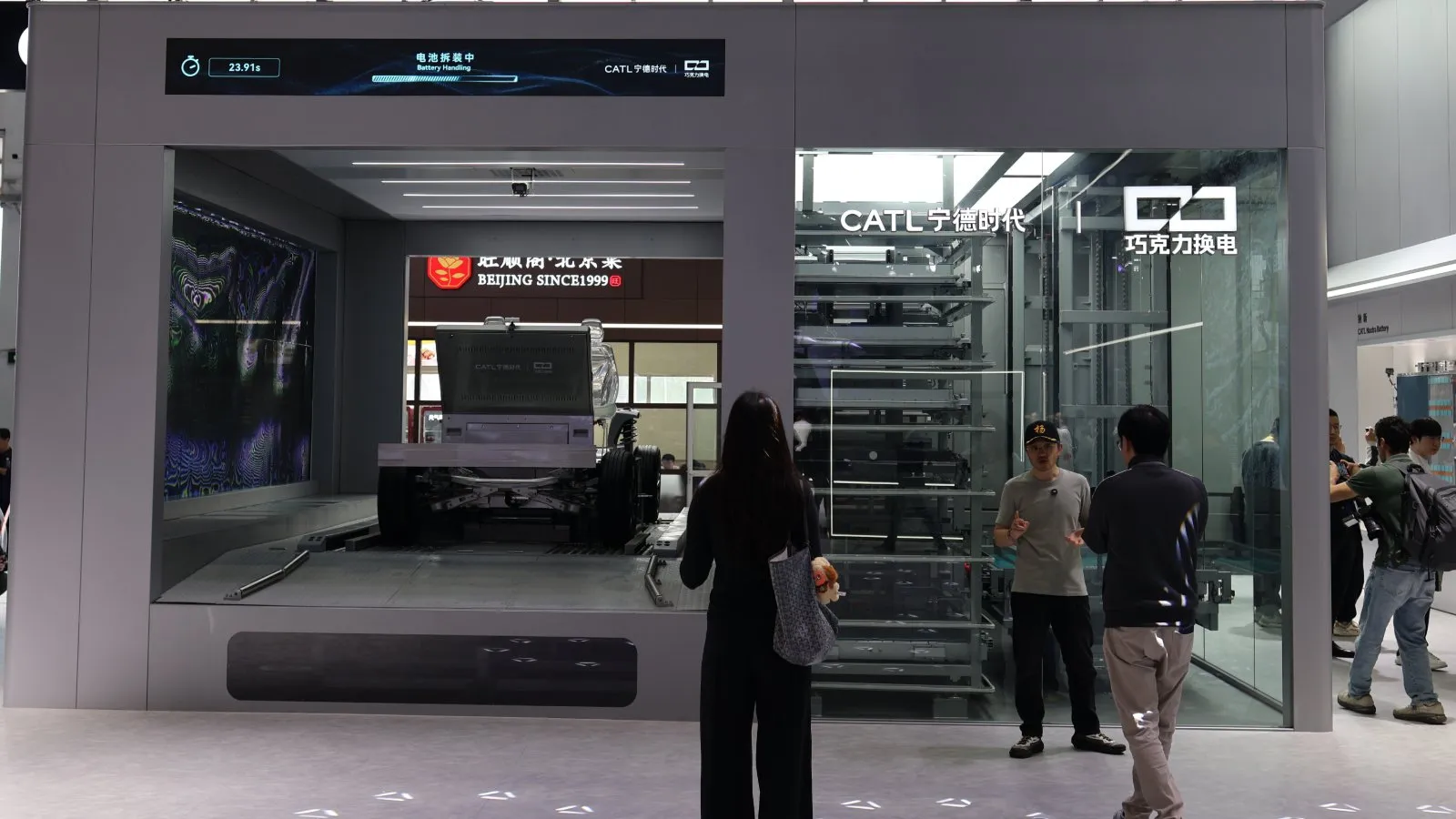
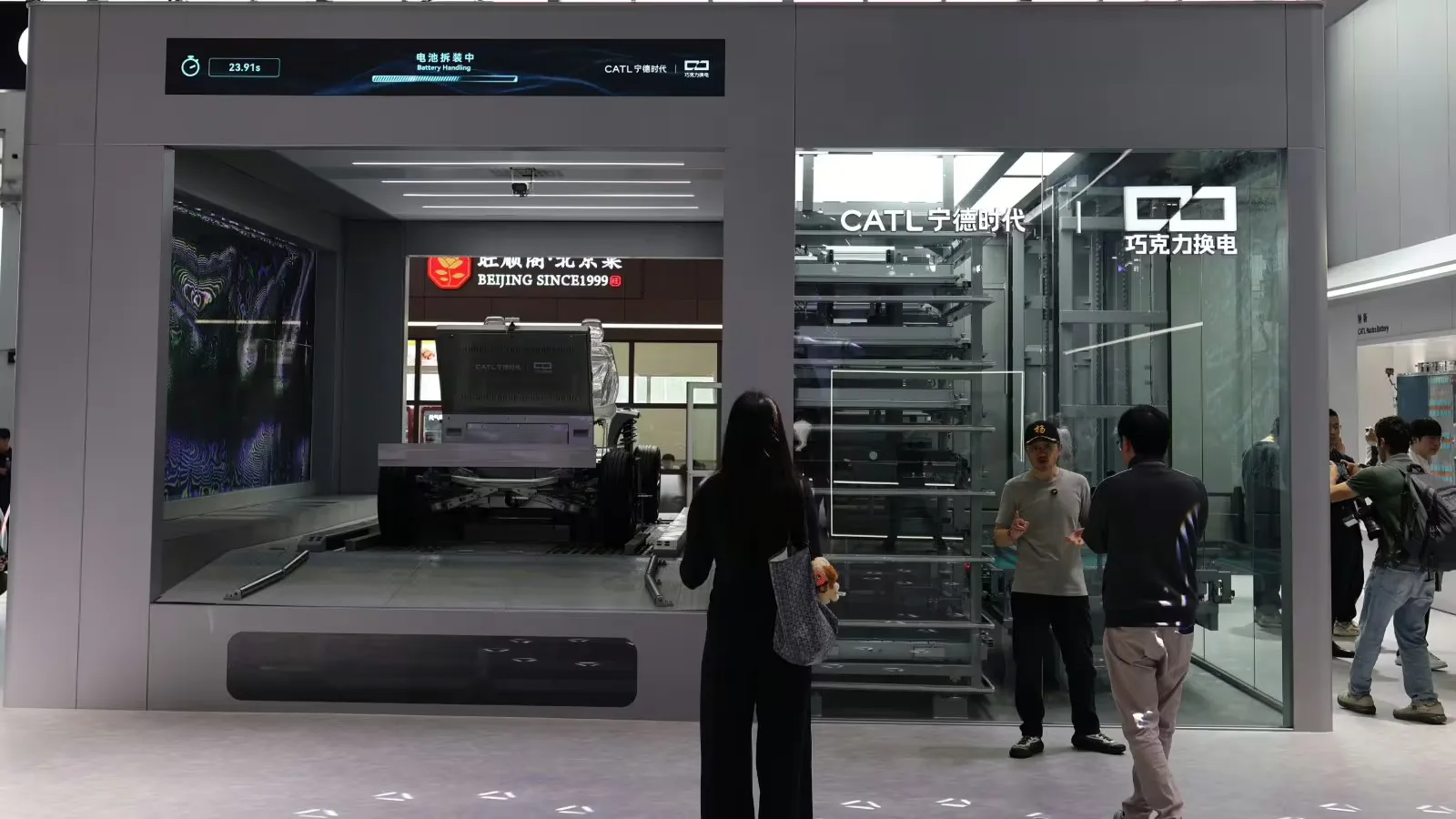
CATL's plan includes 5,000 urban stations and 1,000 highway stations, covering 297 cities in China.
Nio currently has 4,254 battery swap stations, including 1,081 along highways.
CATL (HKEX: 3750) plans to expand its passenger car battery swap network to 6,000 stations in 2027, potentially overtaking Nio Inc (NYSE: NIO) to become China's largest battery swap network operator.
The power battery maker disclosed the plan in a statement on Friday, targeting coverage of 297 cities in China through its Choco swap network in 2027.
Nio had 4,254 battery swap stations in China as of November 13, including 1,081 along highways, according to real-time data published by Nio Power.
If CATL meets its 6,000-station target and Nio maintains its goal of adding about 1,000 stations annually, as it has in recent years, CATL's passenger car battery swap station count could surpass Nio's in 2027.
That comparison depends on both companies' actual construction progress. Nio has maintained its target of adding more than 1,000 battery swap stations this year, while it added 679 in 2024 and 681 in 2025, according to data compiled by CnEVPost.
CATL's latest plan includes 5,000 urban battery swap stations, designed to put battery swapping within a 10-minute reach in core urban areas, alongside 1,000 highway stations.
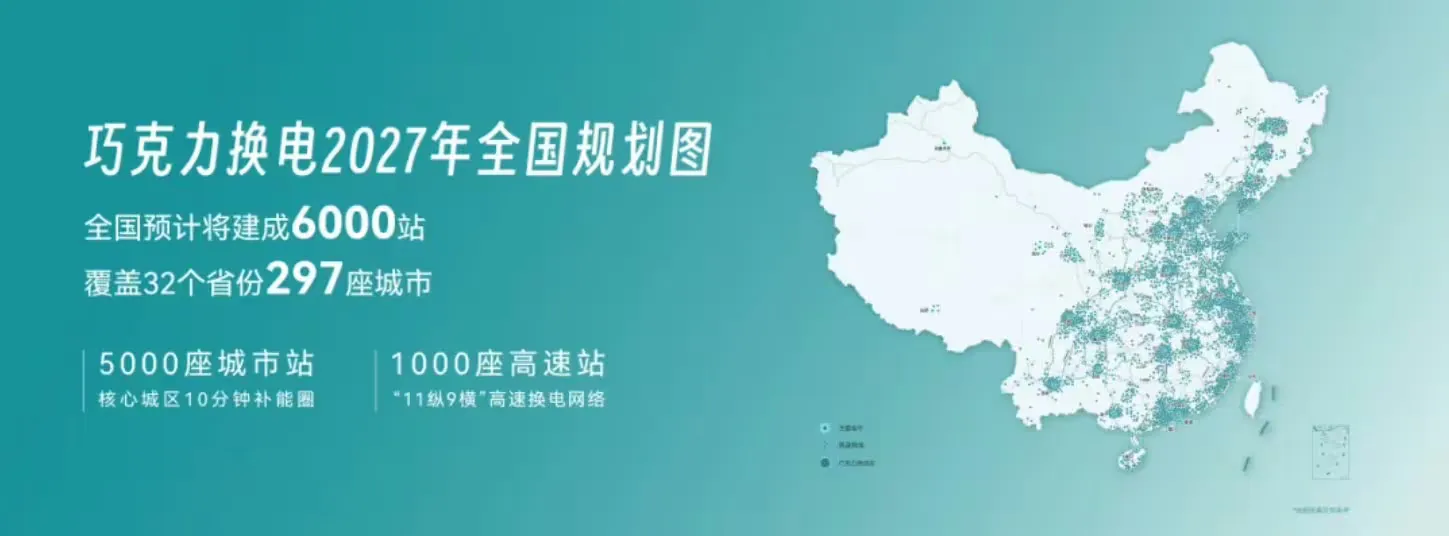
The highway stations will form a network spanning 11 north-south and 9 east-west routes. The overall network will cover all prefecture-level cities and directly administered municipalities in China except Sansha, the company said.
CATL's battery swap network has been expanding rapidly. The company had built 1,020 Choco swap stations by the end of 2025, reaching 2,000 in July this year and 2,520 by September 29.
The battery giant previously announced plans to have more than 3,000 passenger car battery swap stations in China by the end of this year.
The new 6,000-station target would bring CATL's network to roughly twice its year-end target level in 2027, as the company also expands its lineup of compatible vehicles.
Beijing Automotive Group, or BAIC Group, signed an agreement with CATL in October to deepen their battery swap cooperation, with plans to connect models from multiple brands to the Choco swap network and open its dealer network to support station construction.
The partners aim to build a battery swap ecosystem serving 1 million vehicles, though they have not announced a timeline for reaching that scale.
BAIC's Arcfox brand today launched a battery swap version of the Beta T1, which uses CATL's Choco swap batteries and supports 99-second battery swaps, adding a mass-market model to the network.
At the same Arcfox launch event, CATL also introduced its Choco battery management service, integrating battery health checks, early warnings and repair and replacement services into its battery swap platform.
The system supports 53 on-board checks and performs another 13 in-depth checks during battery swaps, covering indicators including insulation status, thermal runaway risks and voltage differences, according to CATL.
The company pledged lifetime monitoring and warranty coverage, as well as free repairs and replacements, for all Choco batteries while they remain in the network.
The network expansion also aligns with CATL's push to promote sodium-ion batteries. CATL chairman Robin Zeng said this week that their range is sufficient for everyday urban driving and that more battery swap stations could help ease concerns about long-distance travel.
The partnership will focus on vehicles using Huawei Qiankun solutions, aiming to deliver seamless energy replenishment for the autonomous driving era.