
BYD lists Spain as a top candidate for its new European factory
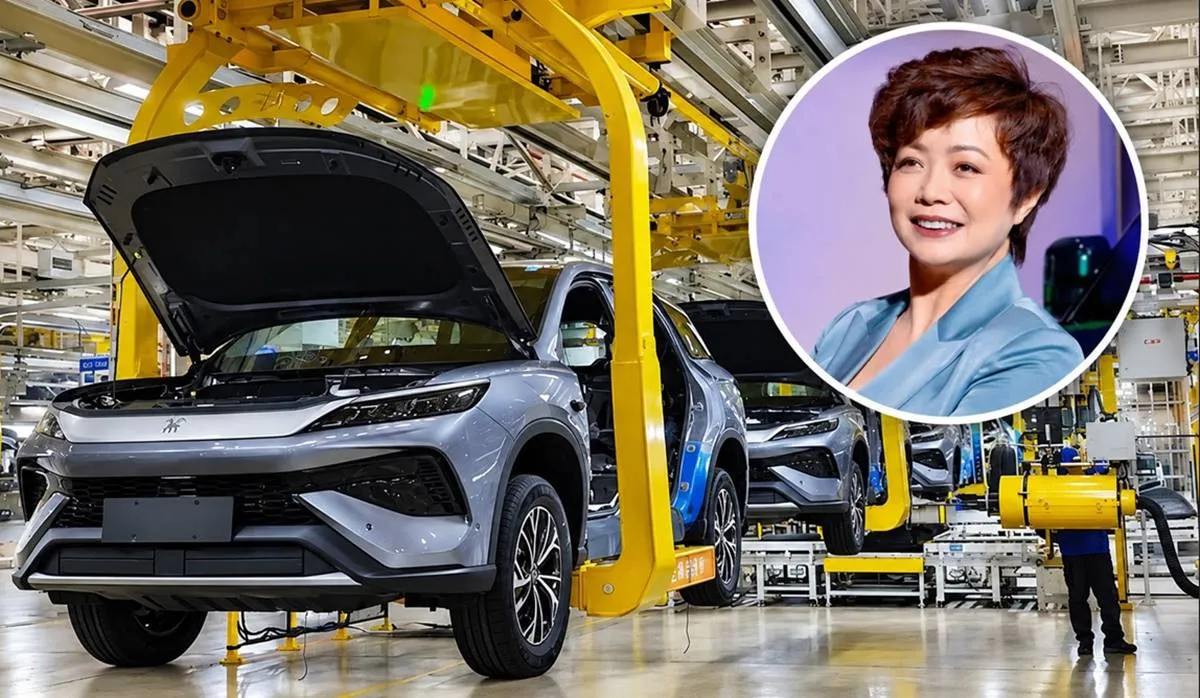
The arrival of Chinese manufacturers in Europe is entering a new phase. After several years of increasing sales and building business networks, they now need to take the next step: manufacturing their cars directly on the continent. This strategy not only helps reduce logistics costs and exposure to tariffs but also allows them to get closer to customers and respond more quickly to the needs of the European market.
BYD is one of the manufacturers most committed to this transformation. The Chinese company is preparing to start production at its factory in Hungary, while continuing with its industrial plans in Turkey, a project that has faced delays. But its ambitions go further, as the company is already exploring locations for a new plant to boost its production capacity.
And this is where Spain comes into play. Stella Li, BYD’s executive vice president, confirmed that our country is among the pre-selected candidates for this new investment. The remarks were made during the Paris Motor Show, confirming the manufacturer’s interest in seizing the industrial opportunities offered by the Spanish market.
The management also raised an important point. BYD is open to either building a factory from scratch or utilizing existing facilities. The latter option would allow for significantly faster timelines, reduced initial investment, and earlier production commencement. However, finding facilities that meet their requirements is not easy, especially for a manufacturer that aims to directly control a large portion of its production.
Spain’s Great Advantage: Competitive Electricity, Renewables, and a Prepared Industry
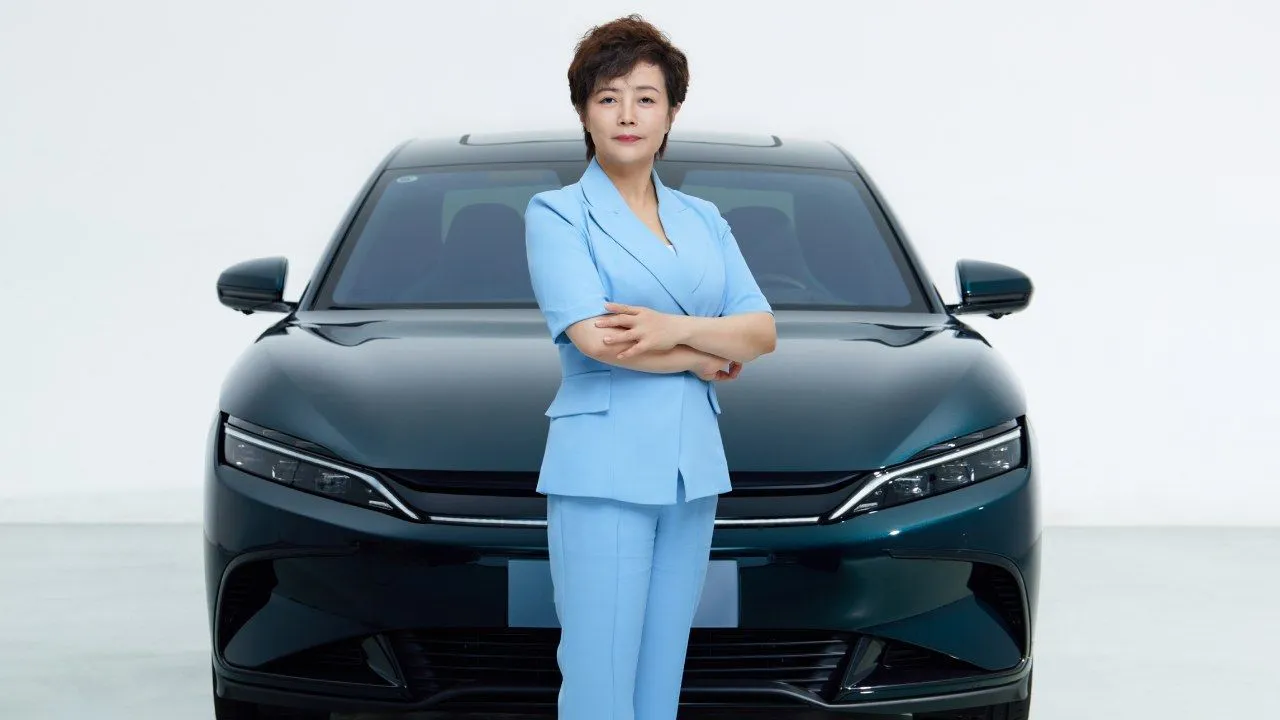
One of the most interesting aspects of Stella Li’s statements is that she made it quite clear what BYD will examine first before making a decision: the cost of electricity. The executive noted that having energy at competitive prices will be an absolute priority when choosing the location for its new factory.
And it is precisely here that Spain can have a significant advantage over other European countries. Over the past few years, our country has undergone a real transformation of its electricity system, driven mainly by the strong growth of photovoltaic solar and wind energy. This expansion has enabled an increase in renewable energy production and a reduction in dependence on fossil fuels for electricity generation.
According to Red Eléctrica’s data, renewables accounted for approximately 56.8% of Spain’s electricity generation in 2025, reinforcing a trend that has placed Spain among Europe’s major markets with the highest penetration of these technologies. The combination of high solar capacity, abundant wind resources, and an expanding storage infrastructure provides a solid foundation for attracting industries with high energy consumption.
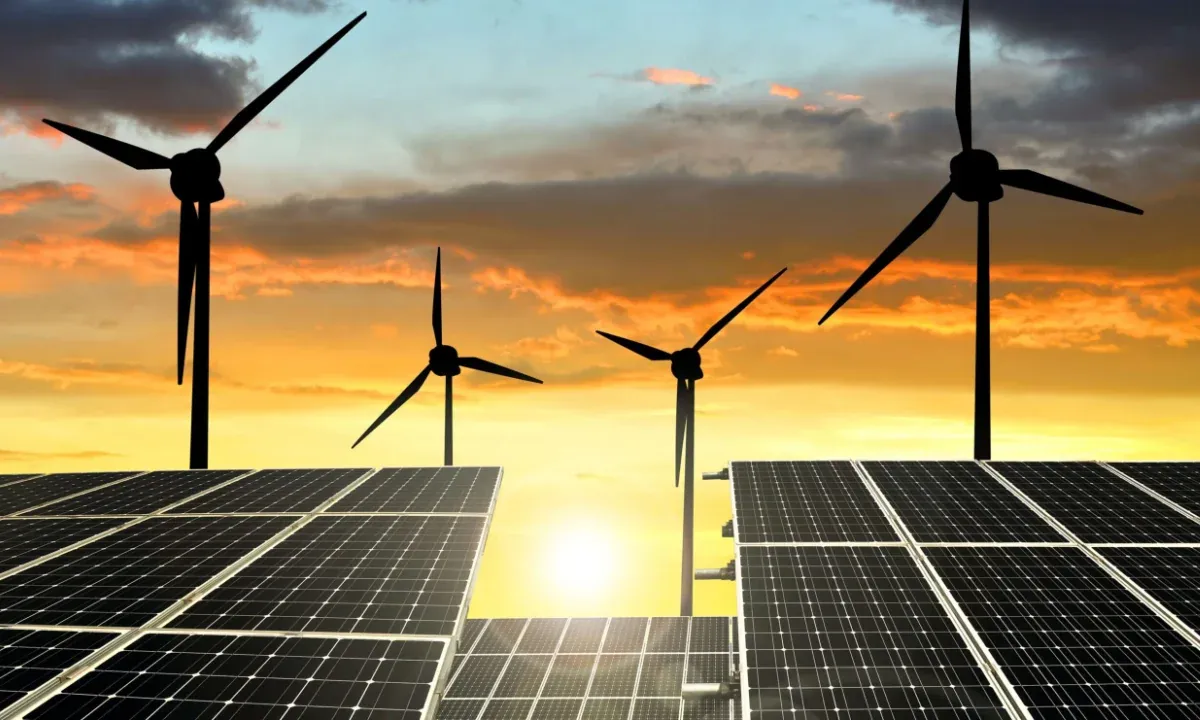
This has economic consequences. During periods of high solar and wind production, Spain’s wholesale market can experience particularly low prices, or even negative prices at certain times. This situation may be attractive to manufacturers who can structure part of their industrial operations around long-term supply contracts.
Of course, the wholesale market price is not the same as what a factory ultimately pays. Costs related to grid access, fees, contracted capacity, and the terms of energy agreements play a significant role. However, the possibility of securing long-term renewable energy supply contracts, known as PPAs, can provide stability and predictability in production costs for many years.
For a company like BYD, which not only manufactures cars but also produces its own batteries and numerous electronic components, this aspect holds special importance. Energy is one of the factors that influence industrial costs, and having a competitive supply source can make a significant difference when manufacturing hundreds of thousands of units.
But Spain can offer more than just renewable electricity. Our country boasts another asset that is difficult to replicate in the short term: a well-established automotive industry with decades of experience, specialized suppliers, and a extensive logistics network.
Spain is one of Europe’s leading automobile manufacturers, with industrial hubs belonging to groups such as Volkswagen, Stellantis, Renault, Mercedes-Benz, and Ford. Around these factories, an ecosystem of companies has developed, focusing on producing components, electronic systems, structures, interiors, and numerous other elements needed to build a car.
This industrial network offers a advantage to any manufacturer considering establishing operations in our country. BYD could find suppliers with experience working under the industry’s stringent quality standards in Europe, as well as logistics and transportation companies accustomed to handling large volumes of production for export.
This is compounded by the availability of skilled labor, ranging from specialized operators in production and automation to industrial engineers, maintenance technicians, and logistics professionals. A body of knowledge accumulated over decades that can reduce the challenges of launching a new facility.
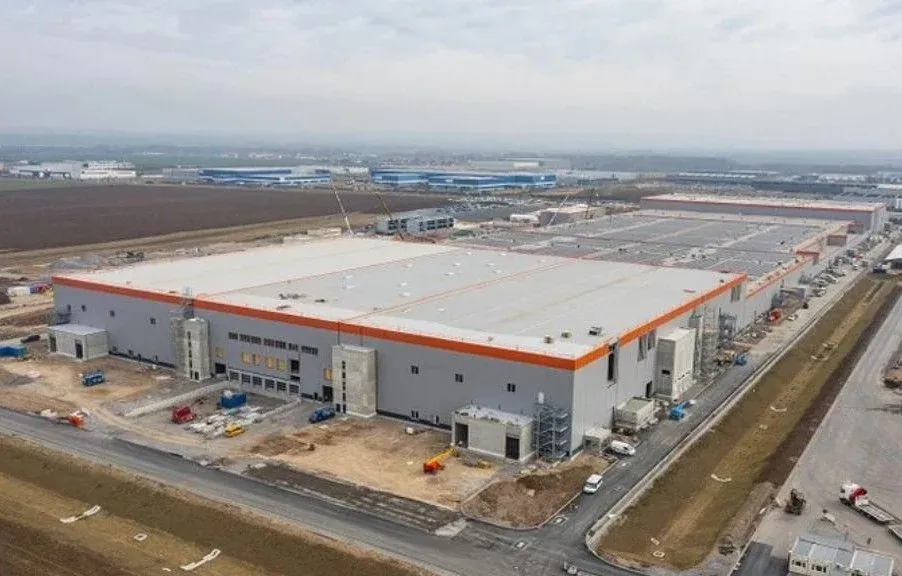
The shift toward electric vehicles is also fostering the emergence of new industrial activities. Projects such as PowerCo’s battery gigafactory in Sagunto, backed by Volkswagen Group, or Stellantis and CATL’s battery plant in Zaragoza, are gradually strengthening a supply chain that until a few years ago was heavily focused on internal combustion engines.
While these projects do not guarantee that BYD can access their batteries directly, they do help develop suppliers, technical services, specialized professionals, and industry knowledge related to this technology.
We must also consider Spain’s geographical location. Ports such as Barcelona, Valencia, and Vigo, along with land connections to the rest of Europe, enable the establishment of international logistics chains and the export of cars to various markets. This is a particularly advantageous factor for a factory that is not intended solely for the Spanish market.
The result is a combination that could be appealing to BYD: renewable electricity, competitive energy supply options, industrial expertise, skilled workers, and a supplier network that is evolving toward new technologies.
In addition, BYD is not the only Chinese manufacturer eyeing our country. Chery has advanced its industrial project in Barcelona, while SAIC, owner of MG, has explored potential investments in Galicia. There have also been plans for collaboration between Ford and Geely around the factory in Almussafes, Valencia. These projects, at varying stages of development, reflect the growing interest in leveraging Spain’s industrial capacity.
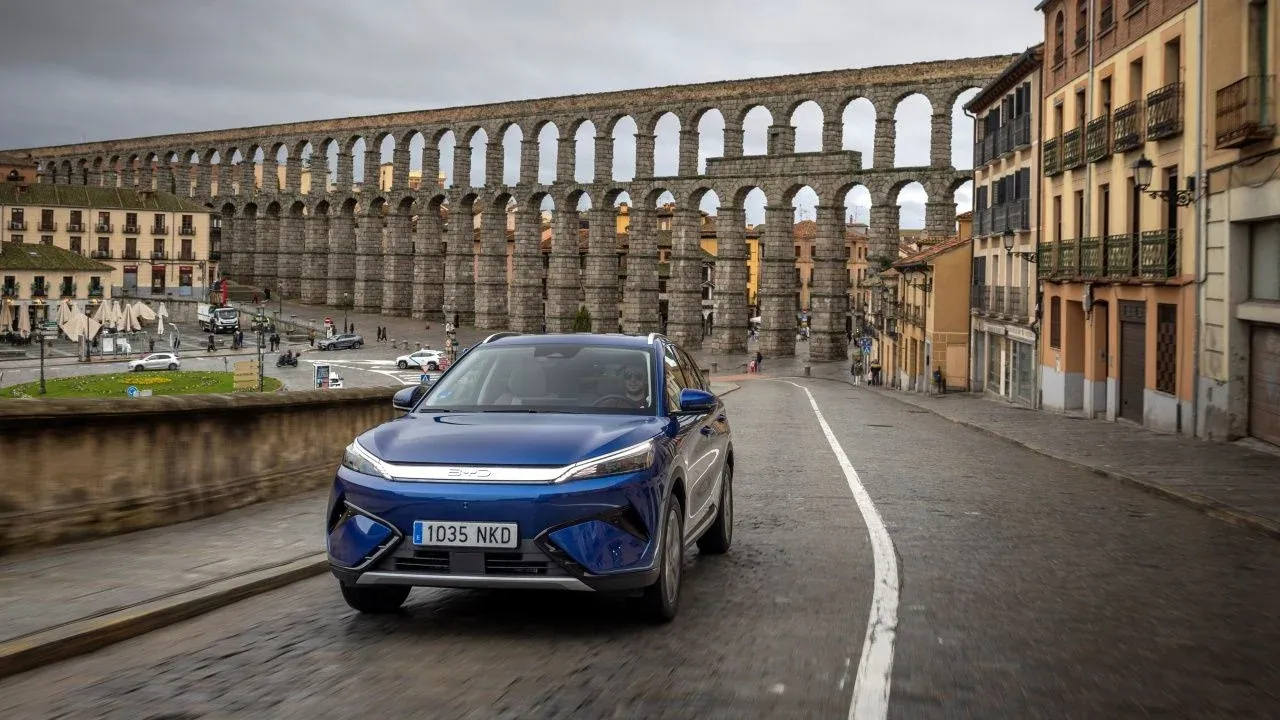
For BYD, manufacturing in Europe also carries a strategic dimension. Community tariffs on electric cars imported from China have altered the competitive landscape, while Brussels is exploring new measures to boost local production. Having European factories would allow the manufacturer to reduce some of this commercial exposure and strengthen its industrial presence in a market it considers crucial for its growth.
The company is also preparing a major expansion of its charging infrastructure. Its goal is to deploy 3,000 high-power charging stations in Europe by the end of 2027, a network that will support the introduction of its new battery generations and models capable of restoring much of their range in just a few minutes.
So far, BYD has not disclosed which Spanish locations it is considering, how much money it might invest, or how many jobs the project could create. There is also no official date set for announcing a decision. Spain is among the options, but it will have to compete with other sites that can offer attractive industrial and energy conditions.
What’s interesting is that our country has advantages that go far beyond offering cheap land or government subsidies. The expansion of renewable energy and the transformation of its automotive industry can serve as tools to attract investments with high added value. And if BYD ultimately chooses Spain, it would be another significant step in solidifying our role as one of Europe’s centers for electric vehicle manufacturing.