
BYD, Nio, and Geely will not enter the Bundeswehr’s safety zones
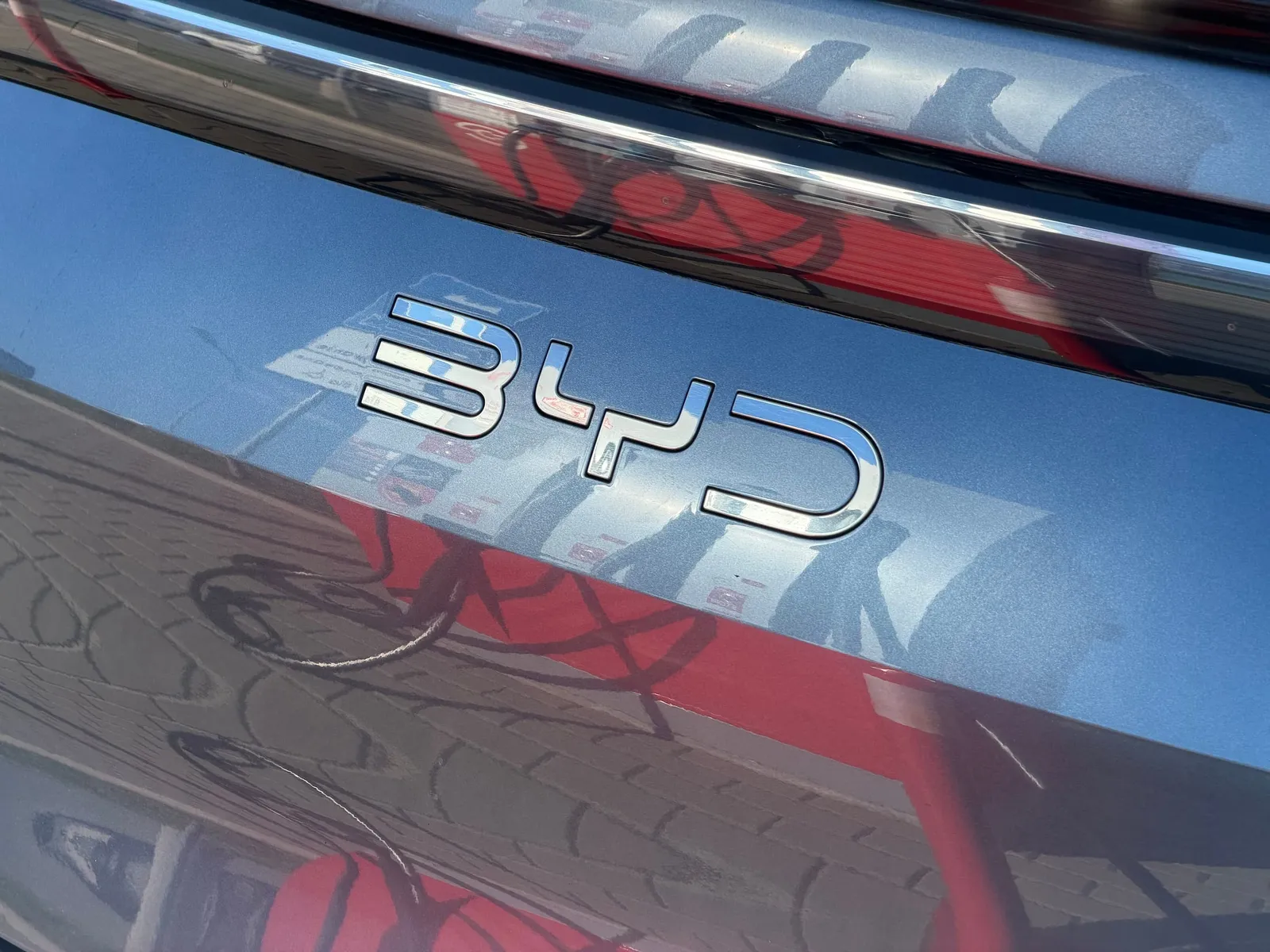
Soldiers who arrive at their units in BYD, Nio, or Geely vehicles must leave their cars behind the gate at some German bases and proceed on foot. Der Spiegel reported on November 10 about lists of Chinese models circulating within the Bundeswehr. The defense ministry confirmed restrictions on vehicles with communication devices and sensors but denied that they target specific brands or a particular country.
According to Spiegel, the lists specify models that are not allowed to enter facilities classified as security zones. No one has publicly disclosed which models these are, nor is it known whether other Chinese brands appear on the lists.
Ministry: It’s the vehicle’s equipment that matters
Mitko Müller, a spokesperson for Germany’s defense ministry, explained on November 11 at a government press conference that local security officers decide on entry rules. Depending on the location, a vehicle with communication equipment may not be allowed in designated areas, though it can be parked further away from sensitive sites. The country of origin of the vehicle does not play a role in this decision. The ministry cites cameras, microphones, radars, and ultrasonic sensors as potential threats, as all of them collect information about the vehicle’s surroundings; therefore, restrictions depend on the equipment installed in a particular vehicle and the risks in that unit.
The Stuttgarter Zeitung notes that no one has publicly presented evidence that these vehicles transmit information about the Bundeswehr to Chinese intelligence. Thus, the entry bans serve as a precautionary measure in case of potential surveillance.
Poland, Okinawa, Czech Refineries, and Tesla in China
Germany isn’t the first. Poland announced restrictions on Chinese-made cars in military areas in February, with our regulations also covering other vehicles capable of recording location, video, and audio, unless those functions are disabled. In October, the U.S. military banned BYD cars from entering Kadena Air Base in Okinawa, citing security risks.
The restrictions now also apply to civilian infrastructure. In March 2026, Czech company Orlen Unipetrol closed four of its facilities, including refineries in Litvínov and Kralupy, to Chinese-made cars due to concerns over cyberattacks and espionage.
China did exactly the same thing to Tesla. In 2021, its cars were barred from entering certain military and government facilities due to cameras, and China’s meteorological service ordered employees not to buy Teslas, requiring current owners to transfer the cars to others. The entry bans were lifted in July 2024 after Tesla passed China’s data security assessment, and Jiangsu province allowed the Model Y to be purchased by the government.
BYD is growing in Germany, Nio has almost disappeared
BYD registered 5,173 new cars in Germany in October 2026, 54.3% more than the previous year (3,353). From January to October, the total reached 47,961 vehicles, which is 216.1% higher than the same period in 2025, with figures including both electric and plug-in hybrid cars. Germany is therefore important in the company’s plans, which recently raised its sales forecast outside China for the second time to 1.8 million cars in 2026.
Nio registered no cars in Germany in October, while it sold 16 there the previous year.
Over ten months, William Li’s brand gathered 20 registrations in Germany, 91.2% fewer than the previous year. Geely is much more widely present in Germany: in addition to its own brand, it owns Volvo, Polestar, Lynk & Co, Zeekr, and Lotus, and together with Mercedes-Benz it is the owner of Smart. The ministry did not clarify whether the military lists include any of these brands.
LovEV Newsletter
Want more content like this?
Sign up — we’ll send you a weekly summary once the newsletter starts.