
British Gas orders just under 2,000 VW Transporters
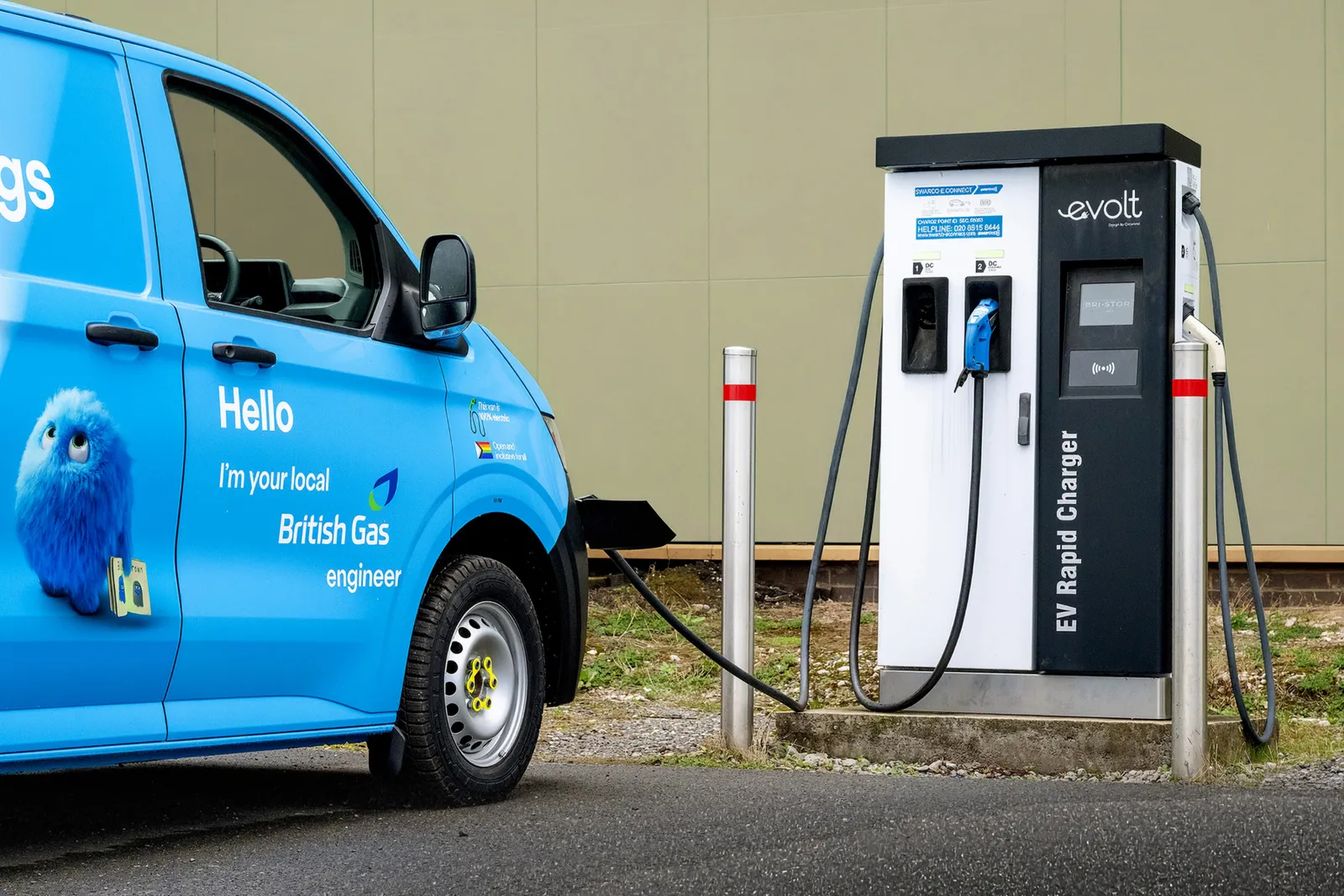
Volkswagen Nutzfahrzeuge delivers 1,986 new vans to British Gas. The fleet includes both electric e-Transporter models and diesel versions. It is not known how many of the vehicles will be fully electric.
The e-Transporter offers up to 5.8 cubic meters of cargo space.
Image: VW Nutzfahrzeuge
The first vehicles are already in use across the UK, with more set to arrive in 2026 and early 2027. British Gas, a subsidiary of energy company Centrica, will use these vans nationwide for its service technicians. They install and maintain heating systems, heat pumps, and electric vehicle charging stations, among other things.
The vehicles are specially modified for use with British Gas. Bri-Stor Systems equips them with shelves and storage systems tailored to specific operational needs, among other things.
Volkswagen describes the e-Transporter as a key component in the further electrification of British Gas’s fleet. However, the manufacturer does not provide specific details on how the total of 1,986 vehicles are distributed between battery-electric and diesel variants.
e-Transporter with 5.8 Cubic Meters of Cargo Space
According to Volkswagen Nutzfahrzeuge, the battery-electric transporter has a cargo space of 5.8 cubic meters and can carry a load of up to one ton depending on the configuration. It is designed to be suitable for equipping service technicians as well. 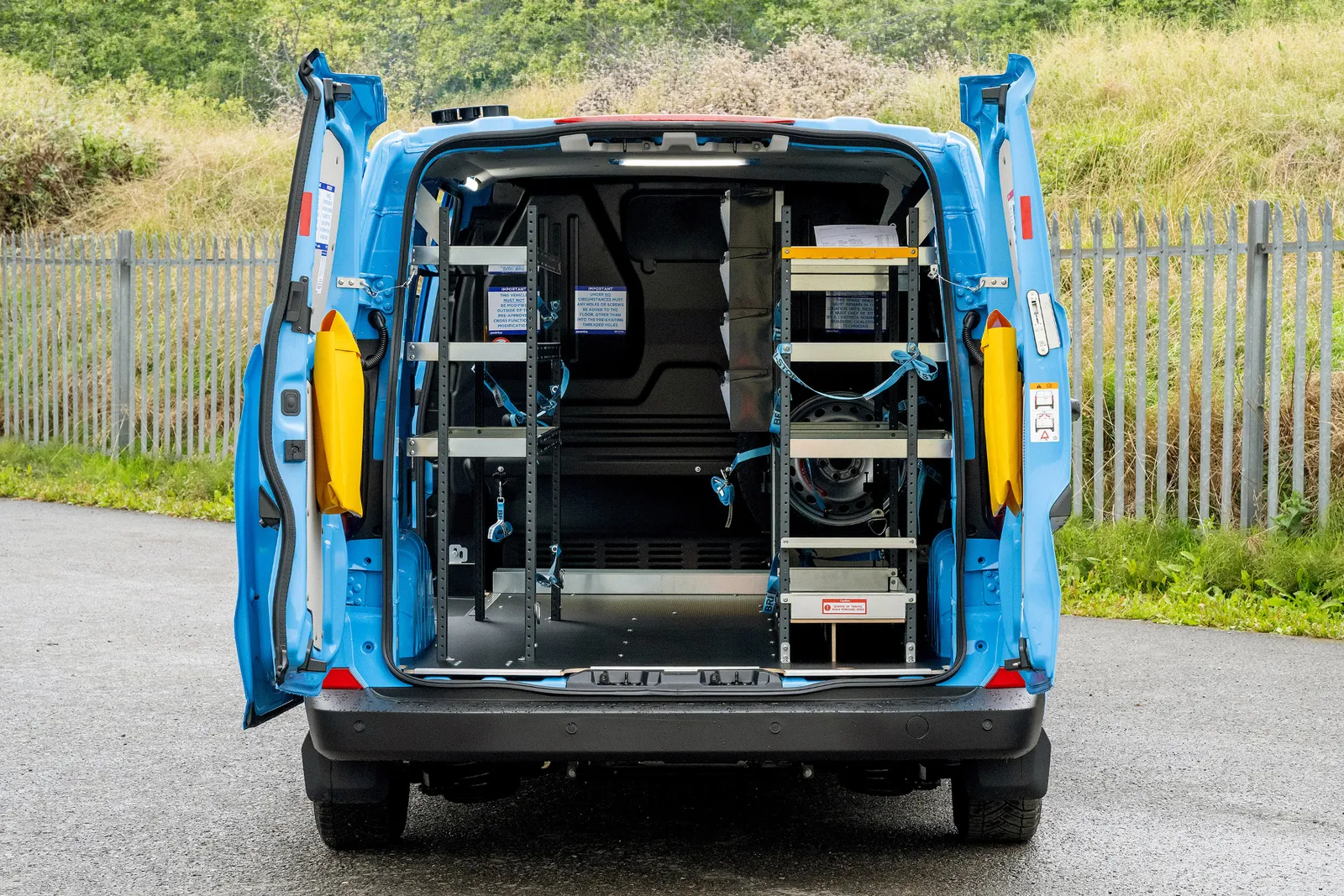
British Gas has been electrifying its fleet for several years. As early as 2020, the company ordered 1,000 electric Vauxhall Vivaro-e vehicles and signed a contract with Alfen for charging infrastructure for employees, its own facilities, and customers. Its parent company, Centrica, had pledged in 2019 as part of the EV100 initiative to electrify its fleet of around 12,000 vehicles by 2030.
British Gas has been working with Volkswagen Commercial Vehicles for several years. The total of 1,986 vehicles are set to be gradually integrated into the fleet in the coming months.