
BMW is switching to LFP batteries: this means it will have cheaper electric cars, but with shorter range.
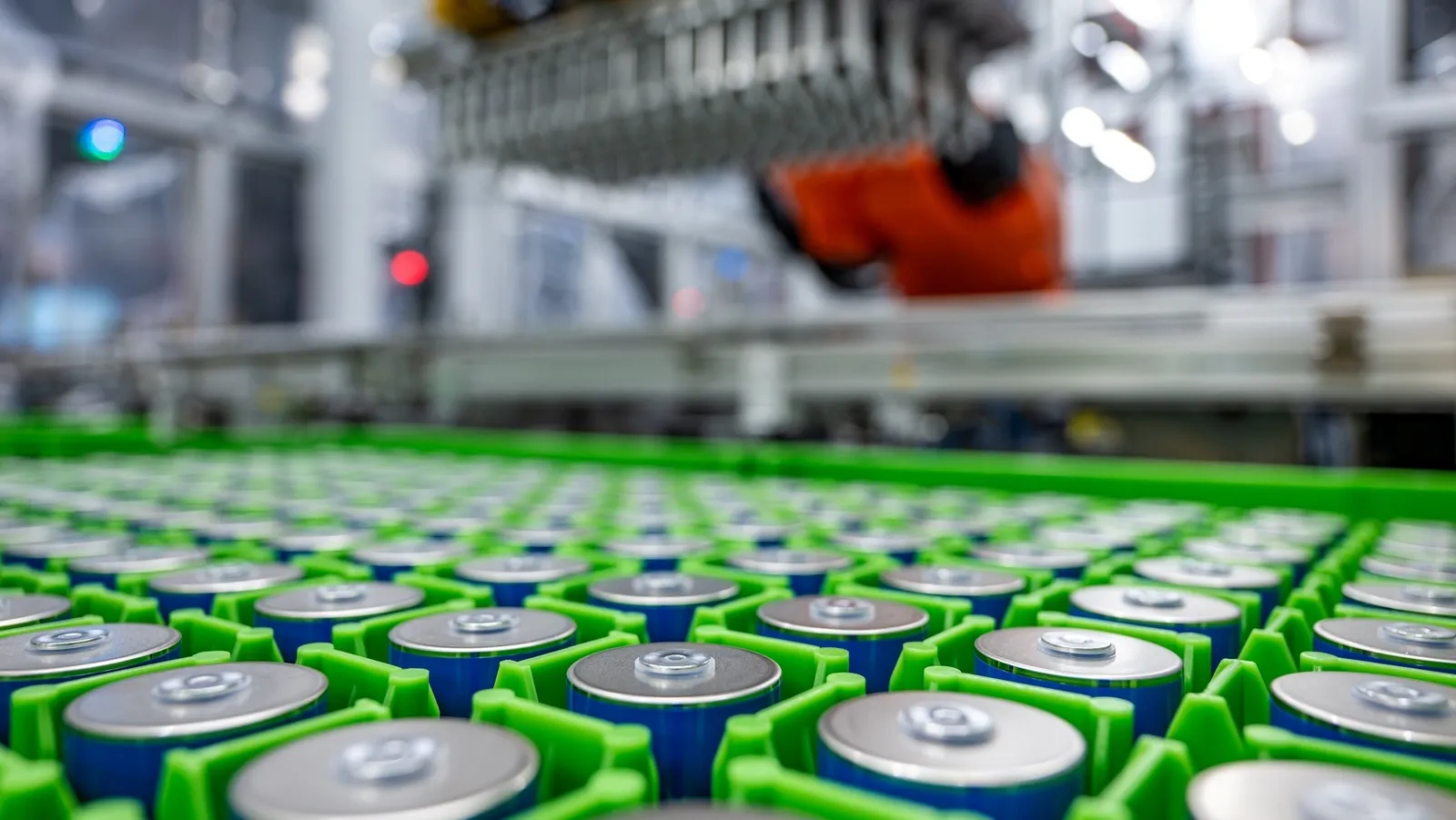
If you’re eager to buy a BMW electric car but don’t have the money, you’re in luck. The Germans are planning a significant strategy shift for their successful electric lineup. The Neue Klasse series, capable of achieving over 900 kilometers of range, has marked a turning point in the industry. However, not everyone needs such a long range, and the German brand is already considering those who prefer to spend less when purchasing a car.
Its CEO, Milan Nedeljković, confirmed during the third-quarter results presentation that BMW will increase the use of lithium iron phosphate (LFP) batteries in the Neue Klasse series. This represents a significant shift for a brand that has so far favored higher-performance battery cells.
Only in some models and for a specific purpose
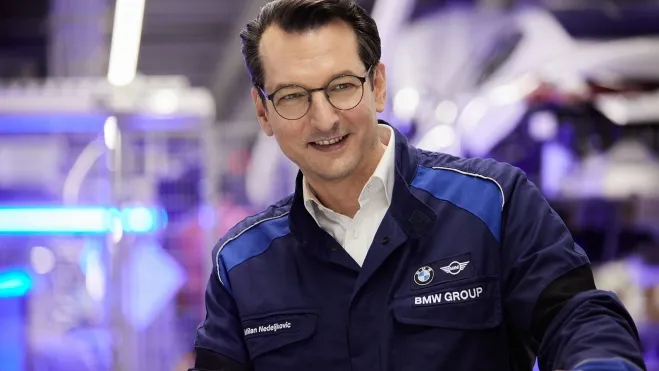
"We will incorporate LFP technology into our vehicles, but we will be very specific about which vehicles and for what purpose," explained Nedeljković. The executive did not specify which models will adopt it or when it will arrive, nor did he promise that the savings from the batteries would be reflected in the selling price.
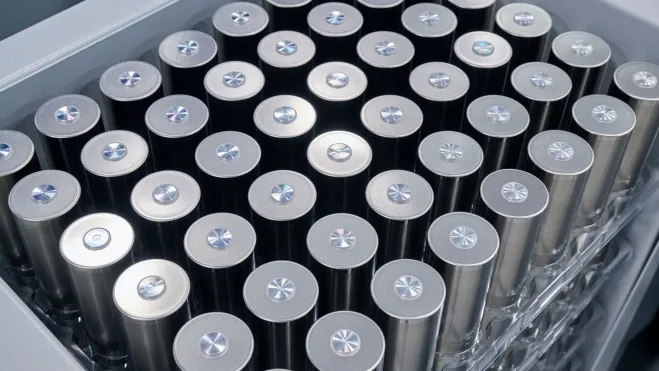
BMW still prefers cylindrical ternary lithium cells (NCM) for their range in its newest electric cars, such as the BMW i3 and BMW iX3, although it acknowledges that LFP offers a different balance between cost and range. Both battery chemistries will coexist in the lineup.
The Chinese iX3 already shows the way
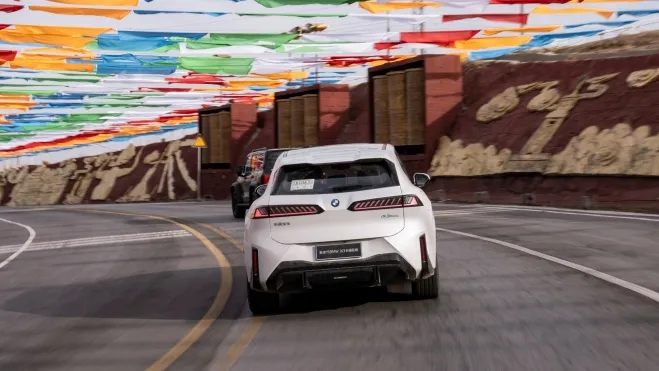
China provides a glimpse of this strategy. There, a long-range version of the iX3 is sold, with its entry-level model, the iX3 30L, featuring a 77 kWh LFP battery and a single motor in the rear axle. It achieves 630 kilometers of range according to China’s CLTC cycle and can charge from 10% to 80% in about 22 minutes. The more expensive 40L and 50L versions retain NCM batteries.
The iX3 30L costs 269,900 yuan (around 35,100 euros), compared to 339,900 yuan (around 44,200 euros) for the 50L. In Spain, where only the iX3 50 xDrive with a 108.7 kWh battery is available, the price starts at 69,900 euros. Meanwhile, the cheapest i3 model, also equipped with an NCM battery, has an initial price of 58,400 euros without any government subsidies or discounts.
Cheaper, but with less energy
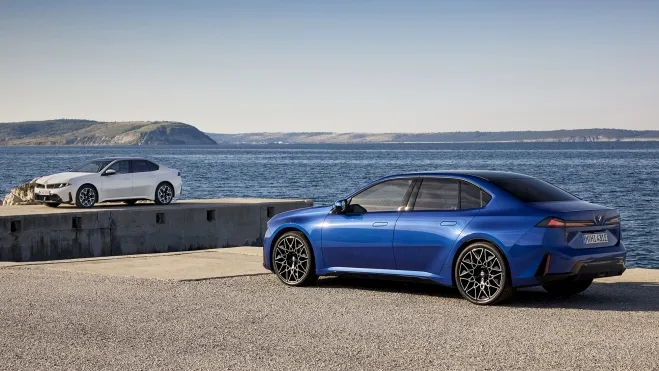
The cost advantage of LFP batteries lies in their materials. Their cathode uses iron and phosphate, which are much cheaper than nickel and cobalt in NCM cells. Additionally, they last longer, withstand heat well, and degrade less with frequent rapid charging to 100%. Their weakness is the lower energy density, which is why NCM batteries still remain the preferred choice when long driving ranges are needed.
Mercedes has already shown how this formula works. The electric CLA comes with an 85 kWh NCM battery and a 58 kWh LFP battery in the entry-level version, offering 792 and 541 kilometers of WLTP range respectively. It’s like choosing between a large or small fuel tank: the customer decides whether to pay less or go further without changing cars.
The 2028 compact model, a clear candidate
Beyond possible LFP versions of current models, the most obvious candidate is the compact electric car set to arrive in 2028—a model designed primarily for Europe that will bring Neue Klasse technology to a more affordable segment. BMW has not confirmed this, but a cheaper battery chemistry would suit a car aimed at tighter budgets. That said, it is likely to remain more expensive than its competitors from mass-market brands.
Meanwhile, BMW is expanding its supplier base for its sixth-generation batteries: Samsung SDI will manufacture them in Europe, while LG Energy Solution will produce them in the United States starting from the end of the decade. In Europe, Samsung SDI joins CATL and EVE Energy, with battery assembly taking place across five of their own factories: Irlbach-Straßkirchen (Germany), Debrecen (Hungary), Shenyang (China), Woodruff (United States), and San Luis Potosí (Mexico). None of these agreements specify whether the cells will be LFP.