
BMW: New plant in South Carolina producing batteries for the iX5
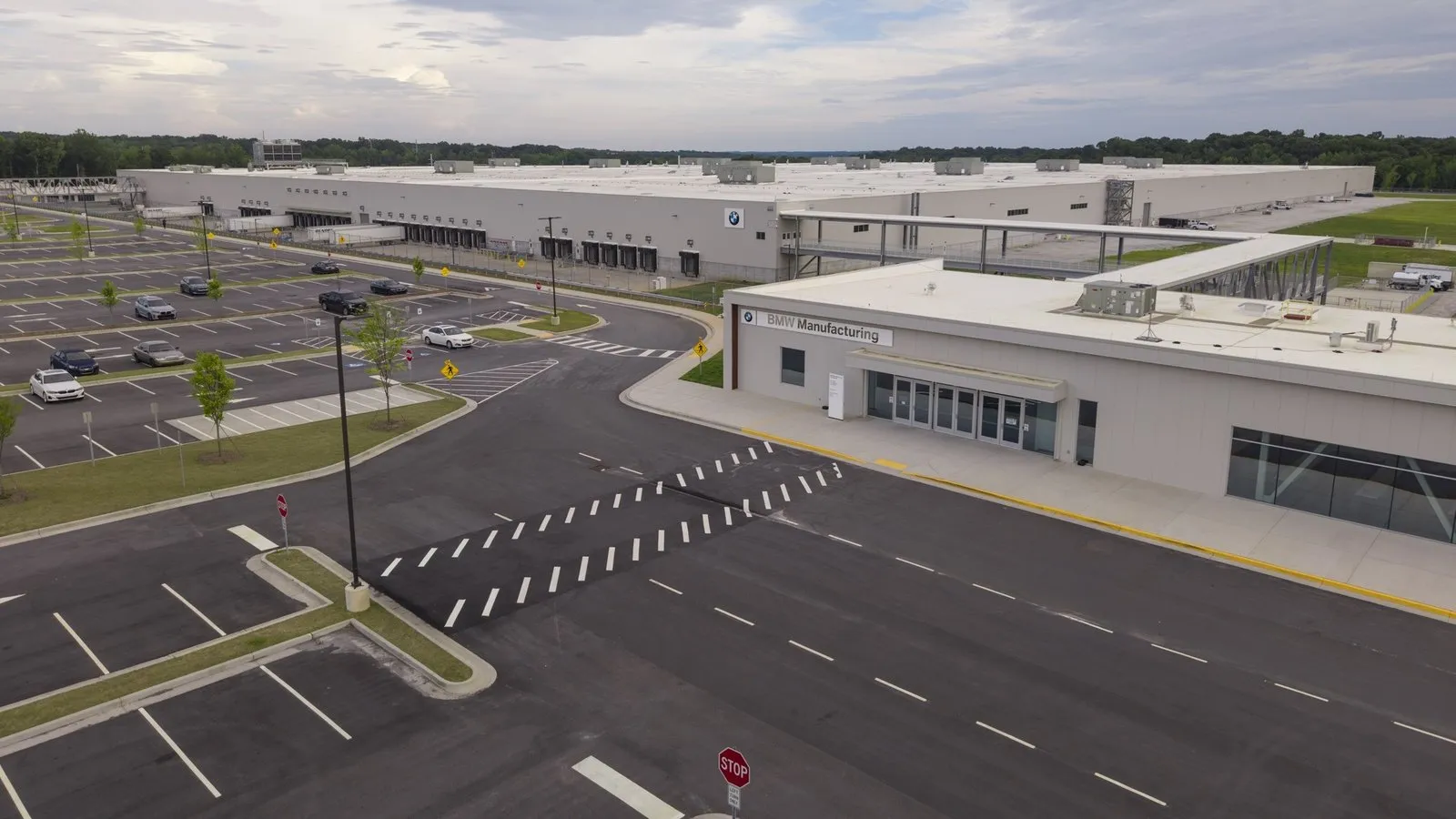
BMW has opened its Woodruff plant in South Carolina, USA, where it has begun mass-producing Gen6 high-voltage batteries. These batteries are sent to the Spartanburg plant, located about 24 kilometers away, where the iX5 is manufactured as BMW’s first fully electric model produced in the United States.
Advertisement
BMW broke ground on the battery plant in Woodruff in June 2023. In July 2025, the manufacturer demonstrated how it was preparing to start mass production of its Gen6 batteries at five locations, with pilot plants in Bavaria. The assembly processes developed at the Hallbergmoos pilot plant near Munich Airport were intended to serve as a model for the plant in South Carolina. On November 13, 2026, BMW officially opened the Woodruff plant, with the company stating that mass production is already underway there.
Batteries for the iX5 built in Spartanburg
Woodruff is located about 15 miles, or roughly 24 kilometers, from the BMW plant in Spartanburg, which the company claims is its largest manufacturing site. It is there that the sixth-generation high-voltage batteries for the new iX5 are assembled. According to BMW, this vehicle is the brand’s first all-electric model to be produced in the U.S. More models are planned: by 2030, BMW aims to manufacture at least six all-electric models in Spartanburg, according to Production President Raymond Wittmann. The batteries from Woodruff will power the next generation of all-electric X-models, says Robert Engelhorn, president and CEO of BMW Manufacturing Co. in Spartanburg.
BMW introduced the iX5 60 xDrive in June, featuring 425 kW (578 horsepower), a 141 kWh battery capacity, and a WLTP range of up to 845 kilometers. BMW set the order start date at October 8, 2026, with the iX5 scheduled to hit the market in early 2027.
Advertisement
Five Gen6 locations, cells from suppliers
BMW installs Gen6 batteries at five new factories built under the “Local for Local” principle near its vehicle production sites. Serial production began in Debrecen, Hungary, in October 2025, and in Irlbach-Straßkirchen in Lower Bavaria and Shenyang in China in October 2026. Woodruff is now the fourth location, with San Luis Potosí in Mexico set to follow in 2027. According to Wittmann, BMW now has battery assembly plants in Europe, Asia, and North America, creating the foundation for producing next-generation electric vehicles on three continents.
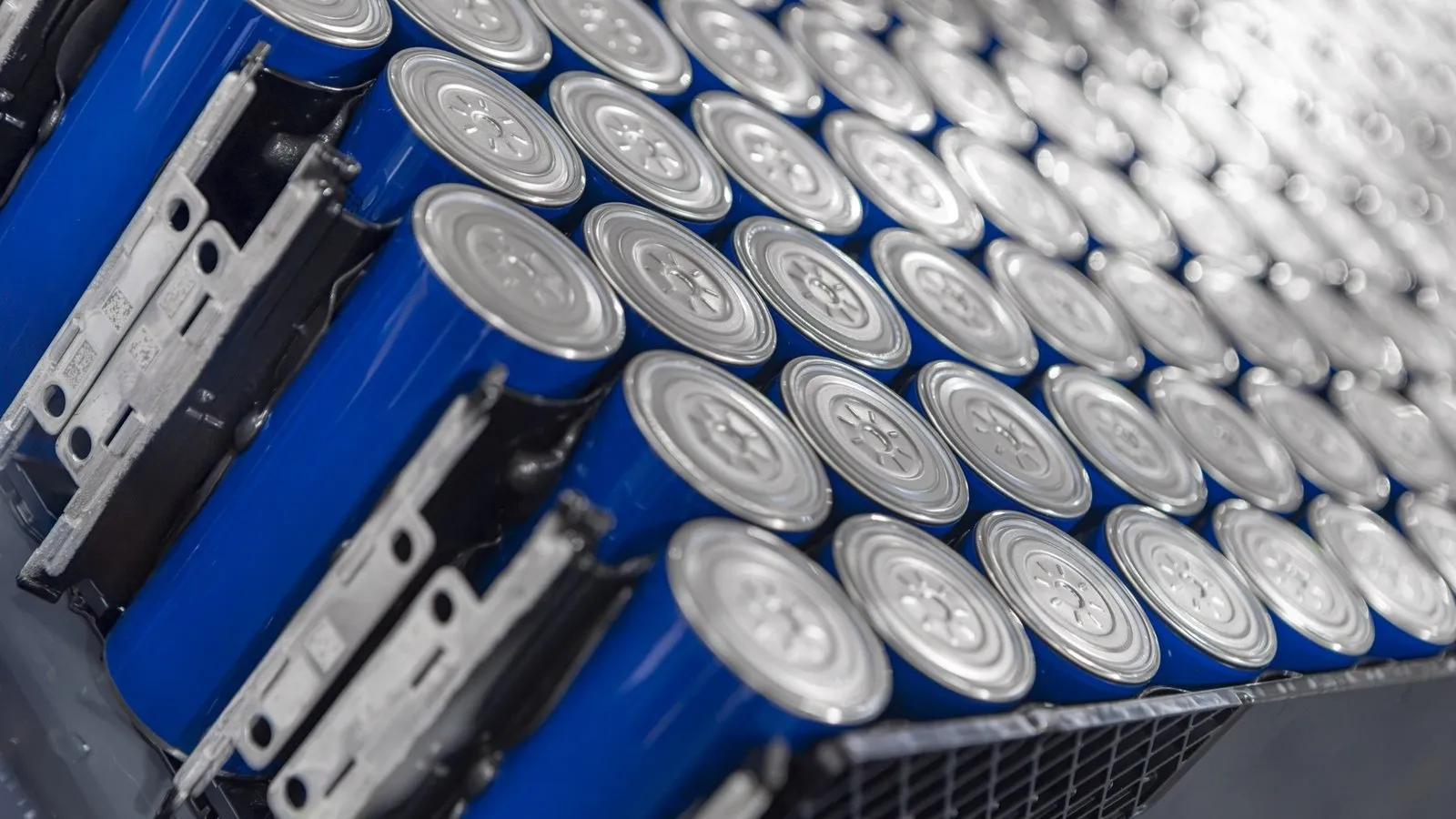
According to BMW, the Gen6 round cells are expected to offer more than 20 percent higher energy density compared to the previous cell generation. Charging time is said to decrease by up to 30 percent, while range increases by 30 percent, with potentially even greater improvements depending on the model. The battery cells themselves are not manufactured in Woodruff. BMW sources them from cell manufacturers that produce according to the company’s specifications. The announcement does not specify which manufacturer supplies the cells for Woodruff. On November 9, BMW reported that LG Energy Solution is set to supply cells for the Gen6 batteries from its U.S. facilities starting in the late 2020s.
Assembly with AI and VR Training
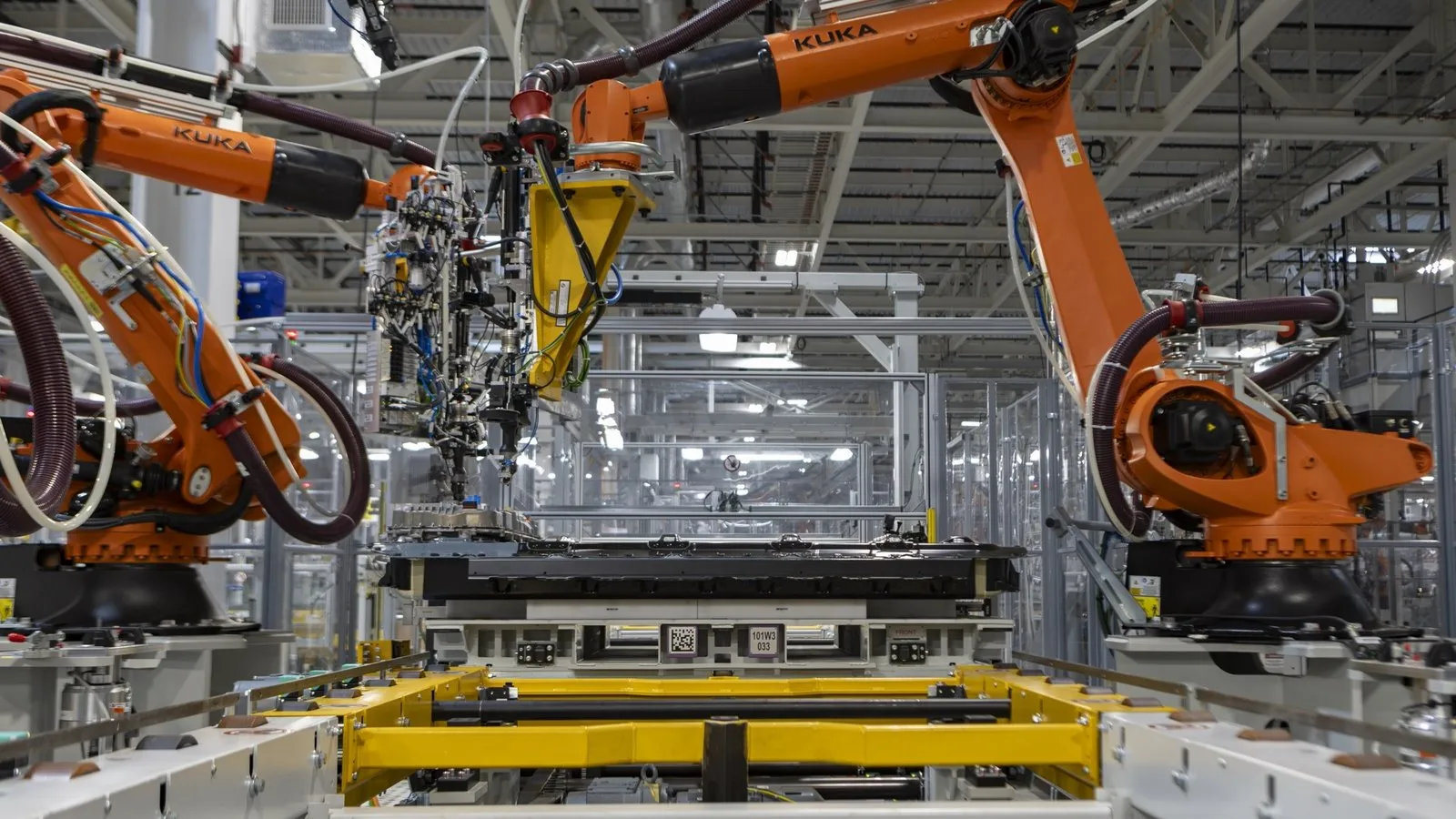
The cylindrical round cells are integrated directly into the battery without modules (Cell-to-Pack). Upon receipt, the factory measures various parameters of the cells, including voltage. After that, they are connected with coolers to form cell clusters. The clusters and cell contact systems are cleaned and welded using a laser, with each weld seam being inspected. A foam then binds all components together into a mechanical unit, before the casing is closed, sealed, and welded shut. Finally, the factory installs the central control unit, the Energy Master. Each battery undergoes testing before being sent to Spartanburg.
In Woodruff, more than 300 employees and around 250 robots work together. According to BMW, all production steps are monitored and documented, with specially developed AI assistants and agents analyzing the data. The goal, per the company, is error-free manufacturing. Digital twins of the facilities and virtual reality applications were used for planning even before operation began. All production staff also undergo VR training, practicing the processes in a virtual replica of the production lines.
Just over three years from construction start to series production
The facility was built starting in September 2023. Starting in September 2024, BMW set up the production equipment during the construction phase, and by summer 2025, the first test and pre-production batteries were produced. Thus, there is a little over three years between the start of construction and mass production. Engelhorn notes that BMW had announced it would manufacture fully electric models in the U.S. by the end of 2026. The announcement does not provide details on the investment amount or production capacity.
Secondary Materials and Renewable Energy
According to BMW, the Gen6 cells used in the iX5 contain a high proportion of secondary materials for cobalt, lithium, and nickel. The company states that renewable energy is utilized in the production of anode and cathode materials as well as in cell manufacturing. BMW claims that its Woodruff facility operates without fossil fuels under normal conditions, with the vehicles used for site transportation running on hydrogen.
For the new Gen6 batteries, what do you consider more important in daily use: longer range or faster charging time?
Advertisement