
BMW i3 vs Mercedes Class C Electric: Nearly 1,000 kilometers to determine their true range
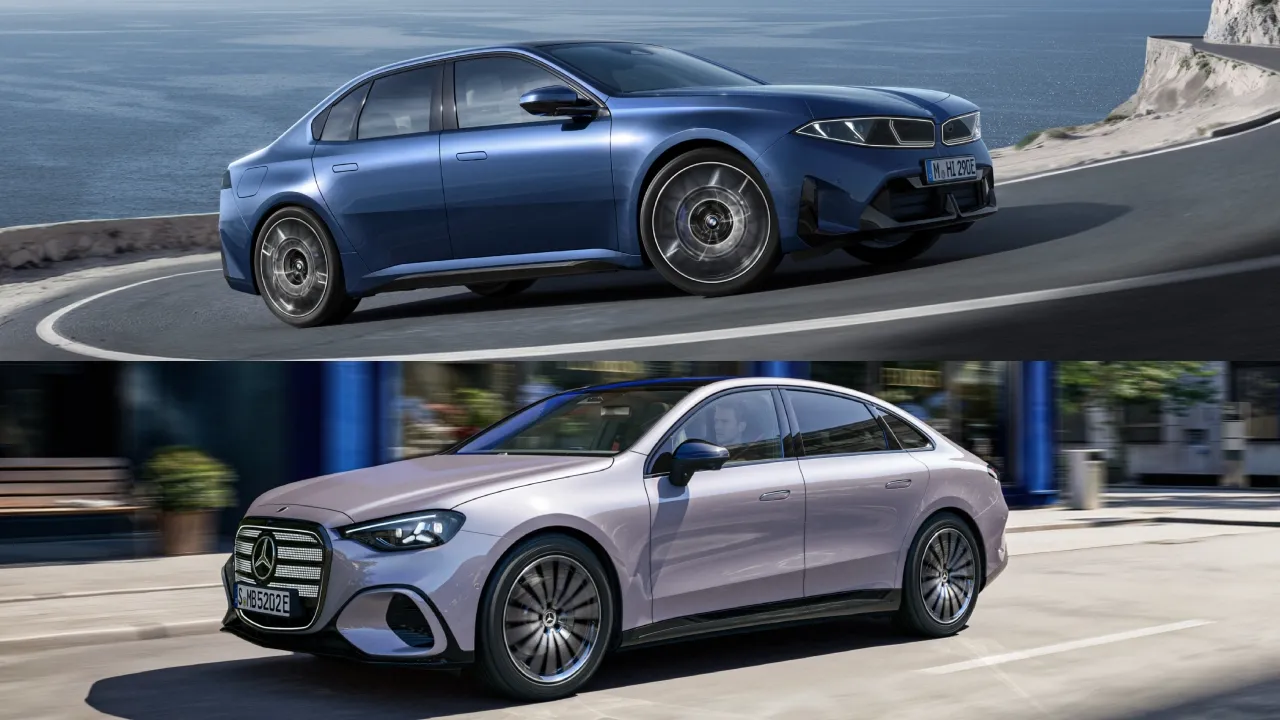
The arrival of a new generation of electric sedans is increasing supply and competition. BMW and Mercedes have decided to take action with two new models aimed at restoring German brands’ dominance in this segment.
To see how far they’ve come, British journalists from What Car? put the new BMW i3 and the electric Mercedes Class C head to head in a long-distance test drive from London to Land’s End, in the southwest of England, including the return trip. The route covered 935 kilometers, mostly on highways but also including secondary roads, with charging stops along the way, all under temperatures ranging from 8 to 12 degrees Celsius.
The goal was not merely to compare their technical specifications, but to determine which offers greater real-world range, which consumes less energy, how they perform on the road, and most importantly, whether the price differences are justified.
Range, consumption, and charging: the BMW i3 takes the lead
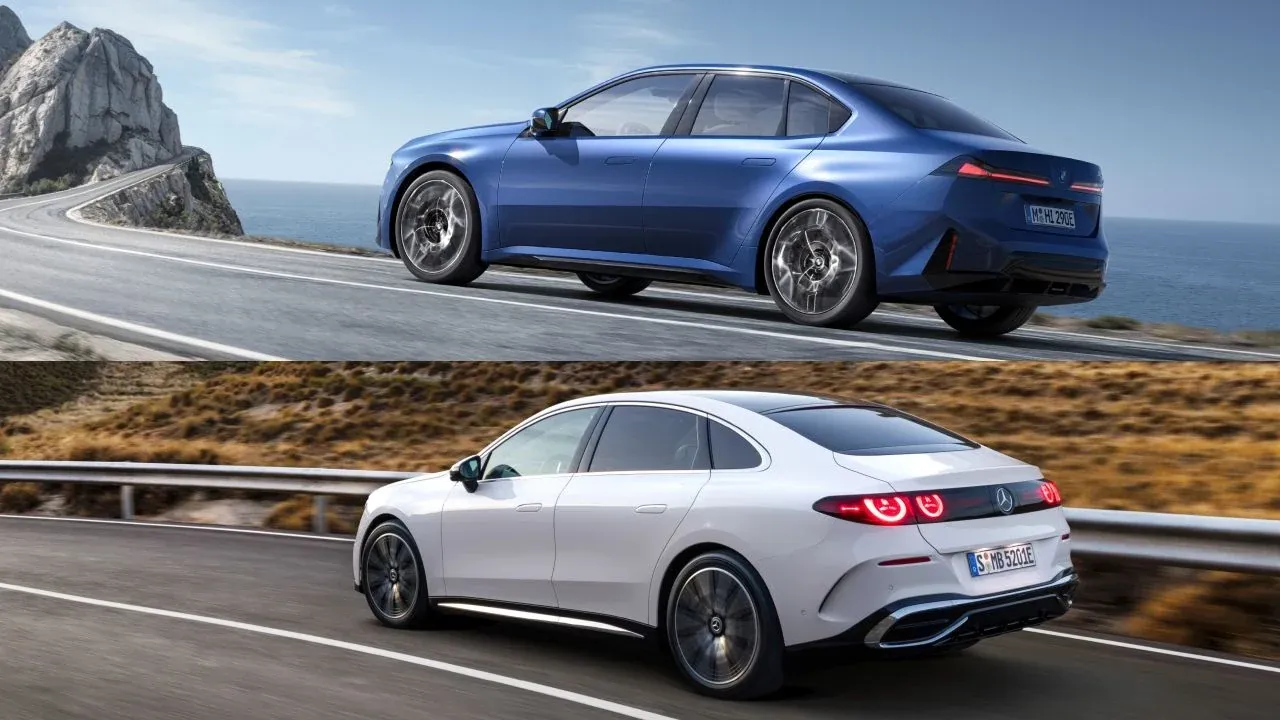
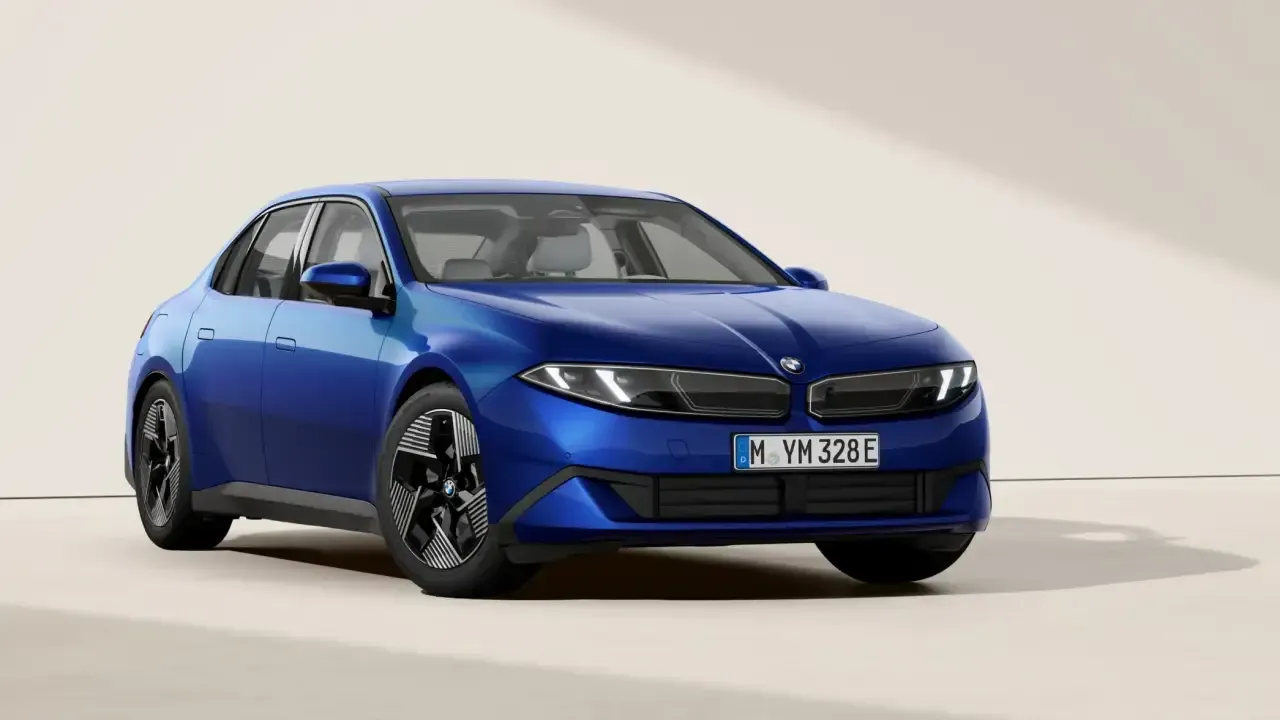
The BMW i3 used in the test is the 50 xDrive version, equipped with a 108.7 kWh battery and an approved WLTP range of up to 912 kilometers. However, the unit tested, featuring an M Sport First Edition finish and 20-inch tires, reduces this figure to 859 kilometers. This represents a 53-kilometer reduction in range due to the allegedly improved aesthetics of the larger tires.
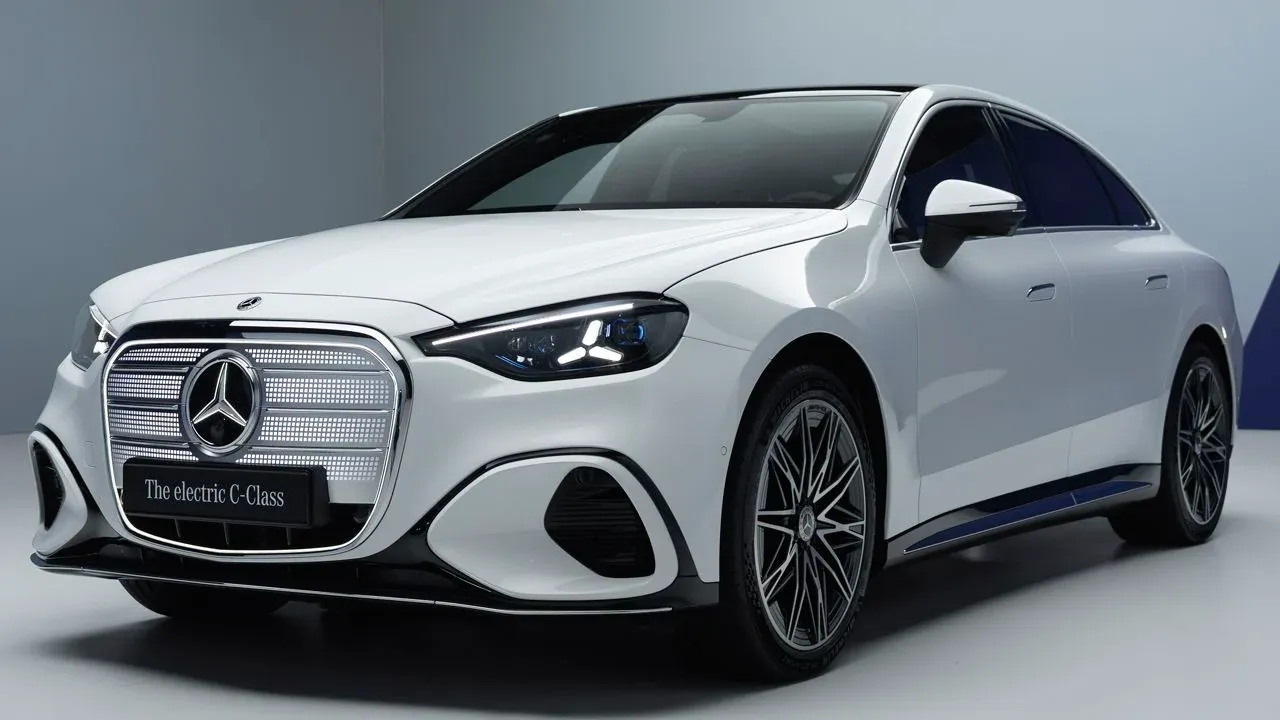
The Mercedes Class C 400 4MATIC uses a 94.5 kWh battery and offers a maximum range of 743 kilometers according to WLTP standards. The Premier Edition variant, also equipped with 20-inch tires and numerous additional features, achieves around 689 kilometers of range. This is the same as the i3, but the issue is somewhat more severe for the Class C, as it loses 54 kilometers in range due to the larger tires.
Despite this, on paper, the BMW has a significant advantage, but real-world driving conditions have narrowed the gap considerably.
Actual Range and Fuel Consumption Results
After traveling 512 kilometers, the two cars reached their first charging stop with significant differences in their remaining battery percentages. The BMW still had 14% left, while the Mercedes had dropped to 4%.
By extrapolating these results to when their batteries would be completely drained, the journalists calculated the following ranges:
BMW i3 50 xDrive: 594 kilometers in real conditions.
Mercedes Class C 400 4MATIC: 533 kilometers in real conditions.
The difference was 61 kilometers in favor of the BMW, although the Mercedes managed to get closer to its rated range. The i3 lost approximately 31% compared to its WLTP range, while the Class C fell 23% short.
One of the most interesting results was fuel consumption. Despite differences in battery, design, and technical approach, both cars ended up with figures that were extraordinarily close to each other.
The BMW required 183.8 kWh of energy to complete the distance, while the Mercedes used approximately 185.4 kWh. Calculating efficiency based on the energy supplied during charging, including losses from the process, the results were:
BMW i3: 19.7 kWh/100 km.
Mercedes Class C: 19.9 kWh/100 km.
The BMW’s advantage was minimal, at just 0.2 kWh/100 km. This shows that the i3’s greater range stems primarily from its larger battery capacity, rather than a significant difference in efficiency.
Fast charging, the major weakness of the test
Both models feature ultra-fast charging systems. The BMW i3 supports up to 400 kW, with an advertised time of 21 minutes to go from 10% to 80% charge. The Mercedes can handle 330 kW and claims to complete the same charge process in 22 minutes. However, the actual experience was quite different.
The journalists used a charging station with six 300 kW ports that was practically empty, after pre-conditioning the batteries. Despite this, neither car managed to approach its maximum charging capabilities.
The BMW took 38 minutes and 2 seconds to go from 20% to 80%, while the Mercedes took 39 minutes and 20 seconds. For higher charge levels up to 90%, the BMW achieved an average power of 110 kW, compared to 95.8 kW for the Mercedes.
The conclusion is important: having a car capable of charging at 300 or 400 kW does not guarantee that you can utilize that power, even when using stations advertised as ultra-fast with little occupancy. There are variables that can affect the actual results, and many of these have nothing to do with the car or the charging station, but rather with the local electricity supply.
Regarding energy costs, using only public chargers at 0.79 pounds/kWh, the BMW incurred 145.13 pounds while the Mercedes cost 146.50 pounds. If the last charge had been done at home at 0.26 pounds/kWh, the costs would have dropped to 93.86 pounds and 95.91 pounds, respectively.
The Mercedes stands out in comfort and dynamic performance
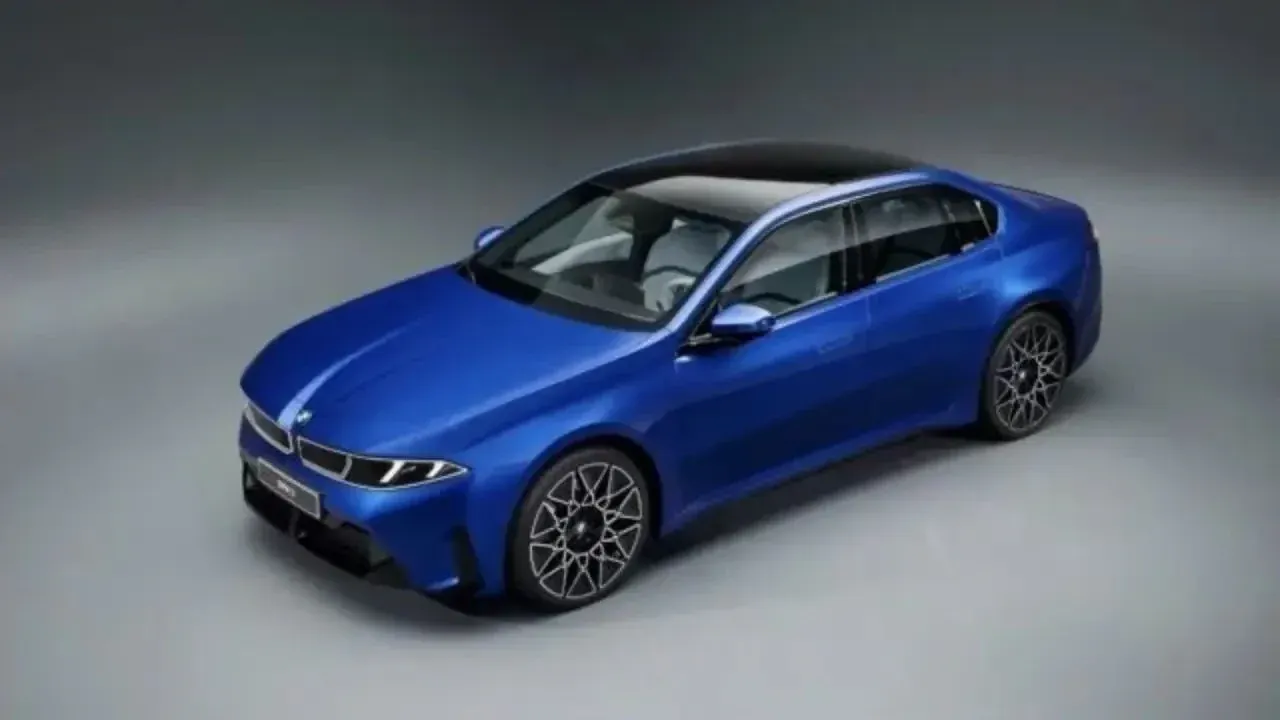
Although the BMW had an edge in range and efficiency, the Mercedes proved superior in most aspects related to driving experience.
The i3 stood out for its stability, precise handling, and ability to navigate curved roads with great confidence. Despite weighing around 2.3 tons, it delivers a notable sense of agility.
However, testers encountered some drawbacks. Its suspension is relatively stiff, noise from the shock absorbers is audible when passing over uneven surfaces, and the sound insulation falls short of what would be expected for a sedan at its price point.
The Mercedes Class C, equipped with air suspension and rear-wheel steering, offered a significantly more refined driving experience. Its cabin was quieter, the suspension handled imperfections better, and the overall feel was that of driving a car in a higher category.
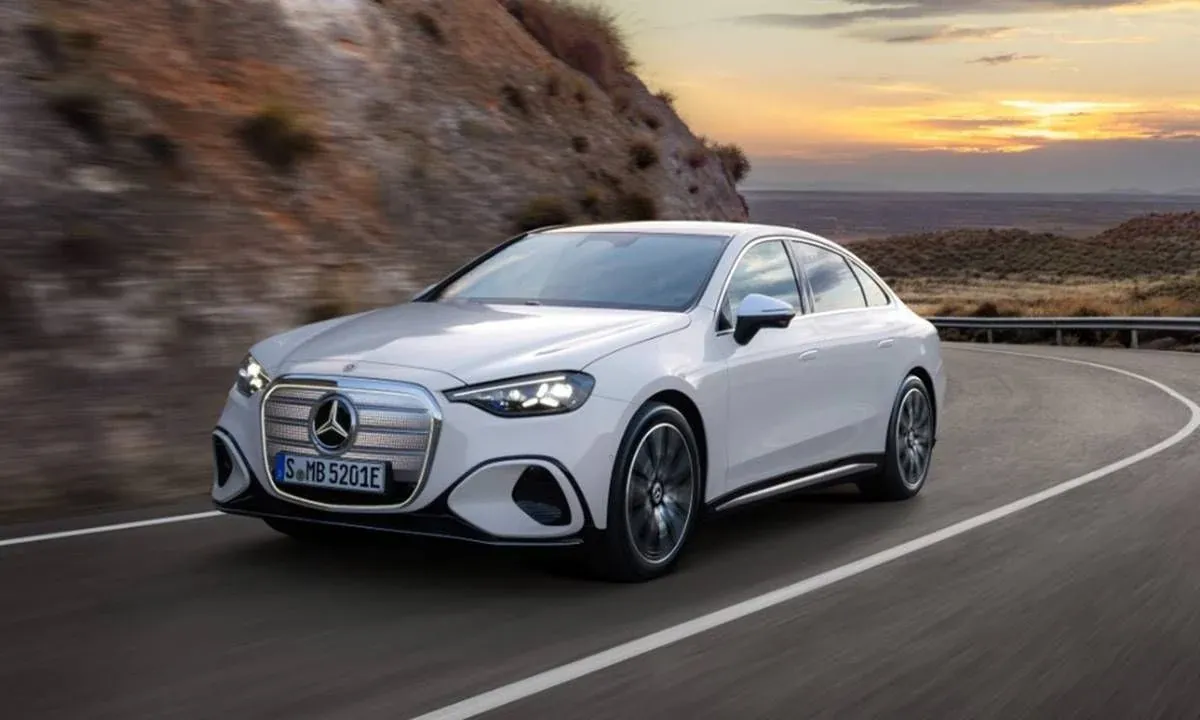
The most surprising aspect was evident on winding roads. With the sport mode activated, the Mercedes reduced body roll and provided a driving experience that journalists found even more satisfying than that of the BMW.
They also praised the ability to adjust regenerative braking using levers behind the steering wheel, a feature not available in the i3. Additionally, the rear steering aids maneuvering in tight spaces.
Interior, quality, and space
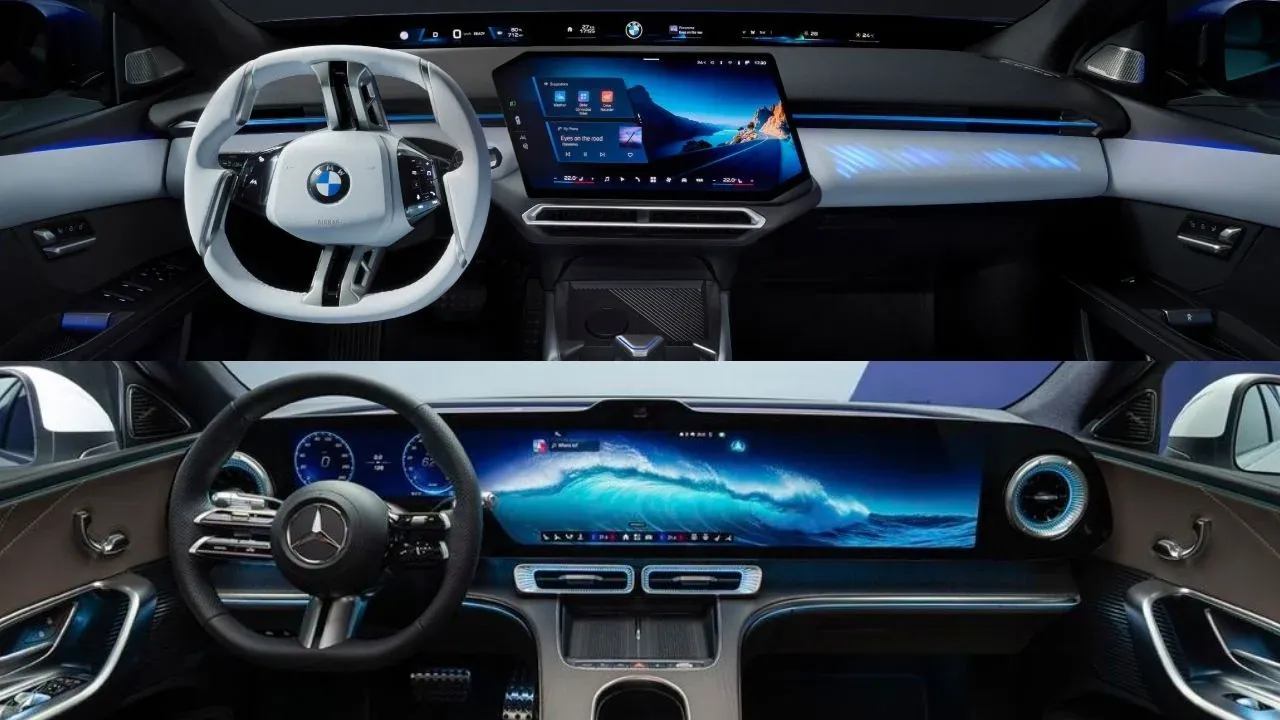
The BMW features a modern interior with a panoramic instrument panel and a multimedia system that journalists find intuitive. However, they criticized its reliance on screens for basic functions, including some seat and climate controls.
They also found hard plastics in the lower areas of the interior and door compartments without lining, which causes noise when carrying items.
The Mercedes offers a slightly higher perception of quality, more pleasant materials, and a screen system that includes one dedicated to the passenger. Its seats are firmer, while those in the BMW feature a initially softer feel.
Neither vehicle excels in terms of rear-seat space. The batteries placed under the floor and the relatively low body styles limit comfort for adult passengers.
The Mercedes gains a slight advantage thanks to a more natural driving position and slightly more legroom.
In terms of cargo capacity, the Class C also has the edge, with 470 liters of trunk space and another 101 liters under the front hood, compared to the BMW’s 420 liters, which has a much smaller front compartment.
Price and final verdict
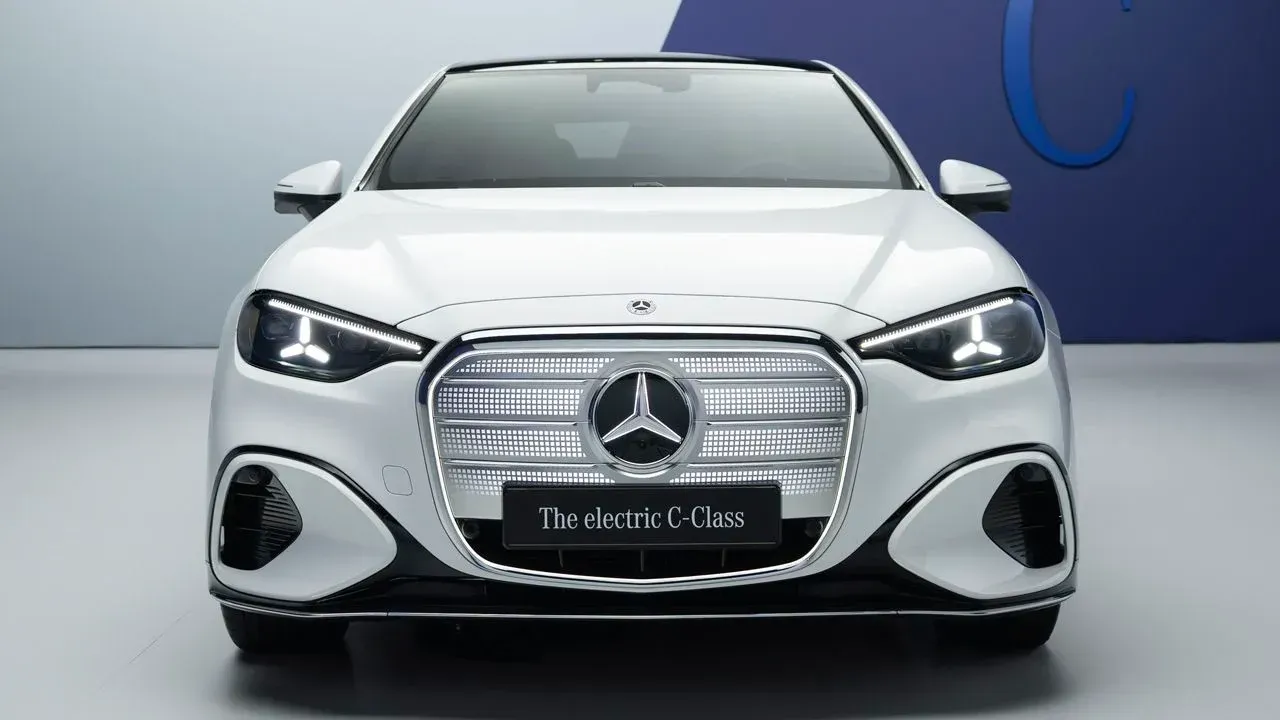
Regarding prices, the BMW i3 50 xDrive starts at 65,437 euros in Spain, while the Clase C 400 4MATIC begins at 69,800 euros. However, the test versions come equipped with more features and significantly exceed these prices.
In contrast, the Mercedes includes amenities such as an electrochromic panoramic sunroof, heated rear seats, two wireless chargers, and a screen for the passenger. Its air suspension and rear steering also play a key role in its superior dynamics, though they are part of an expensive optional package.
For testers, the winner of the comparison was the electric Mercedes Class C. Journalists believe it offers significantly better ride comfort, improved sound insulation, a slightly more refined interior, and surprisingly good dynamic performance.
On the other hand, the BMW is more economical, has a longer range, and offers superior charging performance on paper. Therefore, it remains a particularly interesting option for those who prioritize the balance between price, range, and features.
The comparison leads to an interesting conclusion: BMW has created an exceptionally capable electric sedan for long-distance travel, but Mercedes has shown that efficiency isn’t the only key factor. Comfort, insulation, and driving quality can also make a significant difference.
Comparison Table: BMW i3 vs. Mercedes Electric Class C
Feature
BMW i3 50 xDrive
Mercedes C 400 4MATIC
Battery
108.7 kWh
94.5 kWh
Maximum WLTP range
911 km
727 km
WLTP tested unit range
859 km
689 km
Estimated actual range
594 km
533 km
Difference from WLTP
-31%
-23%
Actual consumption with charging losses
19.7 kWh/100 km
19.9 kWh/100 km
Maximum DC charging power
400 kW
330 kW
Official charge 10-80%
21 min
22 min
Actual charge 20-80%
38 min 2 s
39 min 20 s
Average observed charging power
110 kW
95.8 kW
Rear trunk
420 liters
470 liters
Front trunk
31 liters
101 liters
Suspension comfort
Firm
Very high
Sound insulation
Improvable
Excellent
Cornering performance
Precise and stable
More satisfactory in testing
Starting price in Spain
65,437 euros
69,800 euros
Final rating
Best range and price
Winner for comfort and driving