
BMW i3 50 xDrive covers 5,886 kilometers with a charging time of just under three hours
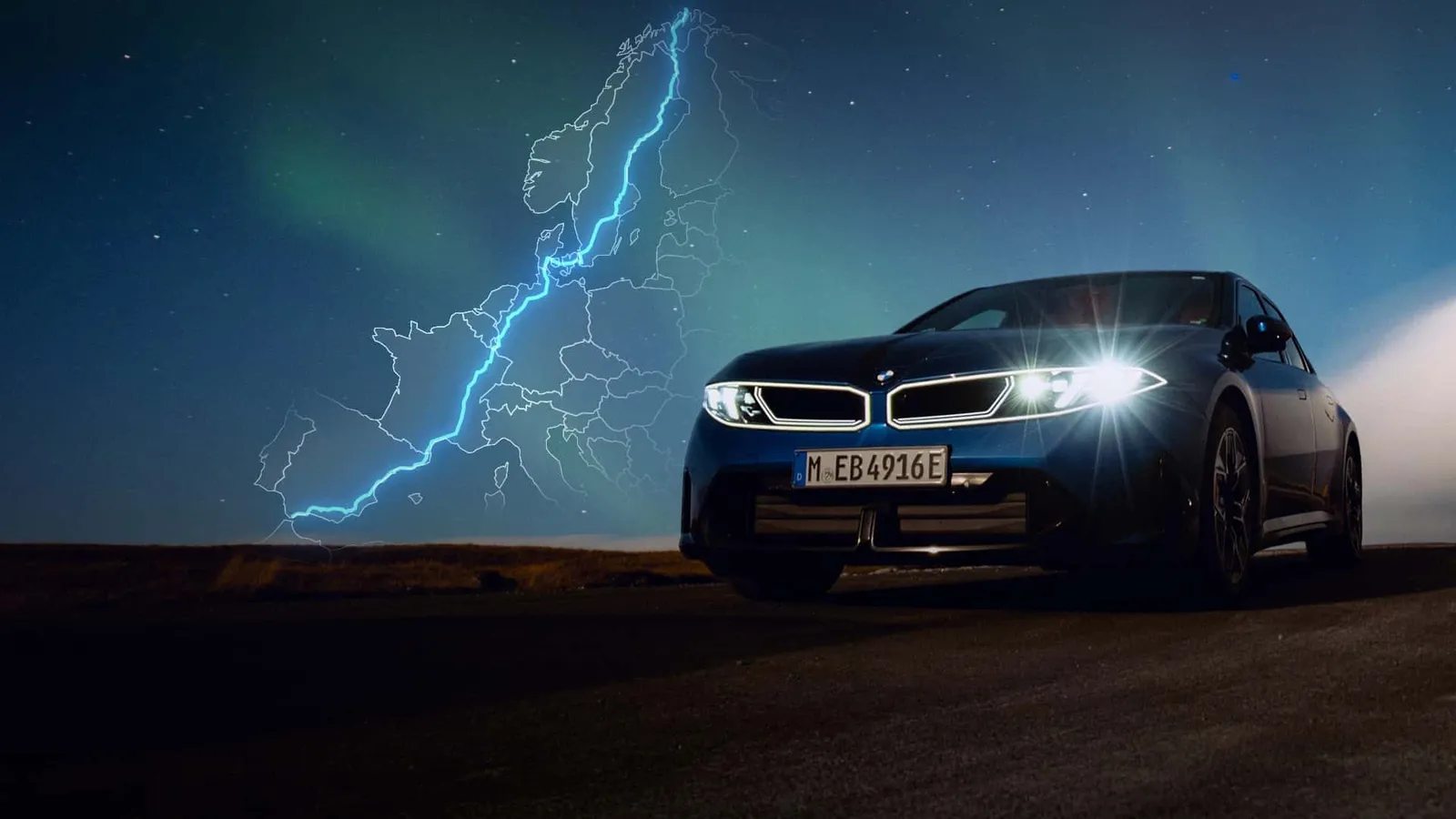
The BMW EfficientDynamics team subjected the new BMW i3 50 xDrive to a comprehensive long-distance test as part of the Paneuropeana project. This testing route, created by Rafael de Mestre, is regarded in the automotive industry as a rigorous benchmark for the real-world efficiency, charging speed, and practical long-distance suitability of electric vehicles.
The designated route spans across the European continent, connecting the northernmost point in mainland Europe reachable by vehicle, located at Cape North in Norway at 71° 10′ 21″ N, with the southernmost point of the European mainland in Tarifa, Spain at 36° 0′ 23″ W.
Image gallery: BMW i3 50 xDrive from Cape North to Tarifa
When it comes to driving, the focus is not on achieving the highest speed, but rather on optimizing the charging infrastructure and route planning by taking into account external factors such as weather conditions, topographical features, and the current traffic situation on highways, country roads, and through towns.
During the test drive, the BMW i3 50 xDrive crossed a total of eight European countries, covering a distance of exactly 5,886.7 kilometers. The actual driving time was 3 days, 2 hours, and 41 minutes, corresponding to an effective average speed of 79.7 km/h. The average energy consumption over the entire distance was 12.5 kWh per 100 kilometers.
Under three hours at the charging station
This practical value is significantly lower than the official combined standard fuel consumption of the i3, as determined under the WLTP testing procedure, which ranges from 13.4 to 18.0 kWh per 100 kilometers. The total cumulative time for all required fast charging sessions at publicly available high-performance charging stations was 2 hours, 45 minutes, and 54 seconds, at an average charging power of 275 kW. As a result, the test vehicle beat the previous distance record set in 2017 by more than seven hours.
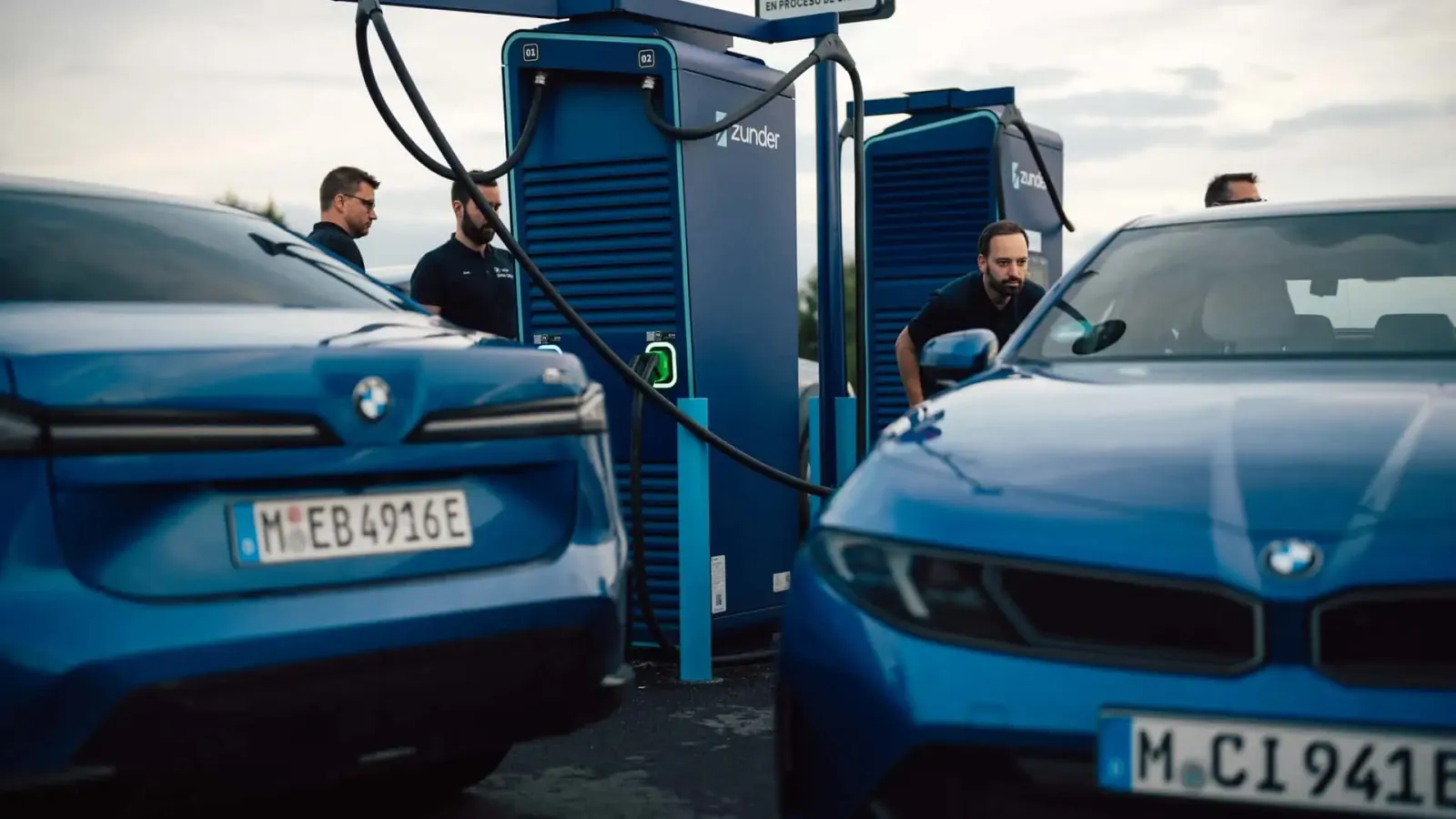
In the BMW i3 50 xDrive from Cape Town to Tarifa
Image by: BMW
The vehicle was driven by one engineer each time, accompanied by a similar model as well as a BMW iX3 50 xDrive. All vehicles used fully matched the regular production specifications in terms of hardware and software.
The test vehicle utilized is based on the New Class platform and features the sixth generation of BMW eDrive technology. The powertrain combines an electric motor at each axle to create all-wheel drive, delivering a system power of 345 kW (469 horsepower) and a maximum torque of 645 Nm. The vehicle accelerates from 0 to 100 km/h in 4.7 seconds and has a top speed of 200 km/h.
The lithium-ion-based high-voltage battery has a usable energy capacity of 108.7 kWh and is integrated directly into the vehicle’s body structure following the Cell-to-Pack and Pack-to-Open-Body design principles. The maximum range according to the WLTP standard is up to 912 kilometers. Thanks to the improved 800-volt electrical system, DC charging speeds of up to 400 kW are supported, allowing the vehicle to recharge enough energy for a range of up to 423 kilometers in just 10 minutes at suitable fast charging stations.
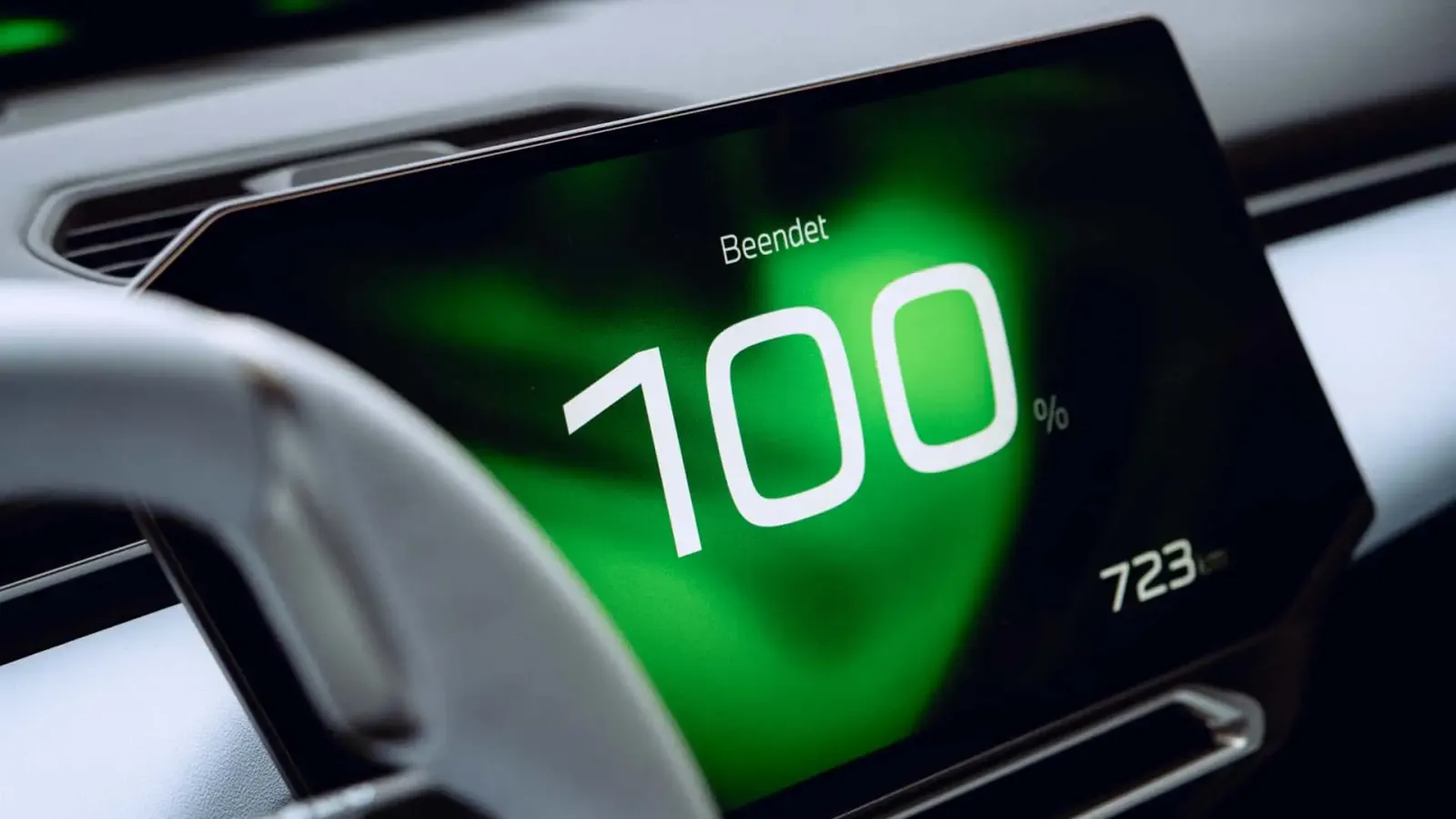
From Cape Town to Tarifa in the BMW i3 50 xDrive
Image by: BMW
In addition to advancements in power electronics and cell chemistry, aerodynamic and mechanical optimizations from the EfficientDynamics program contribute to the vehicle’s overall efficiency. The BMW i3 50 xDrive has a drag coefficient (cW value) of 0.21, achieved in part through the use of 19-inch M Aerodynamik wheels. The tires installed have a rolling resistance that is 14 percent lower than the reference value for Class A in the EU tire labeling system.
In addition, the internal energy losses of the electric motors were reduced by 40 percent compared to the previous generation of drives, while the volumetric energy density of the round cells used increased by 20 percent compared to the previous prismatic cells. During braking, the central control system handles over 95 percent of all braking actions through the electric motors, allowing a large portion of the kinetic energy to be recovered into the high-voltage battery.
Learn more about the new BMW i3: