
BMW: Battery cells to be supplied by Samsung SDI and LG in the future
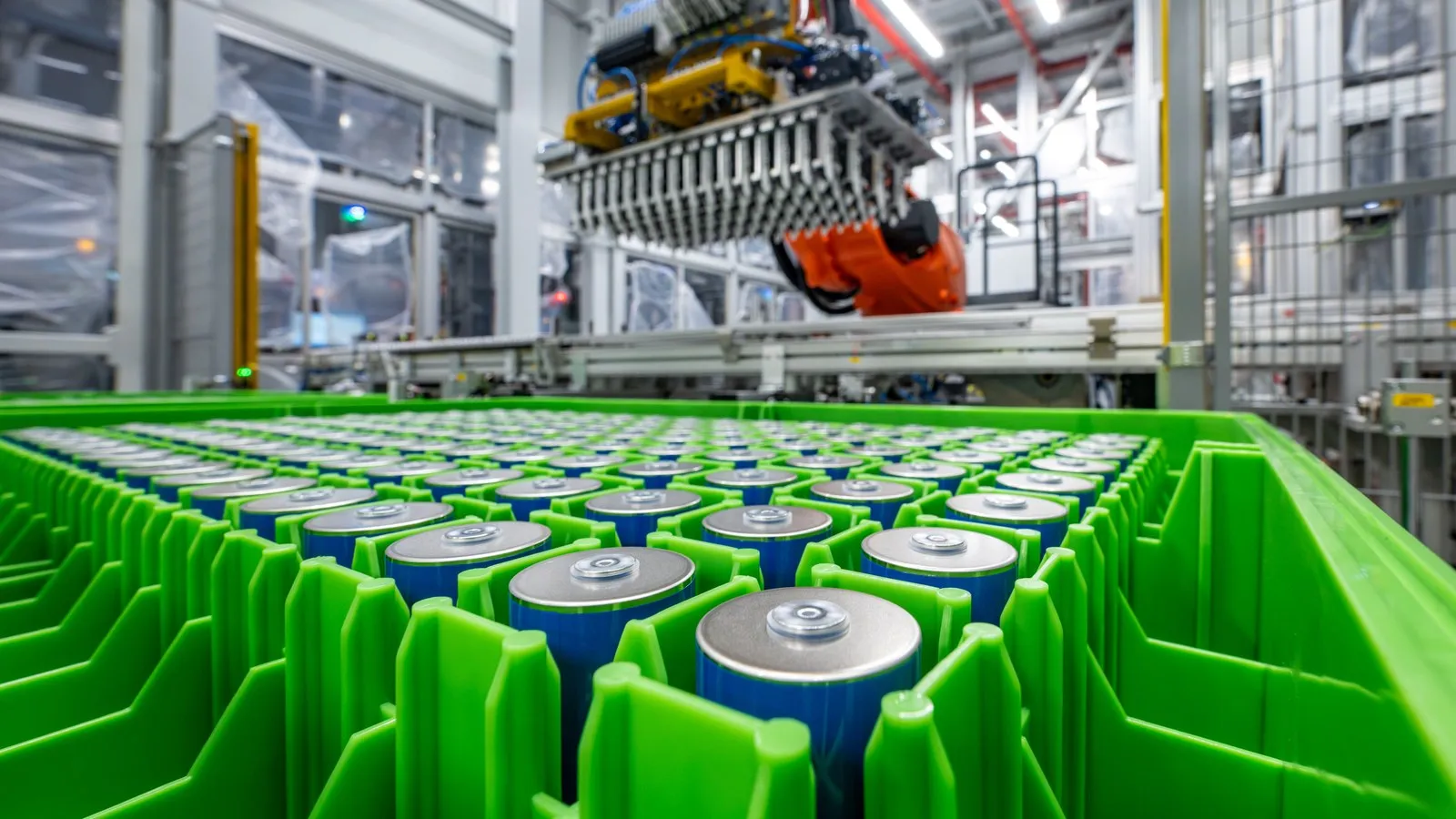
BMW has contracted two additional cell suppliers for the high-voltage batteries of the sixth generation: Samsung SDI is set to supply from Europe starting in the late 2020s, while LG Energy Solution will supply from the United States. Both companies will supply BMW using their existing facilities in those regions.
Advertisement
BMW already has experience with battery cells from Samsung SDI. In 2018, the manufacturer increased the capacity of the first BMW i3 to 42 kWh using improved cells from Samsung SDI, without altering the battery’s dimensions. For the new battery generation used in the New Class models, the Korean cell manufacturer is once again involved. On November 9, BMW announced that it had contracted additional cell suppliers for the sixth-generation (Gen6) high-voltage batteries.
Samsung SDI for Europe, LG Energy Solution for the USA
Samsung SDI is supposed to supply cells in Europe, while LG Energy Solution will supply them in the US. According to the announcement, both manufacturers will supply BMW with cells from existing facilities in their respective regions starting from the late 2020s. BMW does not specify which facilities these are or what quantities were agreed upon. In Europe, BMW will henceforth obtain cells for its Gen6 batteries from three manufacturers: CATL, EVE Energy, and Samsung SDI. The announcement does not mention any additional suppliers for the US.
BMW cites the “Local for Local” principle as the reason for this move: components should be purchased as much as possible in the regions where the vehicles are also manufactured. According to BMW, this reduces transportation distances and improves supply security. A broad network of suppliers is also intended to make the company more resilient and flexible. Purchasing executive Nicolai Martin explains that BMW aims to operate as locally as possible within the value chain and to strengthen value creation in Europe and the U.S. through these new partnerships.
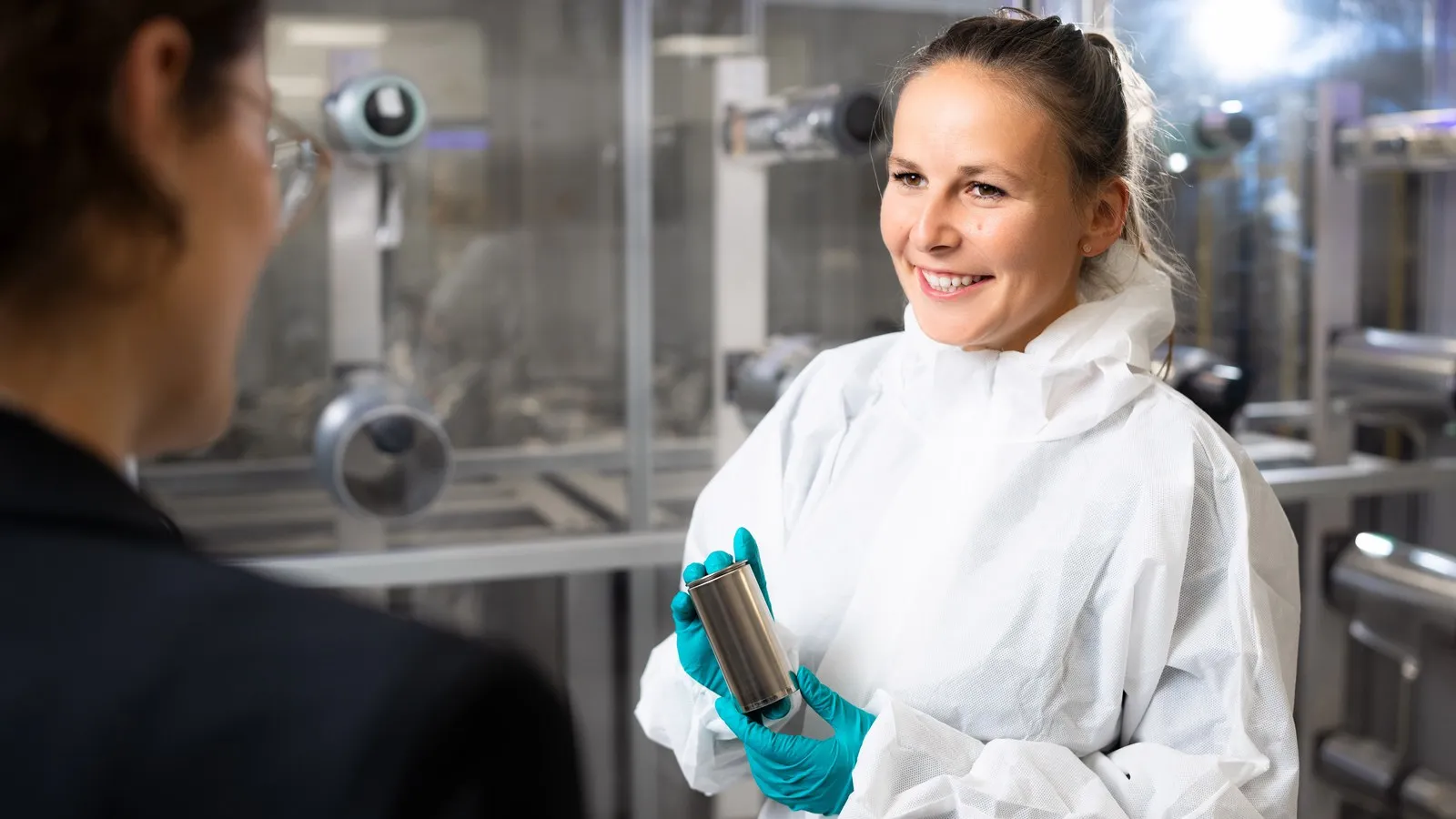
According to BMW, the high-voltage battery affects key characteristics of an electric vehicle such as range and charging speed. The Gen6 batteries use cylindrical cells that are integrated directly into the battery system via modules without any intermediate steps (Cell-to-Pack). Earlier statements from BMW indicated that the sixth generation of cells should offer more than 20 percent higher energy density compared to the previous generation, while also increasing charging speed and range by up to 30 percent.
Advertisement
Assembly at five battery factories
The cells are assembled into batteries at five new facilities that BMW has built near its vehicle plants: in Irlbach-Straßkirchen (Lower Bavaria), Debrecen (Hungary), Shenyang (China), Woodruff (USA), and San Luis Potosí (Mexico). As early as July 2025, BMW demonstrated how it is preparing for the mass production of Gen6 batteries at these five locations, building on pilot plants in Bavaria. By partnering with regional cell suppliers, BMW aims to keep supply chains short between cell manufacturers, battery plants, and vehicle factories.
BMW describes the localization of cell production as a highly complex process that requires significant investment and involves cell manufacturers establishing operations locally. The company aims to create regional battery ecosystems in the long term, citing attractive location conditions and feasible policy guidelines as prerequisites. Hendrik Lang, head of procurement and quality for high-voltage batteries at BMW, speaks of a resilient, flexible, and competitive cell supply chain through its network of partners.
Own cell development and recycling in Bavaria
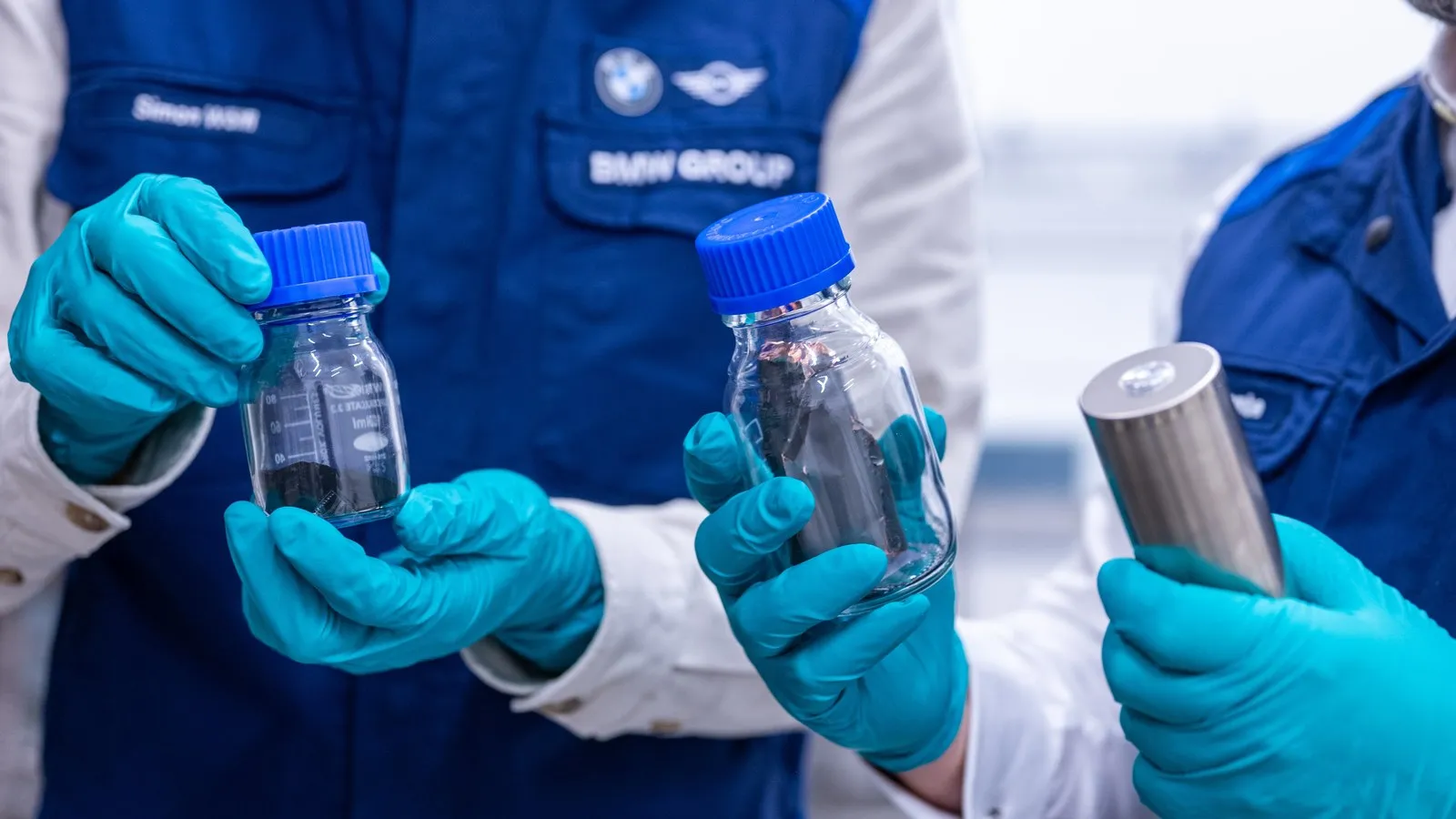
BMW does not produce battery cells in series itself but has partners manufacture them according to its specifications. The company explores new cell technologies at the Battery Cell Competence Center (BCCC) in Munich, while the Cell Manufacturing Competence Center (CMCC) in Parsdorf investigates how to produce these cells with high quality while minimizing resource use. Cells that are close to those used in series are also manufactured and tested there. According to Lang, these competence centers enable the company to shape technological developments and engage with partners on an equal footing.
At the new Cell Recycling Competence Center (CRCC) in Salching, BMW recovers raw materials through direct recycling and reintroduces them into the production process. This method involves mechanically breaking down waste materials from cell manufacturing and entire cells, without any chemical or thermal treatment. The center is built and operated by Encory GmbH, a joint venture between BMW and the Interzero Group. BMW owns the intellectual property for this recycling process.
Does it matter to you when buying an electric car which manufacturer the battery cells come from and where they are manufactured?
Advertisement