
AutoRess-Roadmap: How Electric Cars Can Become More Resource-Efficient
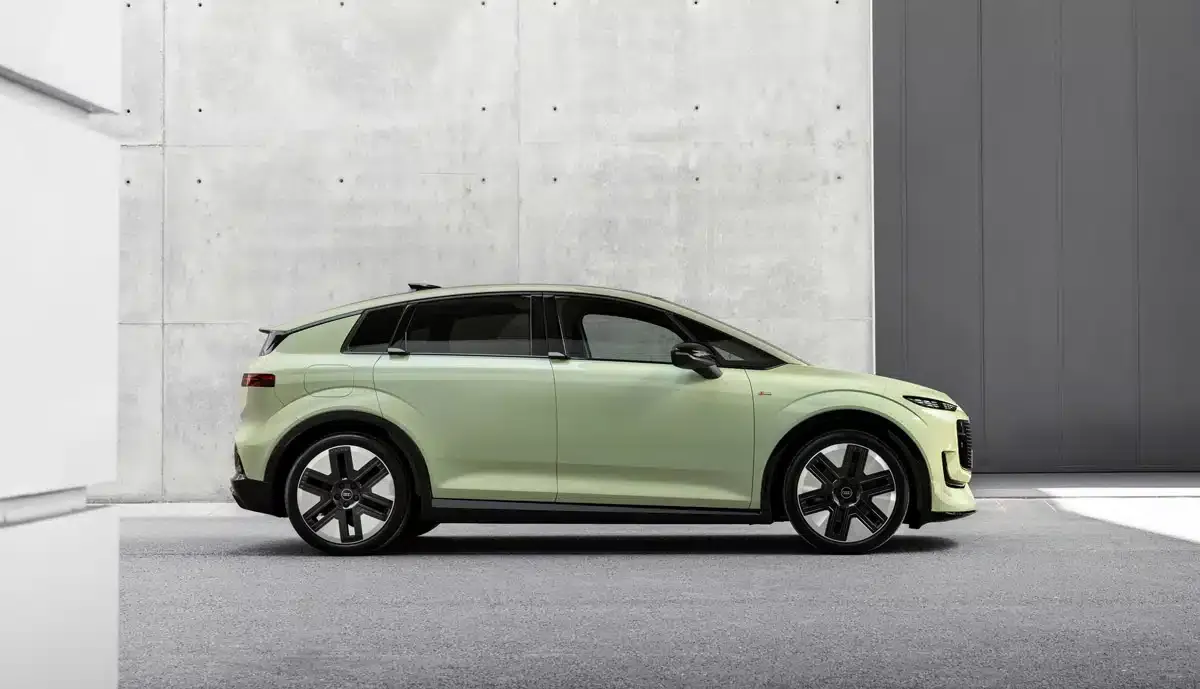
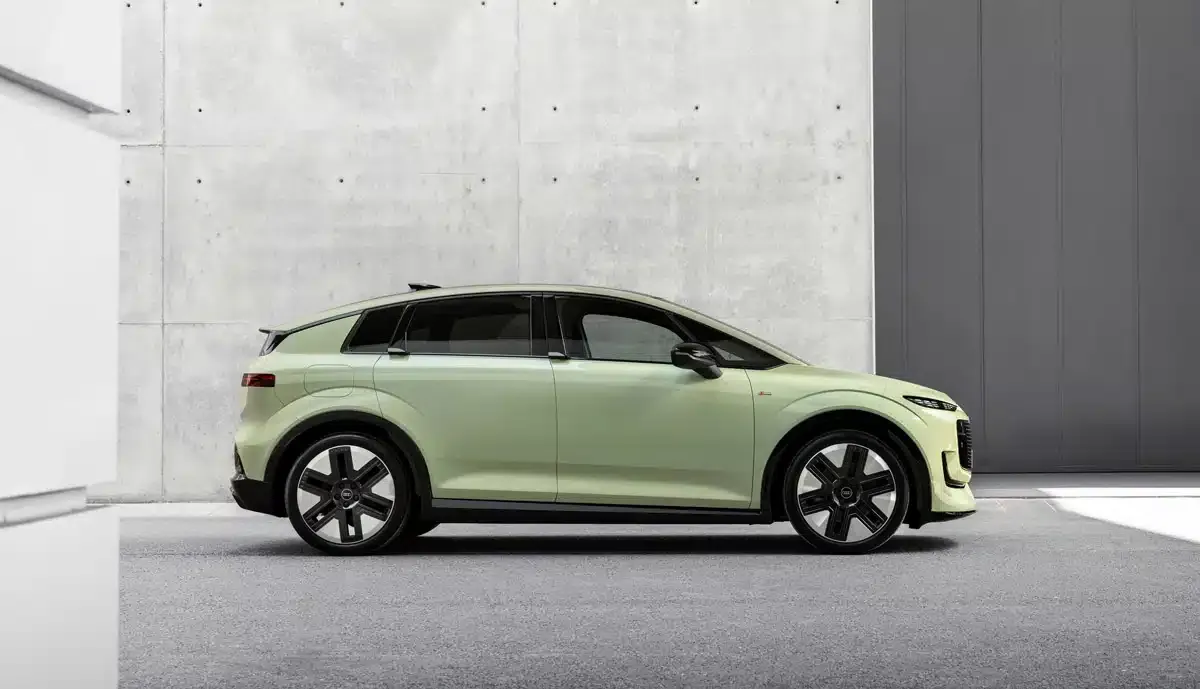
Image: Audi (illustrative)
A new roadmap aims to show how battery electric vehicles can become more resource-efficient and circular. It was developed by the Öko-Institut in collaboration with ifeu, Mehlhart Consulting, and team ewen as part of the AutoRess project on behalf of the Federal Environmental Agency.
The focus is on vehicles that require as few primary raw materials and energy as possible throughout their entire lifecycle, produce low greenhouse gas emissions, and can be recycled high-quality. Through electrification and an increasing share of renewable electricity, greenhouse gas emissions from road transport in Germany could drop by nearly 60 percent by 2045.
The roadmap outlines four key goals for resource-efficient electric vehicles: smaller vehicles and batteries, longer durability, lower energy consumption, and a higher proportion of recycled materials. For urban vehicles, maximum dimensions of 2.39 meters in length and 1.32 meters in width are proposed. Vehicles for long-distance travel with family and luggage should be no longer than 4.50 meters in length and 1.85 meters in width. Smaller electric cars require fewer raw materials, are already available, and could be selectively promoted through government policies when purchased, according to the document.
Durability, Energy Efficiency, and Recycling at the Core
Another goal is a guaranteed vehicle lifespan of 20 years, including software updates. For batteries, the roadmap specifies a minimum guarantee of 300,000 kilometers or 20 years, after which they should still be 80 percent functional. To achieve this, vehicles should be designed modularly, spare parts should be available in the long term, and software and hardware updates should be provided throughout the entire usage period. Minimum guarantees for vehicles, batteries, and spare parts are also proposed, along with long-term obligations on manufacturers to provide repair and maintenance information.
The energy consumption and environmental impact of vehicle production are also intended to be systematically reduced. Proposed measures include a product carbon footprint, long-term life-cycle-based fleet targets, and minimum requirements for battery energy density. Additionally, the roadmap recommends mandatory usage quotas for recycled plastics and recycled steel, as well as higher standards for disassembly and recycling quality. A vehicle circular economy passport is intended to document which recycled materials have been used.
For political implementation, the roadmap proposes a bonus-malus system based on vehicle size, a resource-efficient taxation of company vehicles, and guidelines for public procurement. Additional measures include an energy efficiency labeling system, an expanded manufacturer responsibility system for used vehicles, and regulations for shredding and post-shredding facilities. Valuable components are to be removed, and materials are to be returned to the material cycle as completely as possible without downcycling.
“The debate on sustainable passenger cars must not stop at the propulsion system,” says Jürgen Sutter, senior researcher at the Öko-Institut and author of the roadmap. “If emissions during use decrease, manufacturing, raw material requirements, repairability, and recycling become more important. Therefore, resource protection begins already with vehicle design.”
"A resource-efficient car is not a single technical feature but the result of many decisions throughout its entire lifecycle," emphasizes Sutter. "Smaller vehicles, durable components, repairability, software updates, and high-quality recycling must all be considered together. For this to happen, clear political guidelines are needed — at the EU level and in Germany."
Have you found any errors? Please let us know
by email
about them. Thank you!
Also interesting
About the author
Thomas Langenbucher is an expert in electromobility with professional experience in the automotive industry and finance sector. Since 2011, he has been covering electric cars, sustainable technologies, and mobility solutions on ecomento.de. Learn more.
Reader interactions