
Range: 869 km real-world for the Mercedes EQS
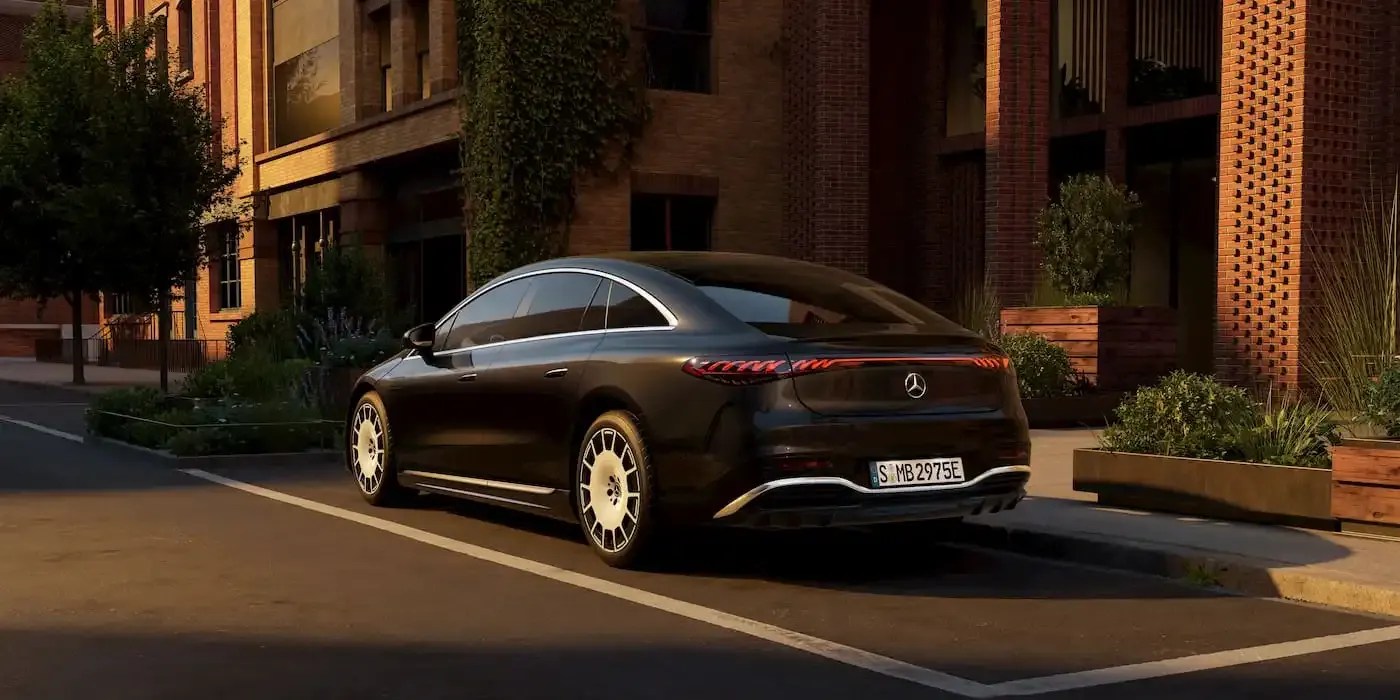
869 km of real-world range per charge. The new Mercedes-Benz EQS 450+ exceeds the EPA’s estimated range by over 115 km. This figure comes from a road test conducted by the industry site Edmunds. It confirms the German automaker’s progress in energy efficiency, charging speed, and battery management.
Approximately 870 km of range at an average speed of 65 km/h
The Mercedes EQS 450+ for the 2027 model year has undergone significant updates, including a 122 kWh battery and an 800 Volt electric architecture. The German automaker claims a range of up to 467 miles, equivalent to about 752 km (according to the EPA cycle).
This figure was significantly surpassed during Edmunds’ test, in which the sedan managed around 869 km before needing to stop for a charge. That’s 117 km more than the official American estimate. The American publication’s range tests include 60% of the driving in urban areas and 40% on highways, at an average speed of just under 65 km/h, with the climate control set at 22°.
Moreover, this represents the highest range ever recorded for an electric sedan in Edmunds’ tests. The result also exceeds that of the Lucid Air, the first electric vehicle to exceed the 500-mile (around 805 km) mark.
Fuel consumption down 13% compared to the past
Notable improvements can also be seen compared to the previous model: the 2025 Mercedes EQS 450+ managed approximately 747 km on a single charge, with an energy consumption of 34 kWh/100 miles. The new version thus sees an increase in range of about 121 km, while simultaneously reducing energy consumption by around 13% (the 2027 model year has a consumption of 29.6 kWh/100 miles).
This improvement is significant from a European perspective as well, where the actual efficiency of electric vehicles becomes increasingly important, especially on highway trips and long journeys. It remains to be seen how the vehicle performs under European homologation and usage conditions, which are not directly comparable to those in the United States.
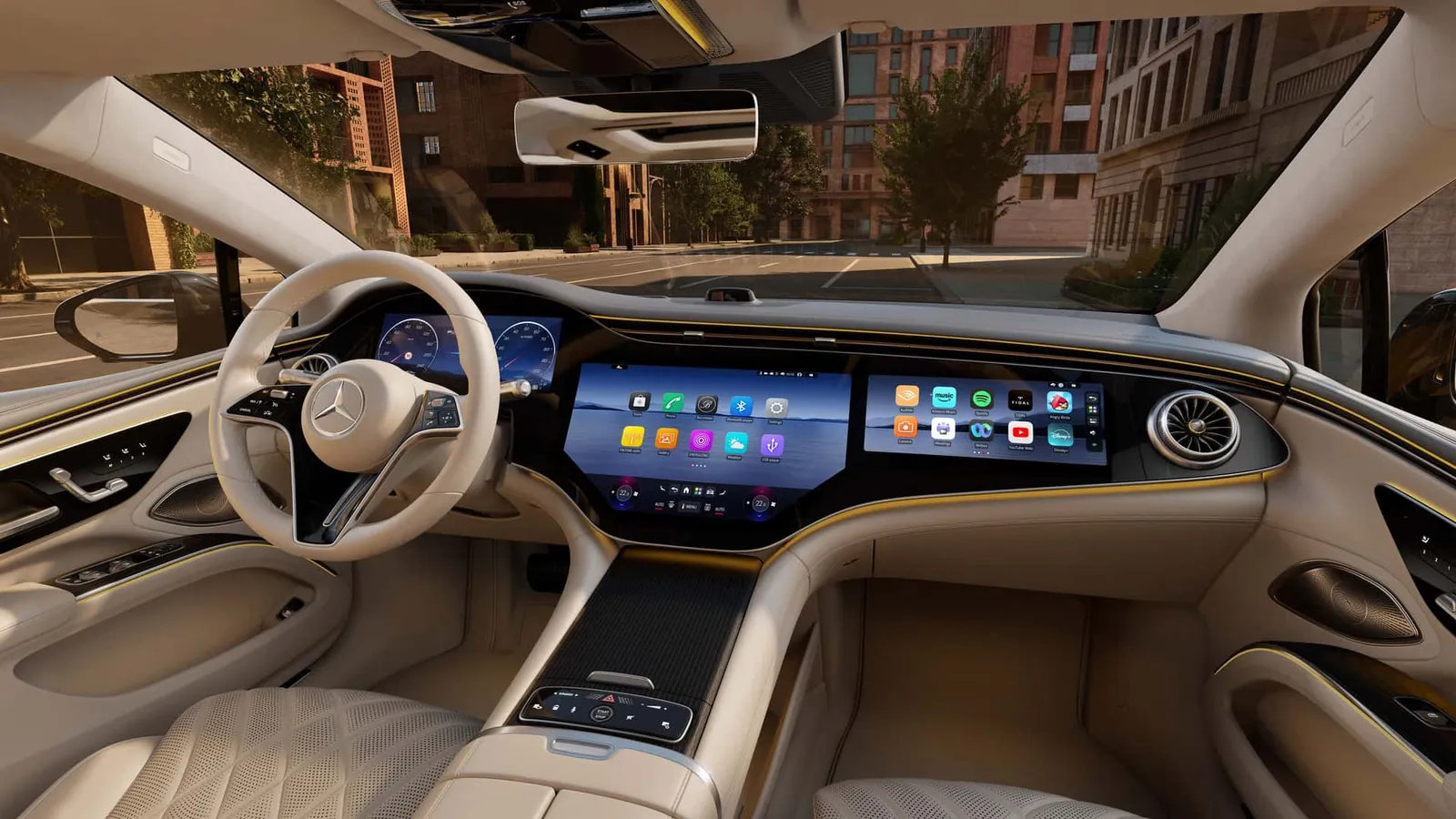
350 kW charging, +160 km in 7 minutes
Another significant advancement relates to charging speed. During testing, Edmunds recorded a peak power of 350 kW, matching Mercedes’ claims, with an average power of 222 kW during the session. Once again, this compares favorably to the previous EQS model: the 2025 version achieved a peak power of 208 kW and maintained an average of 175 kW.
According to test data, the new sedan was able to gain an equivalent of 825 miles of range in just one hour of charging. Even more telling is the time required to add 100 miles (about 161 km): just over seven minutes.
Efficiency challenges also affect BMW and Volvo
Edmunds’ test also highlighted the progress of other next-generation electric vehicles.
For example, a 2027 model year BMW iX3 50 xDrive covered 436 miles, or about 700 km, exceeding its EPA estimate by 44 miles. The measured energy consumption was 28.3 kWh per 100 miles, better than the EPA’s cited reference of 32 kWh. In the same test cycle, the new Volvo EX60 reached approximately 566 km, while the Mercedes GLC Electric came in at 392 miles, equivalent to about 630 km.
As mentioned, these results cannot be directly applied to European WLTP cycles, but they still provide valuable insight into the development of electric vehicle platforms. Competition among premium automakers is shifting increasingly from declared range to the ability to deliver efficiency and fast charging in real-world use.
READ ALSO: “Mercedes Electric Sales Up 61% in 3rd Quarter”
Previous Article
Can I charge another electric car using the V2L system?
Next Article
4 Out of 5 Projects Rejected: Government Takes a Hard Line Against Solar Power