
America's 3 Most Popular SUVs Are About To Be Hybrid Or Electric
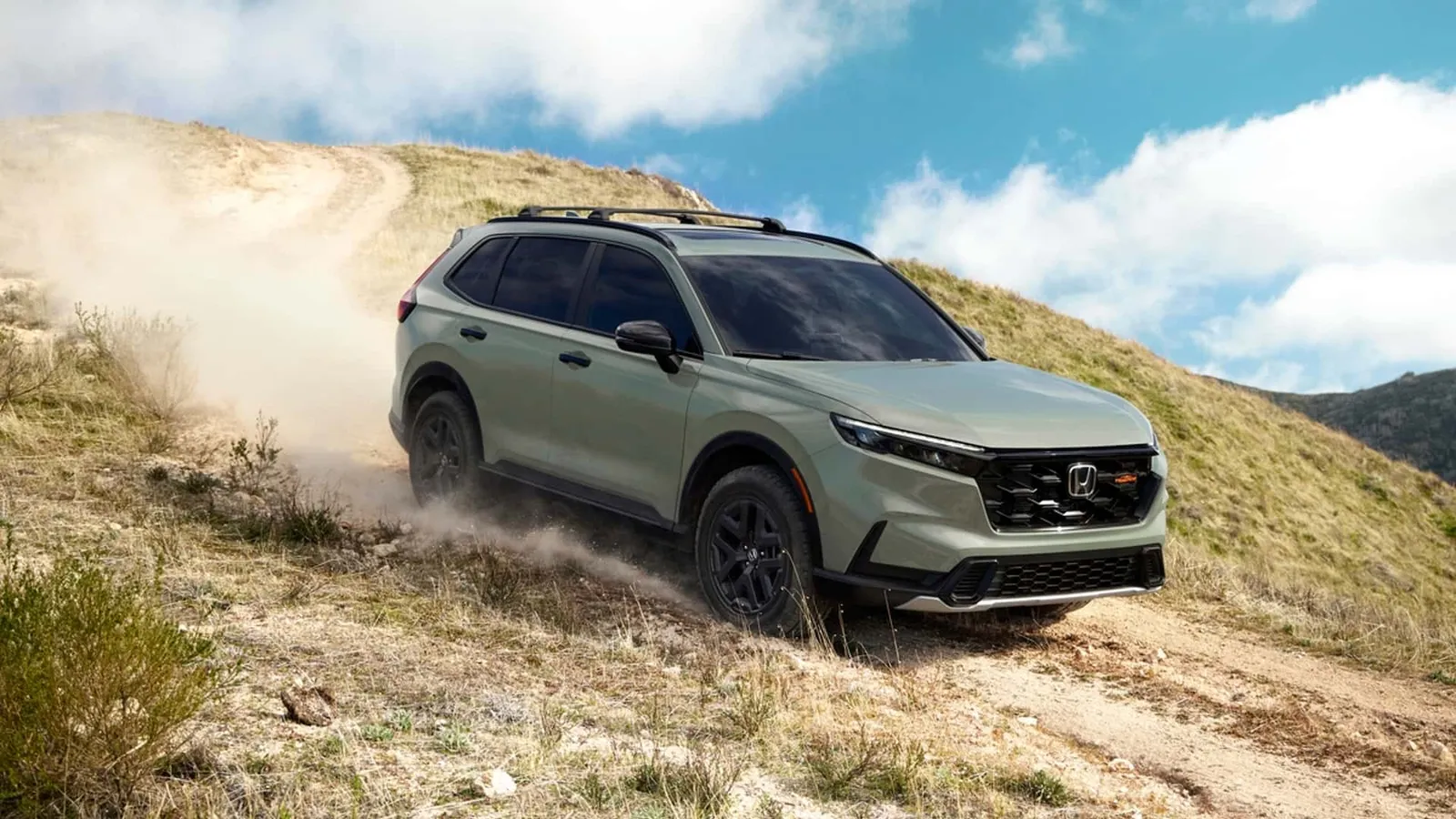
The Honda CR-V is going hybrid-only starting with the 2028 model.
It means America's best-selling SUVs will soon all be electrified in some capacity.
Toyota made the RAV4 hybrid-only recently.
Recent moves from Toyota and Honda prove it once and for all: Pure gasoline options just can't hang with electrified power anymore. On Thursday, Honda announced that its best-selling CR-V crossover will be available exclusively as a hybrid starting with a redesigned 2028 model.
"With a 100% hybrid powertrain, the next-generation Honda CR-V will further expand the appeal of America's most popular SUV as demand for hybrid-electric vehicles reaches record levels," said Luis Guerra, assistant vice president of Honda National Auto Sales.
Arriving next year, the 2028 CR-V will kick off a seventh generation for the SUV and be powered exclusively by a new two-motor hybrid system. Honda says the tech will boost driving efficiency and expand the range where the engine operates most efficiently, as compared with its current hybrid system. Today, the CR-V is available with both hybrid and pure-combustion powertrains.
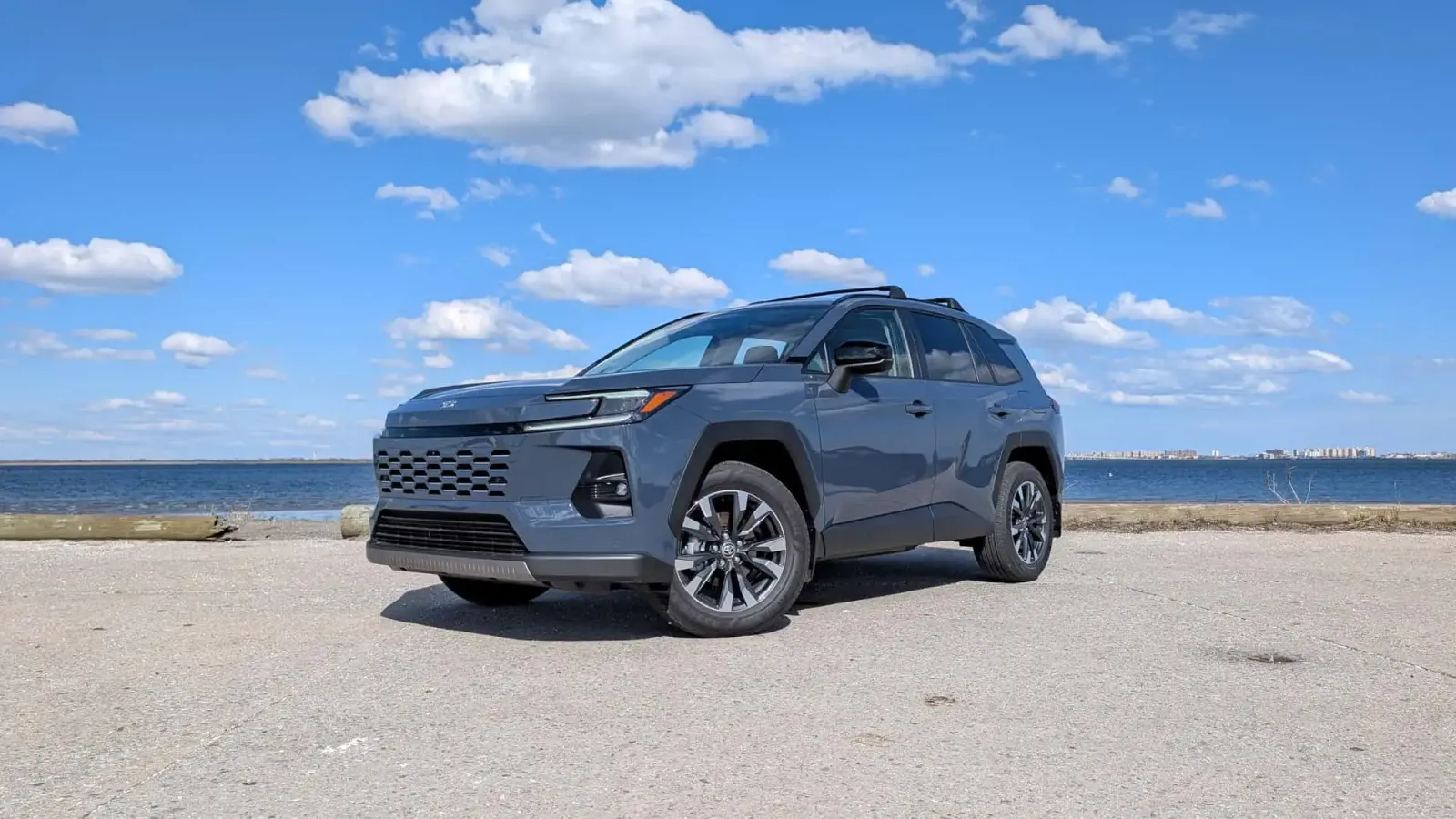
Toyota made the RAV4 exclusively a hybrid starting with the 2026 model. Now Honda is following suit.
Photo by: Suvrat Kothari
The Honda news follows similar decisions by Toyota, which made the RAV4 SUV hybrid-only starting with the 2026 model. (The Camry, too, is now only a hybrid.)
Taken together, it means that soon the top three models in the heart of the U.S. car market will come with some form of electrification. That alone will do a lot for getting people into more efficient cars—even if they aren't ready for an EV yet. In 2025, the RAV4, CR-V, and Tesla Model Y were America's best-selling SUVs, responsible for some 1.2 million sales combined.
The move should give a further boost to hybrid sales in America, which have already been on a tear. In the third quarter, hybrids reached 16% of the U.S. light-duty vehicle market. Chalk it up to growing awareness, higher gas prices, and more options in the marketplace.
Those options are poised to grow even further as more automakers capitalize on growing interest in hybrids—particularly in the SUV segment. Nissan is readying a Rogue Hybrid with a unique hybrid system that makes it drive a lot like an EV. GM is reportedly bringing hybrid powertrains to its three-row SUVs, like the Chevy Traverse and GMC Acadia.
In a sense, it's a wonder the hybrid boom didn't happen sooner. Getting a hybrid instead of a gas vehicle is essentially a no-brainer. You may pay a little more up front, but research shows that the fuel savings over time pay off the difference fairly quickly. According to Consumer Reports, the average hybrid commands a $1,700 premium, but most models pay for themselves within four years.
What do you think?
Just remember: Full EVs are still the cheapest vehicles to run per mile, if you have home charging. They'll always be better for the environment than hybrids too. And the smooth, quiet driving experience is tough to beat. More hybrid Hondas are a step in the right direction, but with the automaker bowing out of the EV game for now, buyers looking to ditch gas entirely will have to look elsewhere.
Contact the author: Tim.Levin@InsideEVs.com
Check This Out