
Germany bans cars from BYD, NIO, and Geely from entering military zones due to fears of espionage: Tesla is not exempt either.
13/11/2026 13:00
Updated to
13/11/2026 13:00
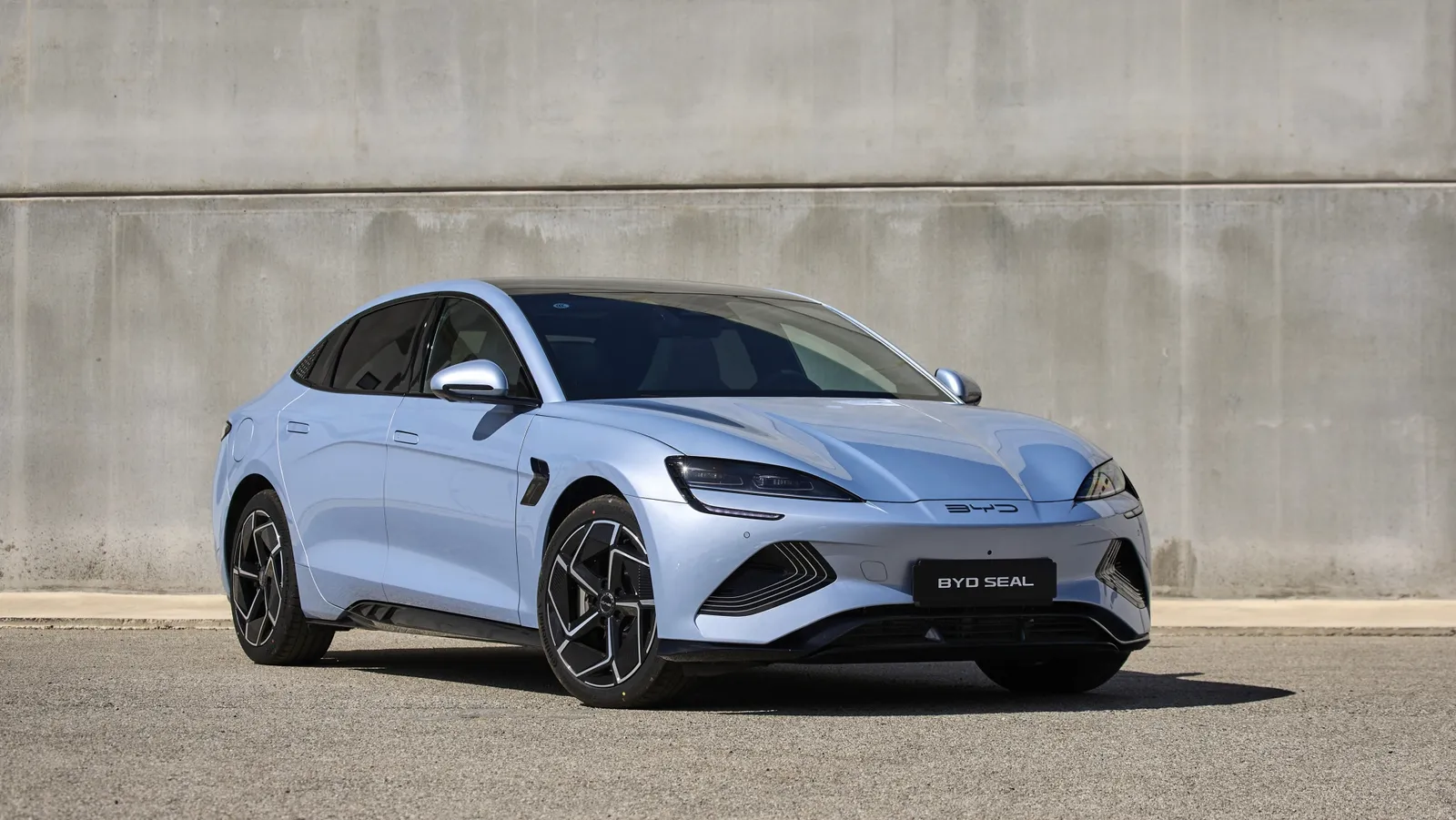
The technology in modern cars has become a concern for the German Armed Forces. The German Army is restricting access to certain connected vehicles at its military installations, fearing that their cameras, microphones, and sensors could collect sensitive information. Among the manufacturers cited are BYD, NIO, and Geely, although authorities have confirmed that these measures are not limited to Chinese brands and may also affect Tesla vehicles.
The information was reported by the German weekly Der Spiegel, which revealed the existence of internal lists containing models from Chinese manufacturers that are restricted from entry in certain military facilities. Soldiers using any of the affected vehicles must park outside security zones and proceed on foot to their destination. This situation highlights how the increasing connectivity of cars is creating new challenges related to the protection of strategic information.

However, Germany’s Ministry of Defense has introduced a crucial nuance. At a press conference on November 11, its spokesperson, Mitko Müller, explained that there is no general ban on certain manufacturers or vehicles from a specific country. The restrictions depend on the technological features of each car and the level of protection required in different military installations.
Cars’ cameras and sensors concern the German Army
The main issue relates to the technological systems integrated into modern vehicles. Exterior cameras, microphones, and radars enable the collection of information about the surroundings, while Internet connectivity raises questions about the handling and potential transmission of such data. In particularly sensitive locations, such as air bases or military installations, these capabilities can pose a risk to security.
According to the spokesperson for the Ministry of Defense, connected vehicles can capture information from their surroundings that military authorities consider necessary to protect. For this reason, certain areas classified as security zones have access restrictions for cars equipped with these technologies. The decision does not necessarily depend on where the car was manufactured, but rather on its features and the identified risks.
The implementation of these restrictions is the responsibility of the safety officers at each facility. They must identify vulnerable areas, assess the capabilities of vehicles, and establish necessary protective measures. In some cases, drivers can use parking lots located before restricted areas. In other cases, parking inside the premises is allowed as long as there is sufficient distance from the sensitive installations.
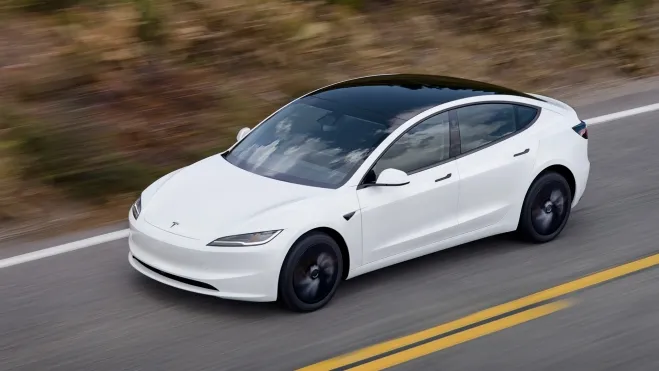
One of the most notable aspects emerged when a journalist specifically asked whether these restrictions also applied to Tesla, whose vehicles use systems connected to U.S. infrastructure. Mitko Müller’s response was clear: “We also discuss those vehicles, regardless of the manufacturer,” according to the translation of his official statements in German. In this way, the ministry confirmed that U.S. cars are not exempt from safety evaluations either.
There is no public evidence of spying through these cars
Despite concerns expressed by German authorities, no public evidence has emerged showing that the affected vehicles have transmitted military information to Chinese intelligence services. When asked about specific cases, a spokesperson for the Ministry of Defense avoided disclosing information related to counterintelligence efforts, explaining that the warnings stem from the potential risks posed by these technologies.
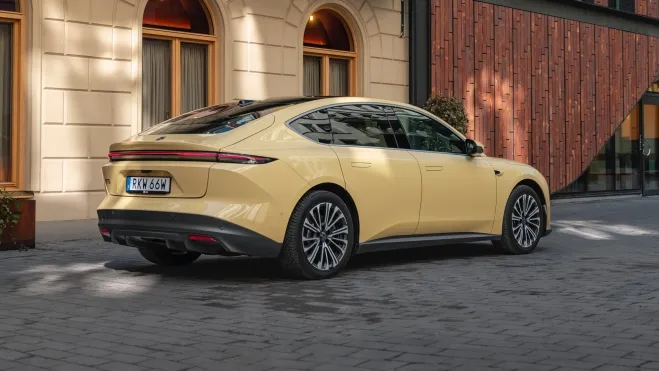
The issue goes beyond Chinese manufacturers. Modern cars come equipped with an increasing number of driver assistance systems, surveillance cameras, parking sensors, and connected features. These technologies are designed to enhance drivers' safety and comfort, but they can also collect information about facilities, people, and movements in highly secure locations.
Germany is not the only country that has begun to adopt such measures. In the United States, restrictions have been imposed on BYD vehicles at the Kadena Air Base in Japan, while Poland has also limited access to certain connected cars at military installations. These decisions reflect the growing concern among defense authorities about the data collection capabilities of modern vehicles.
The debate could also extend to other strategic areas. During the same press conference, Germany’s government spokesperson, Stefan Kornelius, acknowledged that the risks identified in connected cars could also be relevant to other sensitive infrastructure. Although he did not announce new general restrictions, his statements leave the door open for other agencies to consider similar measures. For now, Germany’s restrictions are confined to specific areas and do not affect the normal operation of these vehicles on the country’s roads.