
Will the battery run out faster than the car? Geely warns about the future of electric vehicles
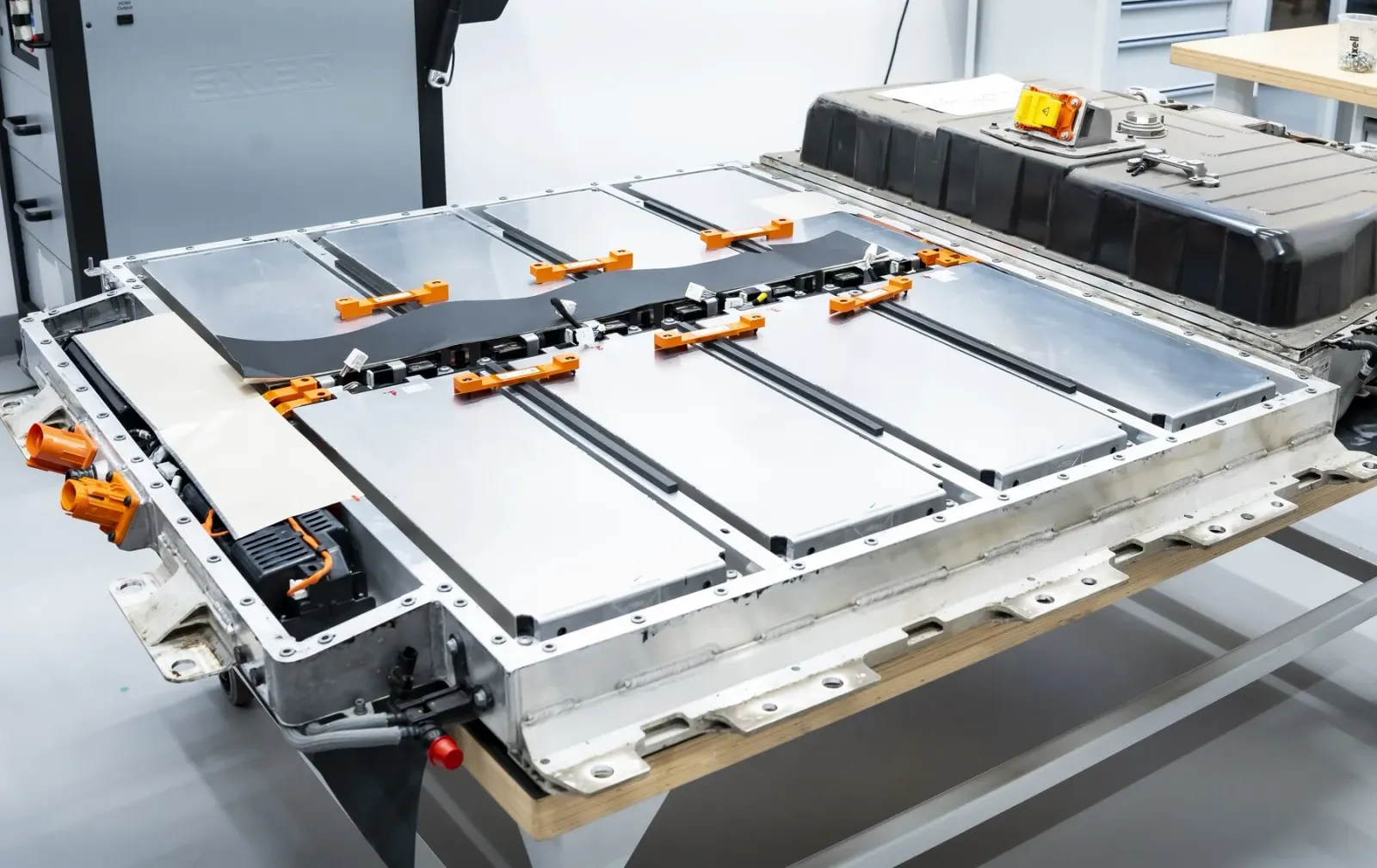
Electric vehicles are supposed to be, and will undoubtedly be, the future of automotive industry, but Chinese company Geely is focusing on a problem that is yet to arise. It involves the aging of traction batteries and the costs associated with replacing them. According to Eric Li, chairman of Geely Holding Group, in a few years, millions of owners of used electric vehicles may face a dilemma: repair their cars or scrap them, even though the rest of the vehicle is still functional.
Topics covered:
- Geely’s concerns about the future of older electric cars.
- How battery degradation affects the value of used EVs?
- Geely and Nio investing in the development of replaceable batteries.
Batteries? The Chinese see a problem here.
The discussion on electric mobility focuses mainly on range, charging time, and infrastructure availability. Meanwhile, there is an increasing question about what will happen to electric cars after 10 or 15 years of use. This topic was raised by Eric Li, chairman of Geely Holding Group, during the World Internet Conference in Wuzhen, China. In a conversation with William Li, president of Nio, he pointed out the growing gap between the durability of the car and the lifespan of the traction battery.
As Geely’s leader noted, the problem is not yet widely apparent because China’s electric vehicle market remains relatively young. In his view, however, the situation could change drastically in the coming years as millions of first-generation electric cars enter the secondary market.
The car may still be functional, but the battery may not.
The starting point for the discussion was a question posed by William Li: what happens to a car that has covered 200,000 kilometers and is 10 years old, but could technically still be used for another five or six years? The issue may lie in the condition of the battery.
Chinese standards regarding battery durability illustrate the scale of the challenge. The standard GB/T 46991.1-2025, effective from July 1, 2026, requires that after 10 years or 200,000 kilometers, the battery should retain at least 70 percent of its original capacity. For some models, the acceptable values are even lower, according to Car News China.
This means that even if the car remains mechanically sound, its actual range may be significantly lower than at the time of purchase. This, in turn, affects the vehicle’s value in the used market.
Replacing the battery costs a fortune
The biggest issue remains the cost. According to data cited by the Chinese website Yicai, as reported by Car News China, replacing a complete set of batteries can cost around 100,000 yuan, which is nearly 15,000 dollars (about 60,000 Polish zlotys). For comparison, battery repairs are estimated at 10,000–20,000 yuan in some cases.
In practice, this means that for many cars that are a few years or a dozen years old, the cost of a new battery can account for a significant portion of the vehicle’s total value. In such a situation, the owner faces a difficult choice: invest in repairs or sell the car for a fraction of its original price.
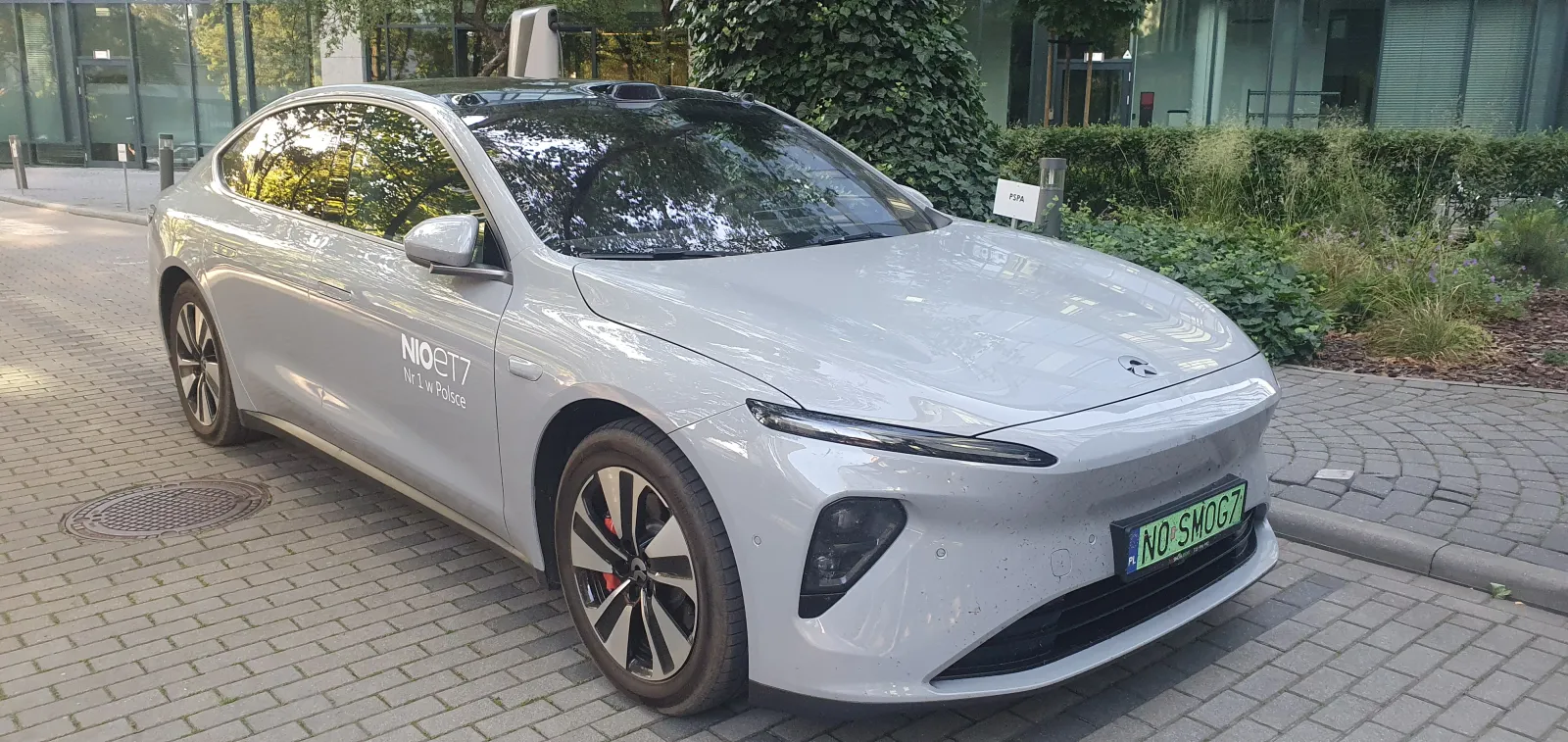
The effects of this phenomenon are already visible today. According to data cited by the Rest of World portal, about four out of five used car dealers in China refuse to accept electric vehicles older than five years. One of the main reasons is concern over the condition of the batteries and the costs associated with potential replacements. Data from the China Automobile Dealers Association cited by the site show that a three-year-old electric vehicle retains an average of about 45 percent of its original value.
Geely and Nio focus on replaceable batteries
The discussion on battery longevity arose not by chance, but amid the expansion of cooperation between Geely and Nio. The companies are developing a battery swap program aimed at offering an alternative to the costly replacement of entire battery packs. Instead of spending hours charging, drivers could stop at a specialized station and get a fully charged battery in just a few minutes. According to Nio’s data, by the end of September 2026, the company had 4,126 battery swap stations in China and had already completed over 125 million such swaps.
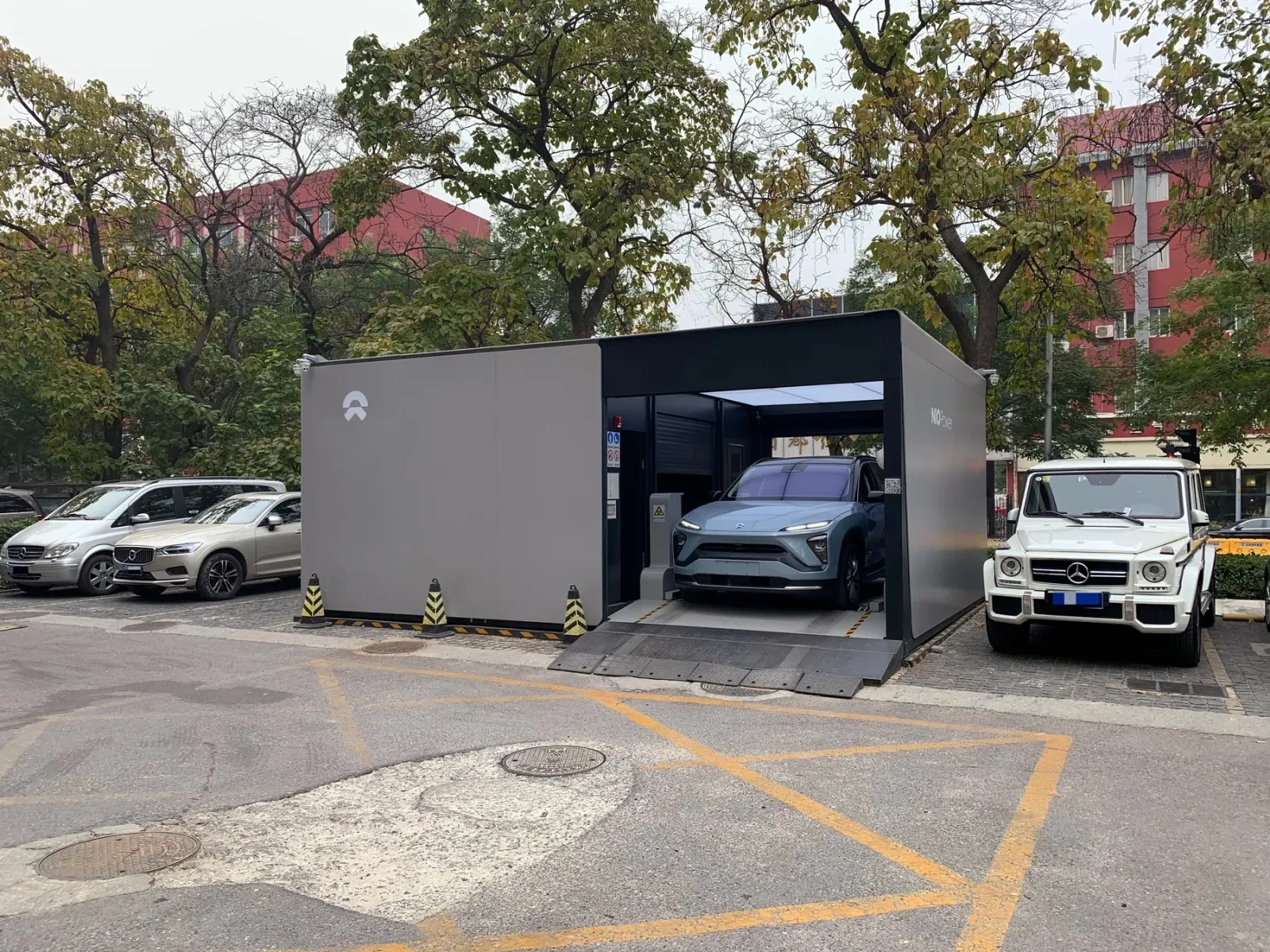
Standardization remains a challenge, however. For a solution to work across different manufacturers, it is necessary to standardize battery dimensions, electrical connectors, cooling systems, and vehicle communication systems. This is a task that the industry is only just beginning to address.
The real test for electromobility lies ahead
In discussions about electric cars, attention often focuses on new models. Yet, Geely’s CEO’s remarks indicate that it will be just as important to see how the market handles aging vehicle fleets.
This issue extends far beyond China. If the cost of battery replacement proves too high and repairs too complicated, it could negatively impact the value of used electric vehicles in Europe as well. This issue didn’t appear out of nowhere. Both Geely and Nio have a strong interest in pushing forward and developing the business model for battery swapping in electric vehicles.
Oskar Włostowski