
Farewell to the Rimac Nevera: the electric hypercar is retiring early to make way for the Bugatti Tourbillon
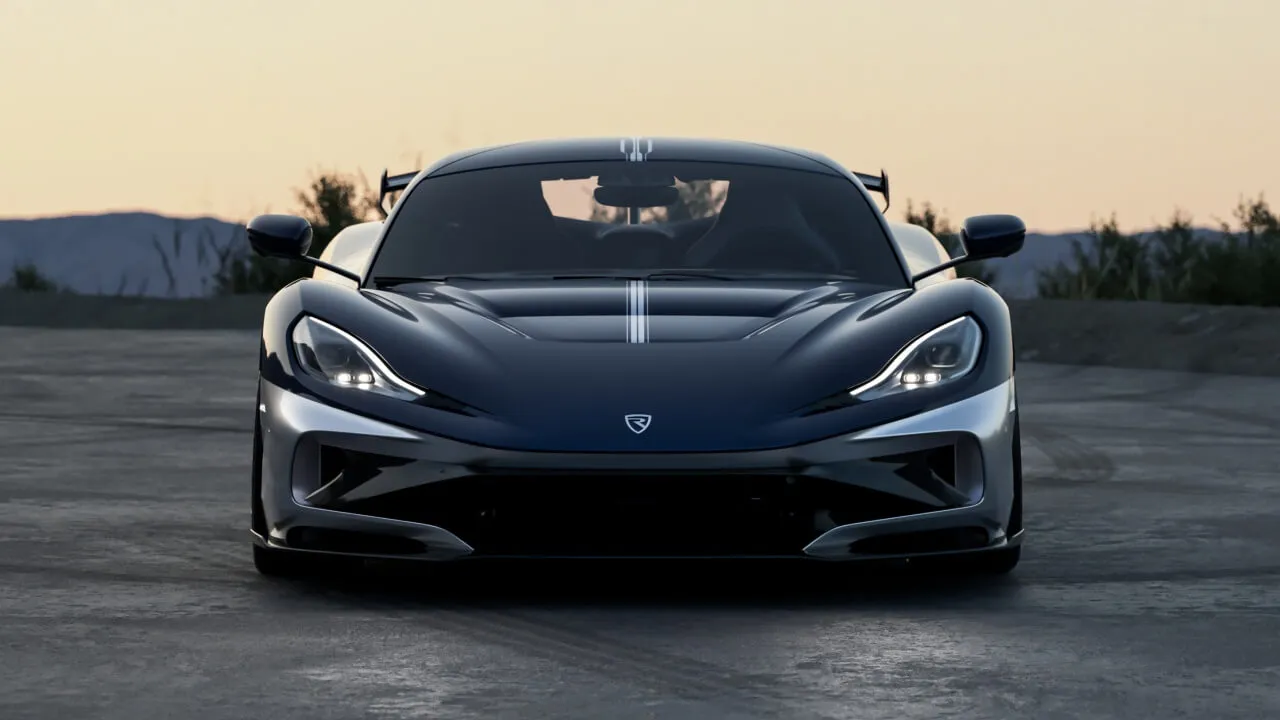
Rimac is currently manufacturing the final 10 units of the Nevera R, which will be delivered to their owners by the end of this year. Once production of this batch is complete, the Croatian company will bring an end to the commercial production of its electric hypercar. A total of 71 units of this model have been produced since its launch in 2022, of which 51 are standard Nevera models and 20 are Nevera R models.
Originally, the plan was to produce 150 units. Despite this, Mate Rimac, the company’s founder and CEO, is satisfied with the outcome. “I think it’s still a great achievement. It’s the best-selling electric hypercar in the world. Without it, there would be no [Bugatti] Tourbillon today; there would be no factory either. So it fulfilled its purpose. I think it’s an amazing car... that will have its place in history. And thanks to all the owners who are part of this incredible adventure.”
In recent years, Rimac Group has expanded beyond the luxury car niche; for instance, its Rimac Technology division has established itself as a renowned provider of advanced electric technology. Additionally, the company now owns the historic French firm Bugatti, which for over two decades was at the forefront of the powerful Volkswagen Group.
Bugatti is in the final stages of developing the Tourbillon, a 1,800 HP plug-in hybrid hypercar designed to replace the Chiron. While the Chiron was equipped with a W16 engine featuring four turbos, its successor uses a naturally aspirated V16 combined with three electric motors, a notable shift in philosophy that reflects Rimac’s influence on the project.
Rimac focuses on Bugatti
Although it has been surpassed by models like the Yangwang U9 Xtreme today, the Rimac Nevera set the standard for other electric hypercars when it was introduced a few years ago. Its four-motor propulsion system delivered 1,914 horsepower and 2,360 Nm of torque, enabling it to accelerate from 0 to 100 km/h in 1.81 seconds.
The vehicle was equipped with large 120 kWh batteries, which provided a WLTP range of 547 km; moreover, thanks to its 500 kW charging system, it could recover 80% of its range in just 19 minutes. The R version goes even further, with combined power of 2,107 horsepower, reducing the 0-100 km/h time to 1.66 seconds and achieving a top speed of 431.45 km/h.
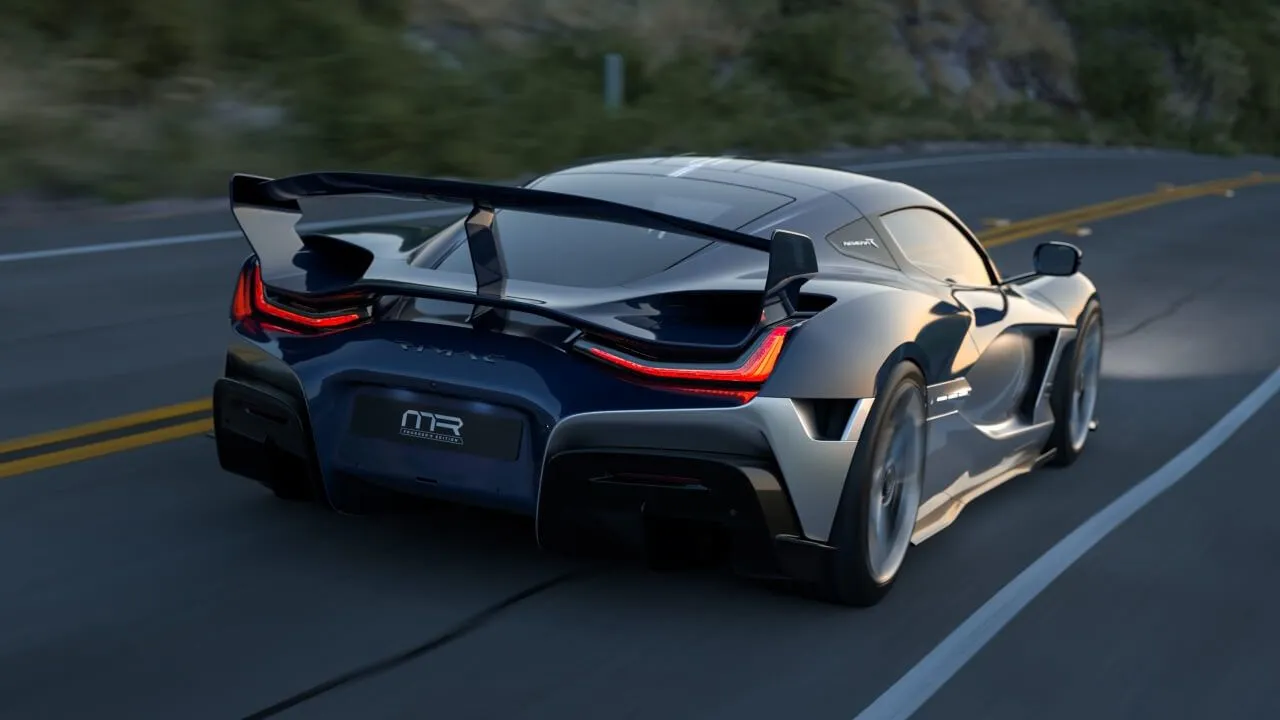
It is unclear whether Rimac plans to launch a model to fill the gap left by the Nevera in the future, or if such products will be reserved for Bugatti from now on. For now, it does not seem that the French manufacturer has planned any electric hypercars; however, this could change if the electrification of key markets like China or Europe continues to accelerate.
Source | Motor1