
Eima achieves zero emissions, with electric models selling better than diesel ones
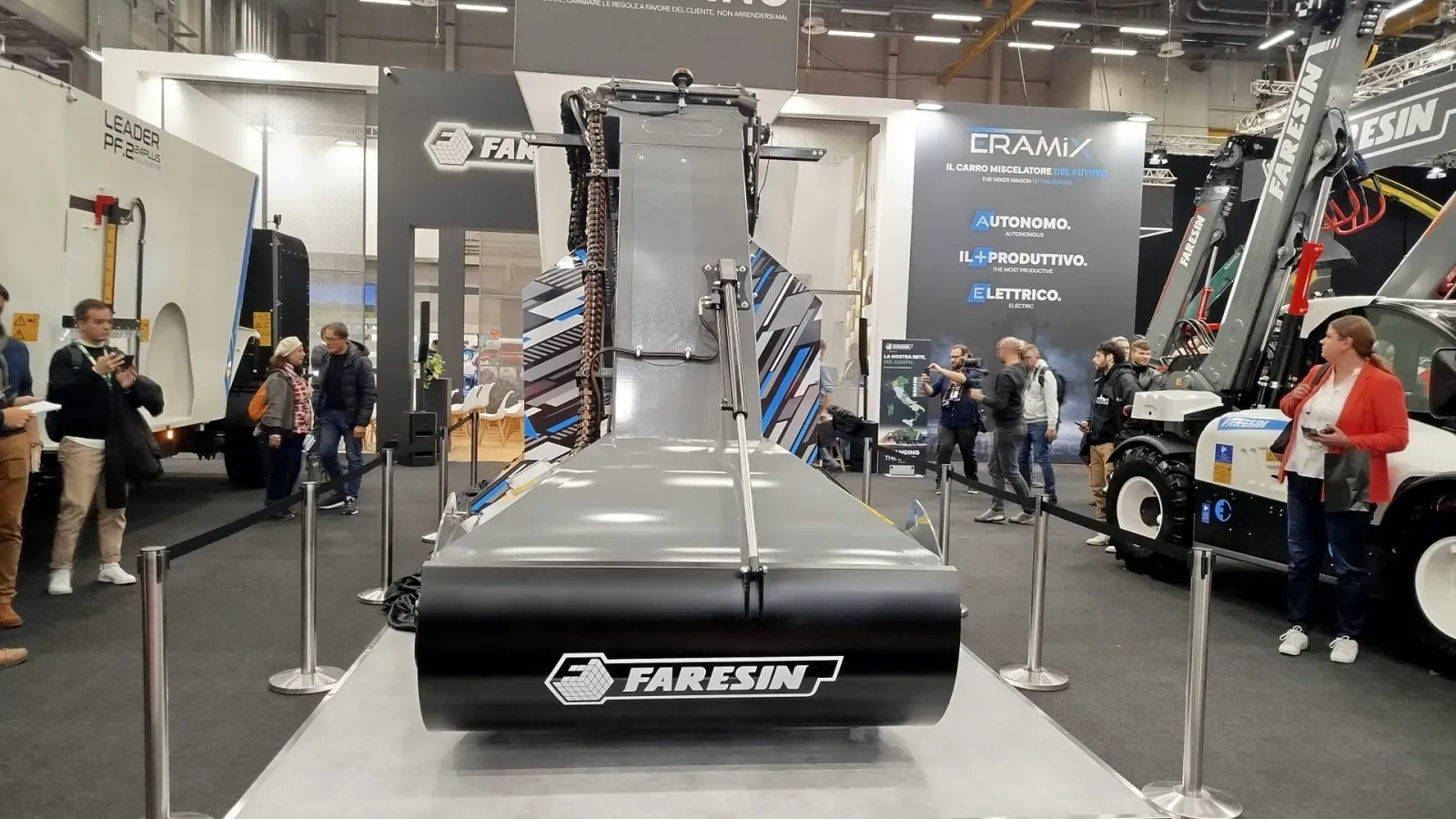
In stables and livestock farms, electric equipment benefits everyone: workers and animals breathe better and are not exposed to the noise of internal combustion engines. There is also a significant economic advantage. With the growth of rooftop solar power, supported by the 3 billion euros in incentives from Pnrr, savings can be substantial. When the price difference compared to thermal engines is not extremely high, the investment pays off over time thanks to lower maintenance costs as well. At Eima, we saw three fully electric mixing trucks from Faresin, Supertino, and Italmix, which will be launched in 2027. The market is already showing clear signs: some companies are selling more electric vehicles than those powered by combustion engines.
Faresin, from its first electric model in 2018 to the new Eramix that charges itself
A fully electric, driverless vehicle capable of independently completing the entire cycle of preparing and distributing feed. This is the main innovation introduced by Faresin Industries with the Eramix project, a new solution for animal feed production aimed at combining automation, energy sustainability, and integration with corporate systems.
We spoke with Fabio Fioravanzo, head of the company’s electrical and electronic division in Vicenza, who reviewed Faresin’s path of innovation in the electrification sector. “The company already has a long tradition with electric vehicles, which began in 2018 with the first fully electric telescopic loader presented right here at Eima.” Over the years, this journey has led to the expansion of the range of electric telescopic loaders and the introduction of fully electric mobile carts.
Faresin: Zero-emission machines in production
After nearly ten years of experience in the industry, the company is taking another step forward today. “Eramix represents a blend of innovation that applies not only to the machine but to the entire company as well. We have a fully electric mobile unit, meaning zero emissions and autonomy, with no need for a driver or a cab,” explained Fioravanzo, who emphasized that Eramix can recharge itself.
Inductive charging and cost reductions of over 50%
The system was designed to integrate with corporate infrastructure and on-site energy production. Thanks to induction charging, the vehicle can autonomously reach the charging point and utilize energy generated by the company’s solar panel system. Operationally, Eramix “can, through sensor fusion of the various sensors on the machine and after programming the routes, carry out the entire cycle independently: from silo milling to ingredient retrieval and loading, from mixing to distributing the ration in the feeders.” Another distinguishing feature is the absence of dedicated infrastructure for autonomous driving. “It requires no barriers or guidance, which instead represent the Achilles’ heel of other types of feed mixing systems.”
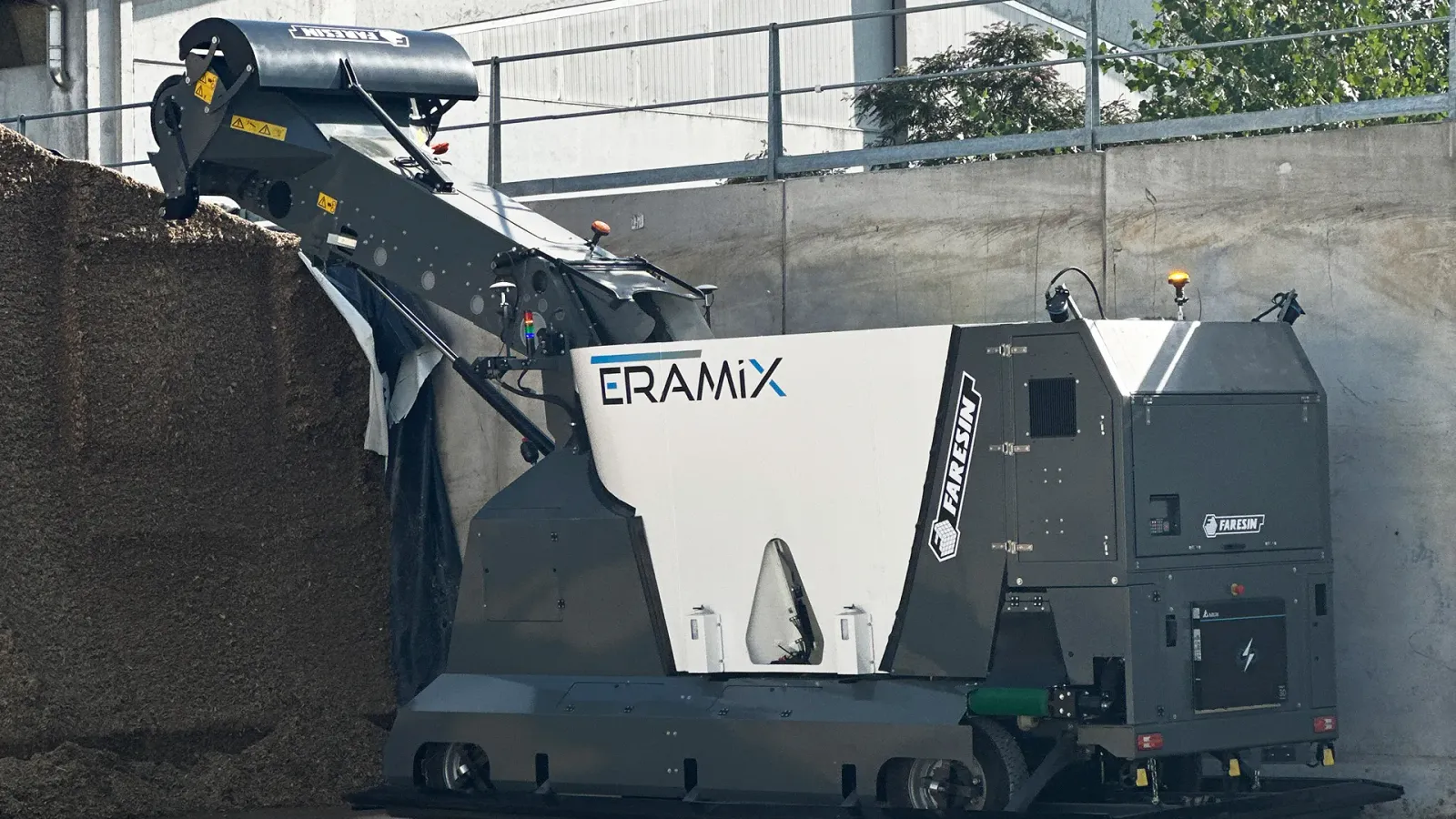
According to estimates presented by the company at the conference: “The combination of operational autonomy, precision in ration management, and energy efficiency can lead to a cost reduction in the feeding process of over 50%.” The innovation lies in the relationship between the company and energy production: “The low operating costs (over 80% less in maintenance) make full electric solutions ideal for farms that generate energy from renewable sources, such as solar panels or biogas.” This new vision was emphasized by Silvia Faresin, vice president of Faresin Industries, who introduced Eramix alongside Andrea Maselli, general manager, Claudio Secco, head of research & development, and Alberto Caon, head of sales for telehandlers.
Supertino sells more electric than thermal models, with 70 mixing trucks in use across companies
Electrification is one of Supertino’s strategic pillars; we wrote about this back in 2020, when the company presented an update on the development of its battery-powered mixing trucks at Eima. Augusto Supertino, the company’s technical director, explained the project’s evolution. “I’ve followed the development of electric mixing trucks closely. We started working on this project nearly 11 years ago,” the manager said, reviewing the milestones of a project that began over a decade ago and saw its first prototype realized in 2017.
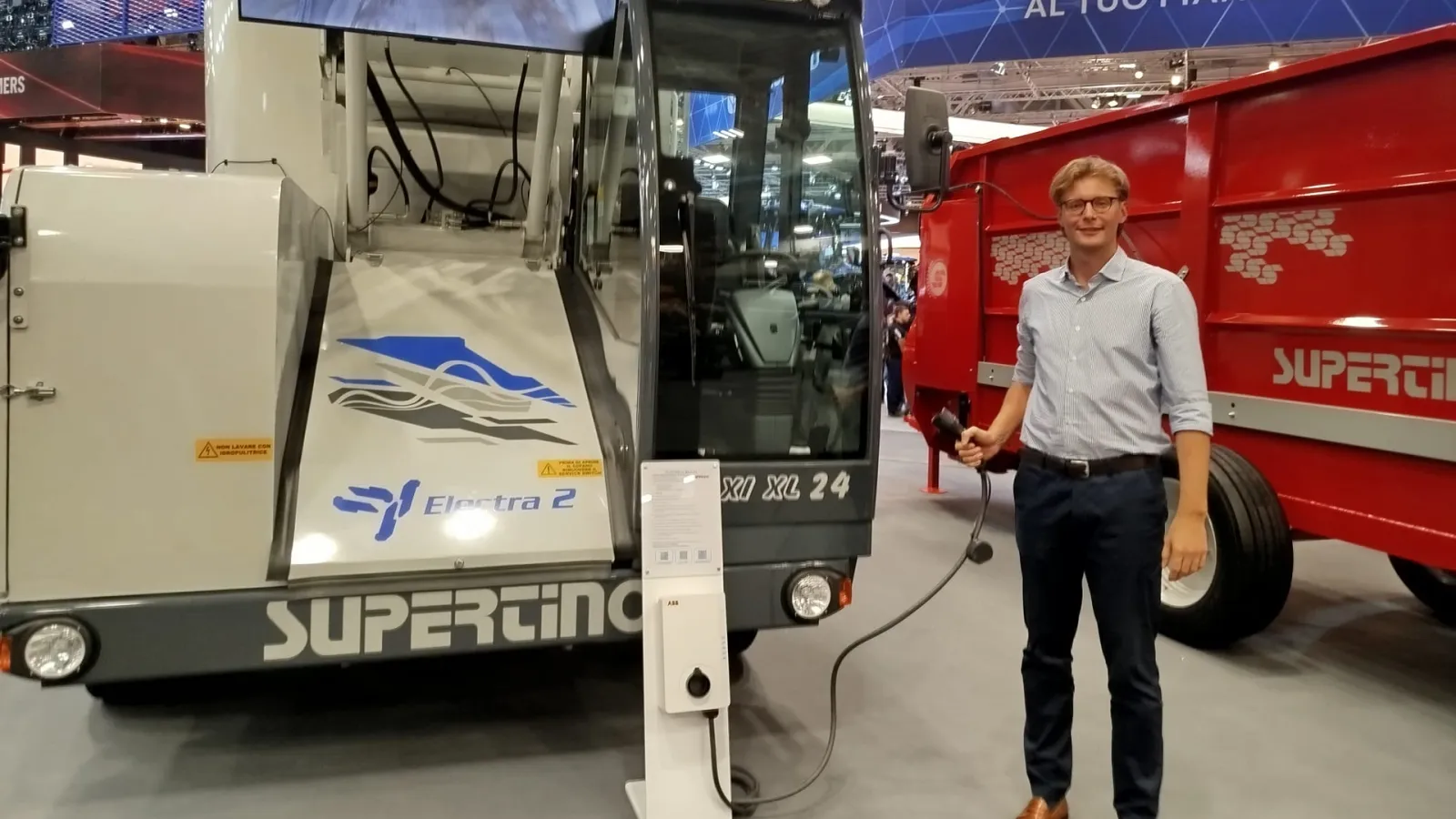
Since then, the development process has never stopped. “We have made several improvements to the still fully electric truck. We chose to equip it with a single electric motor, which allows for better and more economical control.”
Longer range thanks to new batteries
One of the main innovations introduced in recent years is the expansion of the energy storage system. “Now we can offer a larger battery pack, giving customers the ability to make more deliveries and thus enjoy a longer operating time.” The current configuration achieves a total capacity of 170 kWh, distributed across 14 modules.
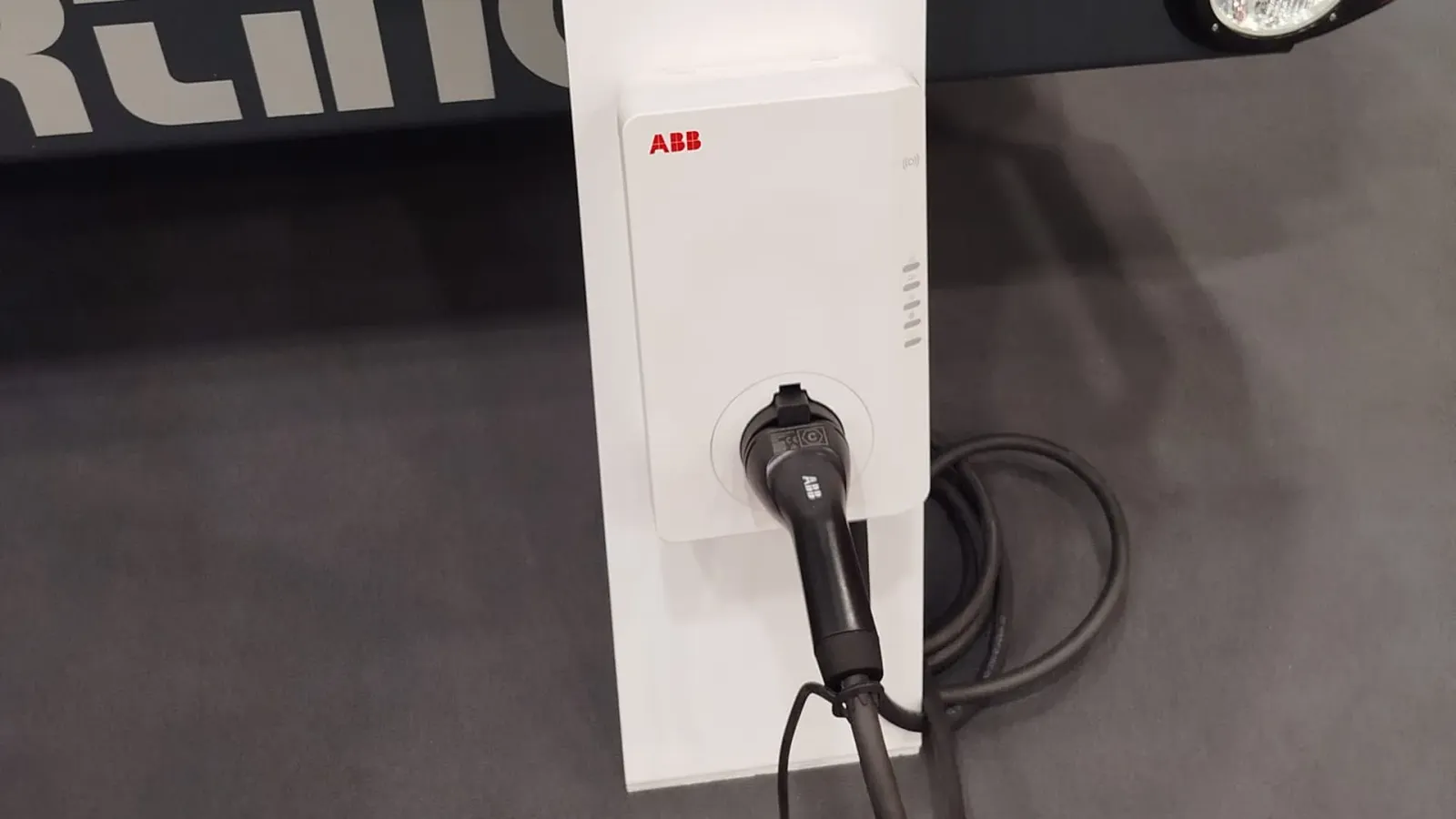
In addition to increasing energy capacity, Faresin has also introduced new solutions to speed up charging processes. “For about a year now, it’s possible to have a charging rate of up to 22 kW, which represents the maximum capacity of conventional wallboxes available on the market.” This solution makes it easier to integrate electric vehicles into daily farming activities.
The electric vehicle market is growing, driven by photovoltaics
The numbers confirm the growing interest of farmers in this technology. Currently, there are about 70 Supertino electric mixing trucks in use. “We are very happy with the energy transition. We have around 70 machines that have been working for years, even ten of them.” This adoption isn’t limited to Italy. In recent years, the company has also successfully launched sales in France. “We currently have several of them working there. It’s a machine we are placing a lot of emphasis on.”
Agriculture produces 47% of its own energy
According to the Supertino family entrepreneur, the increasing presence of solar panels in agricultural businesses is encouraging the adoption of electric machinery. “Currently, about 60% of the mixers we sell are electric, thanks to the fact that many agricultural companies have installed solar panels on the roofs of their barns, especially in Italy.” Abroad as well, the energy landscape is fueling interest in these solutions. In France, for example, the comparison between electricity and diesel prices has helped boost the competitiveness of battery-powered machines. “With recent geopolitical events, diesel has become very expensive, and there is growing interest because the savings are tangible and evident in machine usage,” concluded the young entrepreneur.
Italmix debuts with electric Rover Jumbo Flash
The energy transition is also making its way into the world of mobile mixing trucks. This includes Italmix, a company based in Ghedi (Brescia), which presented its first fully electric model at Eima. Zeno De Guidi, a company partner and commercial manager for the Italian market, explained the project.
The manager stated that the project stems from «a strategic corporate decision to align with new trends in ecological transition», developed in collaboration with the specialized technical firm Siprotec in Varese, led by Riccardo Jelmini, a well-known figure in Italy’s electrification sector.
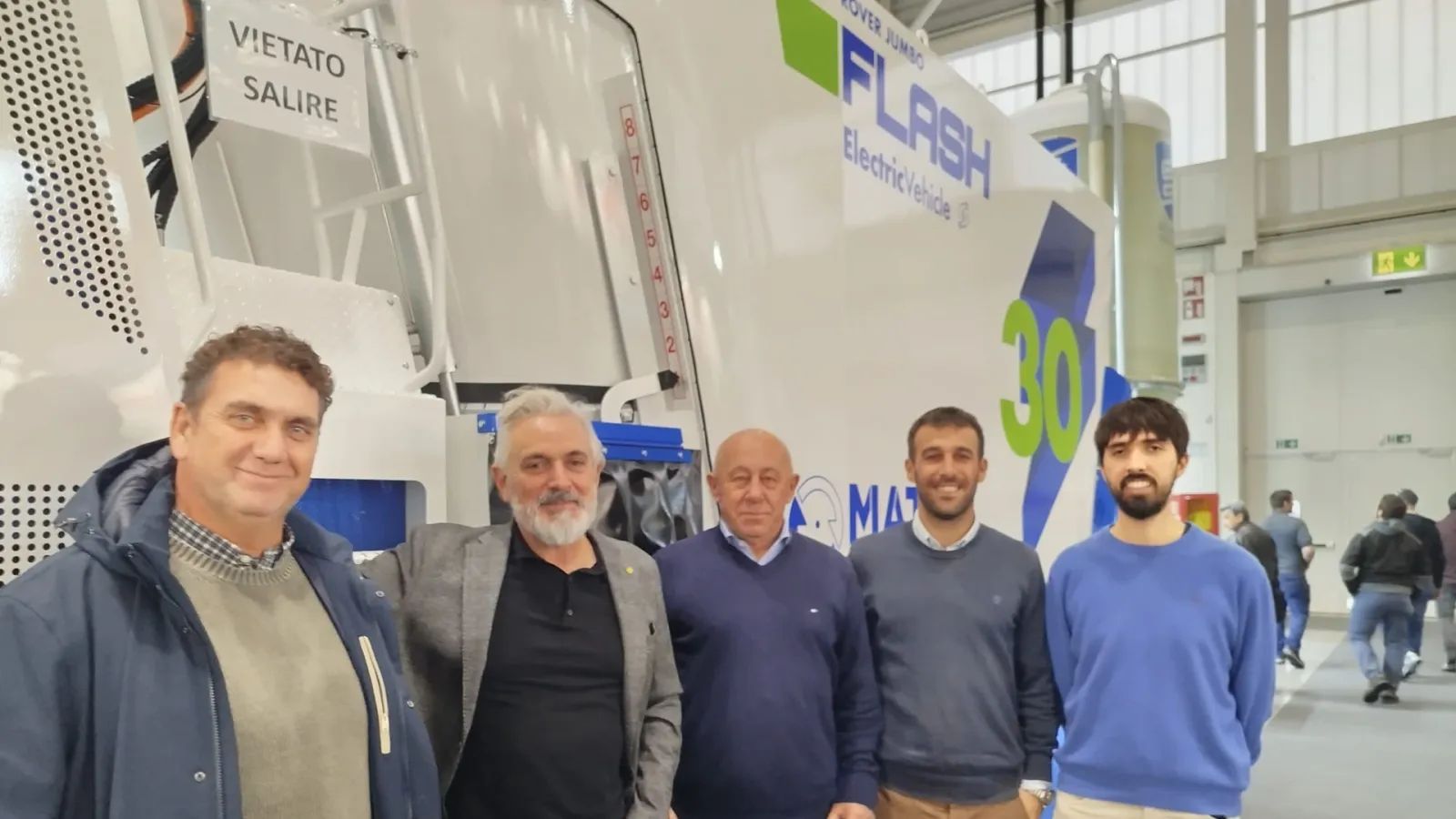
One of the main goals of the project is to ensure performance comparable to that of traditional machines. “The machine has the capabilities of an endothermic one; this was our main focus,” emphasizes De Guidi. For this reason, Italmix decided to start with the highest-end segment of the market, initially developing a 30 cubic meter machine intended for large-scale livestock farming companies. “We began with a large-capacity machine because companies are getting bigger, and it was important to demonstrate that electric systems can work effectively even at high capacities.” The company plans to complete the range with smaller and medium-sized models to meet the needs of different types of farming operations.
Up to five hours of operating time
One of the most significant aspects is operational autonomy. «It can operate for four to five hours at 90% of its capacity, so it’s a high-performance machine. This figure is meant to reassure farmers about the electric vehicle’s ability to handle daily tasks related to feed preparation and distribution». Next is the topic of cost control. «Given the fluctuations in fossil fuel prices and various environmental policies, this machine offers lower operating costs».
The advantage is particularly significant in agricultural companies equipped with photovoltaic systems: “By using the energy produced locally, it is possible to achieve a substantial reduction in costs.” Another strength of this electric solution lies in the simplified maintenance requirements: “The machine does not require engine oil changes or filter replacements, resulting in operational savings that align with future industry trends.”
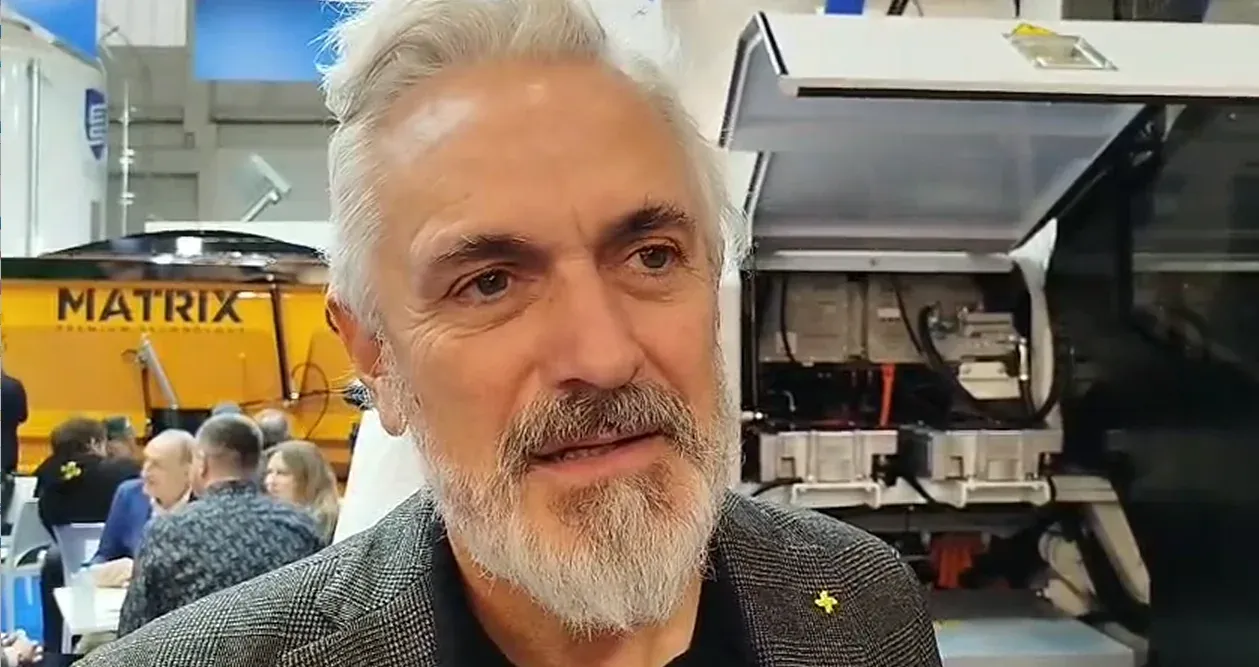
After listing the benefits, the market entry is expected in 2027. We also spoke with Riccardo Jelmini, manager of Siprotec in Varese, which handles the electrical and digital aspects of the project. “We have developed a dedicated software that allows us to make the necessary adjustments through data analysis before the final completion of the project.”
Some details: “The total capacity of the two batteries (FPT EB69) is around 130–140 kWh, and they are connected in series to achieve a total voltage of about 700 V. Charging is possible via AC, but the Rover Jumbo Flash is also equipped for DC charging at up to 150 kW, allowing the vehicle to be charged in about an hour.” Italmix’s approach extends beyond just selling the work vehicle to also leveraging the entire company’s energy ecosystem to optimize efficiency.
READ ALSO: Solar robots and drones: High-tech is transforming farming in Emilia — watch the video