
1.003 kilometers of range and 9 minutes to charge: BYD launches its new Denza N8 electric vehicle with up to 1,193 horsepower
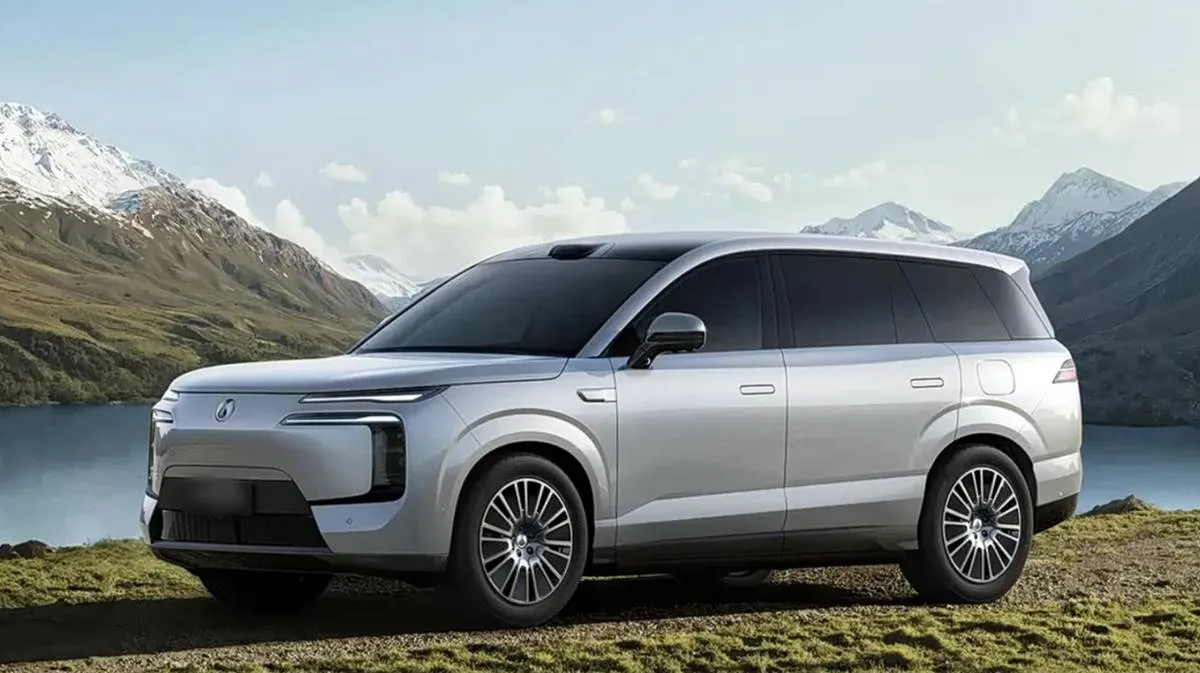
BYD’s push in the luxury electric vehicle segment continues to gain momentum. After introducing some of the most advanced models in its lineup, it’s now the turn of the Denza N8, a large SUV aimed at those who need plenty of space, high performance, and the ability to travel long distances without constant worries about the battery.
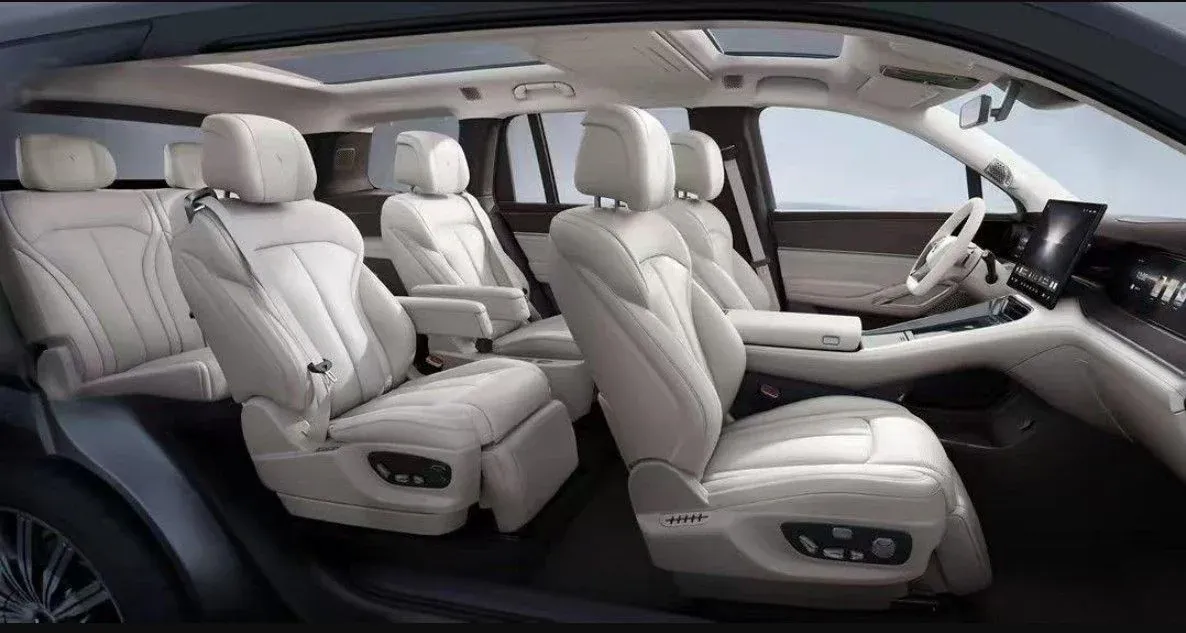
The new model serves as a five-seater alternative to the Denza N8L, which has six seats. This choice allows for better utilization of the available space, especially in the trunk, while providing a more spacious interior for passengers. All of this is backed by the group’s latest technologies, from intelligent air suspension to rear-wheel steering.
But where BYD truly aims to make a difference is in the combination of range and charging speed. The Denza N8 introduces second-generation Blade batteries and Flash Charging technology, two innovations through which the Chinese manufacturer seeks to eliminate many of the limitations that electric vehicle drivers still face on long trips.
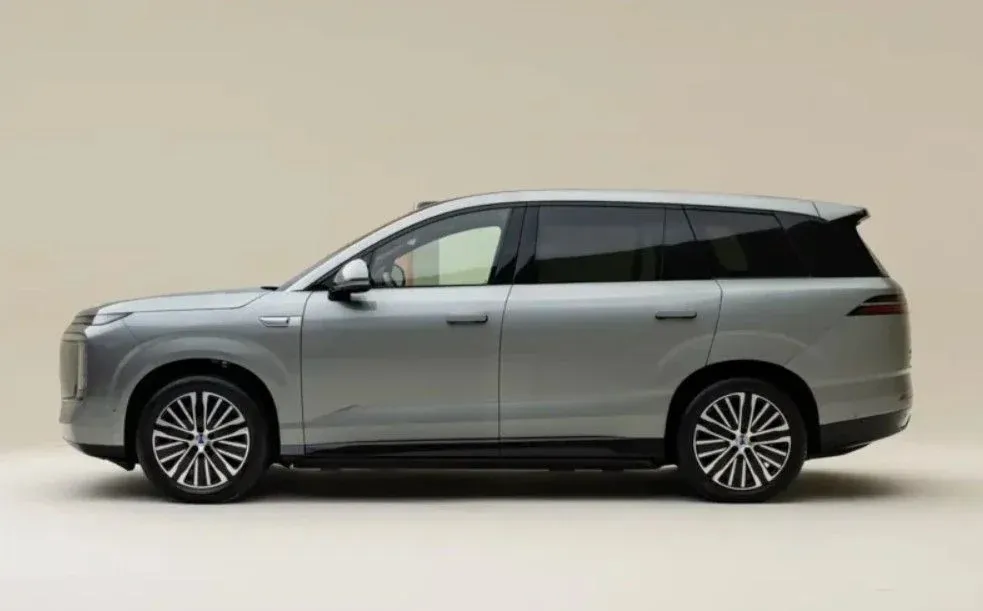
The Denza N8 retains the brand’s π-Motion design language, featuring a rounded body shape, a front end dominated by split LED light clusters, and an active air intake. Its appearance emphasizes elegance over aggression, though its dimensions make it clear this is a luxury vehicle.
Denza N8 EV — key features
Inside, BYD has opted for a design centered around screens and digital elements. It features a huge 30-inch panoramic display, along with a 1.1-meter-wide screen called Skyline. The intelligent God's Eye 5.0 system handles advanced driving assistance functions, while the DiSus-A air suspension aims to provide a high level of comfort.
The absence of a third row of seats allows for a trunk volume of 1,046 liters, a capacity that far exceeds that of most electric SUVs sold in Europe. Additionally, the rear seats can be folded in a 40/60 ratio to create a nearly flat loading surface, which is particularly useful for transporting bicycles, bulky luggage, or camping gear.
In terms of mechanics, the Denza N8 offers rear-wheel-drive versions with power outputs of 320 kW (435 hp) and 370 kW (503 hp). Above that is a all-wheel-drive variant equipped with three electric motors—one at the front and two at the rear—delivering a combined power of 890 kW (1,210 hp). This figure places this massive SUV in the realm of true sports cars.
This final configuration uses BYD’s e3 platform, which allows for independent control of the rear motors and enables particularly impressive maneuvers such as compass-style turns or precise movements at low speeds. The rear steering also helps improve the maneuverability of a vehicle that is well over five meters long.
The battery is probably the most interesting aspect. BYD offers two capacities, 105.8 and 130.2 kWh, with certified ranges under the Chinese CLTC cycle of 800, 840, 970, and up to 1,003 kilometers, depending on the version chosen. According to our estimates, these figures would correspond approximately to between 696 and 873 kilometers under the European WLTP cycle.
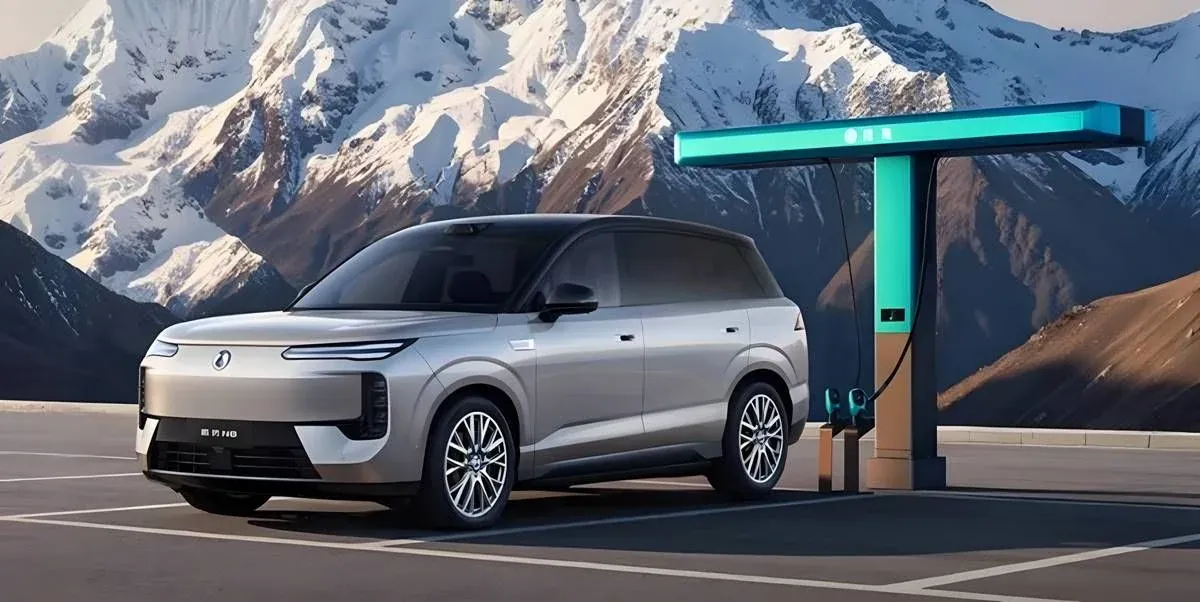
In addition to these specifications is Flash Charging technology, which allows a 100% charge to be completed in just 9 minutes using BYD’s high-power infrastructure. This is a particularly interesting combination, as it enables a battery with enormous capacity alongside much shorter charging times than those typical in the market.
And all of this at a price that once again highlights the differences between the Chinese and European markets. The Denza N8 was launched in six versions, with prices ranging from 269,900 to 329,900 yuan, which is approximately equivalent to 34,000 to 41,500 euros at current exchange rates. These are very competitive figures for a luxury SUV of this size, equipped with these features and performance levels.
Will we see the N8 in Europe? For now, BYD has not confirmed it, although its design and features seem suitable for our market, so it would not be surprising if, once the launch in China is complete, an announcement is made about its arrival in our market.