
Dacia Spring: The frugal shopper stays true to themselves
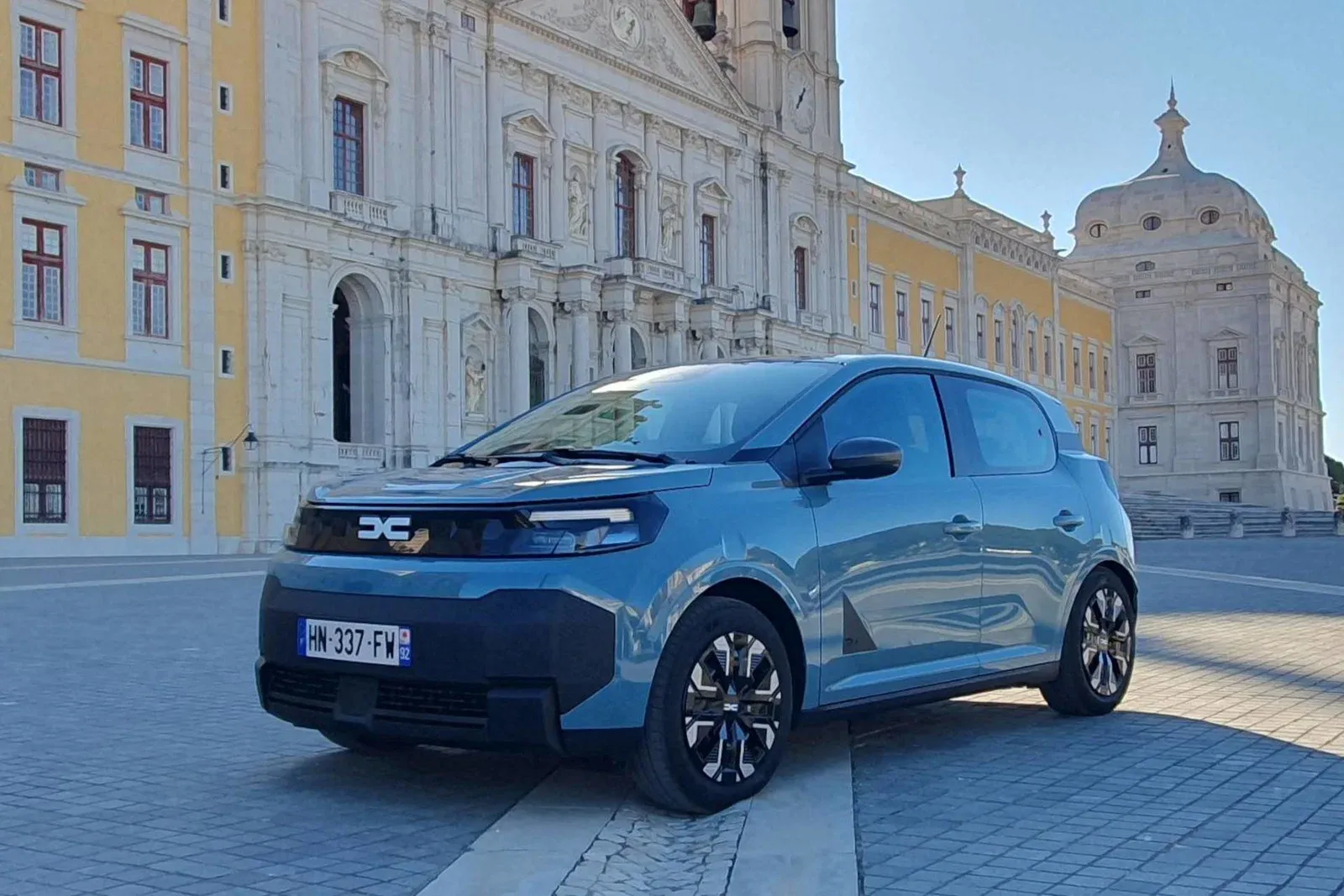
In a world filled with chaos and crises, certainties have become rare. Here, Renault’s budget subsidiary’s philosophy has almost a soothing effect: while other manufacturers pursue whatever they want, at Dacia, price is the only thing that matters. The Romans follow this approach even with the new version of their electric car. In its second generation, the Spring remains below the magical 20,000 euro mark even in the top version — thus continuing to serve as a bold challenge to the new world of electric vehicles, where prices easily reach six figures. Just drive electricly. There’s no better way to describe Dacia’s goal.
It’s not even just a spartan approach. While premium manufacturers are constantly striving to incorporate everything technically possible into their cars, Dacia focuses above all on meeting the essential minimum requirements. As a result, one shouldn’t expect a revolution from the new Spring. Nevertheless, it’s more than adequate for a four-door electric hatchback. And especially at a time when fuel prices refuse to drop, this updated model could easily become a bestseller—even if only as a second car.
Dacia Spring gets 15 centimeters longer and overtakes the Twingo
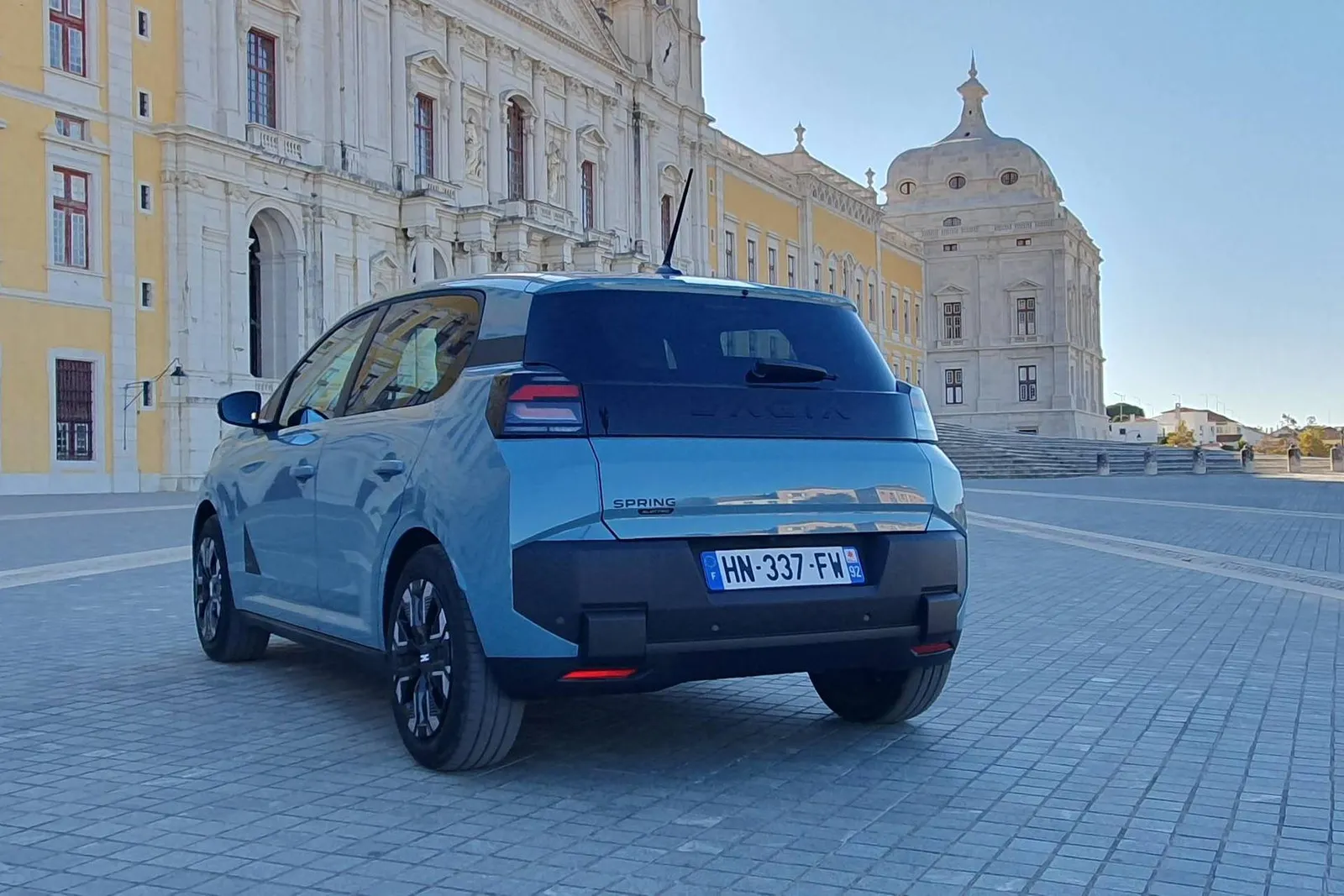
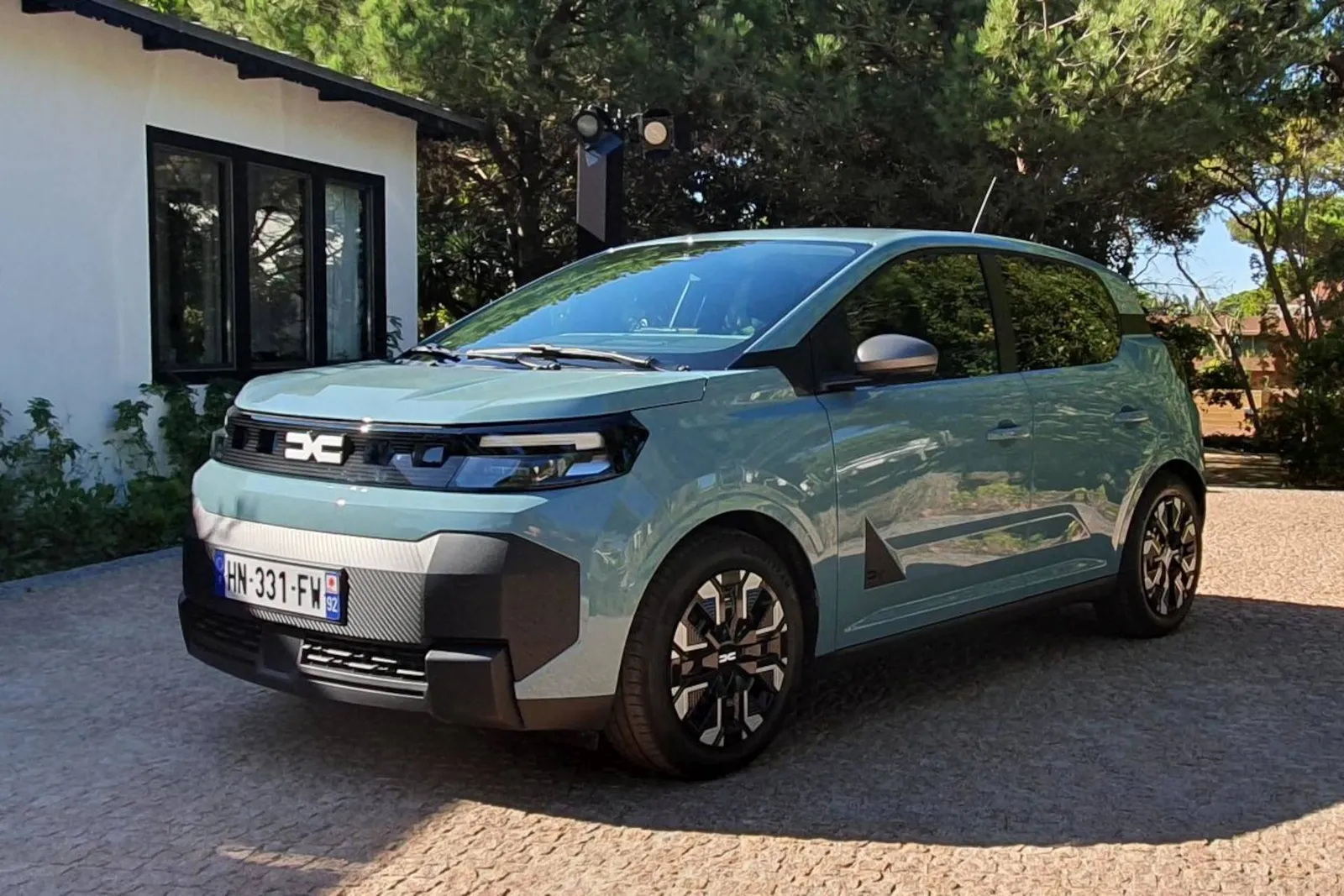
The original Dongfeng derivative from China is the only thing the Spring still has in common with the Duster in terms of appearance. The Spring, manufactured in Novo Mesto, Slovenia, is 18 centimeters wider at 1.74 meters and 15 centimeters longer at 3.85 meters. This makes it even six centimeters longer than the Renault Twingo produced on the same assembly line. Despite growing in all directions, its turning circle remains impressively small at 9.50 meters.
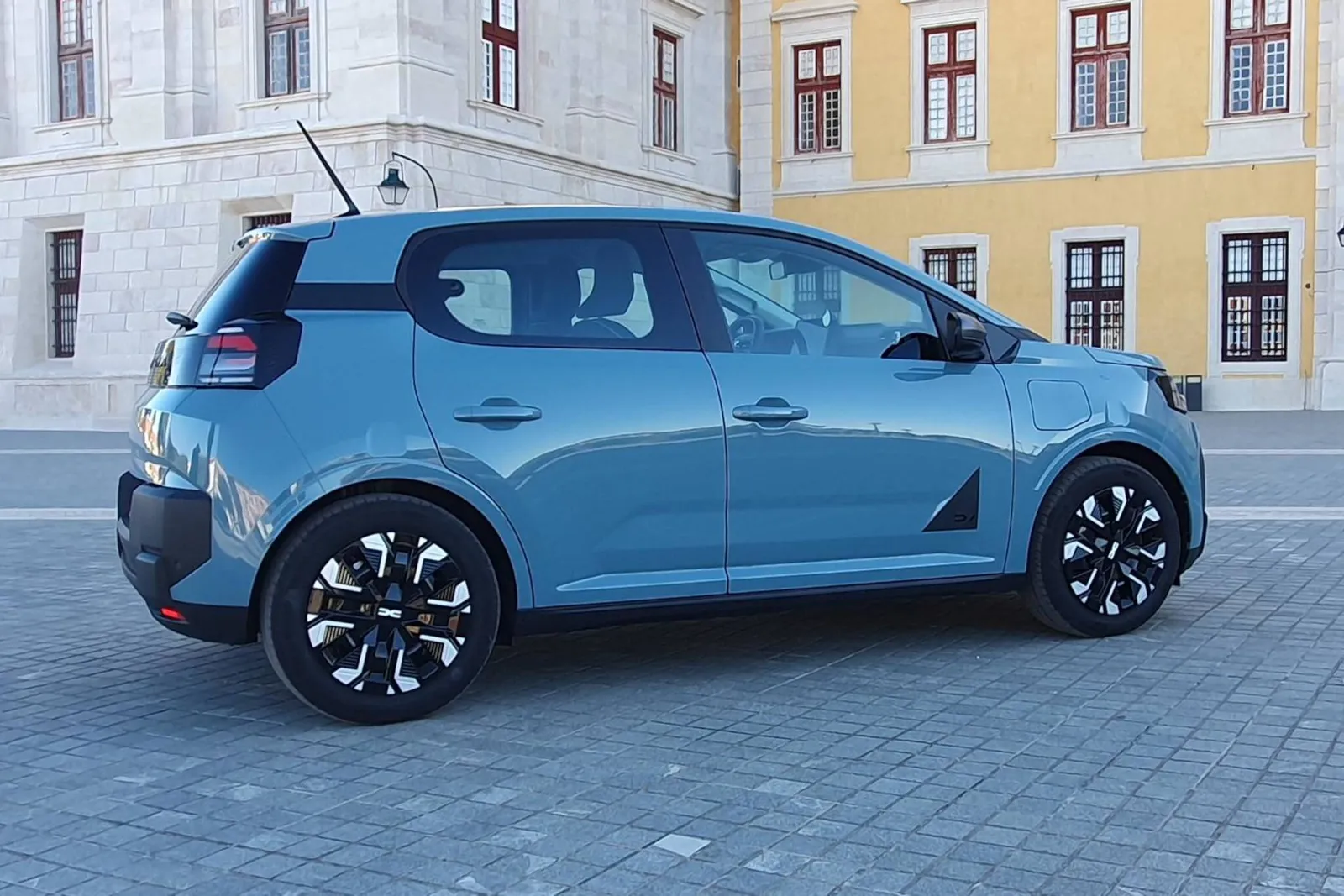
The Spring is powered by an electric motor with 60 kW (82 HP), which draws energy from a 27.5 kWh LFP battery. This provides 250 kilometers of range according to WLTP standards. The relatively modest turning radius is also characteristic of Dacia’s design philosophy. Smaller batteries mean fewer raw materials, less weight, and lower consumption. Ultimately, it’s a balance between cost savings and performance.
And as long as the battery lasts, the vast majority of Dacia buyers don’t drive nearly that much per day. According to an internal survey, their average distance is 34 kilometers, at a speed that’s far below 40 km/h. Given this, the car’s ability to reach 100 km/h in 12.1 seconds is more of a theoretical figure — as is its top speed of 130 km/h. After all, as the first rule of the battery bible goes: performance and range don’t go hand in hand. The Eco mode is far more important in this regard, as it limits power output to extend range.
Either way, an official consumption of 12.7 kWh is by no means utopian. It’s even possible to stay somewhat below that figure without being laughed at as a stumbling obstacle. After a thorough test drive in Cascais, Portugal, involving city traffic, country roads, and highways, the display showed 11.7 kWh. Naturally, this compact electric vehicle benefits from its relatively modest weight of 1212 kilograms — another stark contrast to all those battery-powered giants that now easily exceed two tons in weight. Still, the battery eventually runs out even with rapid charging. With direct current (50 kW), the cells can be charged from 15% to 80% capacity in less than half an hour. At a wall charger, it takes about three hours (6.6 kW) — with the optional power pack and 11 kW, it takes just under two hours.
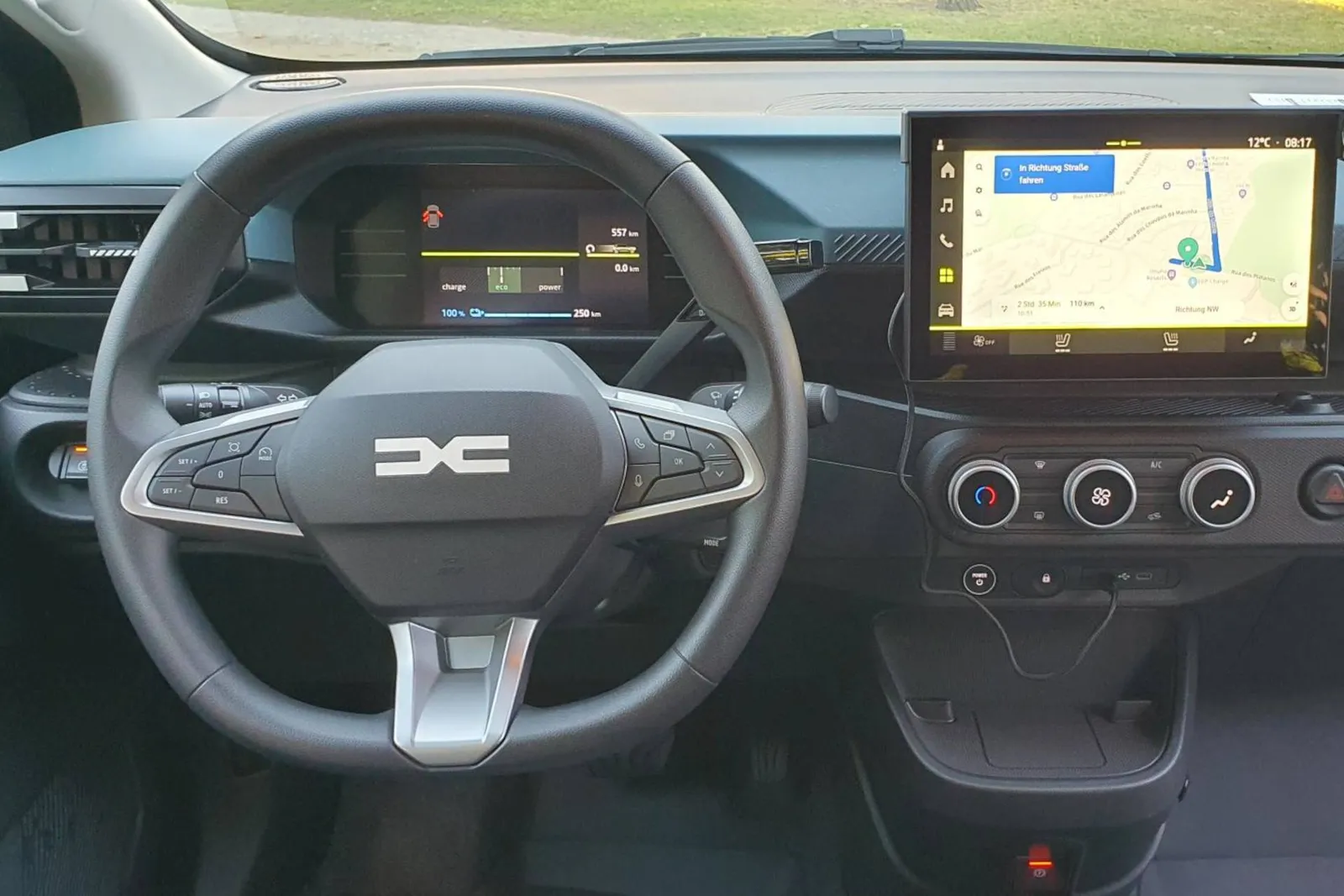
A engine, a battery, two trims – the new Spring is quick to configure. The “Expression” version (17,900 euros) already comes equipped with air conditioning, LED lighting, and electric outside mirrors, while the “Journey” version (19,400 euros) offers 16-inch wheels, a rearview camera, keyless entry, and a 10-inch display with navigation instead of a basic smartphone holder. Standard features include an emergency braking assistant, lane-keeping assist, traffic sign recognition – and the peace of mind that comes from not having to worry about the battery. Dacia guarantees 70 percent of the battery capacity for eight years (up to 160,000 kilometers). A clever detail: the Spring also features YouClip, a simple and practical system that allows accessories such as cup holders, pocket hooks, or LED lights to be attached to specific locations inside the cabin.
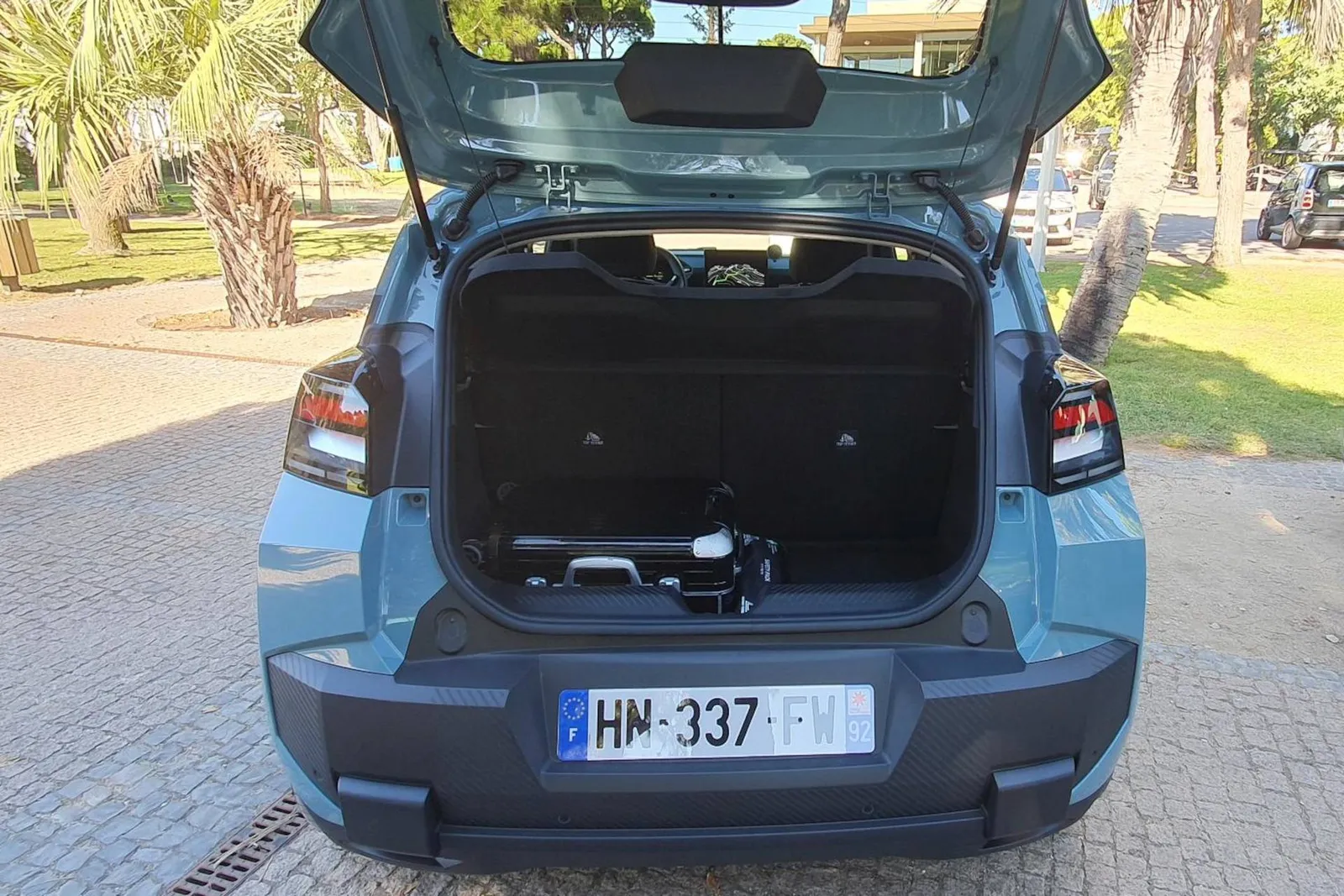
The Spring offers sufficient space inside. Even in the back, where you can sit with your head held high after a brief bend to get in, you shouldn’t have overly long legs. The trunk capacity of 337 liters is adequate, and with the rear seats folded down, the Spring can hold just under 1.3 cubic meters of cargo — though any items must first be lifted over a high loading edge. The advantages from crash tests also come with their drawbacks. The length-adjustable rear seats, found in the platform-sharing Twingo, failed to make it through cost considerations. The various storage compartments inside add up to 20 liters, and optionally, an 18-liter storage compartment can be ordered under the front hood.
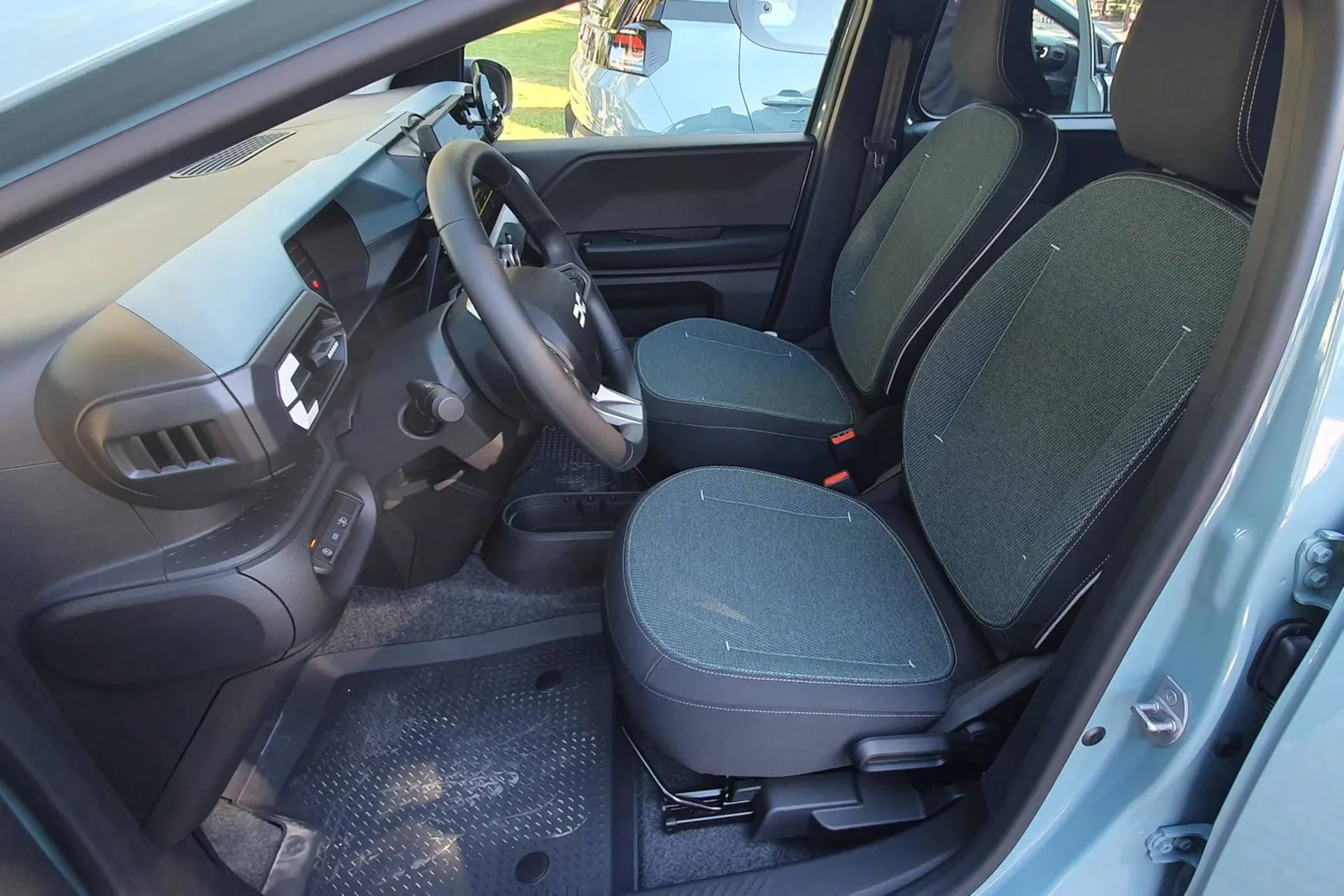
What’s Included or Not in the Base Model
The interior, on the other hand, is more suited for those who disdain comfort. Instead of padded and covered surfaces, there’s primarily hard plastic – but low prices must come from somewhere. Fortunately, in an era of excessive touchscreens, classic switches and knobs are present. However, why the highly adjustable steering wheel isn’t a traditional steering wheel but rather a doubly flattened ring is likely clearer to the designer than to the driver. What’s truly annoying, though, is the seating. The seat surface is too short, the padding is uncomfortable, and there’s no side support. Sometimes even frugal people skimp in the wrong places.
This clearly does not apply to the suspension. Unlike its predecessor, the new Spring only leans moderately outward in fast turns. This is also due to Dacia abandoning the practically unusable Chinese Linglong tires from the first generation in favor of Goodyear tires going forward. The steering proves to be very precise, and together with the well-tuned dampers, it enables exceptionally accurate handling.
One shouldn’t expect miracles, though. On bumpy asphalt, the inexpensive rigid-axle setup at the rear quickly reaches its limits and causes noticeable jolts. Admittedly, cornering performance isn’t the forte of a small electric vehicle. Even on uphill roads, driving pleasure is somewhat limited due to its modest power output – the real enjoyment comes after reaching the summit, when the Spring in mode B recovers so well that the disc brakes hardly need to be used at all. After all, those looking to save money shouldn’t waste a single watt.
Julien Lebrun, Germany head, believes the brand with the spring logo is well-equipped to compete even with Chinese low-cost rivals. After all, Dacia consistently leads in customer loyalty, value for money, and resale value, he says. Another equally important factor is its roughly 400 outlets across the country. This strategy is clearly working. With around 75,000 cars sold, Dacia is on track for its fifth consecutive record year in Germany. Low prices remain in demand.