
Used EV values rebound by up to 28% as MINI Electric leads recovery

Selected used electric cars have gained up to 28.3% in trade value over six months, with the MINI Electric, Tesla Model 3 and Polestar 2 among the strongest performers, according to new figures from Solera cap hpi.
The vehicle valuation specialist says the gains represent a recovery from previously depressed prices. It links the improvement to higher petrol and diesel costs encouraging motorists to consider electric alternatives, while cautioning that many models remain substantially cheaper than when new.
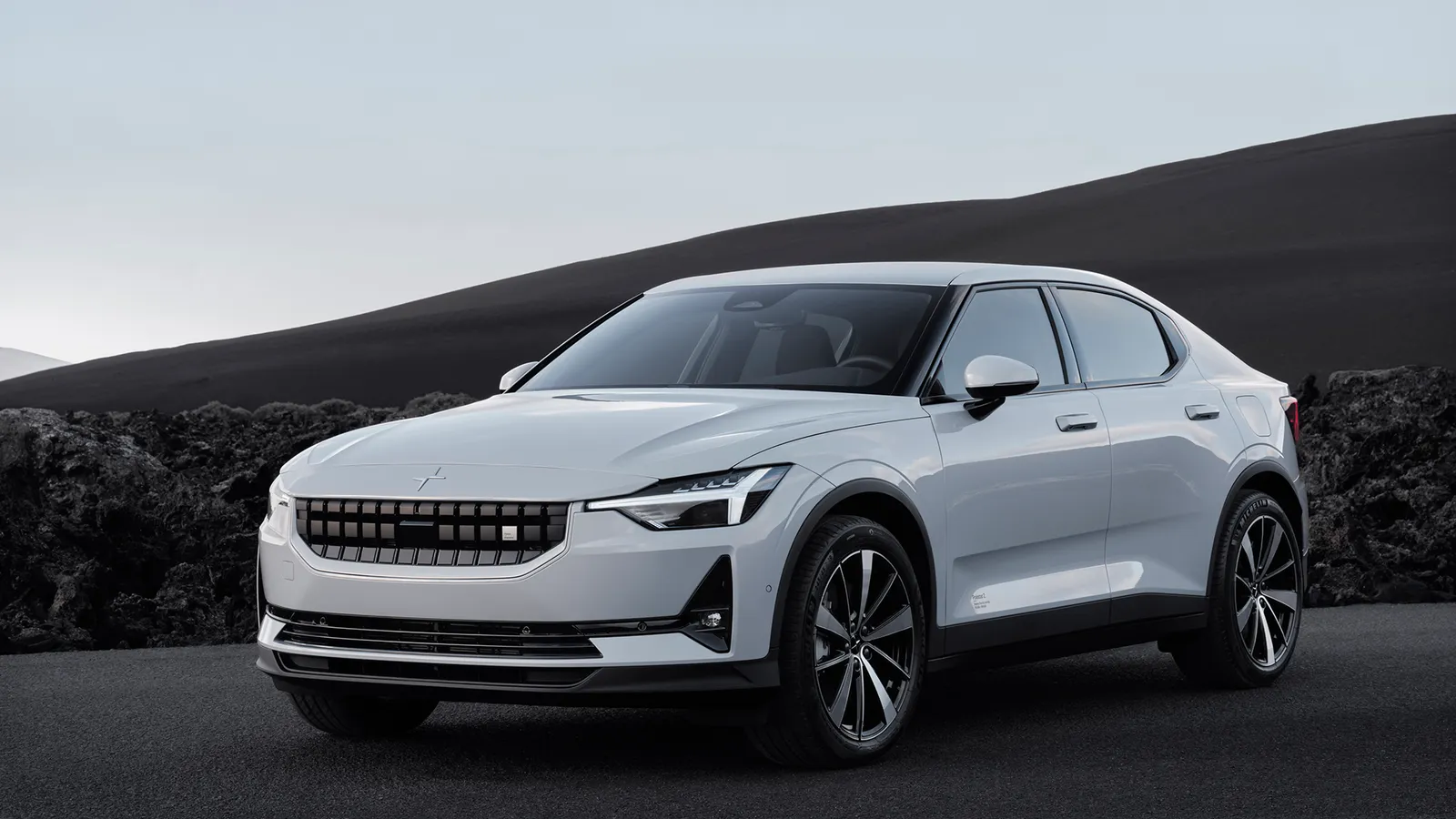
The MINI Electric’s average valuation at three years old and 30,000 miles increased from £9,905 to £12,710, a gain of £2,805. The Tesla Model 3 and Polestar 2 also strengthened considerably, with increases of around 21%.
In cash terms, the Model 3 recorded the largest gain among the ten models highlighted, adding £3,813 to reach £22,188. The Polestar 2 rose £3,765, from £18,057 to £21,822.
These are average CAP Clean trade valuations, which provide a benchmark for the motor trade. They are distinct from advertised forecourt prices, and the increases cannot be applied to every used electric car or to individual owners’ vehicles.
Chris Plumb, head of current valuations at Solera cap hpi, said: “Some of the movements are significant. The MINI Electric is up more than 28%, while the Tesla Model 3 and Polestar 2 have both gained around 21%, equating to almost £3,800.”
However, Plumb said the increases need to be viewed against the earlier falls in electric car values.
“What we’re really seeing is a recovery from previously depressed positions rather than a market running away with itself,” he said. “In many cases these vehicles still represent excellent value for money and are becoming increasingly attractive to used car buyers as confidence in EVs continues to improve.”
The recovery extends beyond the three leading models. The Cupra Born increased 19.9%, taking its average trade valuation from £15,475 to £18,555. The Subaru Solterra gained 19.3%, rising from £13,350 to £15,925.
More affordable electric cars also feature prominently. The Peugeot e-208 rose 17.4% to £11,262, while the MG4 gained 15.4% to £13,110. Their increases show that the recovery includes models towards the cheaper end of the used EV market.
Plumb said: “It’s important to look beyond the percentages. Even after those increases, many of these vehicles remain relatively affordable. The MINI Electric is now around £12,700, the Peugeot 208 sits at around £11,300 and the MG4 just over £13,000.”
The MG5, Kia e-Niro and Volkswagen ID.3 complete the list, recording increases of 18.9%, 18.4% and 17.6% respectively. The MG5 has the lowest latest trade valuation among the ten, at £10,731.
Model
Six months ago
Latest value
Increase
Rise
MINI Cooper Electric (2019-24)
£9,905
£12,710
£2,805
28.3%
Tesla Model 3 (2019-24)
£18,375
£22,188
£3,813
20.9%
Polestar 2 (2019 onwards)
£18,057
£21,822
£3,765
20.9%
Cupra Born (2021 onwards)
£15,475
£18,555
£3,080
19.9%
Subaru Solterra (2022 onwards)
£13,350
£15,925
£2,575
19.3%
MG Motor UK MG5 (2020-25)
£9,025
£10,731
£1,706
18.9%
Kia e-Niro (2018-23)
£12,867
£15,233
£2,367
18.4%
Volkswagen ID.3 (2020-24)
£12,648
£14,870
£2,222
17.6%
Peugeot e-208 (2019 onwards)
£9,593
£11,262
£1,668
17.4%
MG Motor UK MG4 (2022 onwards)
£11,355
£13,110
£1,755
15.4%
The valuation gains come against a backdrop of expanding used electric car sales. Figures published by the Society of Motor Manufacturers and Traders in August showed that 110,761 battery-electric cars changed hands in the second quarter of 2026, an increase of 67.0% compared with the same period last year
Battery-electric models accounted for 5.5% of used car transactions between April and June, up from 3.3% a year earlier. The overall second-hand car market grew much more slowly, increasing 0.7% to just over two million transactions.
Those figures show electric cars gaining ground in the used market, although they still represent a small minority of sales. They measure transaction volumes across the sector, while cap hpi’s comparison concerns changes in valuations for a particular set of models.
The comparison uses vehicles assessed at three years old with 30,000 miles throughout. It therefore measures changes in valuations at a consistent age and mileage, rather than following an individual car as it becomes six months older and covers additional miles.
That distinction matters for existing owners. A rising benchmark can indicate improving market conditions, but it does not mean every owner’s vehicle has increased in value by the quoted percentage. Its age, mileage, specification and condition still need to be reflected in an individual valuation.
CAP Clean is one of cap hpi’s trade valuation condition categories, alongside Average and Below Average. The figures are consequently a reference for a defined condition standard, rather than a single price applicable to every example of a model.
The release does not provide a transaction sample size for this comparison, a breakdown by battery size or trim, or an average movement across the whole used EV market. Its list identifies the ten strongest increases, so it cannot establish how other electric models performed.
For buyers, the monetary changes also deserve attention. The MINI’s 28.3% rise represents £2,805, whereas the Born’s smaller 19.9% increase adds £3,080. Percentage rankings alone can therefore give a different impression from the additional pounds attached to a valuation.
The range of values also remains wide. The latest Model 3 benchmark is more than twice the MG5’s £10,731 valuation, despite both appearing among the strongest performers. Buyers entering the used EV market consequently still have significantly different price points to consider within this group alone.
For owners considering selling or trading in, stronger valuations could improve the starting point for negotiations. For dealers acquiring replacement stock, the same movement can mean a higher purchase cost. Neither outcome establishes how quickly, or fully, changes will appear in retail asking prices.
Running costs are another consideration behind cap hpi’s explanation of the recovery. Higher pump prices can make the prospect of switching more attractive, but an EV’s energy bill depends on where it is charged and the electricity price paid.
The Energy Saving Trust says the greatest charging savings are available to drivers charging at home with an EV or other time-of-use tariff. It also notes that rapid charging, including at motorway services, can be more expensive.
A driver able to charge cheaply overnight will therefore face a different calculation from someone relying heavily on public rapid chargers. The purchase price needs to be considered alongside the charging arrangements available to that household, rather than assuming every electric car delivers identical savings.
The six-month figures provide no forecast of where values will go next. They show that selected models have recovered some ground after earlier depreciation, while leaving considerable differences between individual vehicles and the prices buyers will ultimately pay.
The model periods matter too. The MINI valuation covers the 2019–2024 range, while the MG5 entry covers 2020–2025 and the Kia e-Niro 2018–2023. Comparisons with advertised cars need to account for those model ranges as well as mileage and condition.