
Three speed segment measurements will be removed. Cameras will be installed on A2 and S7.
In short:
CANARD plans to remove devices installed in three locations in Małopolska and Silesia
Speed cameras for spot checks will be installed, among other places, on the expanding A2 highway between Łódź and Warsaw
A speed limit of 70 km/h will apply on the sections under reconstruction
Some of the removed equipment will also be used on the S7 expressway and the ring road around Gdańsk
The cameras will be moved
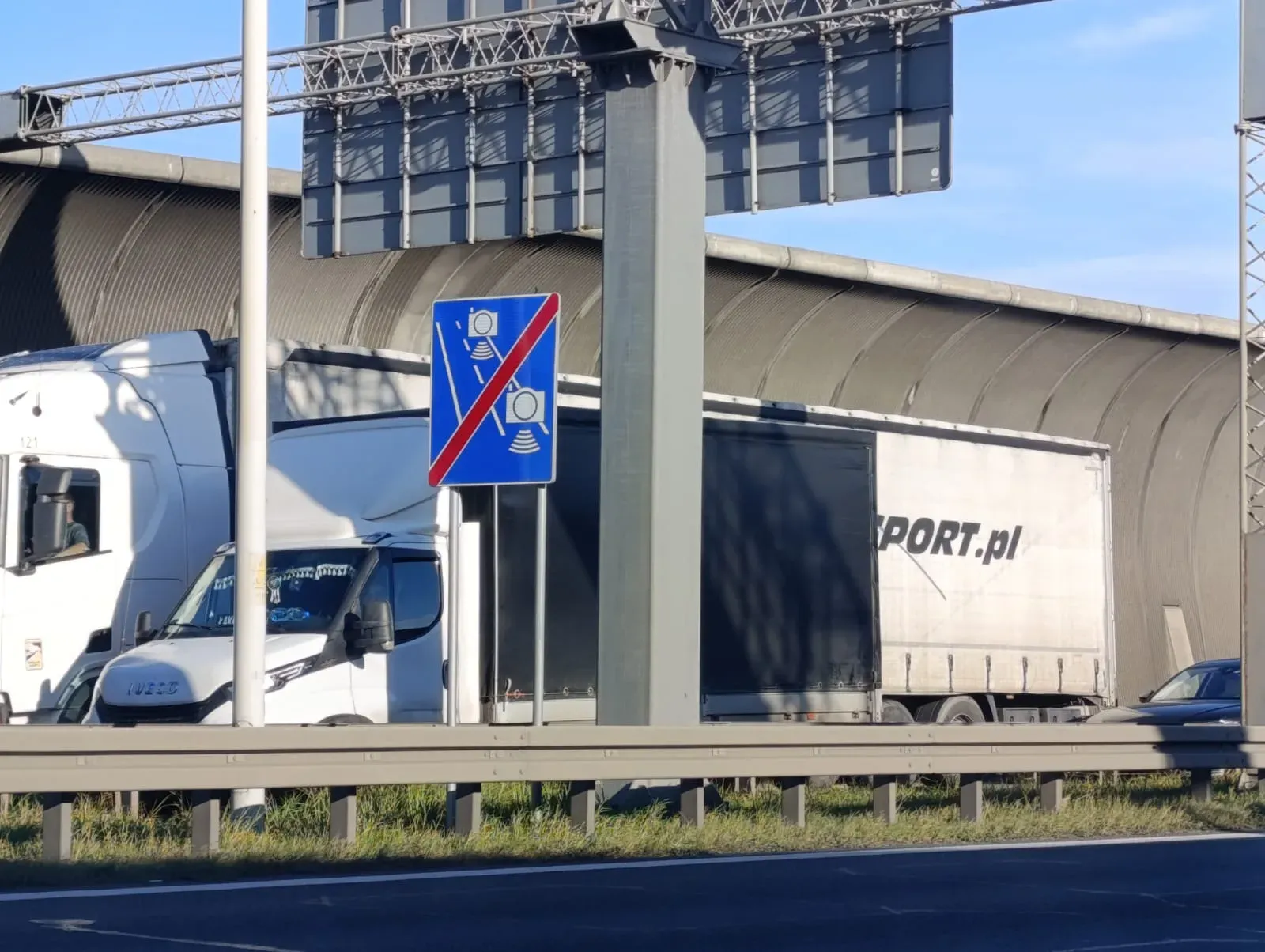
Spot checks for speed violations are increasing rapidly in Poland, but this time three existing installations will be removed. CANARD plans to take down devices in Małopolska and Silesia. However, this does not mean a reduction in regular inspections, as the equipment will be relocated to areas where it is more needed.
The biggest change concerns the A2 highway between Warsaw and Łódź. Due to planned road expansion, speed monitoring will be installed in certain sections there, and a speed limit of 70 km/h will apply to the sections under renovation.
OPP will be removed from three roads
The first location is the bypass of Tarnów on DK94. Speed monitoring is currently in place in both directions over sections less than 4.4 km long. Passenger cars can travel there at a maximum speed of 100 km/h, while trucks can go up to 80 km/h.
The second set is located on DK78 between Wilcza and Nieborowice in Silesian Voivodeship, on the Gliwice–Rybnik route. A speed limit of 90 km/h applies to passenger cars there, and 70 km/h for trucks.
The third installation is located on the southern bypass of Tarnowskie Góry along DK11. It is a very short section by OPP standards, measuring only 990 meters. The speed limits here are also 90 and 70 km/h. All three devices are set to be removed permanently.
Demolition will begin after the tender decision
Bids for the tender are scheduled to be opened on October 13, 2026. The selected company will have up to seven weeks to carry out the work.
This involves more than just removing the cameras. The contractor must also remove unnecessary support structures and foundations, and tidy up the area where the installations were located.
CANARD confirmed that the devices will not return to their previous locations. They will be moved to other roads.
On A2, the speed limit will be 70 km/h with section-based monitoring
The most important new location will be A2 between Warsaw and Łódź. The highway is set to be expanded with an additional lane, with work being carried out while maintaining two-way traffic.
During construction, the lanes will be narrowed and routed differently in some areas. The speed limit is expected to be 70 km/h, with section-based monitoring ensuring compliance. The checks will cover two sections of the highway.

The first one will be located between Dzierzgowo and Niesułków. On the Łódź side, the monitoring section will be about 30 km long, while on the Warsaw side it will be around 29 km.
The second system will be established between Koszajec and Michałówek. Here, the controlled section is expected to be about 48 km long.
This means that drivers will have to maintain an appropriate average speed not over a few kilometers, as in many current OPPs, but over a very long stretch of highway.
The third set will go on S7
Some of the removed equipment will also be used on the S7 expressway, on the Gdańsk bypass. The system is set to appear east of the junction where S7 meets highway A1.
As a result, the removal of these three installations does not mean a shift away from segmental measurement. CANARD simply moves the devices from their current locations to routes where new speed limits and significant changes in traffic organization will be introduced.
The exact date when new measurements will begin is not yet known. The bidding process must first conclude, followed by the disassembly and reinstallation of the equipment.
Piotr Sobczyk
