
Xpeng launches its own robotaxi brand, Yoyo
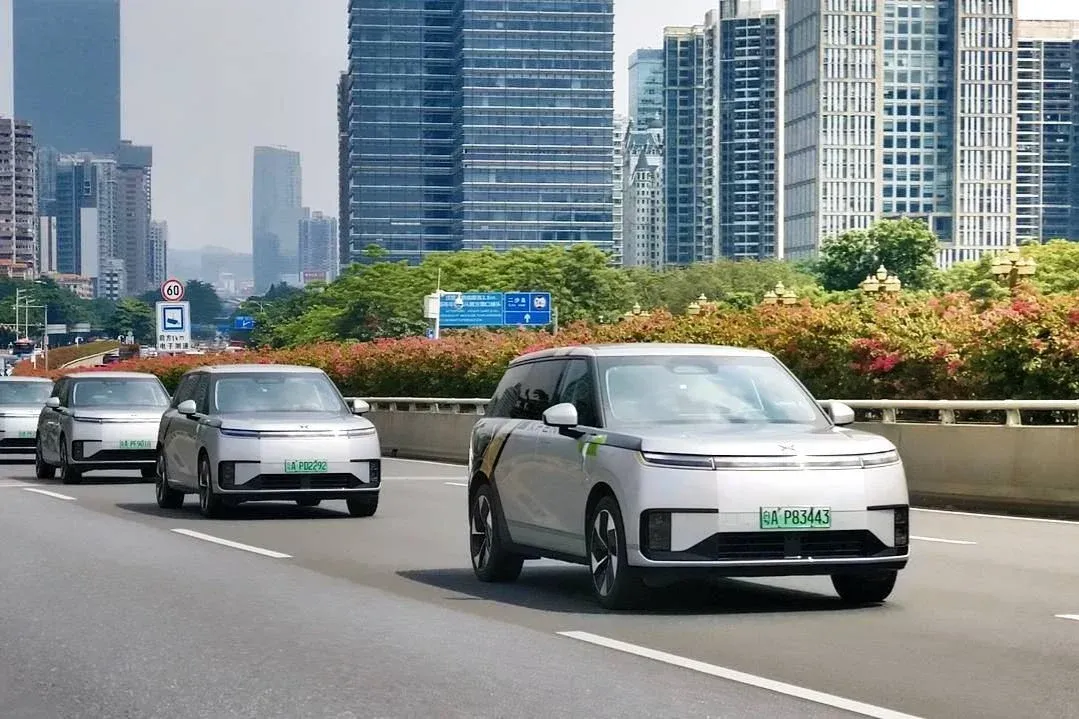
The Chinese electric vehicle manufacturer Xpeng is accelerating its entry into the robotaxi business. Under the Xpeng Yoyo brand, the company has launched its own autonomous driving service and opened registration for the first external users in China. For operating the fleet, Xpeng plans to rely on external partners.
Xpeng Yoyo Robotaxi Fleet in Guangzhou
Image: Xpeng
Access to Xpeng Yoyo is currently limited to users with an invitation code. The operational area also includes only regions in Guangzhou, where the robotaxis are being manufactured. With this move, VW’s subsidiary Xpeng is opening its robotaxi project to external users. By doing so, the company no longer positions itself solely as a developer of autonomous vehicles but is also creating its own service for using them.
The business model differs from that of a traditional taxi company. Xpeng aims to provide the vehicles and the necessary technology, while partners handle the operational aspects. The manufacturer expects revenue from selling hardware, services, and commission shares, among other sources. In this way, Xpeng seeks to profit from the robotaxi business without having to take on the operational responsibilities of a fleet operator itself.
As early as November 2025, when unveiling its robotaxi plans, Xpeng announced a partnership with the mobility platform Amap as its first ecosystem partner. Such collaborations are intended to integrate autonomous mobility services into existing platforms and simplify access for passengers.
Xpeng focuses on technology and ecosystem
Xpeng CEO He Xiaopeng outlined the business model back in May 2026. According to it, the company plans to focus on developing its products and earn revenue through partners in operating robotaxis. However, the actual operation of these rides is not intended to become its core business.
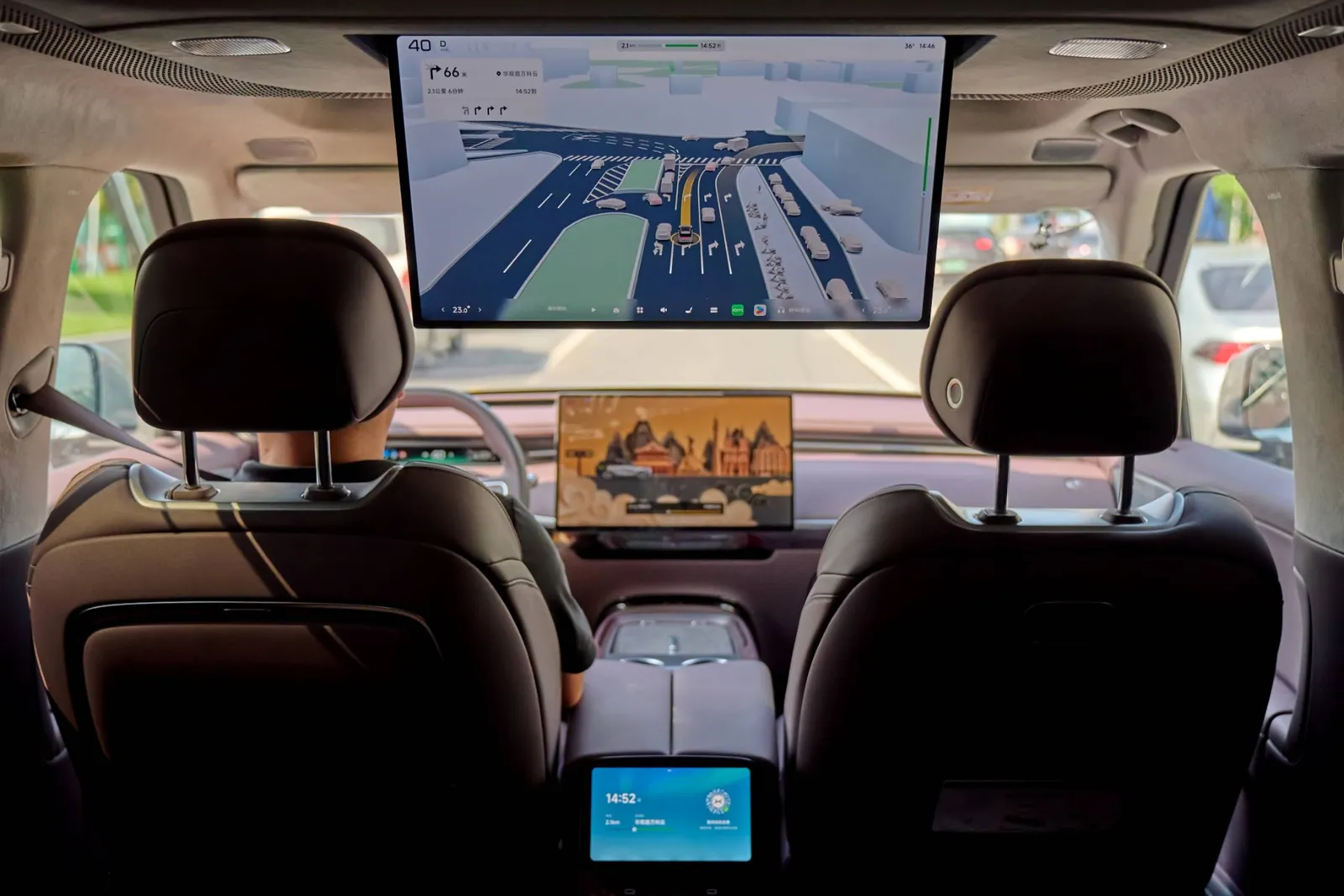
With Xpeng Yoyo, the manufacturer is establishing its own robotaxi brand without necessarily operating the vehicles itself. This allows it to market its technology and vehicles while also benefiting from services and commissions related to their use.
Specific fleet operators remain unknown
The launch with a initially limited user base represents another step toward the commercialization of autonomous mobility. How quickly Xpeng will expand its offerings and which partners will actually operate the services remains to be seen.
In May, Xpeng began mass production of its first robotaxi based on its flagship SUV, the Xpeng GX. Designed for Level 4 autonomous driving, this vehicle uses four self-developed Turing AI chips with a computing power of 3,000 TOPS and does not rely on lidar sensors. Xpeng had announced at the time that it would launch pilot projects in the second half of the year and aim to achieve fully autonomous operation without onboard safety personnel by early 2027. With Xpeng Yoyo, the company is now detailing how it plans to commercialize these robotaxis and generate revenue from them.