
Xpeng launches its own robotaxi brand called Yoyo
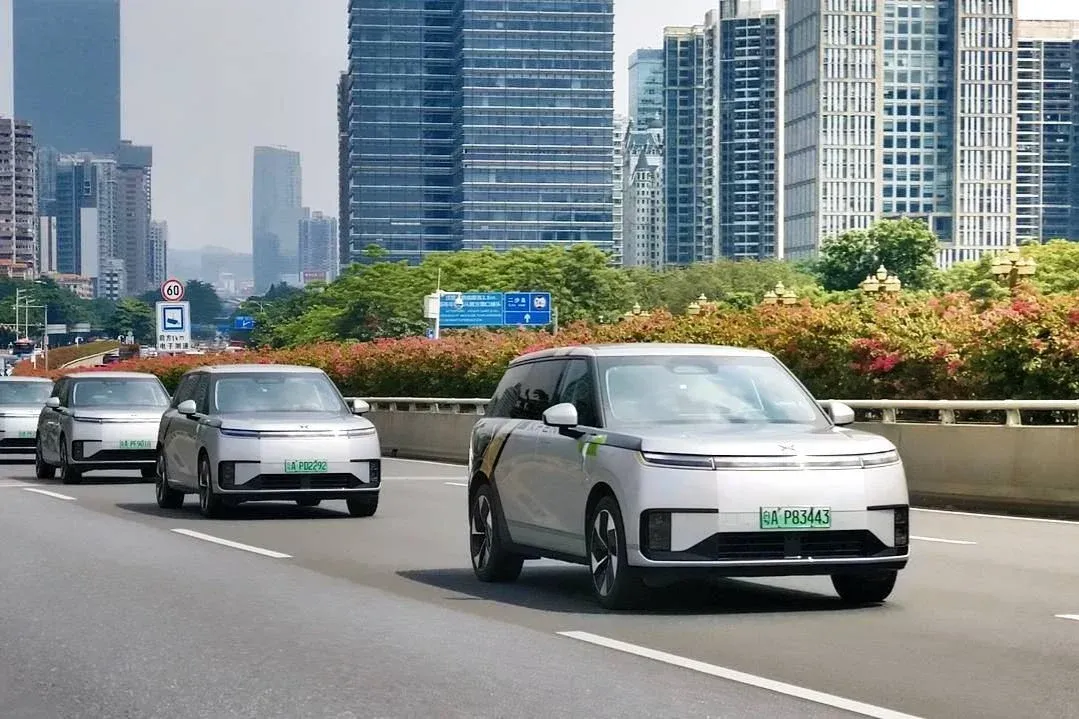
Chinese manufacturer of electric cars, robots and drones, Xpeng is advancing its entry into the robotaxi business. Under the Xpeng Yoyo brand, the company has unveiled its own service for autonomous rides and opened registration for the first external users in China. For the operational management of the fleet, Xpeng plans to rely on external partners.
Xpeng Yoyo Robotaxi fleet in Guangzhou
Image: Xpeng
Access to Xpeng Yoyo is initially restricted to users with an invitation code. The operational area currently covers only parts of Guangzhou, where the robotaxis are manufactured. The Volkswagen-affiliated Chinese automotive achiever Xpeng is now opening its robotaxi project to external users, positioning itself not only as a developer of autonomous vehicles but also as a provider of its own mobility service.
The business model differs from that of a traditional taxi company. Xpeng intends to provide the vehicles and required technology, while its partners will handle the operational management. The manufacturer expects revenue from hardware sales, services, and commission-based participation. This means Xpeng can profit from the robotaxi business without having to become a fleet operator.
In November 2025, during the presentation of its robotaxi plans, Xpeng announced a collaboration with the mobility platform Amap as its first ecosystem partner. Such partnerships are meant to help integrate autonomous mobility services into existing platforms and make access easier for passengers.
Xpeng focuses on technology and ecosystem
Xpeng CEO He Xiaopeng had already outlined the business model in May 2026. Here, the company aims to focus on developing its products and generate revenue through partners operating the robotaxis, while the actual execution of the rides will not become part of its core business.
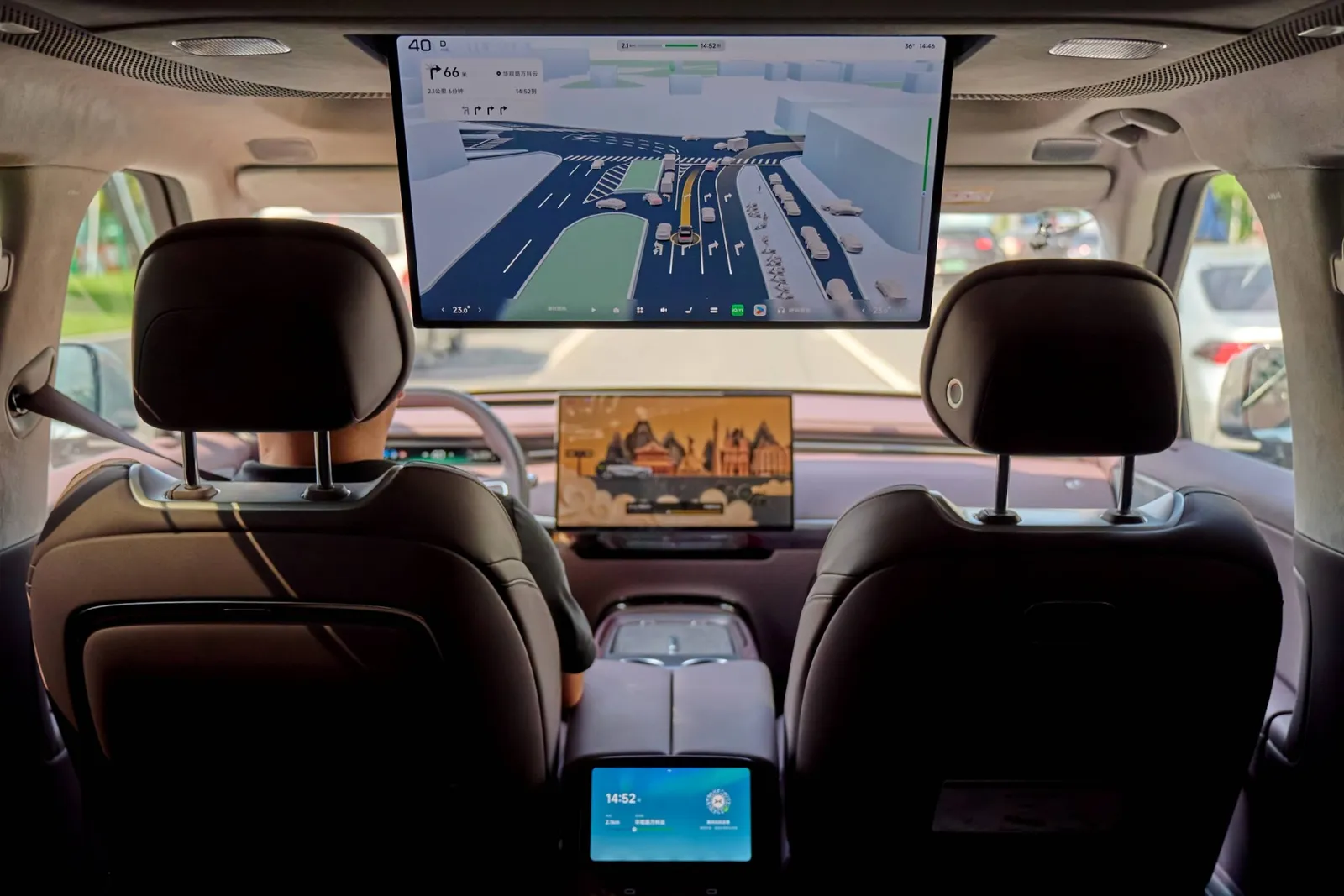
With Xpeng Yoyo, the manufacturer is thus establishing its own robotaxi brand without necessarily acting as the operator of the vehicles itself. This allows the company to market its technology and vehicles while also participating in usage through services and commissions.
Specific fleet operators still unknown
The launch with an initially limited user base marks another step towards the commercialisation of autonomous mobility. How quickly Xpeng will expand the offering and which partners will specifically take over operations remains to be seen.
In May, Xpeng started the series production of its first robotaxi based on the flagship SUV Xpeng GX. The vehicle, designed for Level 4 autonomous driving, uses four Turing AI chips developed in-house, with a computing power of 3,000 TOPS and without lidar sensors. At the time, Xpeng announced plans to launch pilot projects in the second half of the year and aim for fully autonomous operation without safety personnel in the vehicle by early 2027. With the announcement of Xpeng Yoyo, the manufacturer is now clarifying how it intends to commercially deploy the robotaxis and generate revenue from them.