
Why XPeng opted for 400 Volts and LFP cells in the L03
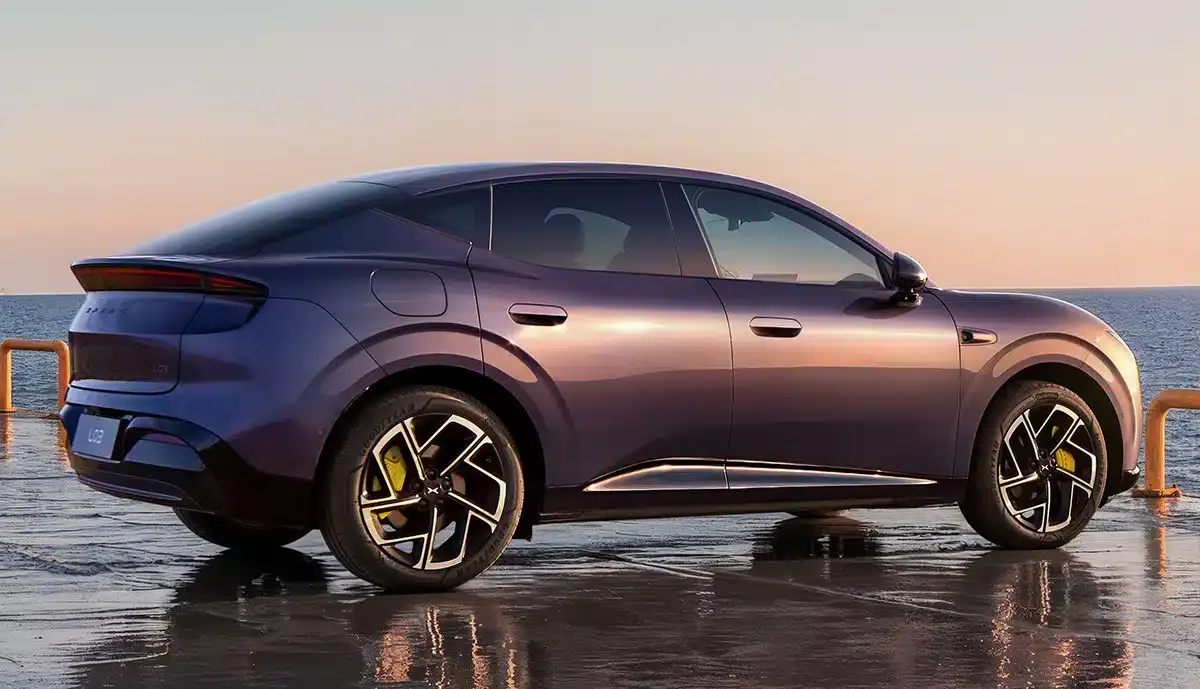
Image: XPeng
Jackie Gu, the electric vehicle manufacturer’s powertrain developer, explains in an interview with B2B Movement the technical decisions behind the L03 model and its battery system. For this mid-size SUV coupe, the Chinese company opted for a 400-Volt system because the requirements for range and acceleration are sufficient for it. Although an 800-Volt system offers advantages in charging speed, shorter charging times, and very high performance demands, it tends to be more expensive due to the more complex battery pack design.
The battery cells for the L03 are sourced externally from suppliers like CATL, according to the manager, with XPeng designing the cell specifications itself. The battery pack, on the other hand, is fully developed, manufactured, and assembled by the company. The L03 uses LFP cells (lithium iron phosphate) with a charging rate of 3C, as they meet the performance requirements and China’s supply chain is heavily focused on this cell type.
Regarding charging performance, Gu emphasizes that the extended range depends on the C-rate and battery energy. A higher voltage allows for more power at the same current, which may be necessary to meet future demands for very high ranges. In Europe, 400-volt infrastructure remains dominant at present, while 800-volt systems are more common in China.
XPeng omits a two-speed gearbox in the L03 and uses a single-speed gearbox instead. “With only one gear ratio, one must carefully balance power, torque, efficiency range, and top speed,” said Gu. “Two gears can offer advantages at low and high speeds, but they increase costs and complexity. It’s a classic trade-off.”
The company has also developed range-extender electric vehicles to meet global demands for range and infrastructure. This system uses existing electric vehicle components such as the battery pack and powertrain, supplemented by a combustion engine with a 42-liter tank serving as a power generator. According to Gu, the precise arrangement of these components presents a complex packaging challenge, as the wheelbase, axles, battery pack, tank, and engines must all fit together. He hopes that the proportion of range-extender models in Germany will exceed 30 percent.
Also interesting
About the author
Thomas Langenbucher is an expert in electromobility with experience in the automotive and financial industries. Since 2011, he has been covering electric vehicles, sustainable technologies, and mobility solutions for ecomento.de. Learn more.
Reader interactions