
Volvo is accelerating in the electric vehicle sector, but global sales are declining.

The decline in global sales during the third quarter prompted Volvo to withdraw its forecasts for the year, anticipating a significant impact on profits.
Volvo ended the third quarter with two quite contrasting trends. Global sales fell again, but fully electric models continued to play a growing role in its lineup. Let’s look at the numbers.
From July to September, the Swedish brand delivered 141,609 cars worldwide, a 10.7% decrease compared to the same period in 2025.
The double-digit drop forced Volvo to abandon its previous sales volume and cash flow forecasts for 2026. The automaker admits it will not be able to meet these targets, and given market uncertainty, it decided not to provide new short-term outlooks.
In a statement, Volvo cites the deterioration of market conditions in China and a slower recovery than expected in the U.S. as the main reasons. In contrast, Europe continues to show greater resilience.
Electric vehicle sales rise by nearly 29%
The most positive figures for Volvo’s third quarter come from its 100% electric models. From July to September, the brand sold 45,060 electric vehicles, an increase of 28.6% compared to the same period in 2025. Overall, 100% electric models accounted for 32% of Volvo’s sales, while electrified models—electric and plug-in hybrids—made up 53%.
In the region Volvo categorizes as Europe and the rest of the world, the growth was even more significant. 40,466 electric vehicles were sold, up 51% from a year earlier, while total sales increased by 2% to 90,548 units.
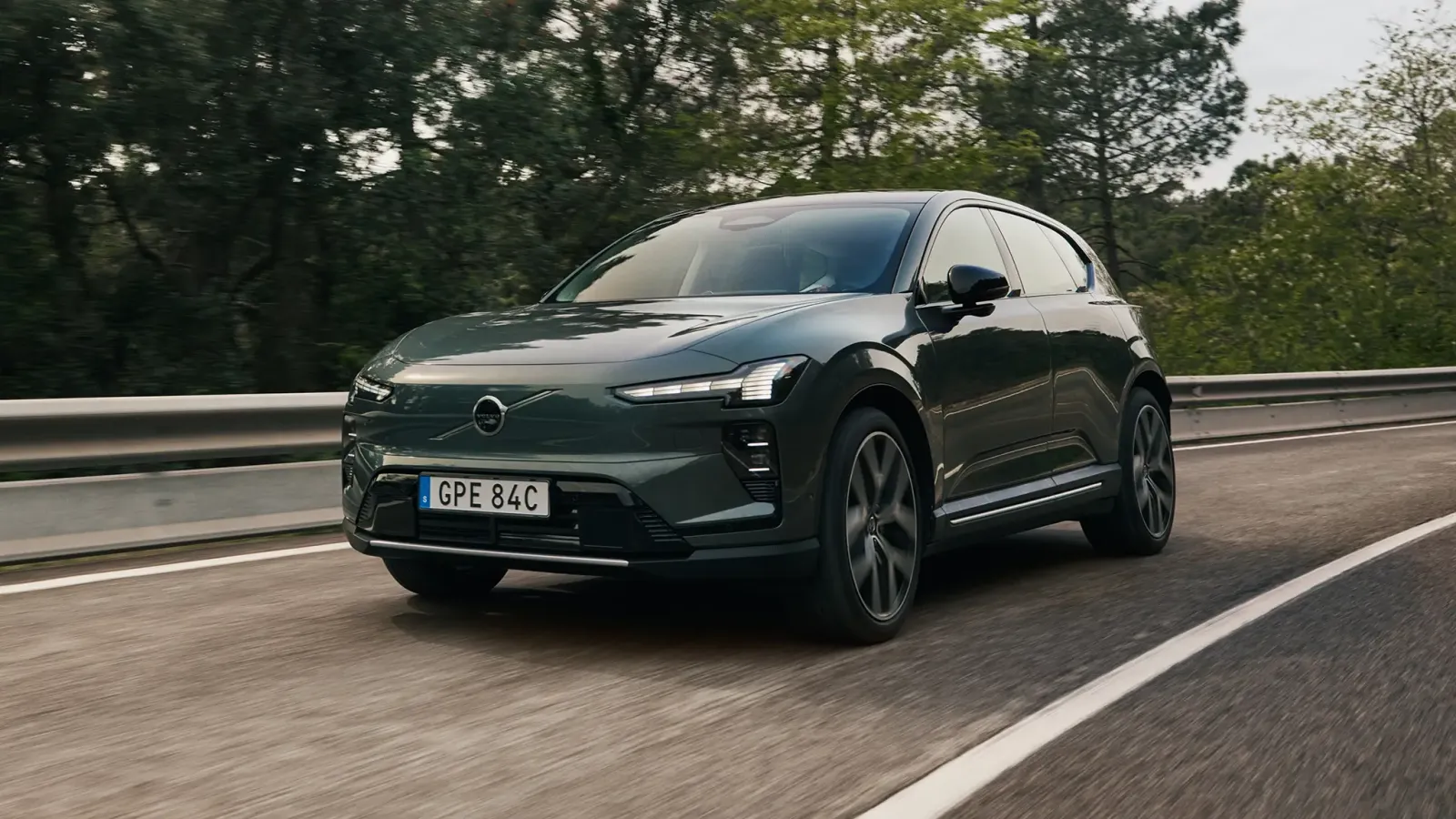
The growth in electric vehicles was, however, accompanied by a decline in sales of other powertrains. Globally, plug-in hybrids saw a 18% drop, while models with internal combustion engines and mild hybrid systems experienced a 23.6% decline.
Discover your next car:
China continues to impact results
China was the market where sales declines were most severe. Volvo delivered 20,284 cars in the third quarter, 40.6% less than in the same period last year.
The decline was particularly sharp among models with internal combustion engines and mild hybrid systems, whose sales dropped by 52%. In contrast, plug-in hybrids saw a 45.7% increase, although from a smaller base.
In fully electric models, sales fell by 29.9%, to just 968 units. Volvo attributes this to increasing competition and price pressure from local brands, as well as the fact that the world’s largest automobile market is also experiencing a steep decline (over 20% in the first nine months).
In the North American market, the decline was less severe. Volvo sold 30,777 vehicles, 14% fewer than in the third quarter of 2025. The brand cites increased competition among SUVs and a slow recovery in demand for electric and plug-in hybrid vehicles as key factors.
The impact of this decline on financial results will become known on October 23, when Volvo releases its full third-quarter financial figures. Although it has not yet provided specific numbers, the company has already indicated a significant negative impact on operating profits and cash flow.
