
Volkswagen sold 240,200 electric vehicles in the third quarter. Skoda drives sales in Europe.
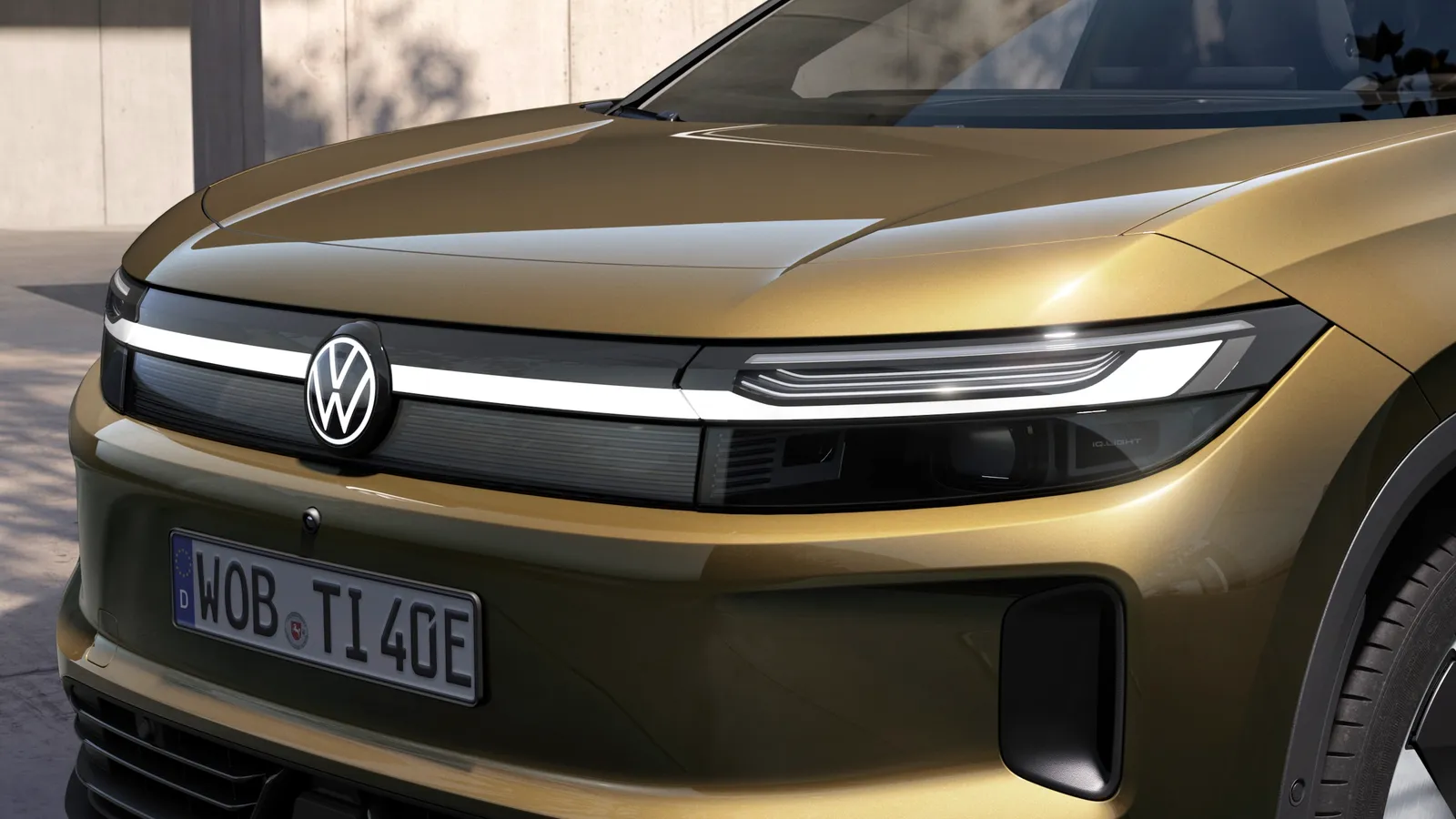
Volkswagen Group delivered 240,200 electric vehicles in the third quarter of 2026, 4.7% fewer than the previous year. However, sales in Europe rose by 19.6%, with BEVs accounting for one in every eight vehicles sold across the group.
From July to September, all brands in the group combined sold 1.885 million vehicles, 14.3% fewer than the previous year. Electric vehicles thus declined more slowly, with their share rising to 12.7%. For comparison, Mercedes-Benz Cars achieved a 16.8% share in the same quarter.
Europe grows while the U.S. falls by 86.4%
European customers purchased 209,100 of the group’s electric vehicles, a 19.6% increase year-on-year. In the U.S., sales plummeted by 86.4% to 5,100 vehicles, in China they dropped by 30.1% to 18,000, and in other markets they fell by 43% to 8,100 units.
After nine months, the figure remains negative. The Volkswagen Group delivered 678,700 BEVs, 5.4% fewer than in the same period of 2025. Europe accounted for 586,100 vehicles, showing a 12.1% increase, but the U.S. saw a 78.4% drop to 14,900 units, China dropped by 42.5% to 48,900, and other markets fell by 30% to 28,800.
The company attributes the decline in the U.S. to the end of subsidy programs and existing import tariffs. In China, Volkswagen notes positive demand for locally developed models, but this has not yet translated into an overall sales recovery.
In total, without breaking down by propulsion type, the group delivered 6.01 million vehicles from January to September, a 9% year-on-year decrease. China saw a drop of 30%, while North America declined by 4%. Growth was recorded in South America at 4%, Western Europe at 1%, and Central and Eastern Europe at 5%
Skoda closing in on Volkswagen
The best-selling electric vehicle in the group was the Skoda Elroq, with 92,200 units sold. Followed by the Volkswagen ID.4 and ID.5 at 81,900 units each, Skoda Enyaq at 72,700, ID.3 at 61,100, and Audi Q6 e-tron at 50,400. The next positions were occupied by the ID.7 with 47,500 units, Audi Q4 e-tron at 47,000, ID. Buzz at 42,000, Cupra Born at 29,000, and Audi A6 e-tron at 27,600.
The brand results show a shift in power dynamics. Volkswagen Passenger Cars lost 22.4% in the third quarter, ending the period with 73,900 electric vehicles sold. Skoda saw a 30% increase to 59,300 units, while SEAT/Cupra increased by 25.5% to 24,800. Volkswagen Commercial Vehicles improved its figures by 25.9% to 17,700 vehicles. Audi declined by 21.5% to 48,700, whereas Porsche increased by 2.5% to 15,100. The gap between Volkswagen and Skoda narrowed from around 50,000 to just under 15,000 vehicles.
The other strong point is the plug-in hybrids and EREV models. Their sales increased by 23% in nine months to 368,000 units, accounting for 6.1% of the group’s deliveries. In China, sales of electric vehicles rose by about 30% in the third quarter, but Volkswagen did not provide an absolute figure. The group’s first EREV model there is the ID. ERA 9X.
The manufacturer claims that Europe’s BEV order book grew by over 60%. The ID. Polo, ID. Cross, Skoda Epiq, and Cupra Raval together received nearly 150,000 orders, with electric vehicles making up about 40% of the total order book. Overall order volume increased by 4%.
"In Europe, one in five models we deliver is fully electric, and this figure accounts for around 40% of our order portfolio," said Martin Sander, member of the group’s expanded management board for sales. He cited high fuel prices and a wider range of cheaper models as factors. Now Volkswagen must turn this portfolio into actual deliveries, as numbers outside Europe remain weak.
LovEV Newsletter
Want more content like this?
Sign up — we’ll send you a weekly summary once the newsletter starts.