
Volkswagen is not slowing down on electric vehicles. Instead, it is changing the way they are produced.
Volkswagen is rethinking how it plans to produce cars in the coming years. The goal isn’t to slow down the development of electric vehicles, but to build factories that can quickly respond to changing demand.
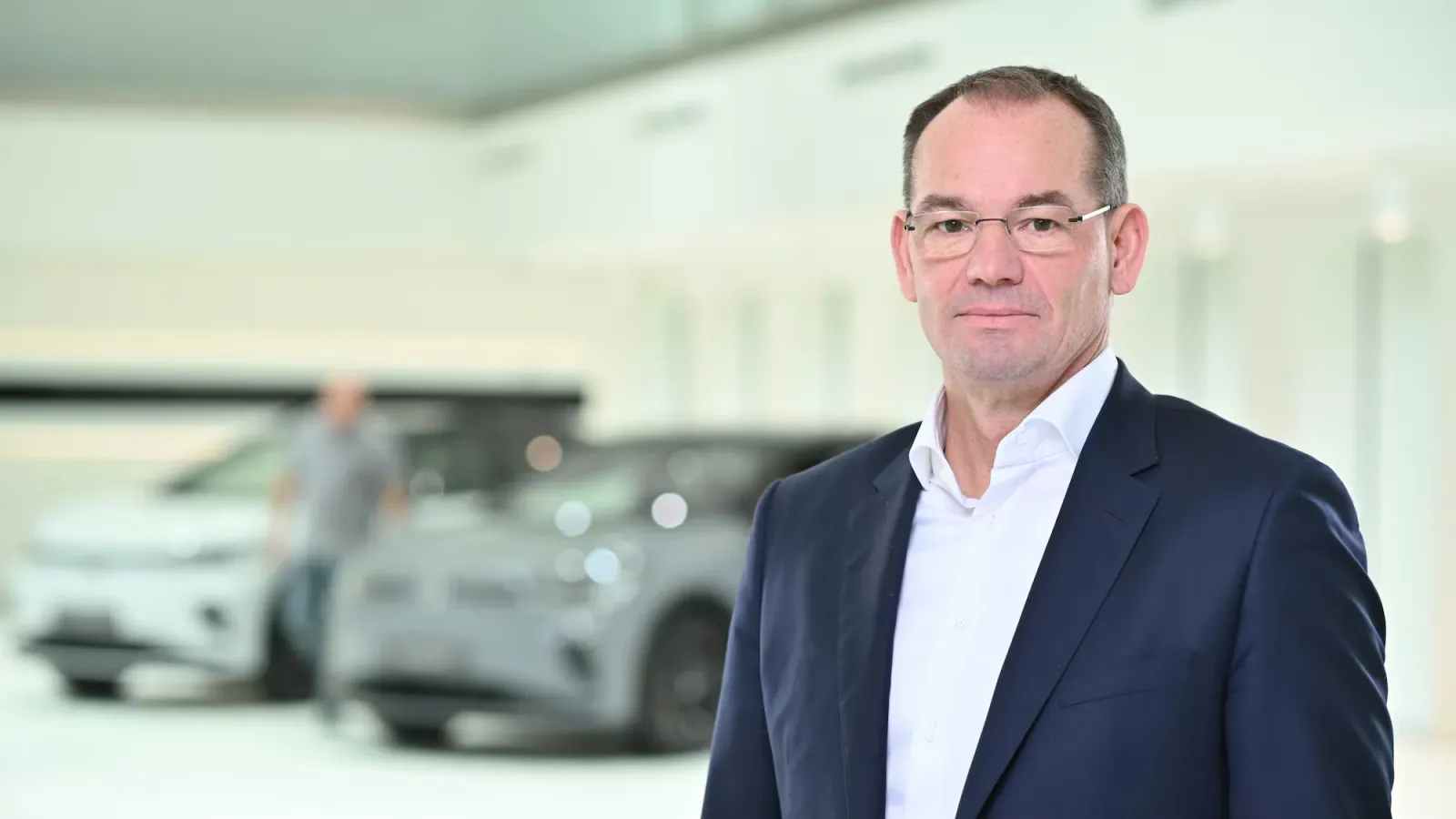
Christian Vollmer, head of production at Volkswagen, told “Automobilwoche” that from today’s perspective, the company would not repeat a full conversion of the plants in Emden and Zwickau solely to electric vehicles. When making that decision, Volkswagen assumed a faster pace of market shift toward EVs. Now the company wants to prepare for various scenarios.
Electric and internal combustion vehicles on the same line
The basic principle should be simple: the plant should be able to produce both electric vehicles and combustion engine models. If demand for EVs increases at a given time, the factory will be able to raise their share. When combustion engine cars or plug-in hybrids sell better, the proportions can be shifted in the other direction.
In plants with a single assembly line, Volkswagen wants to maintain mixed production as long as the transition to different powertrains continues. Where there are multiple lines, the various technologies can be allocated across them, but the entire plant will still retain great flexibility.
Spain Will Be the Hub for Small Electric Vehicles
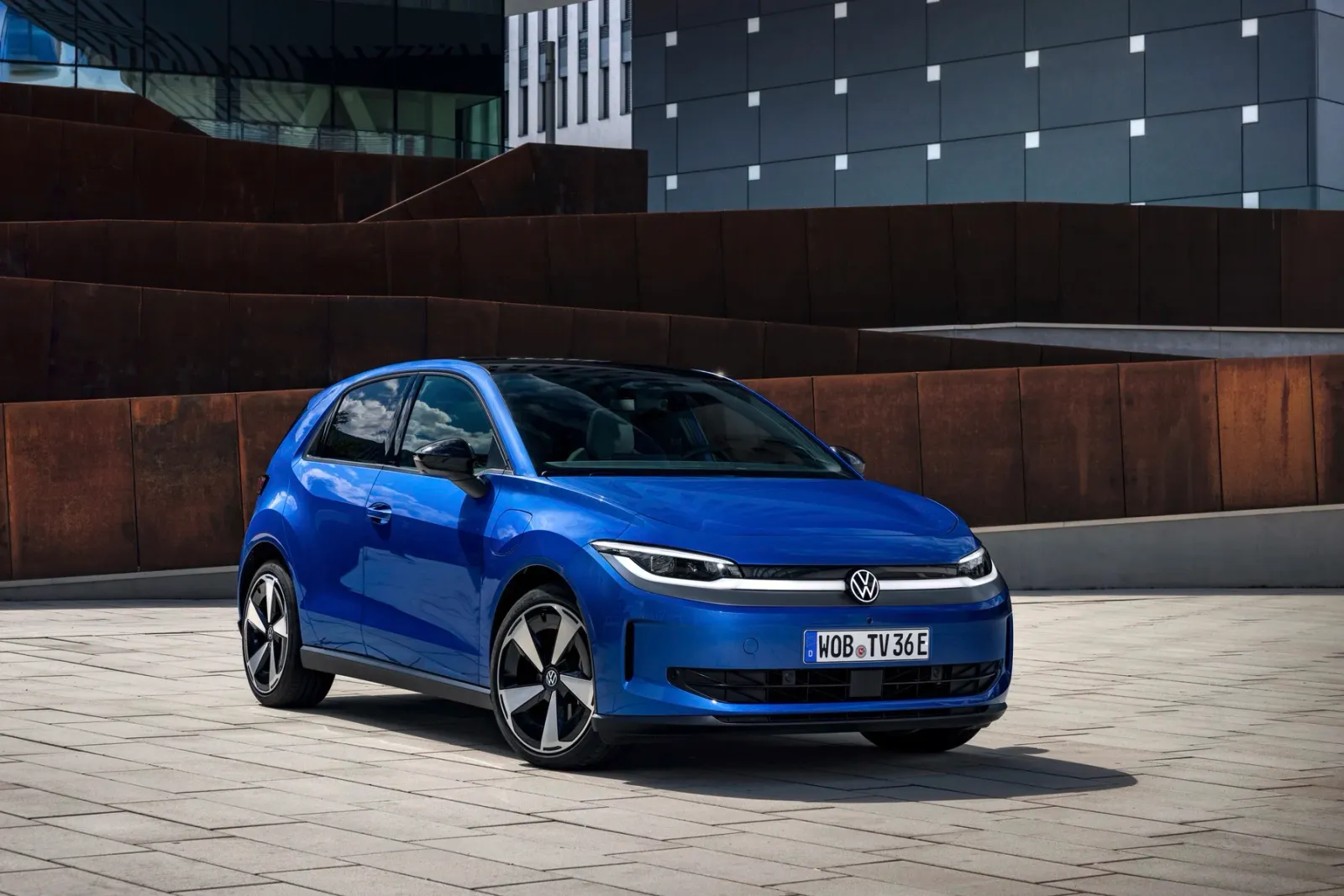
The best example of this new approach is the factories in Spain. In Martorell and Pamplona, the Volkswagen Group will produce four models from the Electric Urban Car family: the Volkswagen ID. Polo, Volkswagen ID. Cross, Cupra Raval, and Skoda Epiq.
Instead of building entirely new factories from scratch for these models, the company will use existing plants and adapt them for new production. In Martorell, two lines will continue to produce gasoline-powered vehicles and plug-in hybrids, while the third line has been designated for small electric cars.
600 million euros in savings
The joint production of the four models is expected to generate around 600 million euros in savings over the entire life cycle of the project. It’s not just the infrastructure that matters. The factories in Martorell and Pampeluna are relatively close to each other, making it easier to reduce logistics costs and utilize shared components.
The cars themselves were also designed to share as many parts as possible. The number of variants was limited, with many components being common to Volkswagen, Cupra, and Skoda.
Volkswagen’s cheapest electric car next to the T-Roc
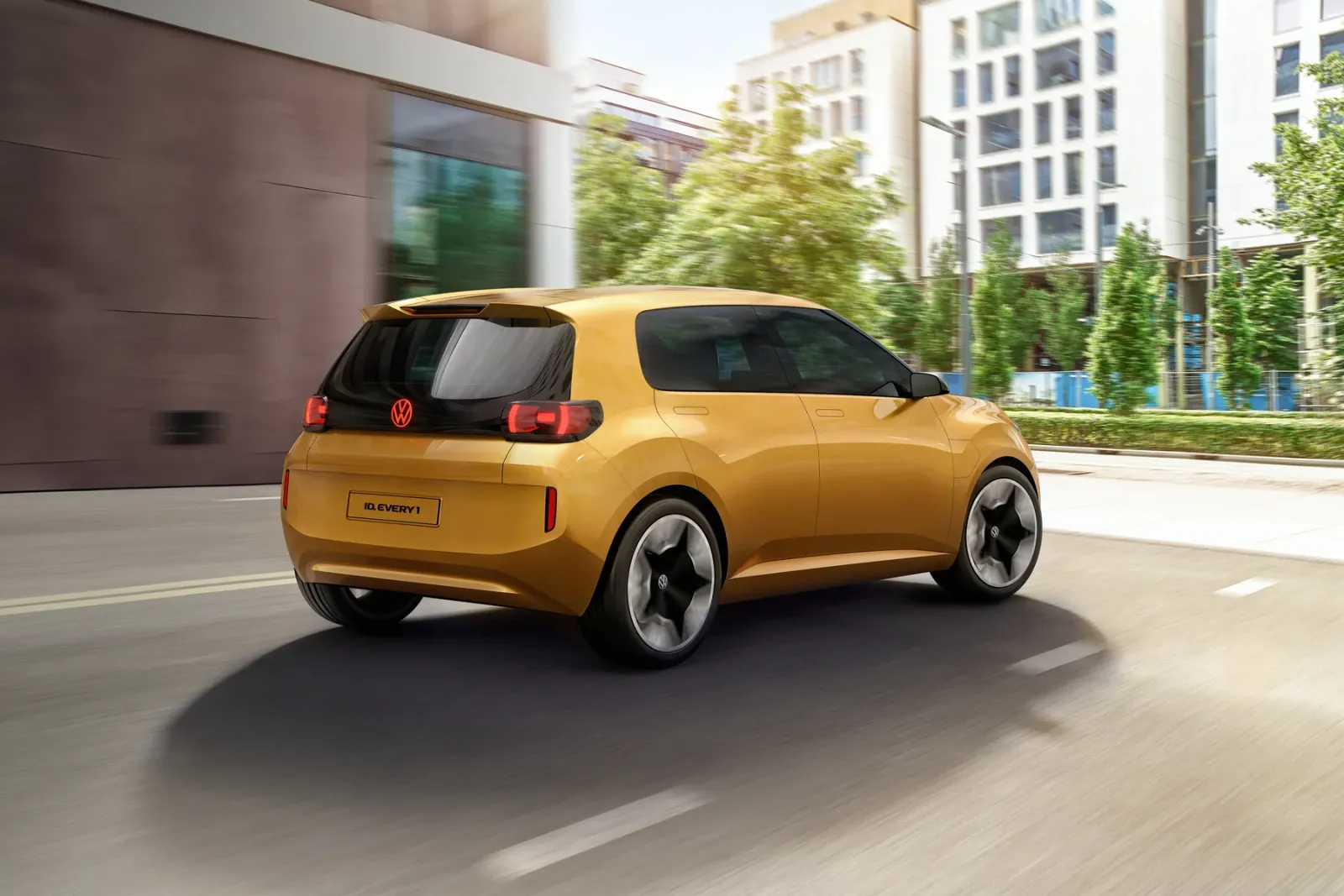
A similar approach is planned for Palmela in Portugal. There, the production version of the ID.Every1 concept car is set to be built on the same line as the new T-Roc. Thus, Volkswagen’s electric city car and the gasoline SUV will be produced side by side.
ID.Every1 is based on the same technical family as the ID. Polo, ID. Cross, Cupra Raval, and Skoda Epiq. This reflects a shift in production philosophy. Electric vehicles will not be treated as a separate category requiring dedicated facilities, but rather as another part of the regular lineup.
Wolfsburg will also become more flexible
Similar changes are set to be implemented at Volkswagen’s main factory in Wolfsburg. Vollmer announced that the Tiguan will be produced there on the same assembly line as the new electric compact car, currently referred to as ID.3 Neo.
With the production of the Golf moving elsewhere, the number of assembly lines in Wolfsburg is expected to drop from four to two. At least one of these lines will therefore need to be capable of producing vehicles with different powertrains. A similar mix may emerge in the future at Volkswagen’s plant in Mladea Boleslav, Czech Republic.
Not every model needs its own factory
Volkswagen also wants to make more use of shared facilities for various brands within the Group. According to Vollmer, a separate factory dedicated to one model or platform becomes economically viable at a production volume of around 250,000 to 300,000 vehicles per year over the entire life cycle of the project.
At a smaller scale, it may be more cost-effective to combine Volkswagen, Skoda, Cupra, and other Group brands under one roof. This approach allows for reduced investment in new factories, better utilization of existing production capacity, and quicker response to market changes.
Electric vehicles stay, but factories need to be more resilient to changes
Volkswagen continues to expand its range of electric vehicles. In the coming years, cheaper models will be added to the lineup to increase the availability of electric cars in Europe. The change thus relates not to the direction but to the method of production.
The company no longer assumes that EV sales will grow each year exactly in line with previous forecasts. Factories are to be prepared for both faster growth in electrification and periods when internal combustion engine and plug-in hybrid models will still account for the majority of sales. For Volkswagen, flexible production is meant to be a way to balance two goals: further developing electric vehicles while simultaneously reducing the risk of costly, overly rigidly designed factories.
Piotr Sobczyk