
Volkswagen ID. Tiguan shown. Seat massages, passenger screen, retro dashboards. Same batteries. Sold in 2027
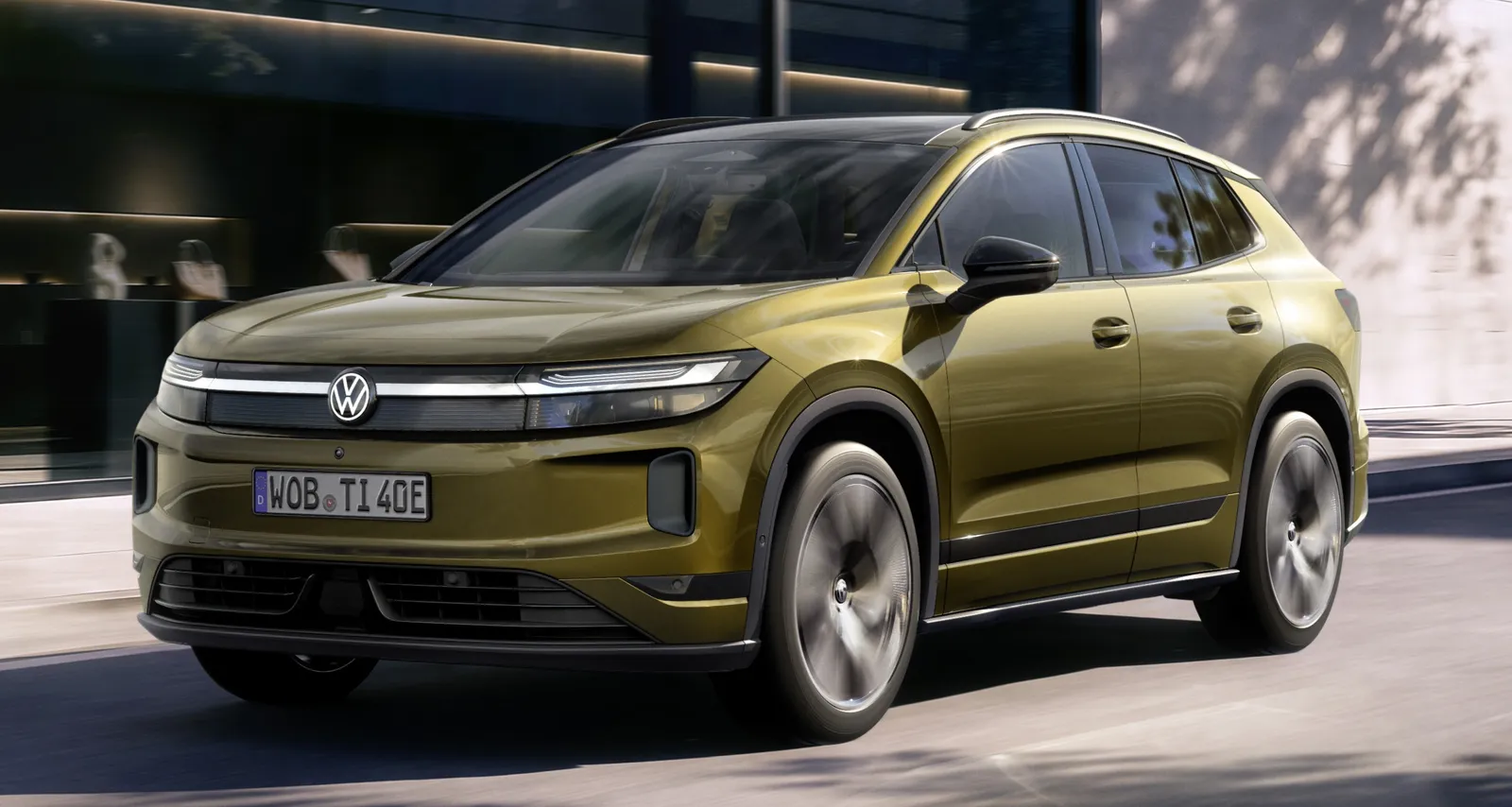
The new Volkswagen ID. Tiguan has made its debut, an electric vehicle that shares essentially only the name with the VW Tiguan. Built on the MEB+ RWD platform, this car will go on sale in 2027 to replace the VW ID.4. The coupe version currently sold as the VW ID.5 will not have a successor. Compared to the ID.4, the new VW ID. Tiguan has been updated both externally and internally, but the battery-powertrain systems remain unchanged, with their number significantly limited. The largest available battery will still have a capacity of 82 (77) kWh. The 84 (79) kWh package is likely reserved for the GTX version.
Volkswagen ID. Tiguan up close
Table of contents
Volkswagen ID. Tiguan up close
VW ID. Tiguan, specifications
Volkswagen has high hopes for its new name. The headline itself claims that “the brand’s best-selling car is now electric,” even though the vehicles are built on completely different platforms: the Tiguan is based on the MQB Evo, while the ID. Tiguan uses the latest MEB+ platform variant that supports rear-wheel and all-wheel drive. The VW Tiguan is a gasoline-powered car, at best a plug-in hybrid, whereas the VW ID. Tiguan is available only in a fully electric version. The only technical similarity is, at most, the horizontal engine layout.
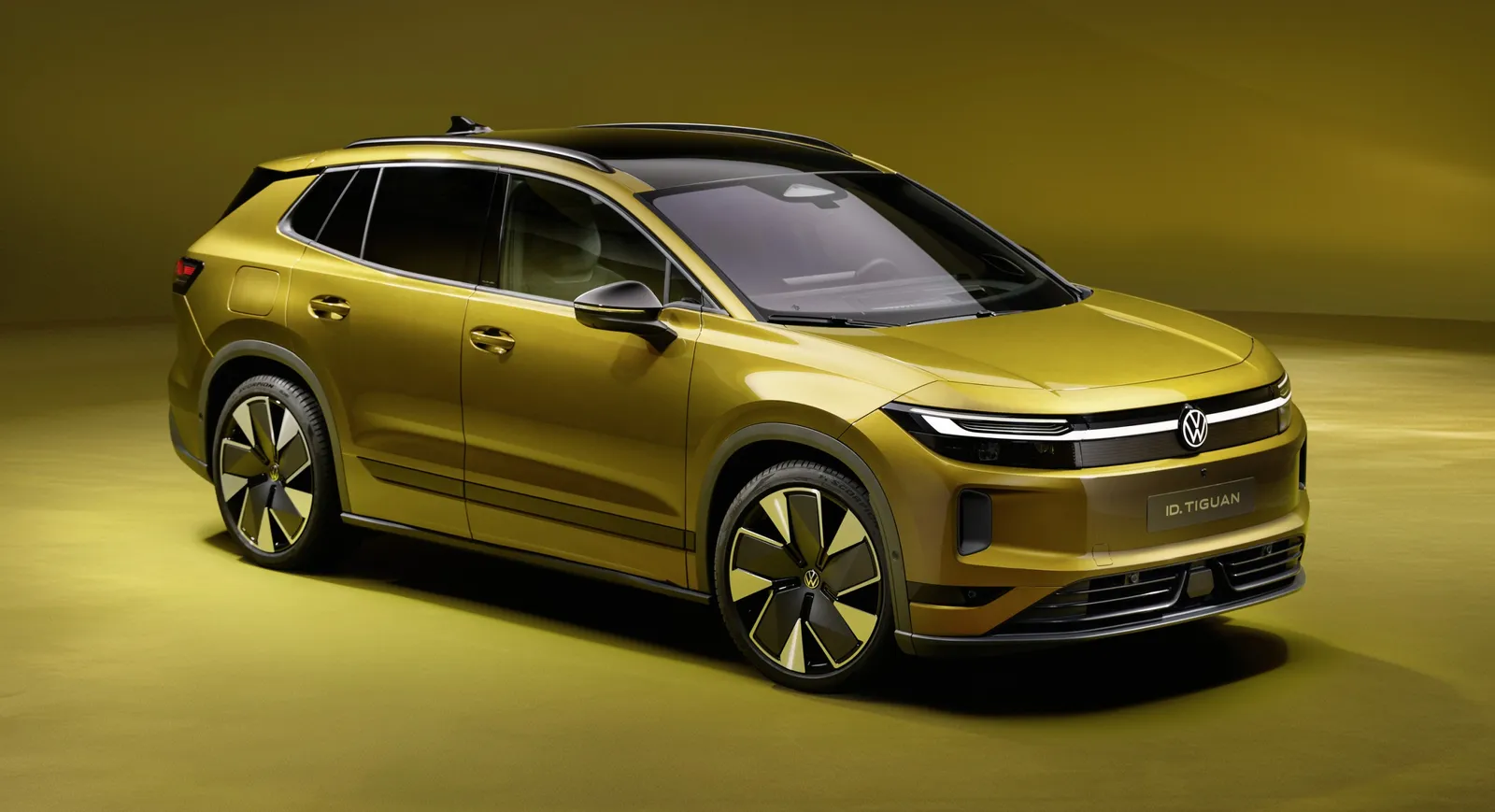
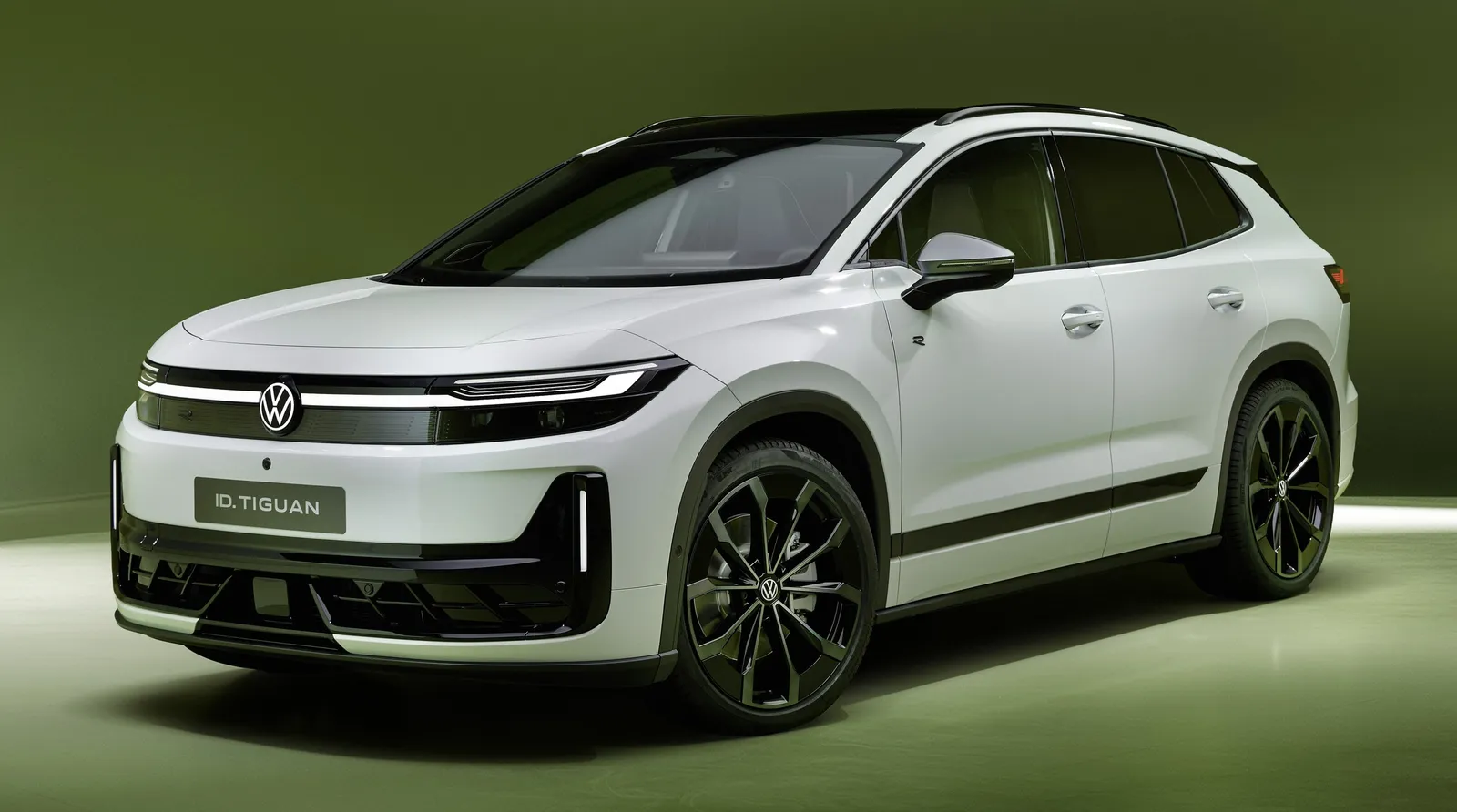
The Volkswagen ID. Tiguan in a render or heavily modified photo. Compare this illustration with the equipped R variant in white (below).
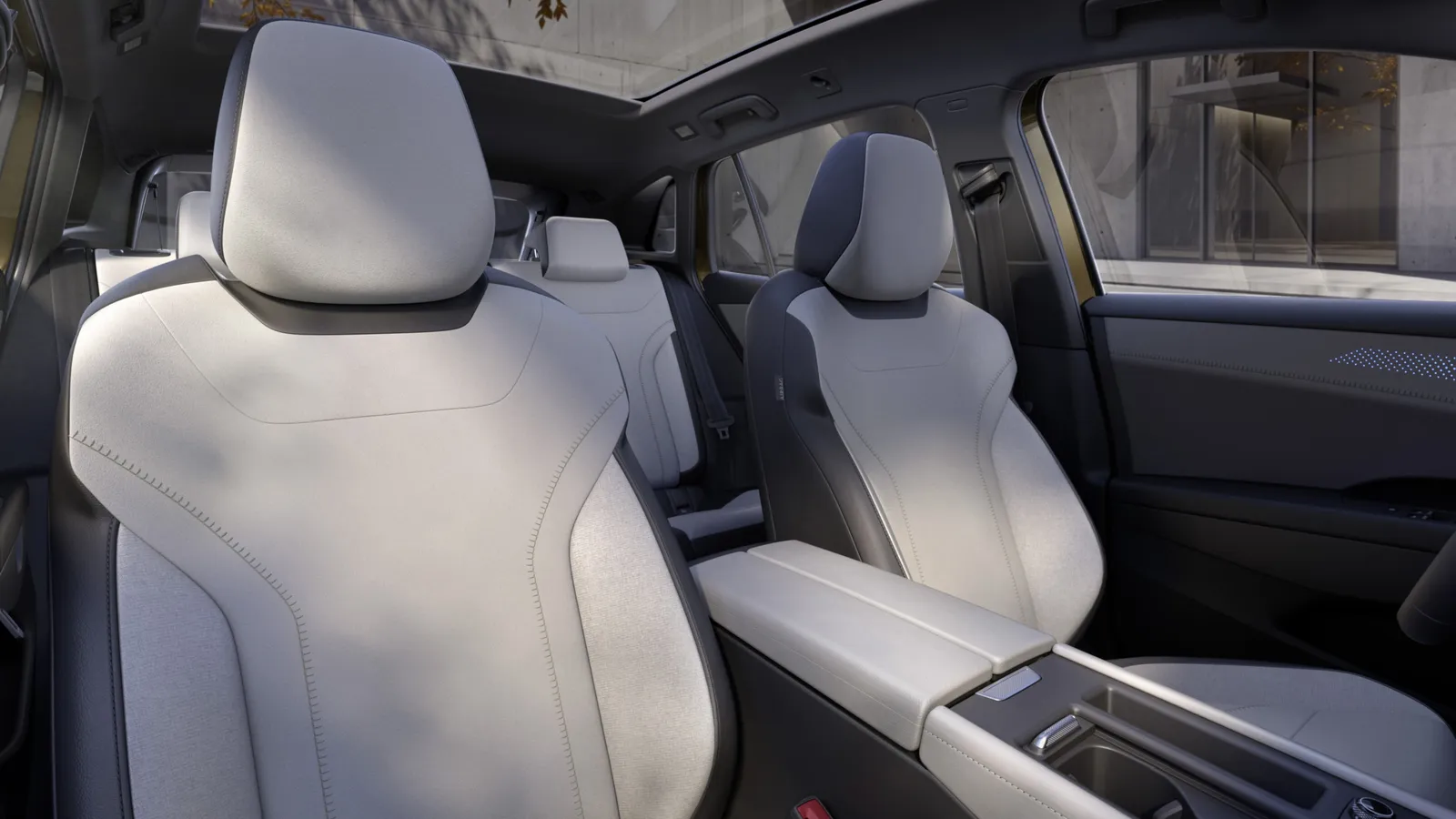
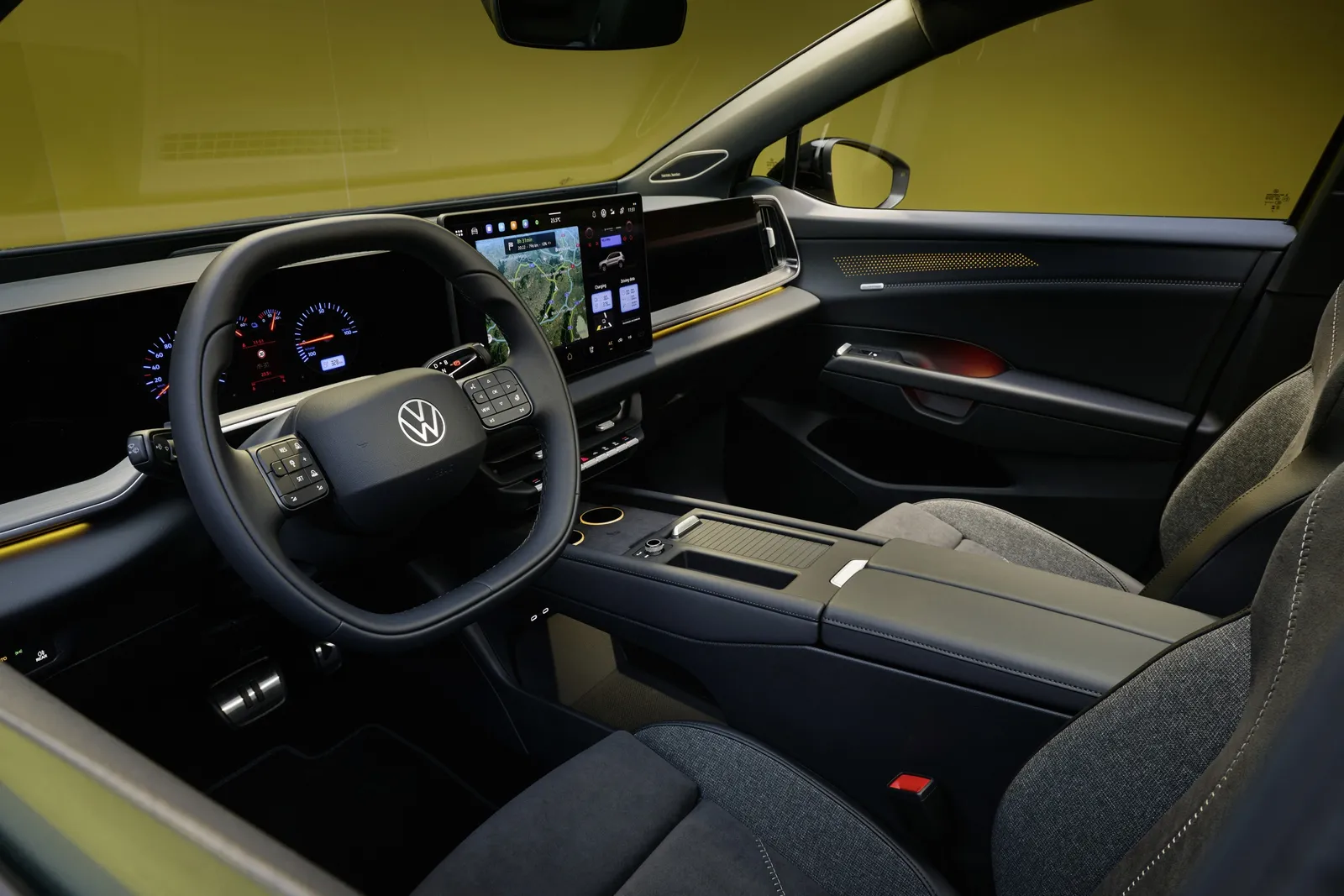
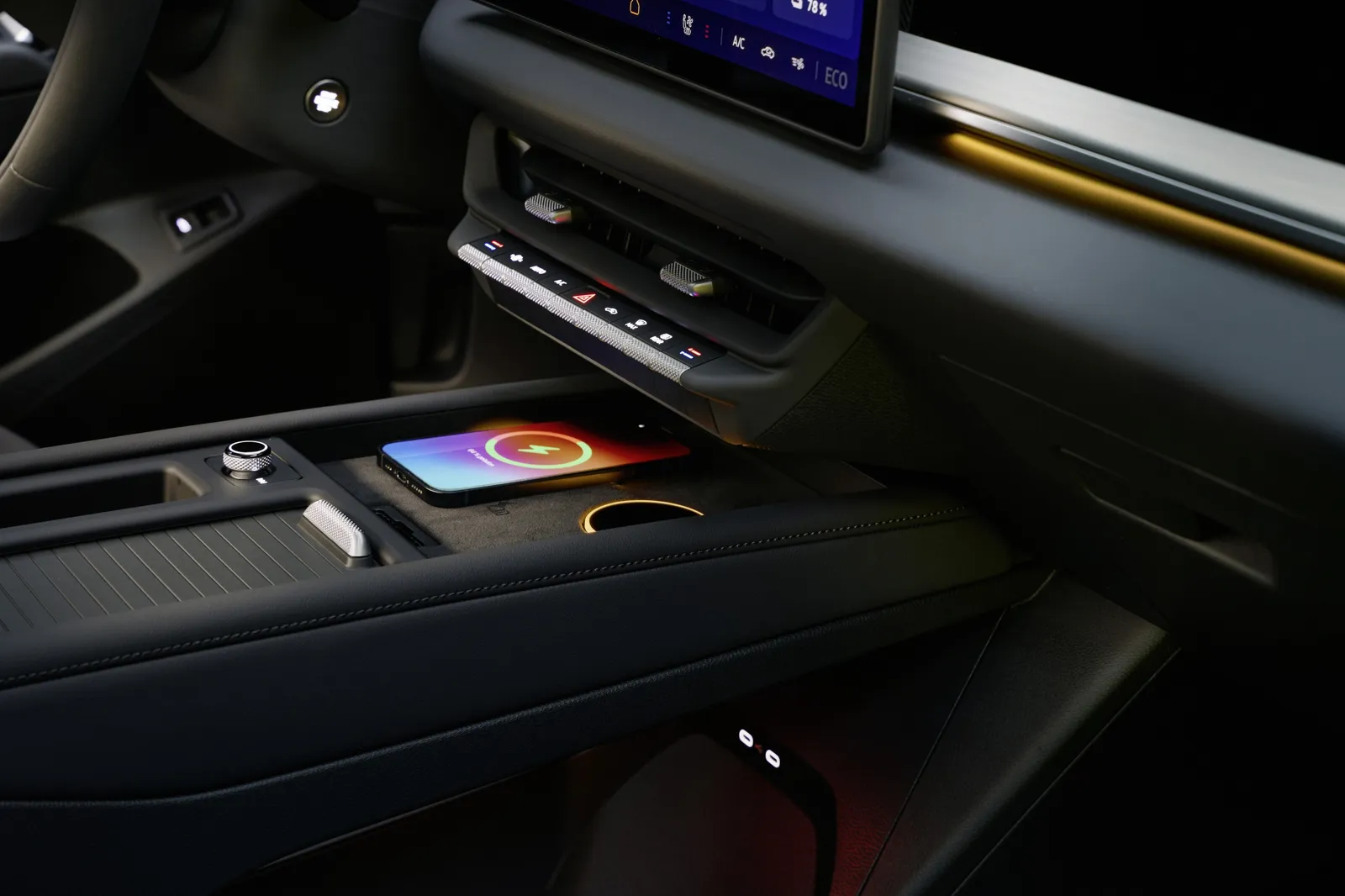
The VW ID. Tiguan’s central tunnel. Note the buttons and that the inductive chargers are separate units.
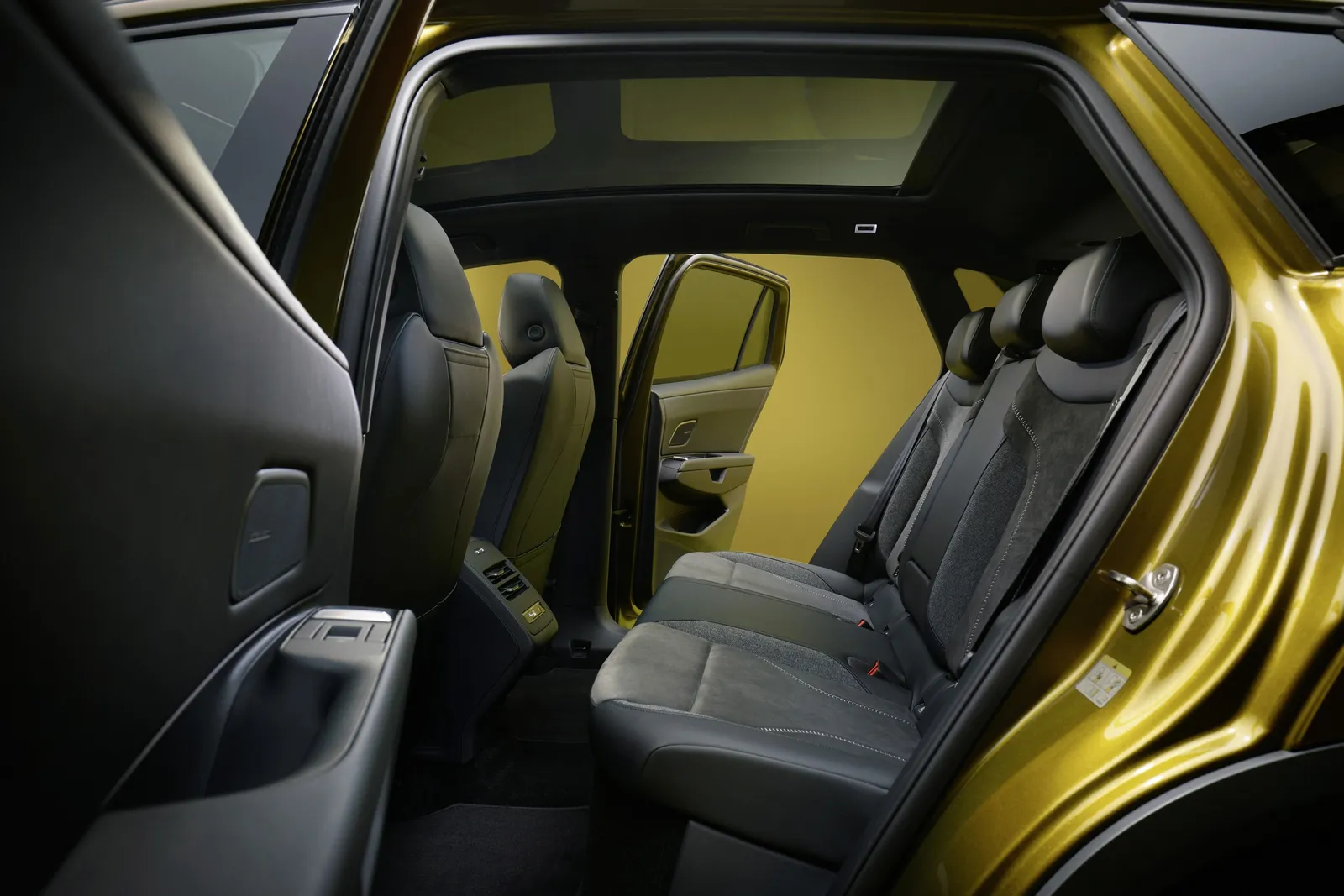
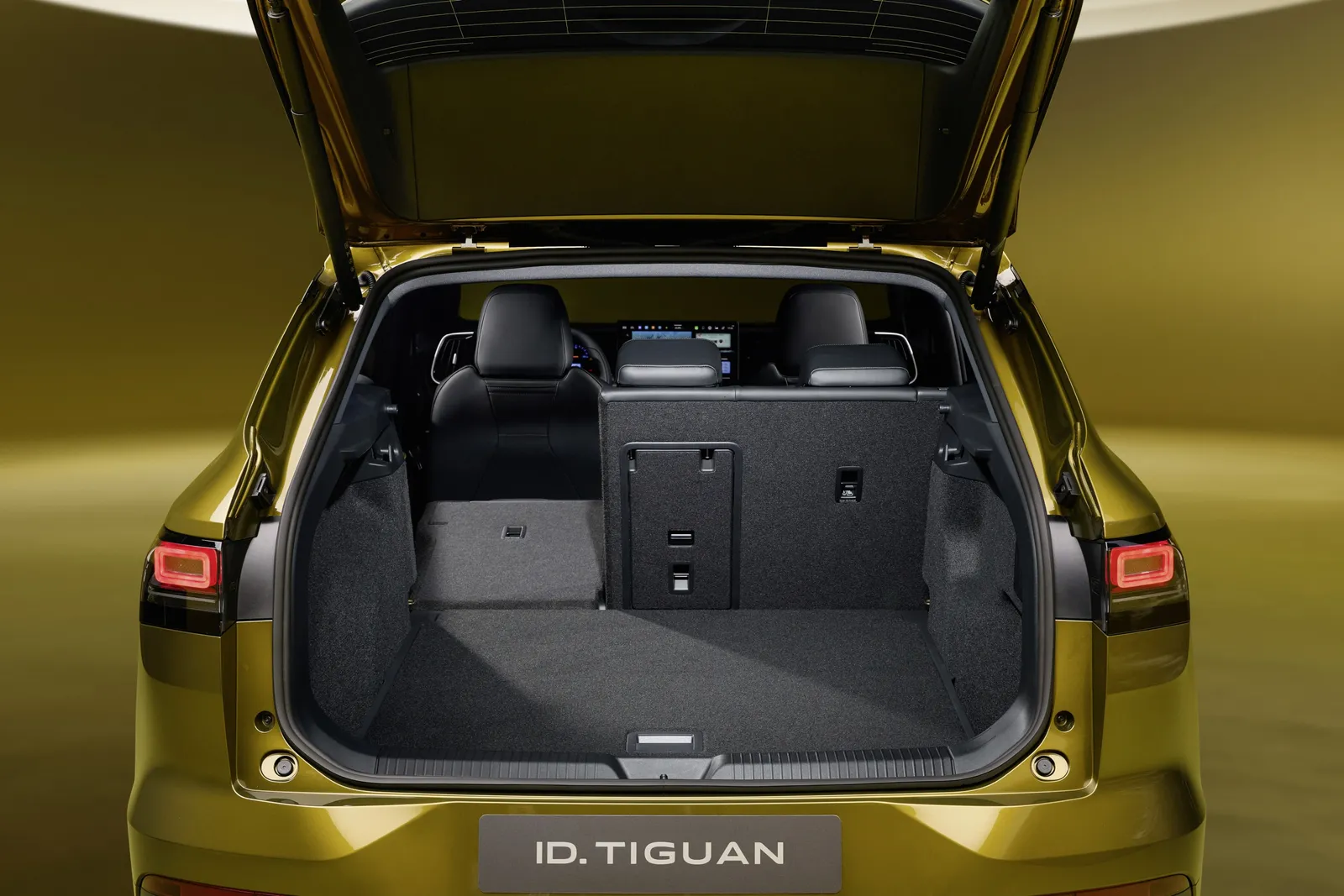
However, leveraging a popular gasoline-powered brand had a significant impact on the model’s aesthetics and perception. The Volkswagen ID. Tiguan appears less futuristic and more traditional, classic in style. The manufacturer made considerable efforts to ensure that the additional height from the battery in the chassis didn’t stand out. It carefully shaped the door panels so that it appeared as though the flat surface started about half a meter above the ground. The front part was handled in a similar manner. On the white-painted example without enhanced shading, these tricks don’t work as well:
The reference to the Tiguan must have influenced the interior as well: first, the engine version was changed to make it more familiar to electricians. The most striking example is the retro-style dials on the instrument panel. In both the VW ID. Polo and here in the ID. Tiguan, it plays a key role in making electric vehicles more akin to gasoline-powered ones. These old-new dials can appear modern or mimic those of the VW Golf I, Golf II Country, Golf IV, Tiguan I, Race Touareg, or VW Beetle:
The 12-inch diagonal gauges show, in addition to speed (on the left; the passenger display has exactly the same diagonal size), battery temperature (a small dial on the left), battery charge level (a small dial on the right), and power usage rate, including any energy recovery from regenerative braking (an “tachometer” on the right). Interestingly, a charge level of 25 percent or less is highlighted in red, whereas in internal combustion engine vehicles this threshold was slightly below 19 percent. But that’s good news for the LFP batteries used in cheaper versions of the ID. Tiguana, as they don’t always tolerate deep discharges.
The passenger display in the VW ID. Tiguana. It will likely be used as frequently as the electric seat adjustment function.
It’s worth noting that Rivian has just released an update it didn’t even promote heavily. This update makes it possible to enable a theme from the Ghostbusters movie, as Halloween is approaching here: Dziady (source):
VW ID. Tiguan, specifications
The standard versions of the VW ID. Tiguan will feature highly standardized powertrains. A battery of ~62 (58) kWh will work alongside an APP350 engine with 140 kW/190 hp, while a 82 (77) kWh battery will power a 210 kW/286 hp unit (APP550) or a four-wheel-drive version with 220 kW/299 hp. The maximum WLTP range for the Volkswagen ID. Tiguan is set at 600 WLTP units. The manufacturer doesn’t mention the use of an 84 (79) kWh battery pack, which is therefore reserved for a “Longest Range” edition after a facelift or the GTX version. Interestingly, the VW ID.3 Neo already comes with this battery pack.
VW ID. Tiguan with APP550 engine and larger battery
Volkswagen ID. Tiguan with all-wheel drive
The company highlights its ability to tow trailers weighing up to 1.8 tons (58 kWh) or 2 tons (77 kWh), along with a front trunk (“frunk”) offering 32 liters of space in addition to the standard 534 liters. The expected prices for the VW ID. Tiguan are set to be around those of the VW ID.5. Deliveries are scheduled for 2027, with pre-orders for the model “in Germany and many European countries” starting on October 13, 2026.
The front trunk (“frunk”) of the VW ID. Tiguan. It could actually be used in the VW ID.4 as well
Article rating
Reader ratings
[Total: 1 vote Average: 5]
Don’t miss new content — CLICK and FOLLOW Elektrowoz.pl on Google News. You might also be interested in the following ads: