
Volkswagen confirms a new ID. Buzz: more technology and a lower price
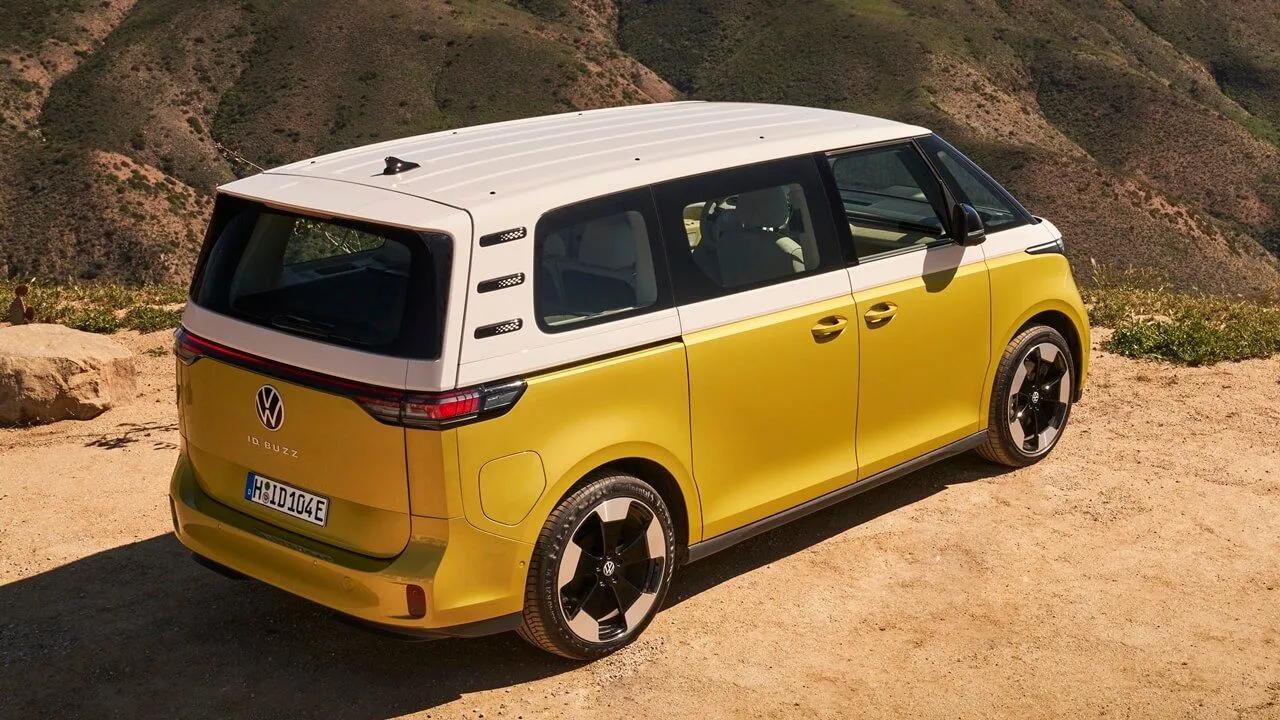
The sales figures for the ID. Buzz aren’t bad at all; given its positioning and price point, it’s achieving numbers similar to those of the theoretically best-selling ID.4. This year in Spain, it has already sold as many units as it did throughout 2025, when its sales doubled, resulting in a 36% growth rate this year. But Volkswagen wants to give it a boost and, more importantly, improve the ID. Buzz’s positioning as it competes against a new generation of advanced Chinese minivans.
The German brand is already working on its future, preparing a refresh that goes far beyond simple aesthetic tweaks. The confirmation comes directly from Thomas Schäfer, Volkswagen’s top executive, who revealed that the manufacturer is developing a second generation of the ID. Buzz. Before this successor arrives, the current model will receive some updates, but the real change will come with a new architecture and a revision of the business model that has limited its growth potential.
Schäfer himself acknowledges that price has been one of the main obstacles to greater success for this model. Although the ID. Buzz has managed to arouse interest among those seeking a different electric van, its high cost makes it difficult for it to reach a broader audience. Volkswagen’s goal will be to preserve its unique character while offering a more competitive proposition with technology prepared for the years ahead.
The new generation will use the SSP platform, an architecture that Volkswagen is developing for its future electric vehicles and designed to unify much of the group’s technologies. This should enable improvements in areas such as range, charging speed, and multimedia system performance, while also reducing development and manufacturing costs.
Volkswagen wants to keep the retro design but change the interior
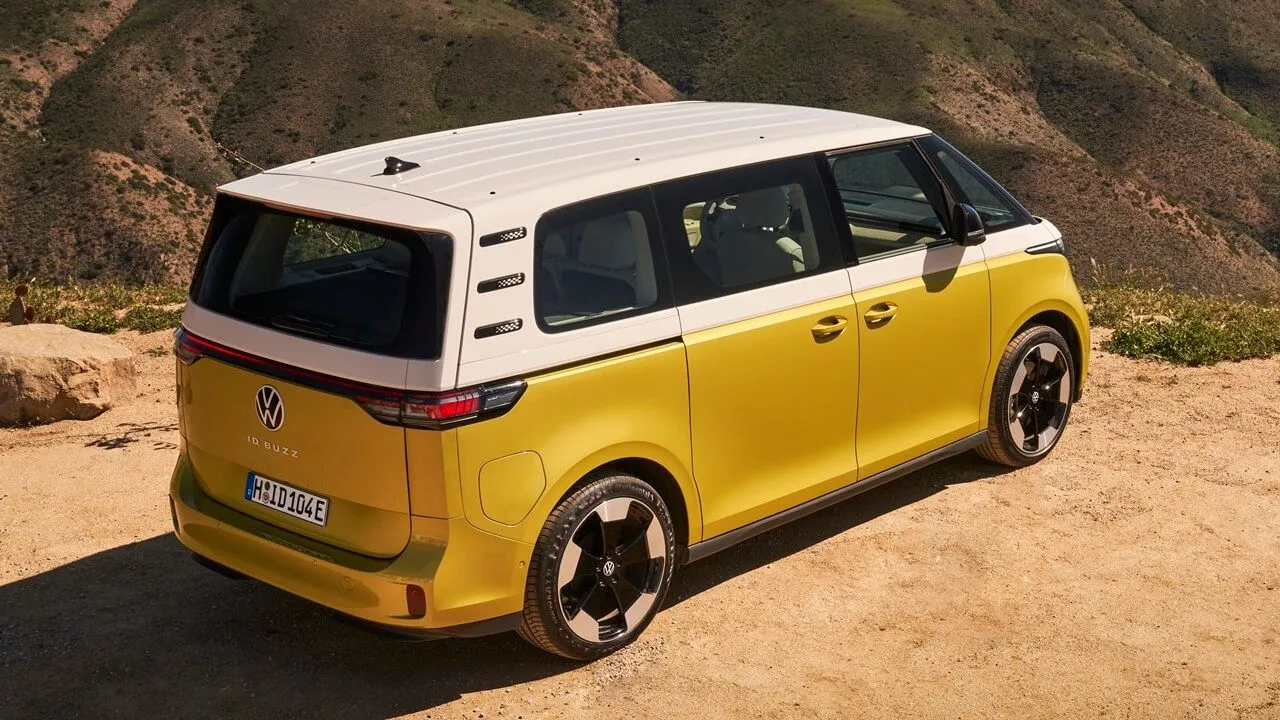
Mindt insists the future model will still retain its own distinct personality. In a market where many vans share similar designs, the ID. Buzz offers an opportunity to provide something different. The challenge will be finding a balance between its recognizable aesthetic and a refreshed look that keeps buyers interested in the years to come.
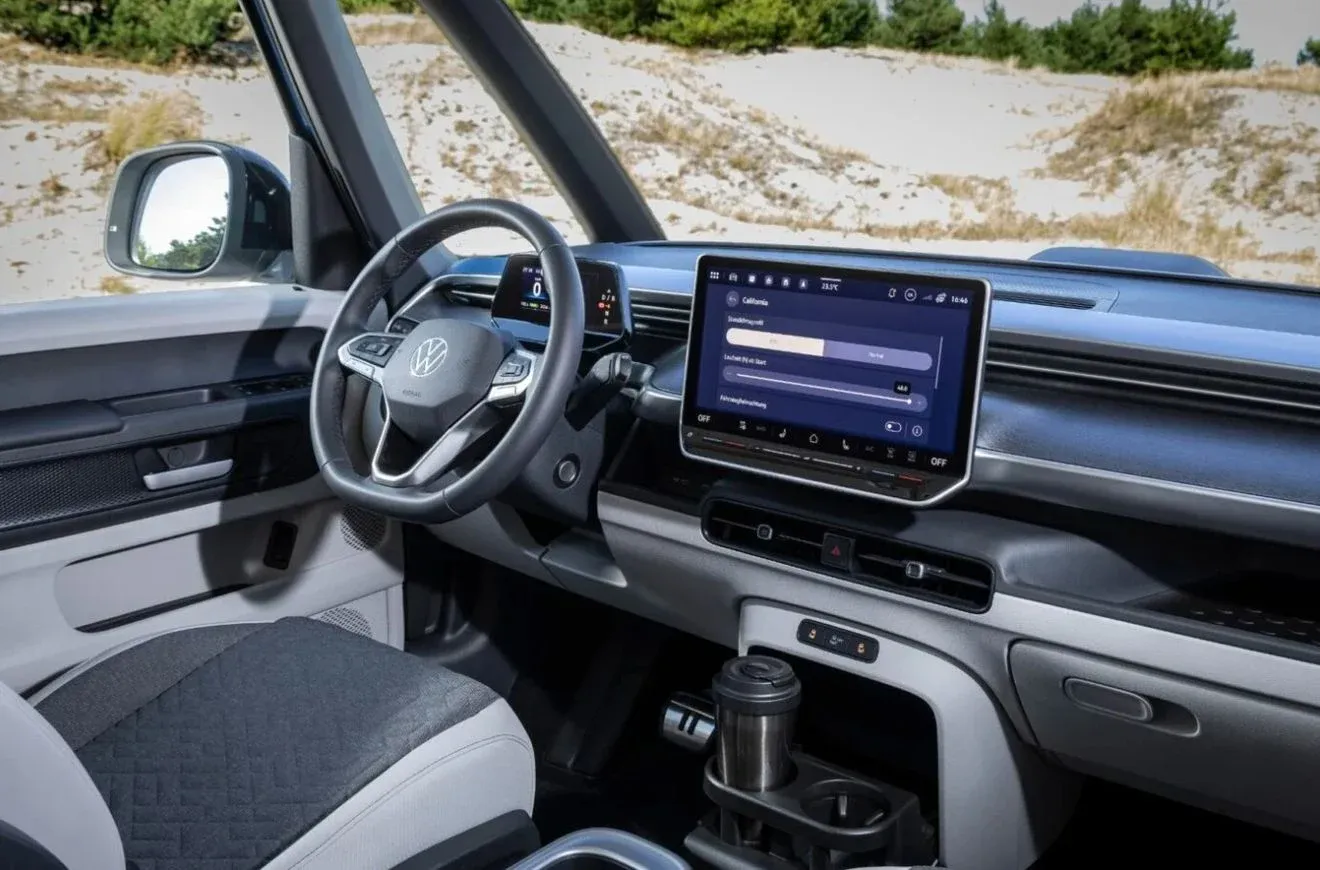
The changes should also extend to the interior. Volkswagen’s latest designs, such as those of the new ID. Polo and ID. Tiguan, aim to improve perceived quality and, above all, ease of use. The current ID. Buzz still relies on touch controls to adjust the temperature, a solution that hasn’t convinced all users. The next generation might reintroduce physical controls for the most common functions without sacrificing a modern design or current multimedia systems.
The SSP platform will be another key element in the renewal process. Unlike the current model’s MEB architecture, this new technical foundation is designed to serve a large number of vehicles from the Volkswagen Group. With an 800V architecture, it will enable the ID.Buzz to boost its current peak power of 185 kW, which currently takes half an hour to reach 80% charge. Thanks to this new system, the minivan will be able to enter the 300 or 400 kW range and charge in just 10 to 15 minutes. It is also expected to improve its range, which reaches 455 km under WLTP conditions in its most powerful version.
It is also possible that Volkswagen might opt for LFP batteries, a chemistry that typically results in lower manufacturing costs compared to other batteries used in electric cars. Schäfer mentioned this possibility when discussing ways to reduce the vehicle’s price, though he did not confirm what battery capacities will be available or what range each version will offer.
But undoubtedly, the main selling point of this model is its price. In its most affordable version, the Pro, with 210 kW (286 HP) and 79 kWh of battery capacity, its price before any discounts or promotions is 58,575 euros. This is certainly a figure that can be improved significantly.
The bad news is that the SSP platform might still be a while before it goes live. It’s an architecture that has stumped Volkswagen, with its launch not expected until 2028-2029 unless there are further delays. Another example of an area needing improvement on the part of European automakers, who struggle to keep up with China’s development speed, is that SSP development only began in 2021.