
Volkswagen goes on the attack with prices at 46,000 and 25,000 euros
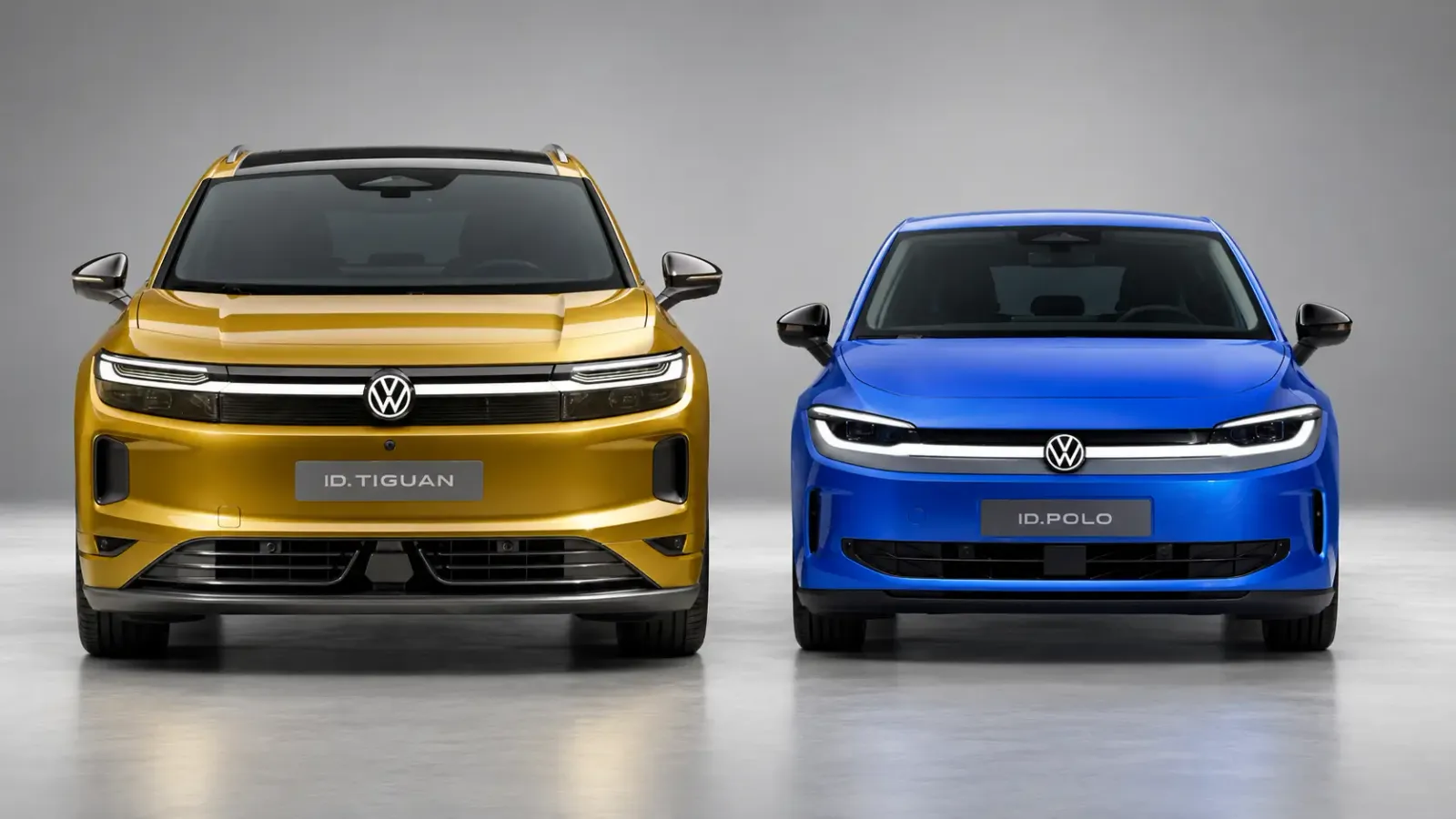
After a first generation of electric vehicles that fell short of expectations, Volkswagen is correcting its course, and there is one strategy that cannot fail.
Currently, Volkswagen is fighting on two fronts. The first is addressing the perception surrounding the brand. The German company still leads in sales of 100% electric cars in Europe, but the image that has emerged is that of a giant no one wants anymore. As we know, the reality is more complex.
As I have written before, a significant part of the problem lies in China, where declining Volkswagen sales and fierce price wars are dragging down performance. A tsunami that has spared nothing or no one, not even local brands. Of course, none of this exonerates Volkswagen from the problems it has accumulated internally—high costs, excess industrial capacity, and poor product decisions.
The second front is precisely in the products themselves. More specifically, it relates to Volkswagen’s electric vehicles’ ability to generate the same level of interest as its combustion engine models have done over the past few decades. It seems clear to me that the first wave of the ID. family left unfinished business.
For decades, Volkswagen has accustomed us to a very specific idea of a car: a sober design, noticeable quality, and a functionality that required no extensive explanation.
Then the first ID. models arrived, with less convincing interiors and an attempt to change things that were working perfectly fine. The controls are the easiest example to understand. No one needed to relearn how to open the windows or adjust the climate control just because they bought an electric car.
The Skoda, Volkswagen’s new Porsche (sorry, Porsche…), showed that there was another path. With access to the same technological foundation, the Enyaq managed to bring the familiarity of the brand’s other models to electric vehicles. The Elroq built on this approach, and both are among the best-selling electric cars in Europe. Let’s see how the latest Epiq performs. So, part of the answer was right next door.
Now, Volkswagen is correcting its course. The ID. Polo marked the beginning of this new phase, and the ID. Tiguan reinforces it: straighter lines, more familiar proportions, greater focus on the interior, and the return of buttons for daily functions. Just imagine, a button to increase volume. Some advancements take quite a detour before returning to where they started.
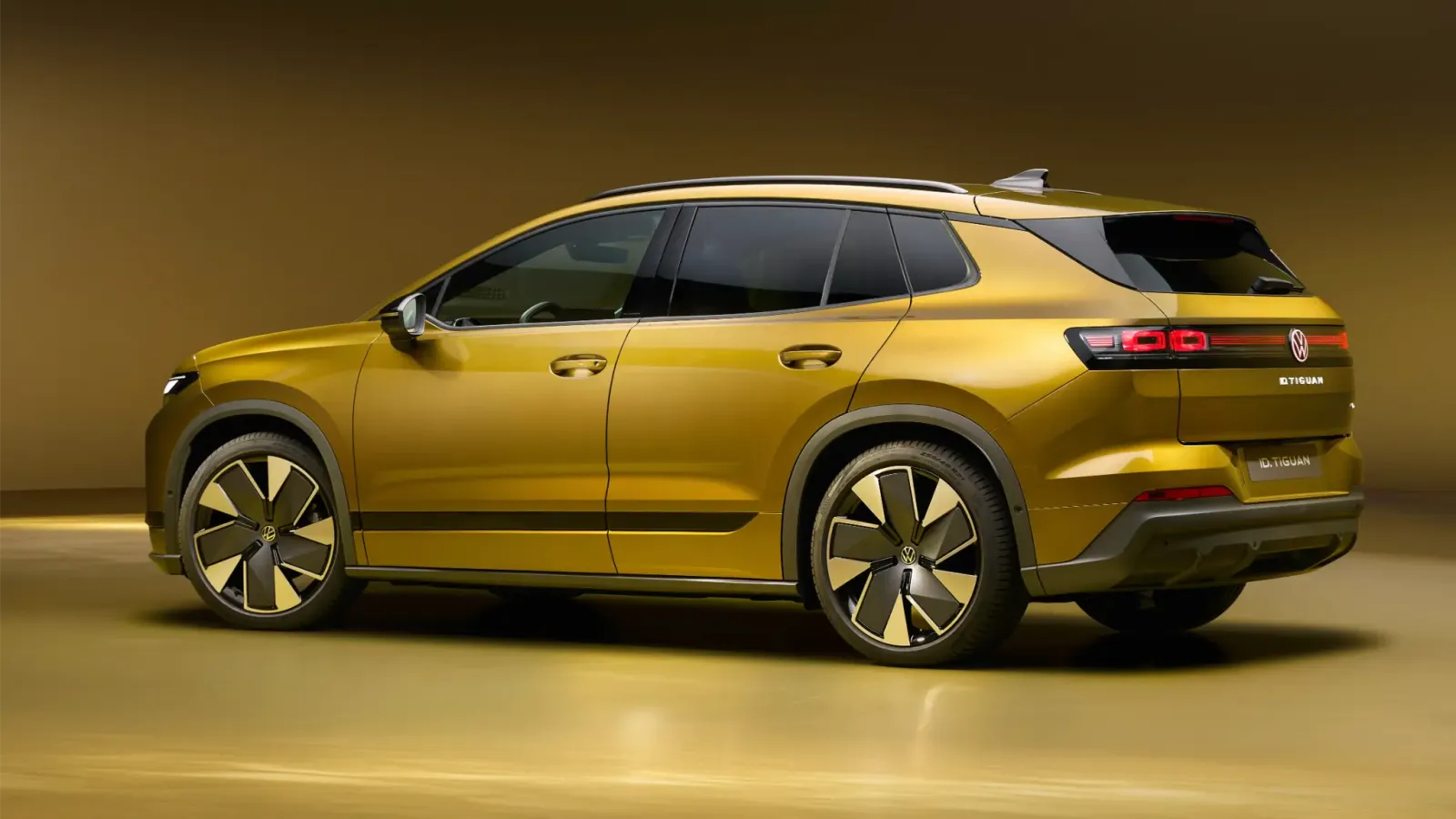
Even the names are part of this change. Polo and Tiguan already mean something to millions of people. With these two battles — perception and product — resolved, there’s one factor that can’t fail: price.
And this is where the two numbers that give title to this article come in: 46,000 and 25,000 euros. The first figure is particularly important for companies, the main customers of electric cars in Portugal. The second figure, 25,000 euros, brings the discussion to a price level that starts to be interesting for individual consumers.
The new ID. Tiguan is expected to start at around 46,000 euros in Portugal, though the final prices have not yet been finalized. We also don’t know what standard equipment it will come with for our market, but the discussion centers on where it should fit: competing within the same price range, including those from China.
Below that, the ID. Polo begins at 24,702 euros, although a quick look at the brand’s configurator makes it almost inevitable to choose a more expensive version — unless there are current promotions, which usually are.
Not everything is difficult. Volkswagen has advantages that many newly arrived brands are still working to establish: recognition. All of this matters when someone invests a significant portion of their savings in buying a car, especially if they plan to keep it for several years.
But there is a limit to the premium that can be charged for this trust. That’s why this alignment between what we expect from a Volkswagen and what the market demands today seems more important than another flashy subscription or an extra screen. Volkswagen has realized this, and the buttons are back.
The next two years will show how far this course correction will take us. In the meantime, another addition is on the way: the small electric vehicle previewed by the ID. EVERY1 prototype, commonly referred to as ID.1, with production set to begin at Volkswagen Autoeuropa starting in 2027. It will cost less than 20,000 euros in the base version. For Portugal, this offensive will not go unnoticed—it will affect jobs, investment, and GDP figures.