
Chinese hybrid cars: Europe takes a radical decision to protect its automakers
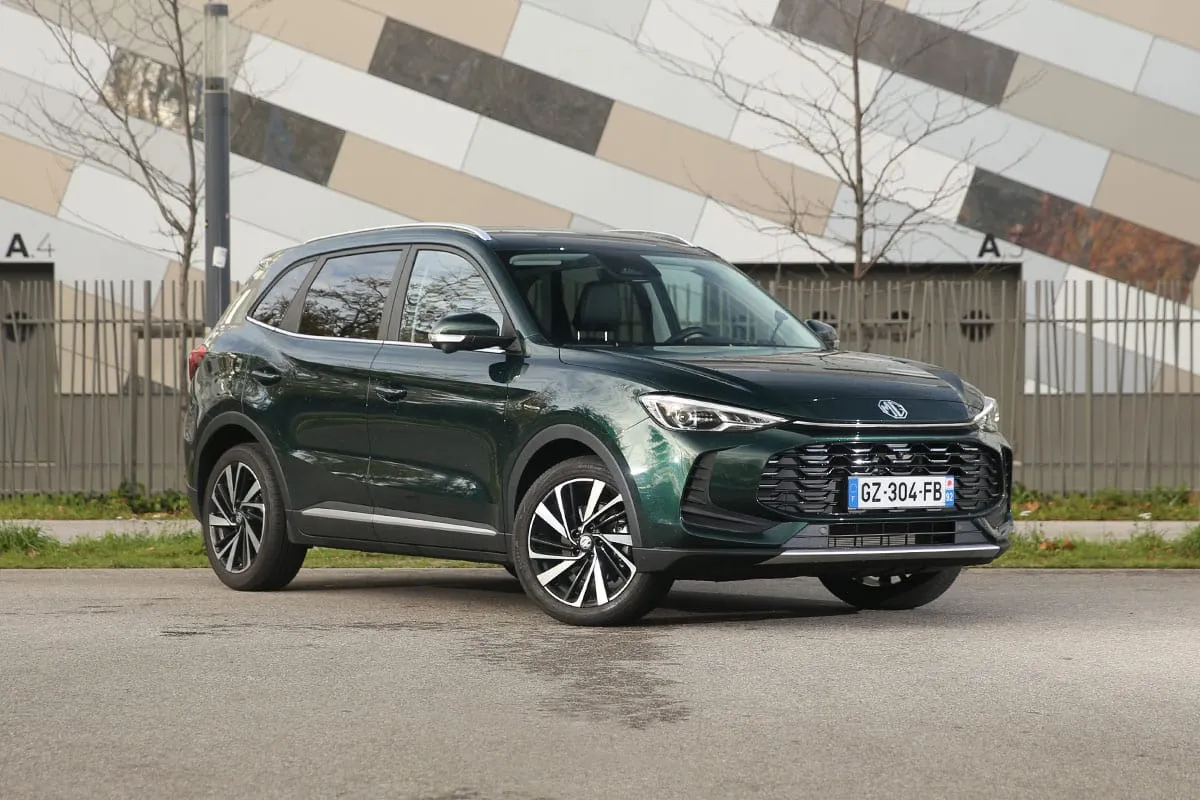
After imposing tariffs on electric cars manufactured in China, the European Union is now targeting hybrid models. Brussels and Beijing have reached an agreement to limit imports to 350,000 units per year, down from around 800,000 expected in 2026. This decision was welcomed by Emmanuel Macron during the Paris Motor Show.
The 2026 World Motor Show is not just about a series of new releases. Behind the scenes at this Parisian exhibition, the future of Europe’s automotive industry is also being shaped by political factors. As Chinese brands gain increasing presence in the halls of Porte de Versailles, Brussels has just announced an important measure to regulate their growth.
Chinese imports cut in half
The European Union and China have reached an agreement to limit imports of hybrid and plug-in hybrid cars manufactured in China. The cap has been set at 350,000 vehicles per year, with an allowed increase of 6% each year.
The measure is far from symbolic. According to European estimates, around 800,000 Chinese hybrid vehicles are expected to be imported by 2026. The new quota thus represents a reduction of more than half compared to this projected volume. Over four years, Brussels hopes to prevent the arrival of several million additional cars.
Also read
Taxes on “made in China” electric cars: a mixed picture for Europe
This decision complements the additional tariffs imposed in 2024 on 100% electric cars manufactured in China. Until now, hybrid models were exempt from these surcharges. Several manufacturers, notably BYD, SAIC, and Chery, took advantage of this to accelerate their exports to Europe.
Macron wants to protect the European industry
Present at the World Motor Show on October 12, Emmanuel Macron praised this agreement. The French president believes it will enable better protection for European automakers against what he openly describes as “unfair” business practices.
But Paris aims to go further. Emmanuel Macron announced that an agreement with Germany is imminent. Discussions focus on relaxing certain rules and determining the role of European components in vehicles sold on the continent. However, no final compromise has yet been proposed.
The French goal is particularly to promote European production of electric cars and batteries. This is a sensitive issue for manufacturers, who face high manufacturing costs and competition from often more affordable Chinese models.
Chinese automakers already have a solution
This should reassure the European industry, but we must remain realistic. This measure will not stop Chinese brands from expanding in Europe. Several of them are already preparing (or have completed) setting up manufacturing facilities on the Old Continent.
Stella Li, executive vice president of BYD, confirmed that France is among the countries being considered for a new factory by the automaker in Europe. It is hard to imagine Emmanuel Macron or France’s next president refusing this. It is clear that for Chinese brands, producing directly in Europe will gradually become a way to reduce their exposure to import restrictions. And BYD is not the only company adopting this strategy.
For European manufacturers, Chinese competition will not disappear. It may simply change form in the medium (or even short) term.