
Electric cars: Renault partners with EDF to reduce French people’s electricity bills through V2G
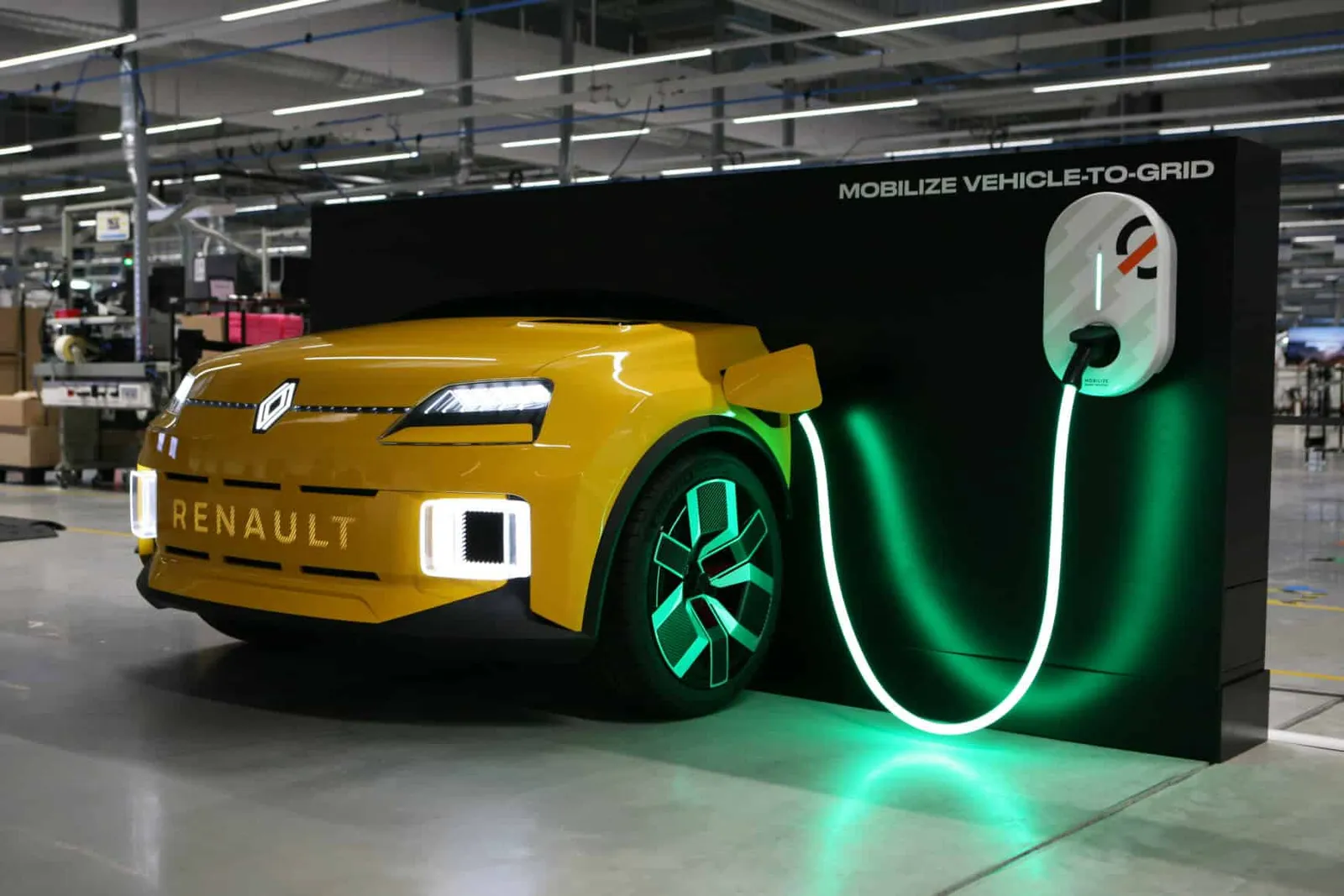
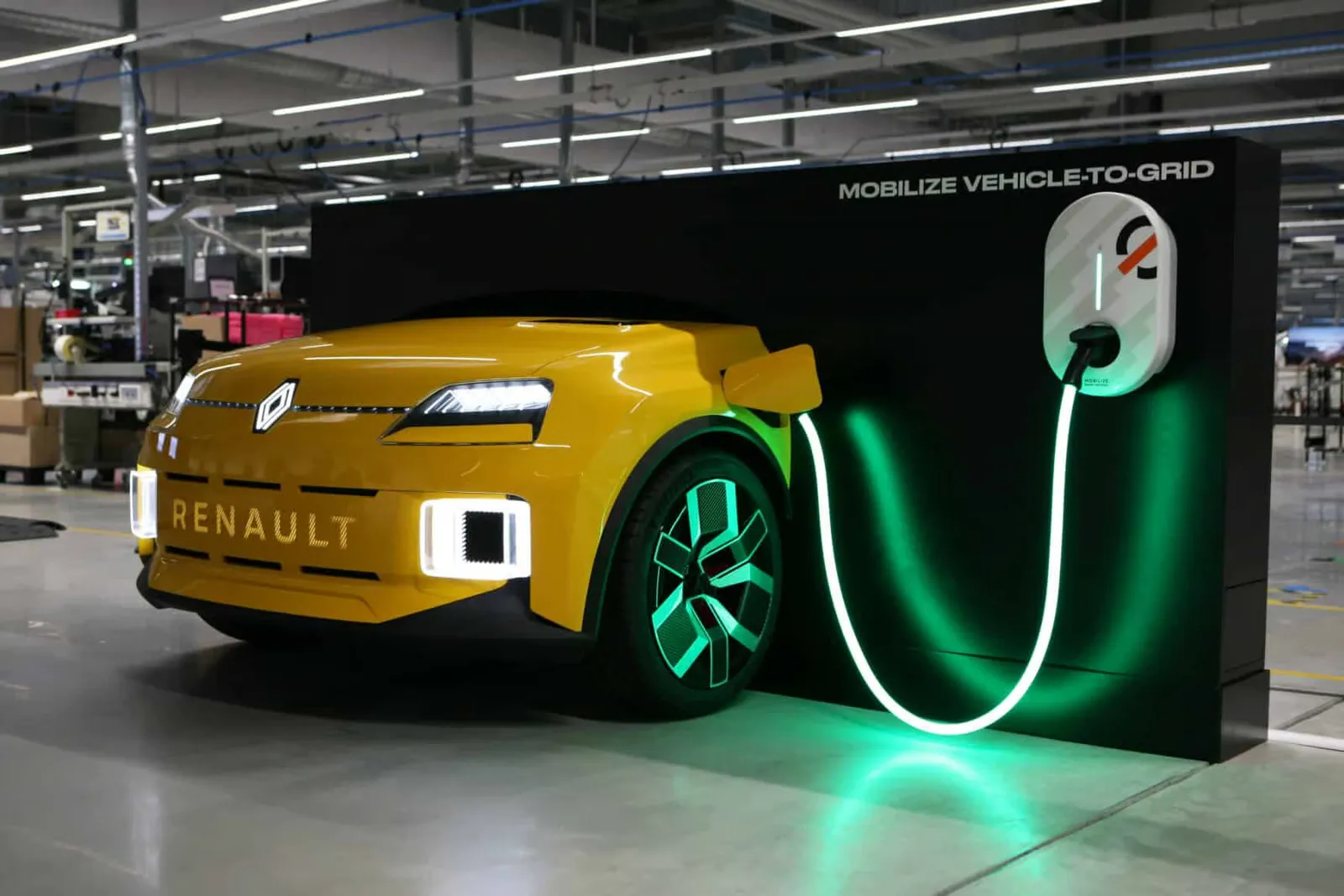
Renault and EDF have just announced a partnership to reduce the cost of using electric cars in France. Thanks to two-way charging, the two companies promise savings that could amount to up to 10,000 kilometers of driving per year. The first offers are expected by summer 2027.
What if the battery in your electric car could help you save on your electricity bill even when you’re not driving? That’s the whole point of the agreement announced on October 8, 2026, between Renault and EDF. These two French companies aim to make home charging more accessible and, above all, to help drivers make better use of the electricity stored in their vehicles.
Up to 10,000 km of charging saved per year
Renault and EDF cite savings that could cover the charging cost needed to travel up to 10,000 km each year. This figure is certainly significant. To achieve this, the two companies are relying on V2G (Vehicle-to-Grid). If you’re not familiar with this technology, the principle is simple: the car charges when electricity is available at a lower cost, then returns some of the energy stored in its battery to the grid when it’s needed.
Also read
This electric vehicle technology could prevent massive electricity waste in Europe
The owner can thus reduce their charging bill in exchange for this flexibility. But be aware that 10,000 km is an estimated maximum, not a guaranteed savings. The actual result will depend on factors such as the vehicle, its fuel consumption, battery size, and the amount of time it stays plugged in at home.
A complete offering available by 2027
The partnership is not limited to V2G. Renault and EDF aim to offer a complete solution directly at the automobile group’s service centers. This will include installing a home charging station provided by IZI by EDF, along with an intelligent charging management service. The goal behind this new program is to simplify things for consumers. Instead of having to find a installer, a compatible charging station, and an energy service provider separately, drivers will be able to take advantage of a package that combines all these services.
In the long term, the solutions developed must also enable the use of battery energy to power certain household devices. Renault mentions the three brands in its group: Renault, Alpine, and Dacia. Commercial launch is scheduled for summer 2027, targeting homeowners with single-family homes.
The cost of installation, the terms for compensating the electricity fed back into the grid, and the compatible vehicles are still unknown. These are all essential factors to determine whether the promised savings will actually be significant.