
VINCI is replacing a heavy truck with this amazing electric utility vehicle capable of pulling 3.5 tons
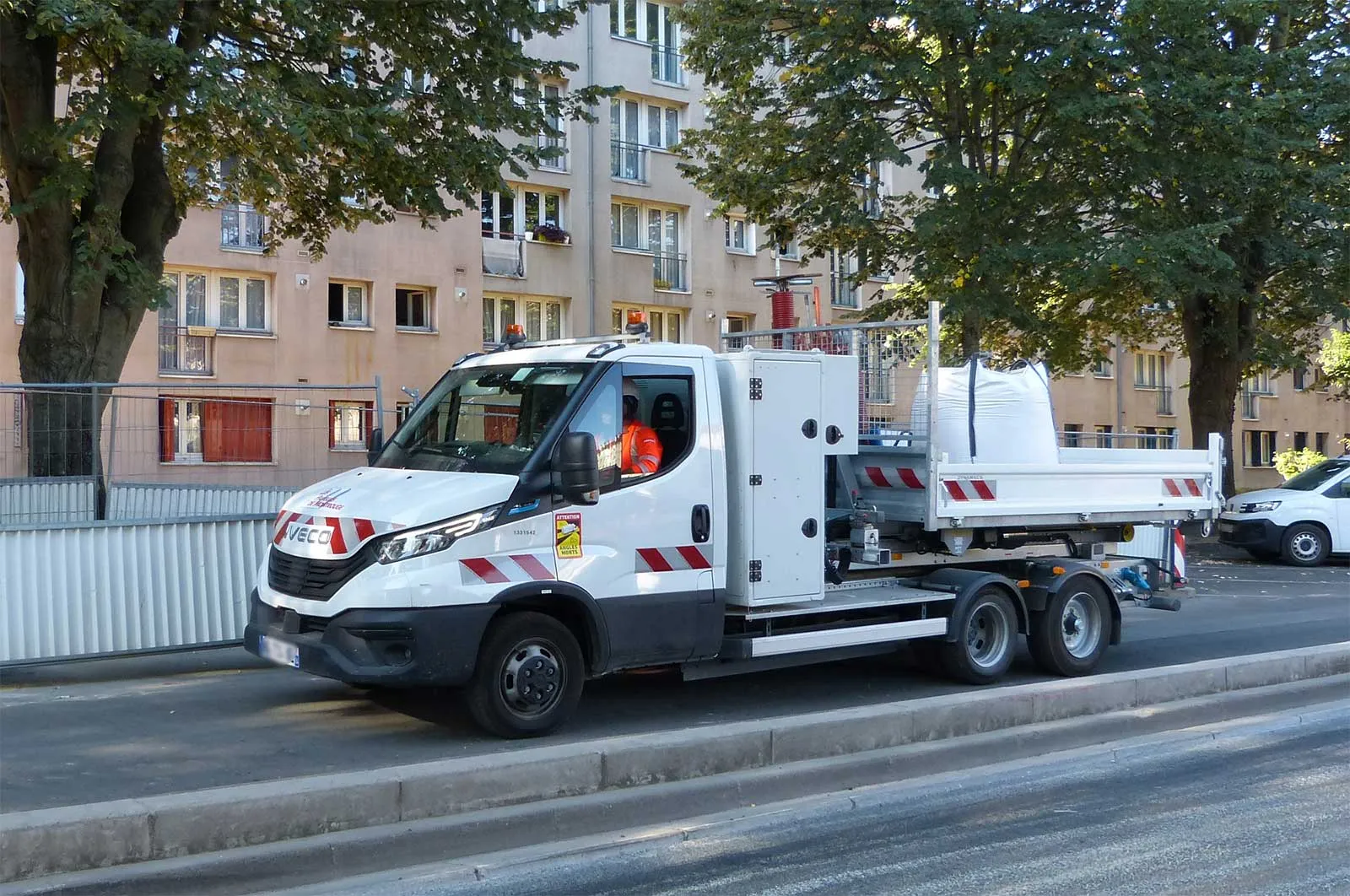
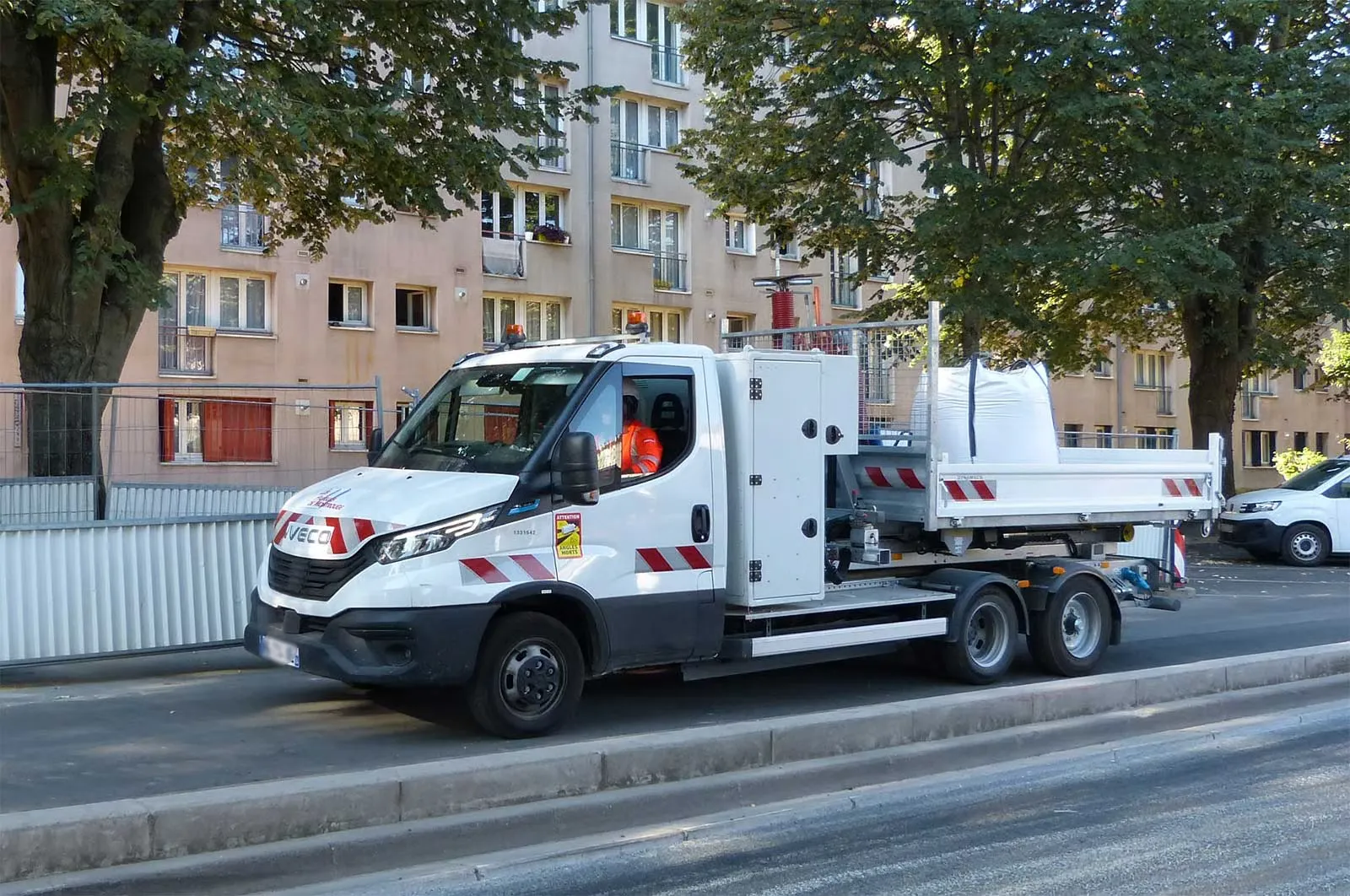
Electrifying a light commercial vehicle has become common. Replacing a heavy truck with an electric van is another matter. Yet this is exactly the approach VINCI Construction has adopted, recently adding an Iveco eDaily pulled by a Maxicargo trailer to its fleet — a first for the construction company.
A clever design
The principle behind the Maxicargo is clever. Made in Brittany, this ultra-compact trailer attaches like a semi-trailer by covering the back of the vehicle. The hook is positioned right behind the cab, making it appear as though the trailer is part of the utility vehicle itself. Overall, the entire setup is only 50 cm longer than a regular utility vehicle. Another feature is that the main body of the trailer isn’t fixed to the vehicle’s chassis but rather to the chassis of the trailer itself. According to Iveco, this configuration makes the coupling particularly stable on the road.
Also read
IAA 2026: Meet Delivan, Chery’s utility vehicle brand entering Europe
It all comes down to a feature unique to the eDaily. Built on a real truck chassis, this electric “twin” of the diesel Daily can pull 3.5 tons, a capacity the brand claims is unmatched in the market. Adding its 3.5-ton PTAC to this towing capacity results in an overall PTRA of 7 tons.
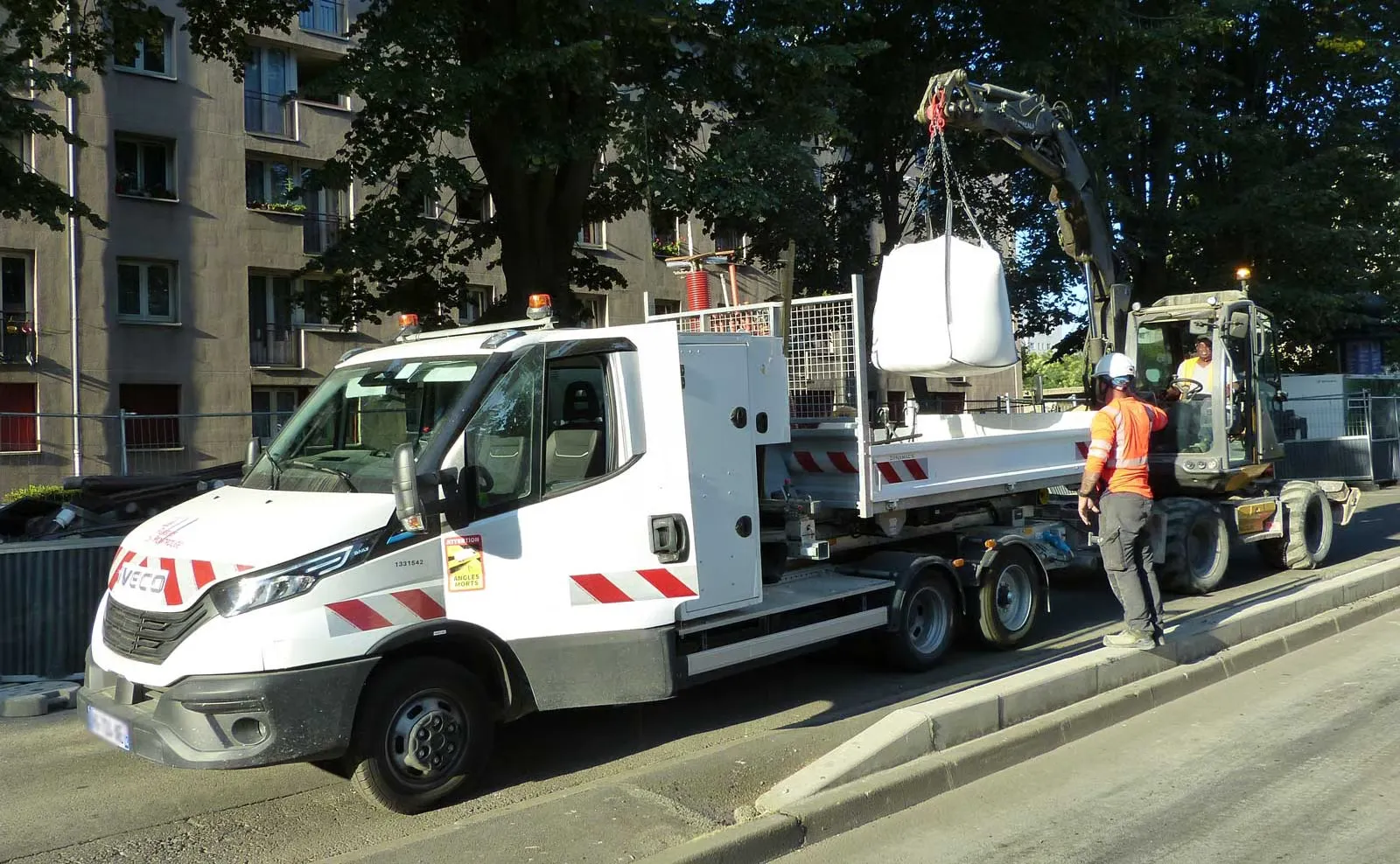
The result is a payload of 2,000 kg once the trailer is equipped with its hydraulic arm and steel bucket. This is a significant advantage, as batteries typically reduce the payload capacity of electric vans. It still falls within the light vehicle category, requiring only a BE trailer license rather than a heavy vehicle license.
Technically, this Iveco eDaily Maxicargo is equipped with two batteries providing a total capacity of 74 kWh.
On the construction sites of Paris
At VINCI, this vehicle has joined the teams at Paveurs de Montrouge, which are responsible for maintaining equipment for Paris City Hall’s Department of Youth and Sports. It makes daily trips averaging about twenty kilometers to transport teams, equipment, and materials.
The hydraulic arm of the trailer allows for loading and unloading buckets directly at construction sites, while a large compartment at the back of the cab holds tools.