
A scary electric Jaguar, a removable battery, the Espace returning in electric form, and the used electric car festival… Welcome to Regen No. 85
Too busy? Regen summarizes the key developments in electric vehicles for you every Sunday in just a few lines.
New Electric Cars and Announcements
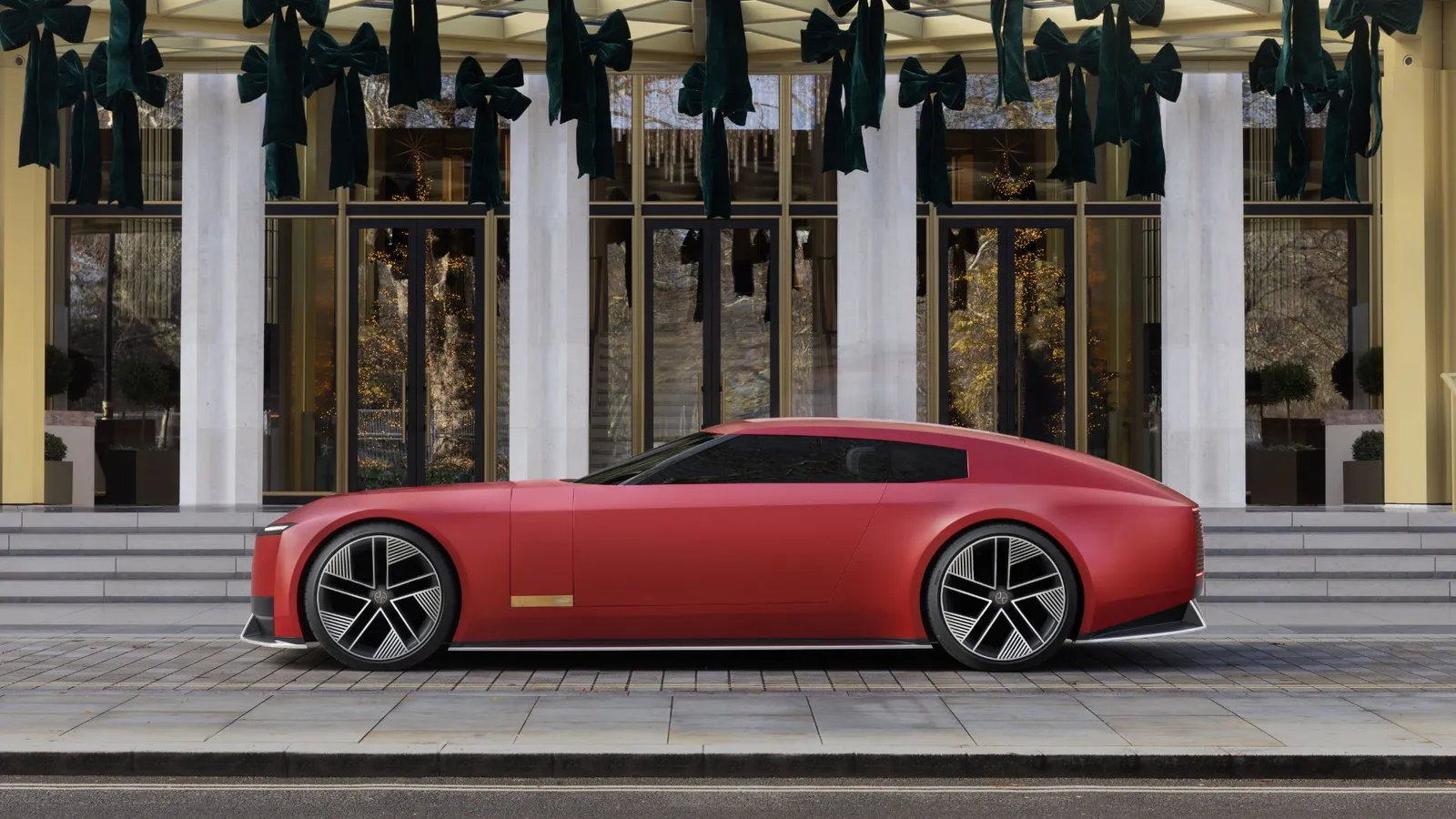
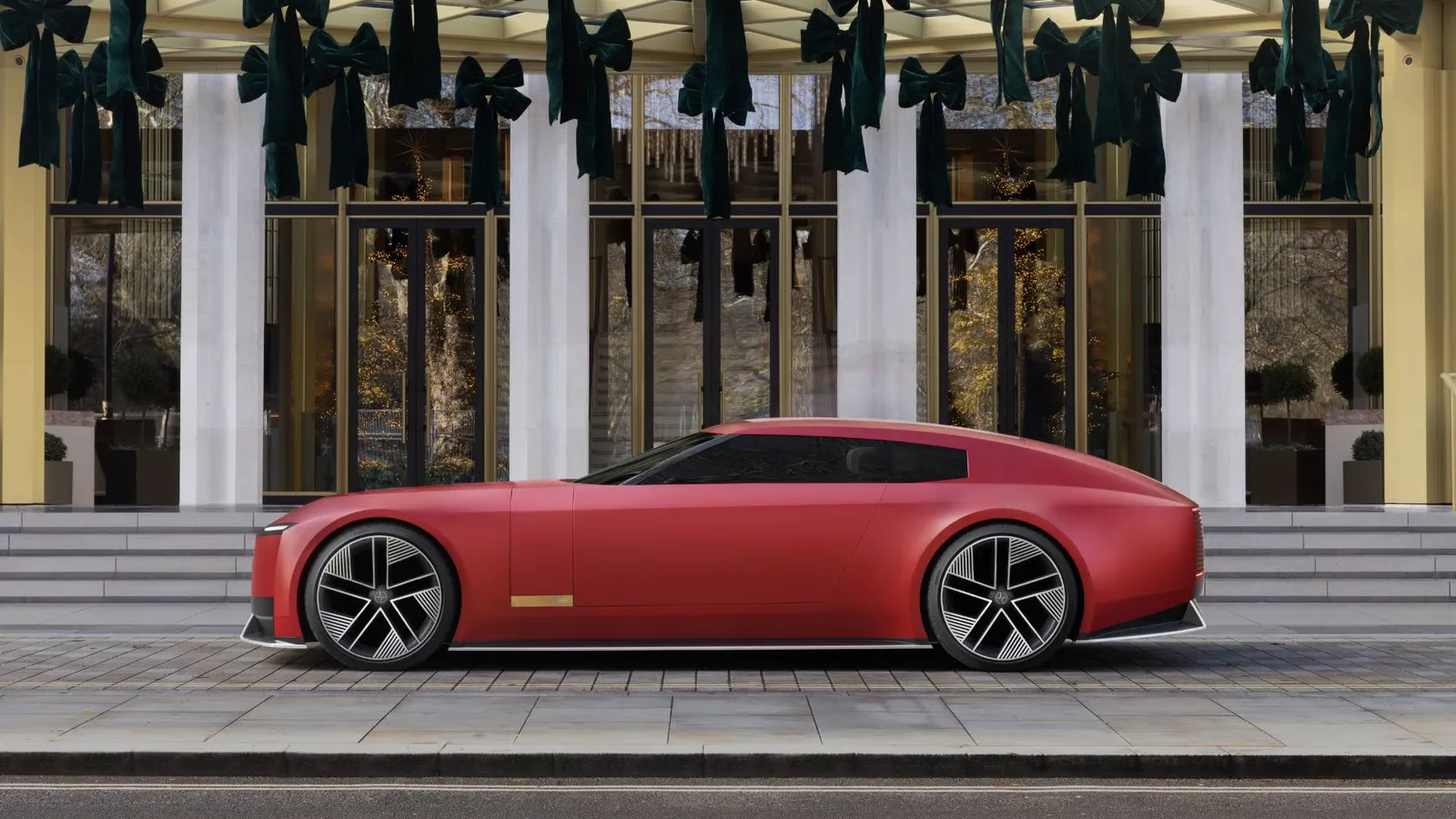
Jaguar has finally unveiled the Type 01, with its incredibly bold design. I’ve never really understood the criticism of this otherworldly vehicle; I personally find it magnificent.
BMW, on the other hand, continues to roll out its Neue Klasse series methodically. After the iX3 and i3, here comes the iX4, a coupe version that achieves up to 828 km of range with a 108.7 kWh battery and 400 kW charging capacity. Munich isn’t stopping there, revealing more details about the future electric M3 with its… 4 engines.
Volkswagen has finally revealed the price of its first electric GTI, the ID.Polo GTI: 41,450 euros. What’s my opinion? It’s cute and nostalgic, but way too expensive.
Renault continues to bring new designs using old concepts. After the R5, R4, and Twingo, the brand will unveil the E-Space Concept at the Paris Motor Show—a large neo-retro minivan inspired by the original Espace from 1984.
At the other end of the range, the electric Twingo now comes with a panoramic glass roof.
With its sibling Alpine, there’s mystery surrounding the PS1 concept car, which could signal the return of the A310. For us, that would be a big yes.
Meanwhile, Chinese brands continue to fill the showrooms. Geely adds the Monjaro EM-i, a large plug-in hybrid SUV, while the Omoda 5 hybrid arrives at 30,990 €. Its biggest rival will be parked right next to it in the same dealership: the Jaecoo 7, with the same engine and Chery affiliation, but for 1,000 € less.
Finally, for those who prefer traditional internal combustion engines with electric assistance, the very attractive Honda Prelude comes in a (very) limited edition.
Industry, Economy, and Regulations
In Germany as well, electric vehicles are taking off: more than one in three new cars is now 100% electric, a record high, with a nearly 95% increase in just one year. The return of government subsidies is working. One small downside, however, is that Germans are not the ones reaping the most benefits from them...
Nevertheless, Mercedes is delighted, with a quarterly record for electric vehicle sales and four models already sold out in Europe through the end of 2026. In fact, Mercedes sells fewer cars overall but more electric ones.
Porsche is taking the opposite approach. But it would be an oversimplification to claim the brand is abandoning electric vehicles, as out of the 8 models in its lineup by 2027, 5 will be 100% electric and only 3 will be internal combustion engine vehicles.
A sign of the times, the used car market continues to thrive, especially among professionals.
French people are patriotic but not too much, according to the Cetelem Observatory.
Elon Musk is said to be pressuring Europe to adopt FSD. Since Europe regularly pressures Elon on many other issues as well, it’s a draw—tough but competitive.
Updates on Batteries and Charging
Renault is partnering with EDF to offer a turnkey V2G solution, potentially saving up to 10,000 kilometers of charging per year.
Fastned has opened a 400 kW charging station in Yutz, Moselle, complete with a kiosk offering restrooms, drinks, and food. So while charging, you can watch Netflix and enjoy a sandwich and drink.
On the shared ownership front, progress remains slow. According to a Ifop study for Logivolt, access to charging stations remains a major obstacle for apartment dwellers, but it’s not the only one.
Otherwise, the award for the weirdest idea of the week goes to Stellantis with its removable battery.
Pro Corner
In terms of innovation, it often happens among startups. A new example is the Strasbourg-based startup Ewera, which has launched a web application that uses vehicle data to measure the actual energy collected by company vehicles.
In corporate fleets, electric vehicles saw a 57% increase in September and now account for 33.76% of all registered vehicles.
For large fleets, Powerdot and Octopus Fleet are offering reduced charging rates of 25% to 40%.
In the heavy truck sector, there are two developments this week. VINCI, through Voltix, opened France’s most powerful charging station for electric trucks in Vierzon, featuring four CCS and MCS stations, each with 1.5 MW capacity, aimed at allowing trucks to be charged during the required 45-minute break. In eastern Lyon, in Genas, Zunder launched its first MCS station with a capacity of 500 kW.
In Switzerland, electric trucks will lose their exemption from heavy vehicle fees starting in 2031.
The 9-seater electric Hyundai Staria is now available for order at 67,400 €.
This Week’s Figure
10,100. This is the possible amount in euros for subsidies to purchase a Kia EV2.
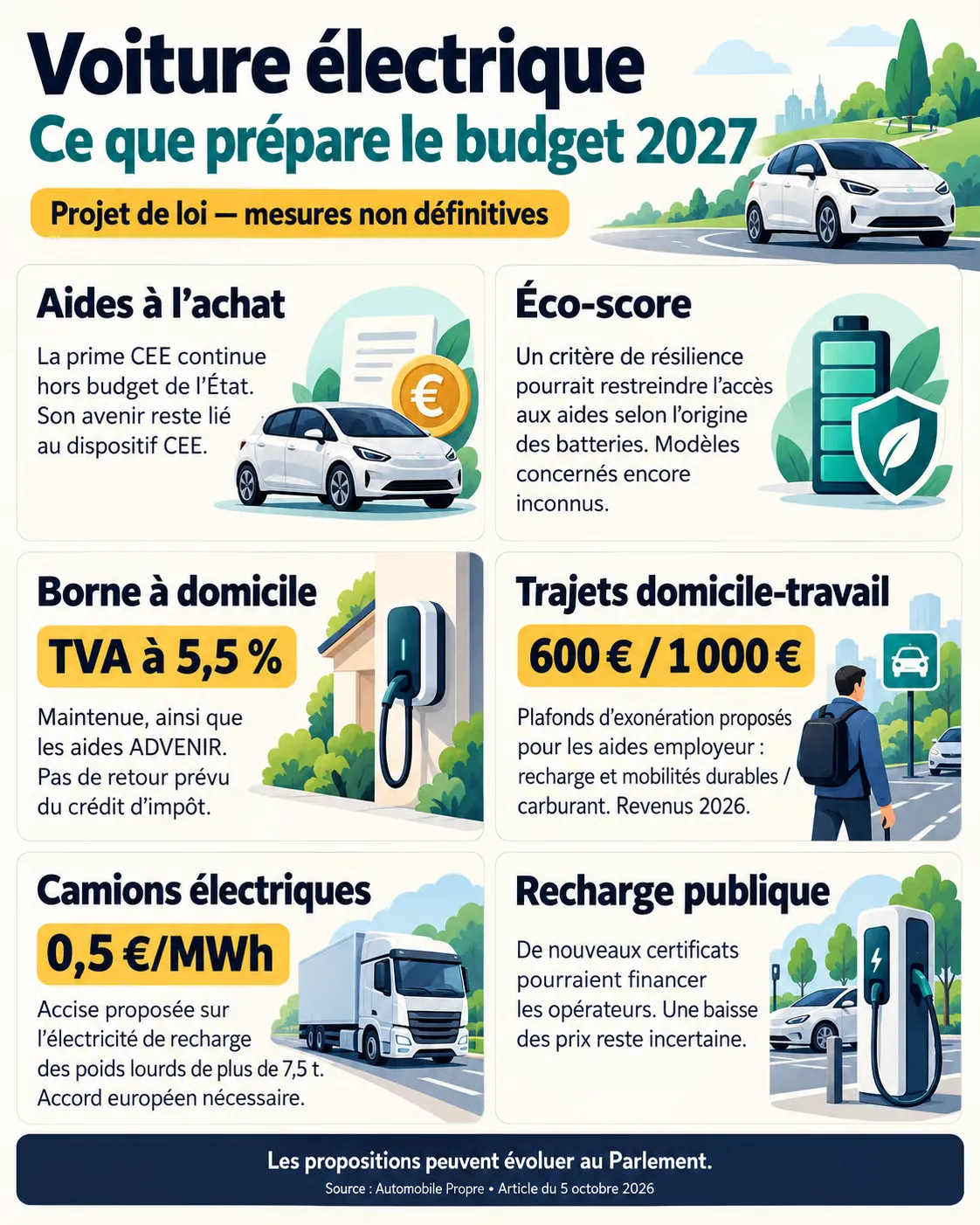
This Week’s Infographic
That’s all from me for today. See you next Sunday for another issue of Regen!