
Same charger, different prices: court questions ‘controversial’ practice that could change European charging standards
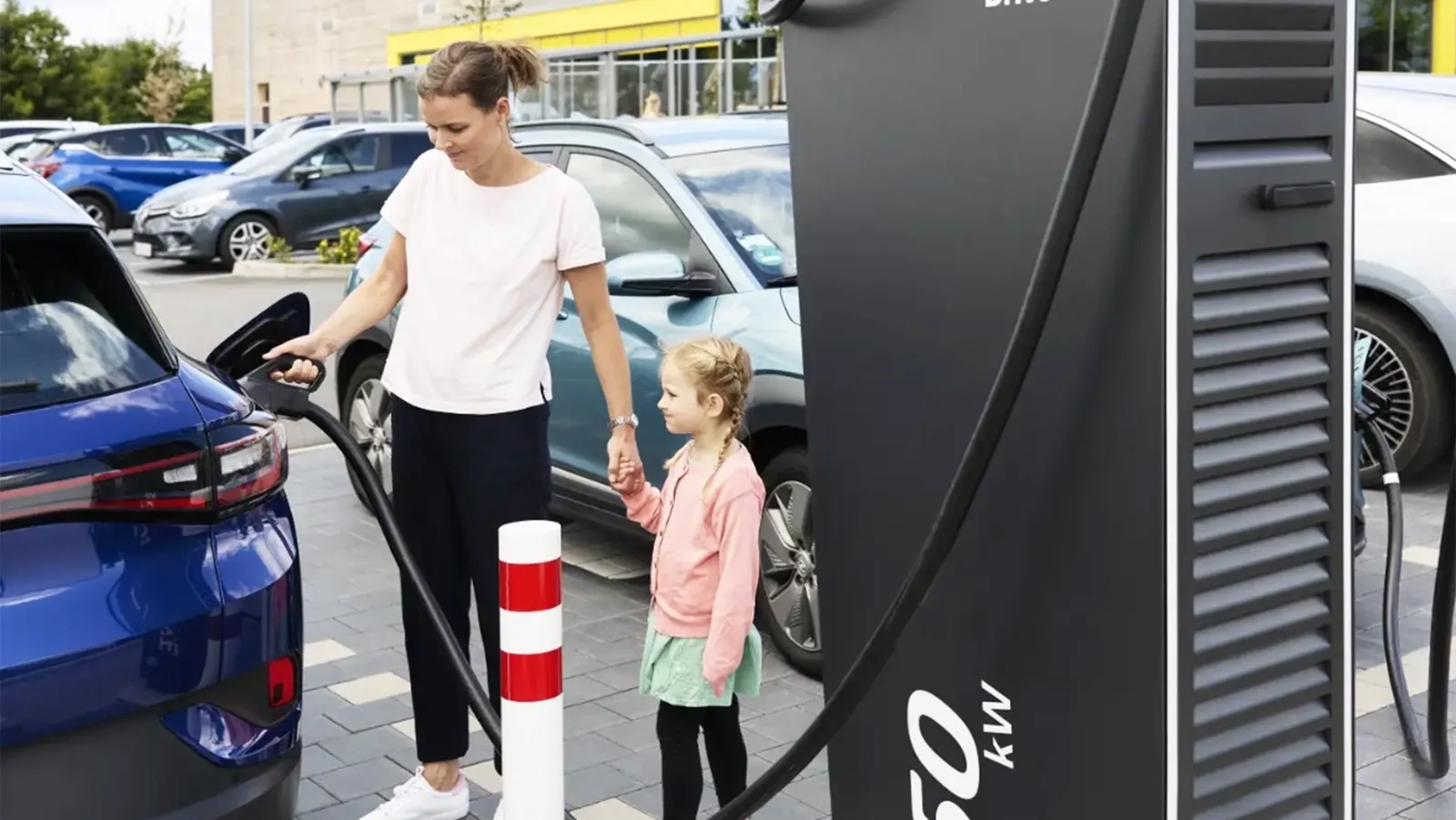
A German court has just tackled one of the most confusing issues in public charging: why the same charger can offer vastly different prices depending on the app or card used. The Munich I Regional Court ruled that it violated European anti-discrimination rules for EWE Go to charge Digital Charging Solutions 0.837 euros/kWh to use its network, while its own customers paid only 0.52 euros/kWh. The ruling, issued on October 6, is not yet final but could have implications for charging roaming across Europe.
For a Spanish driver, this issue is particularly interesting because it helps explain a common scenario: arriving at a charger only to find that the price per kWh changes depending on how it is activated.
There are two different businesses involved here. On one side is the owner or operator of the charger, known as a CPO. On the other side are mobility providers like Digital Charging Solutions, which allow users to access networks from various operators using a single card or app.
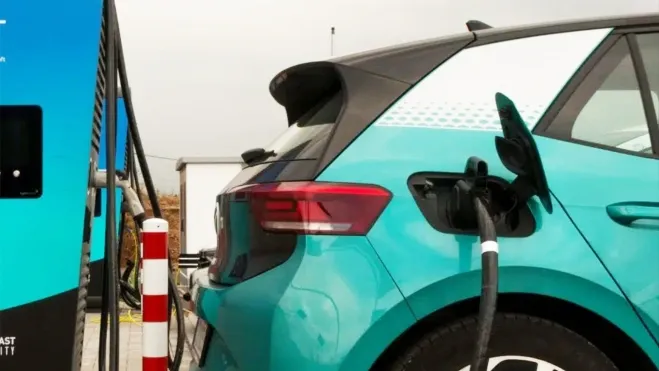
The same electricity had three different prices
The dispute pits EWE Go against Digital Charging Solutions (DCS), a company that provides charging services also used by manufacturers such as BMW and Mercedes-Benz.
In the case analyzed, there were three particularly striking figures. EWE Go demanded a wholesale price of 0.837 euros/kWh from the roaming provider. A driver who used the same charger and paid directly without a contract had to pay 0.79 euros/kWh, while an EWE Go registered customer could charge at 0.52 euros/kWh.
The difference between this latter rate and the one charged by DCS was 0.317 euros/kWh, which is about 60%. The court ruled that EWE Go did not sufficiently justify this difference and ordered that the provider be allowed to use the 0.52 euros/kWh rate.
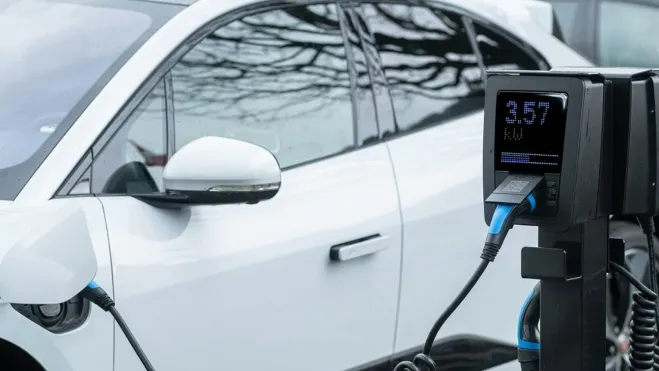
Europe already requires non-discriminatory prices
The key lies in the European regulation AFIR.
Article 5 states that public charging point operators cannot discriminate in their pricing between end-users and mobility service providers, nor between different providers. Differences are still possible, but they must be proportional and objectively justified.
EWE Go cited factors such as higher administrative costs, customer service needs, business risks, or advantages of directly retaining its users. According to the information available on the ruling, the court did not consider these reasons sufficient to justify the observed price difference.
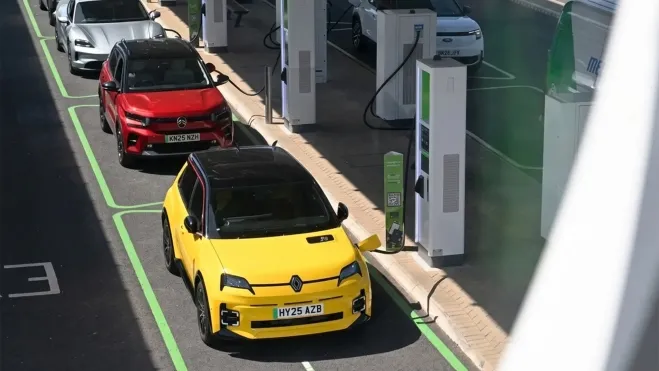
This does not mean all apps must charge the same
Here lies an important nuance. The ruling affects the price that the charger operator charges the roaming provider, but it does not necessarily require all apps to sell electricity to drivers at the same price.
A provider may add their own costs or fees for the service, as long as they are reasonable, transparent, and non-discriminatory.
Therefore, even a final ruling in favor of DCS would not automatically eliminate differences between apps.
Could it also affect Spain?
Potentially yes, because AFIR is a European regulation, and the interpretation of its non-discrimination rules is not conceptually limited to the German market.
However, the ruling is not final, nor does it automatically establish a binding precedent for all European courts.
Its importance lies elsewhere. It is one of the first clear judicial interpretations on how far a provider can go when setting the wholesale price charged for roaming services.
If this interpretation becomes established, it could reduce one of the costs currently incurred by drivers when using an app other than that of the charger’s owner.
That would turn what has so far been an almost invisible issue for users into something very concrete: charging at the same station no longer costing significantly more just because another app was chosen.