
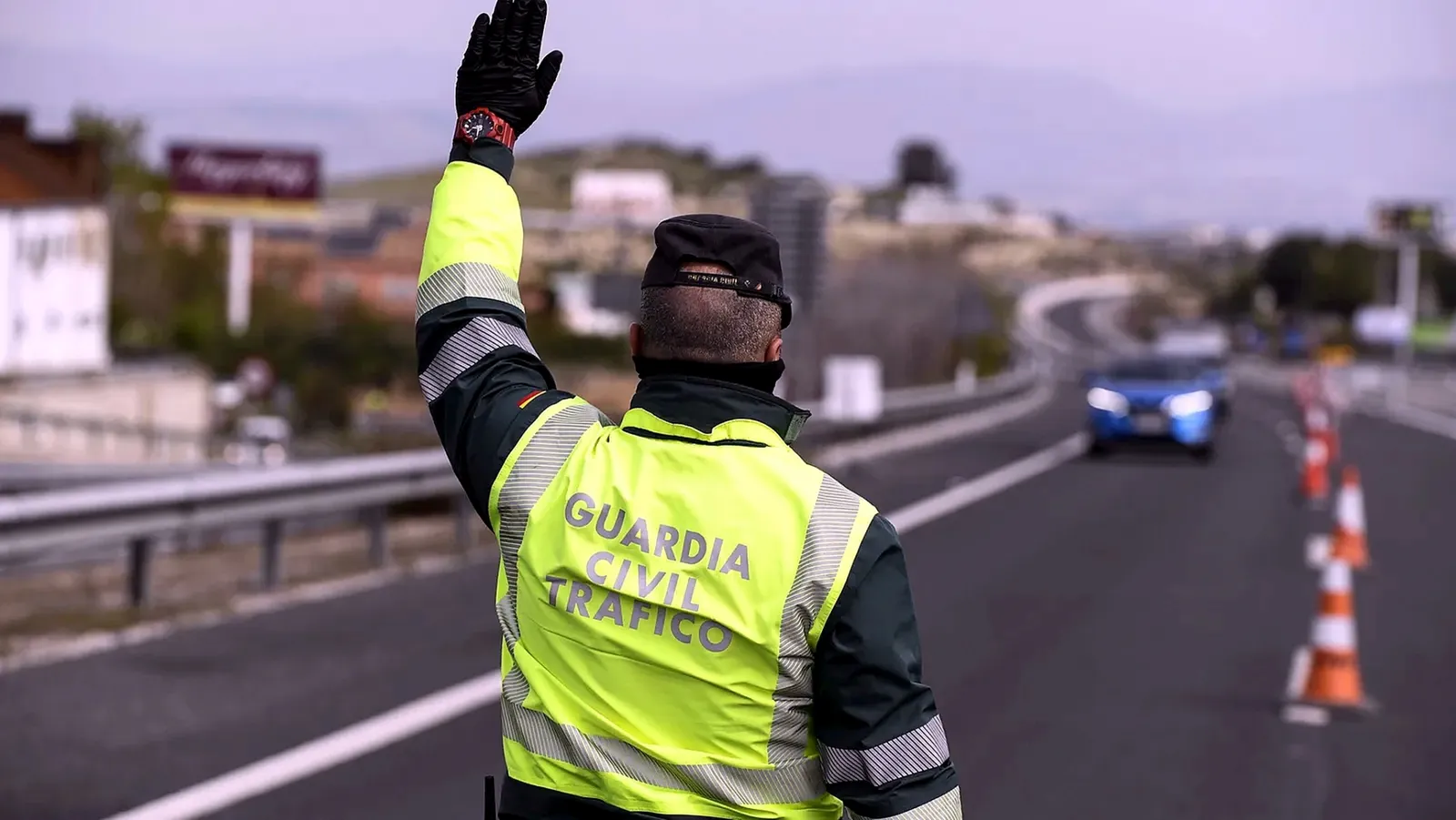
A Civil Guard officer warns about the problem that the latest decision by DGT could cause: "This will worsen traffic.
12/10/2026 22:00
Updated to
12/10/2026 22:00
The traffic jams that occur every morning at the entrances to major cities could become one of the main issues under the latest reforms by DGT, as one of its new requirements mandates changing the position of vehicles when traffic slows down significantly. Although this measure aims to facilitate the work of emergency services, its application in regular traffic jams has drawn criticism from some professionals who are familiar with how Spanish roads function.
Among them is Fernando García Poves, a member of the Civil Guard Traffic Unit since 2007 and secretary of the Spanish Association of Civil Guards (AEGC), who expressed his reservations in an interview with Xataka regarding several changes introduced on October 1st last year. The officer acknowledges that the reform brings improvements in road safety, but believes that the lack of clarity regarding certain obligations could cause confusion among drivers, especially when the new measures depend on specific signage or must be applied in very different traffic situations.
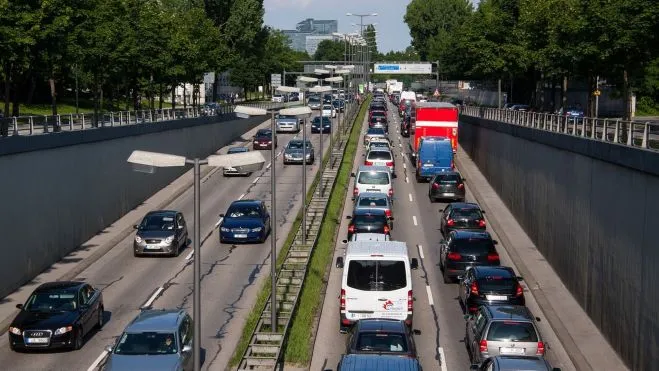
The new requirement in traffic jams that a Civil Guard officer finds difficult to enforce
The origin of the controversy lies in Article 32 of the General Traffic Regulations, which mandates the creation of a central lane when traffic delays force vehicles to stop or move at pedestrian speed. This means drivers in the left lane must shift to that side, while those in other lanes move to the right. This requirement is not conditional on an accident having occurred, a factor García Poves considers particularly problematic at city entrances like Madrid, where traffic jams can stretch for kilometers and vehicles only move short distances continuously.
During the interview, the agent warned that maintaining such separation in every traffic jam would be «total chaos», as it would force drivers to constantly adjust their position while trying to move forward normally. Additionally, this situation raises doubts about another new rule: the possibility for motorcycles to use the right shoulder when traffic is completely stopped, always at a maximum speed of 30 km/h and only on sections designated by signs. This condition prevents this practice from being considered a general permit for all roads.
García Poves notes that the lack of information on the signs that will identify designated lanes could hinder compliance with the regulation, although he views positively a measure long demanded by motorcyclists. The text published in the BOE requires such sections to have vertical signs and road markings, so effective authorization will depend on the relevant authorities preparing and signaling each road in advance—a condition the expert considers essential to avoid misinterpretations.
Doubts also exist regarding motorcyclists’ equipment and the new regulations for bicycles.
Another point in question is the requirement to use protective gloves on interurban roads and closed footwear on all types of roads. The Civil Guard considers these requirements necessary, though it warns that the definition of footwear allows for the use of models that provide only limited protection in case of an accident. According to them, covering the fingers and heel does not guarantee that the ankle will be protected in a fall, so they advocate for more precise requirements to prevent motorcyclists from settling for the minimum permitted equipment instead of the safest one.
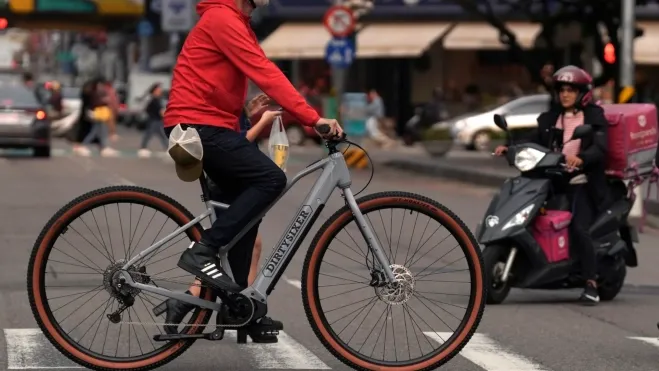
Bicycles are also not spared his criticism, as the reform allows municipalities to authorize their two-way use on one-lane streets with a speed limit of 30 km/h, provided there is appropriate signage. Additionally, there is an obligation to maintain a minimum distance of five meters when a motorized vehicle follows a cyclist on the same urban lane. García Poves fears that these two changes could increase traffic congestion and lead to conflicts with other drivers, arguing that it is more appropriate to invest in dedicated cycling infrastructure.
In general, the agent’s statements emphasize the difference between the road safety goals pursued by DGT and the challenges that may arise from imposing certain obligations on daily traffic. The reform has been in effect since October 1, 2026, although some of its provisions depend on subsequent developments or prior signage, prompting García Poves to call for greater regulatory clarity and proper road preparation before requiring drivers to comply with all new measures.