
A solar giant with 244,128 photovoltaic panels, 10 MWh of storage capacity, and its own power line in the province of Albacete
09/10/2026 11:30
Updated to
09/10/2026 11:44
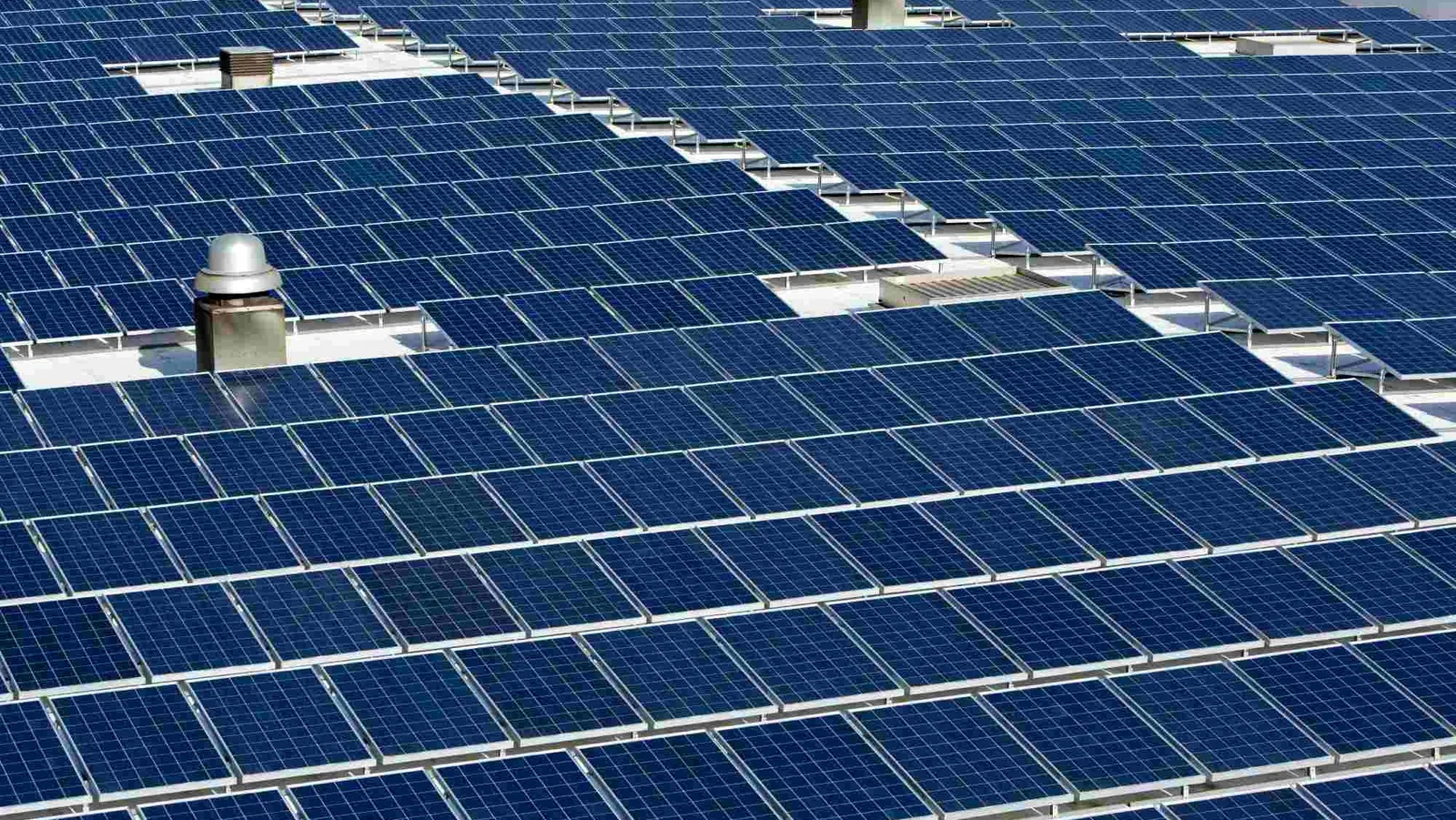
The province of Albacete could host one of the major photovoltaic projects under consideration in Castilla-La Mancha, the Clavellinas project. This initiative aims to install 244,128 solar panels in the municipality of Villarrobledo, along with a 10 MWh storage system and new electrical infrastructure to transmit the generated energy to the area surrounding the regional substation.
The figures clearly illustrate the scale of the project: the plant will have a photovoltaic capacity of 145.26 MWp and an installed capacity of 139.68 MW. The total area covered by the plots used for the project is 427.24 hectares, though the actual area within the fenced boundaries will be 250.58 hectares. The installation will be divided into 16 separate sections, with a total fencing length of about 28.6 kilometers.
Over 244,000 panels and 10 MWh of batteries
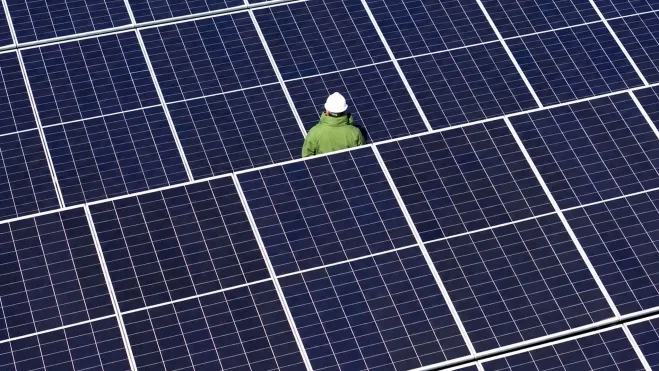
The core of the project would consist of 244,128 bifacial photovoltaic modules, each with a capacity of 595 watts, to be installed on 10,172 solar trackers—structures capable of adjusting their orientation to follow the sun’s movement and make better use of available radiation. Additionally, the plant would have 40 inverters and 20 transformation centers.
The layout of the land explains why it is not designed as a single continuous area, as the 21 selected parcels are close to each other but not all adjacent. Therefore, main access routes would come from road CM-3123, with up to 22 entrances planned to access the different sections.
In addition, Clavellinas would not be merely a photovoltaic plant; the project also includes a battery storage system named BESS Clavellinas, with a capacity of 10 MWh and an installed power of 7 MW. The maximum power at the connection point is expected to be 5 MW, with a capacity to supply electricity for approximately two hours starting from a fully charged state.
The system would consist of four lithium-ion battery containers, along with others designated for inverters, transformers, medium-voltage connections, control systems, communications, and auxiliary services. The batteries can store both electricity generated directly by the solar plant and energy from the grid, delivering it when demand requires it.
12 kilometers of overhead lines and 49 supports
All electricity generated by the panels would initially be routed through the medium-voltage internal grid, with six underground lines connecting the 20 transformation centers to the new Clavellinas 30/132 kV substation. This substation would be built in Villarrobledo and equipped with a 150 MVA transformer. Its function would be to raise the voltage of the electricity produced from 30 kV to 132 kV before it is sent to the transmission grid.
A 132 kV high-voltage overhead line approximately 12.05 kilometers long would originate from the Clavellinas substation. The route would pass through the municipalities of Villarrobledo in Albacete and Socuéllamos in Ciudad Real province, eventually reaching the area around the 400 kV Manchega substation. Additionally, the infrastructure would consist of 49 metal supports, some of which could reach heights near 45 meters. The line would need to cross roads, rural paths, waterways, and other infrastructure, including the A-43, N-310, CM-3123, and CM-3111 roads.
Although everything is planned, for now Clavellinas is still a long way from becoming a reality, as the Ministry for Ecological Transition keeps the project under procedures subject to environmental consultations, a preliminary stage before the environmental assessment that will determine the conditions for its development, if it ever proceeds at all.