
A power outage leaves 94 municipalities without electricity, and an electric hybrid car ends up powering an election ballot box
10/10/2026 10:00
Updated to
10/10/2026 10:00
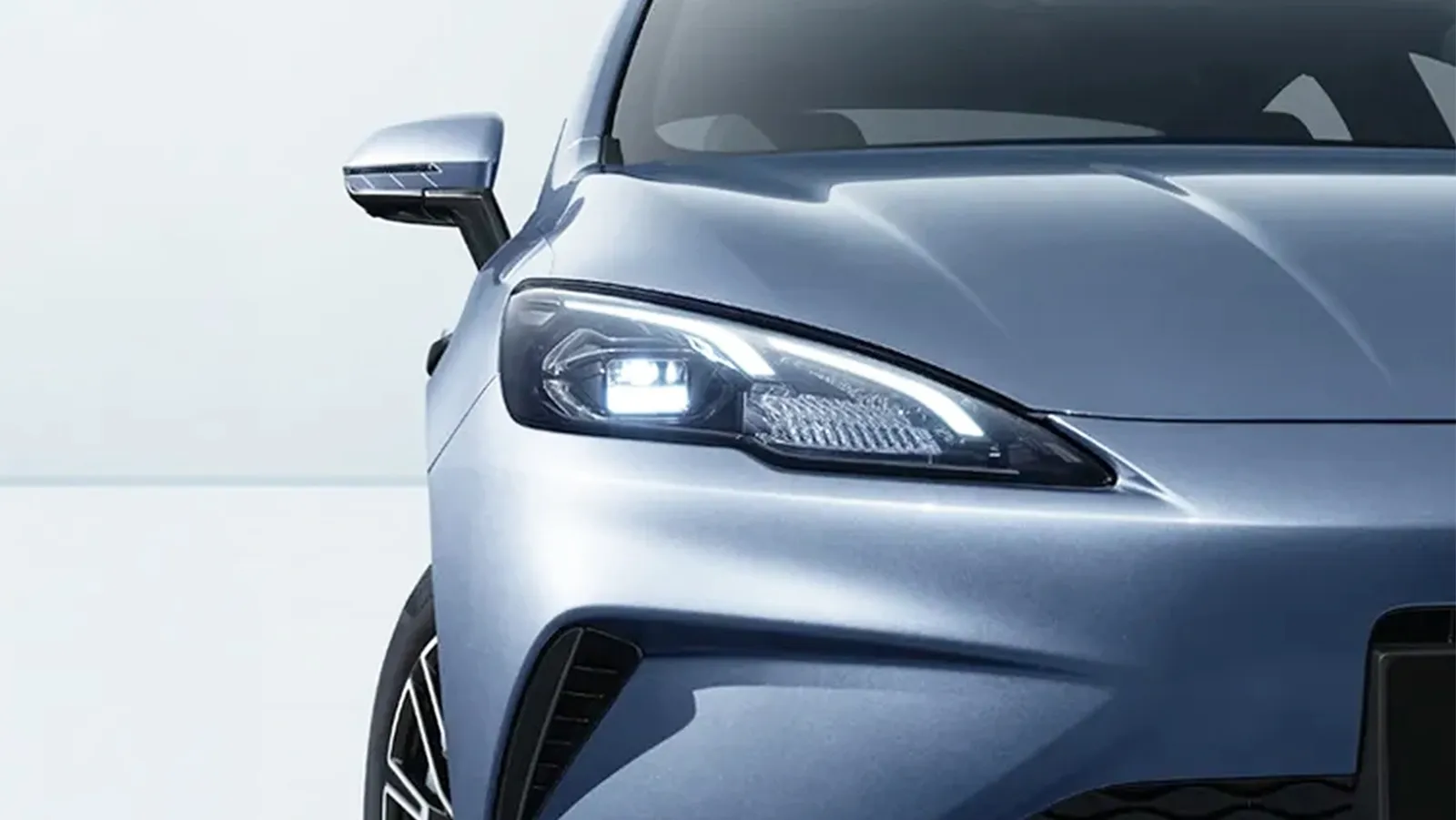
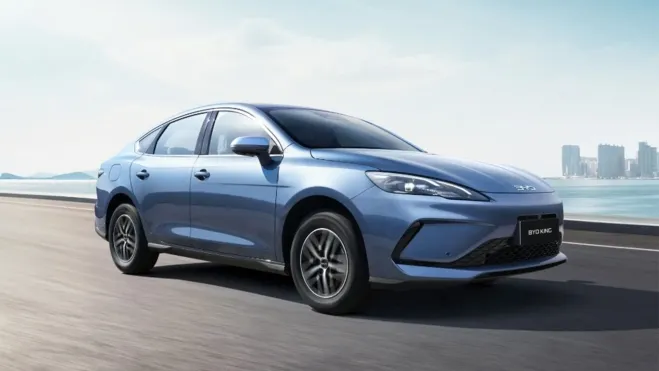
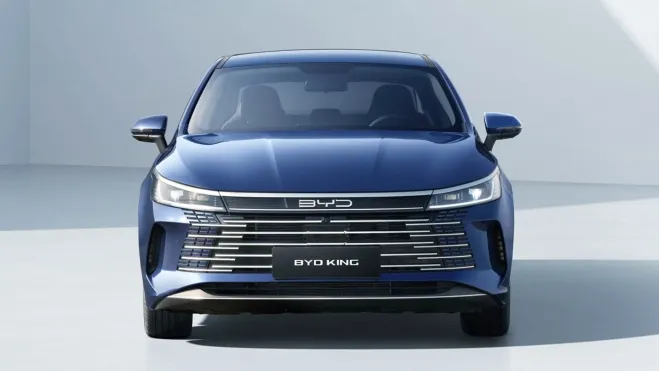
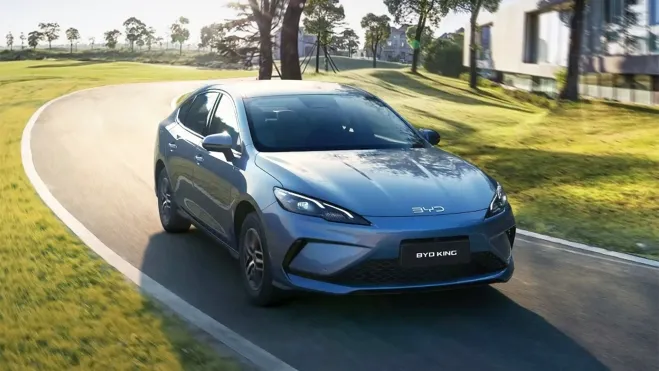
An incident that occurred during Brazil’s elections on October 4 revealed a little-known utility of electric vehicles. Severe storms left 94 municipalities in the state of Paraná without electricity, and in Salto do Lontra, a plug-in hybrid BYD King was used as an emergency power source for election equipment. Thanks to its 18.3 kWh battery and V2L technology, the vehicle was able to supply electricity through a standard outlet and helped recharge at least one electronic voting machine during the power outage.
This case is particularly interesting because it demonstrates in a real-world situation something that often appears merely as another feature listed in a car’s technical specifications.
V2L stands for Vehicle-to-Load and allows electricity to be drawn from the vehicle’s battery to power external devices. In practice, the car can temporarily function as a large portable battery.
From moving the car to powering other devices
The star of this story was a BYD King plug-in hybrid (PHEV), whose largest battery capacity reaches 18.3 kWh. Through an adapter connected to the charging port, the stored energy can be converted into electricity usable by conventional electrical devices.
During the power outage in Paraná, the vehicle was moved to the electoral building in Salto do Lontra and used to support the operation of equipment while the grid was down.
This incident shows that the battery in a plug-in hybrid doesn’t have to be used exclusively for traveling long distances in electric mode.
It can also be used for lighting, tools, small household appliances, computer equipment, or essential devices during emergencies, always within the power limits allowed by each vehicle.
A car battery is enormous compared to many devices
The energy scale helps to understand this. A battery with a capacity of 18.3 kWh stores much more electricity than many individual devices need. An electronic voting machine, for example, uses a relatively small internal battery, so a fully charged car has enough energy to support numerous recharges.
This doesn’t mean that any car can power an entire house for days. The limiting factor isn’t just how many kWh are stored, but also how much power the V2L output can deliver.
But for keeping specific devices running during a power outage, its usefulness can be significant.
V2L is just the first step
This technology is part of a much broader concept of two-way battery utilization. The next level is V2H (Vehicle-to-Home), which allows a vehicle to power a home through a compatible setup. Even more ambitious is V2G (Vehicle-to-Grid), which enables energy to be returned directly to the electrical grid.
In this latter scenario, millions of connected cars could function in the future as small distributed storage systems.
There are still technical, regulatory, and economic barriers to achieving this on a large scale. However, V2L can already be used today in some models.
The Brazilian case likely provides one of the most vivid demonstrations of its usefulness: a car designed for transportation ended up becoming a power source when the grid failed.