
The EU has selected 46 raw material projects. Lithium and battery recycling are at the forefront.
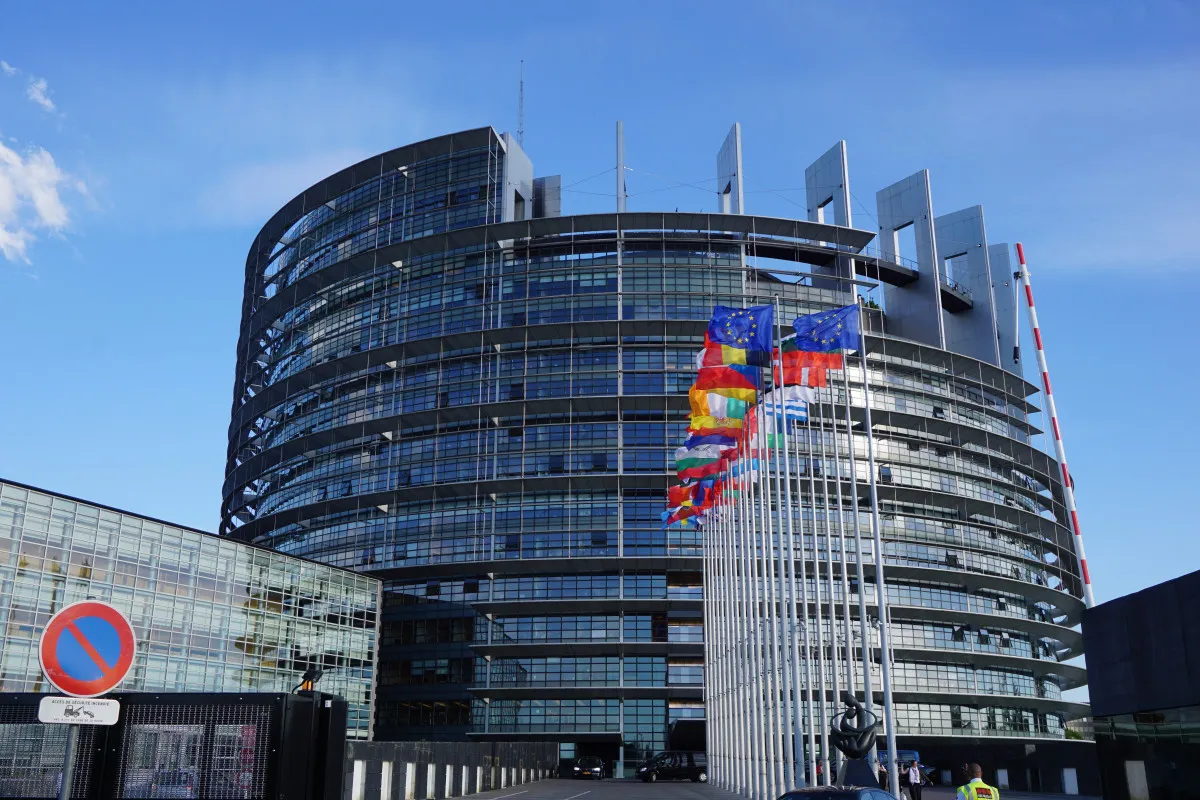
On October 9, 2026, the European Commission granted strategic status to another 46 mineral projects in 16 EU countries. A large portion relates to lithium, nickel, cobalt, manganese, and graphite—materials needed for battery production.
The selection was made from 102 applications. The status does not yet mean that 46 new mines and factories will start operating immediately. These projects primarily receive an accelerated permit process and better access to financing.
From mining to metal recovery from batteries
Among the selected projects, eight are related to mining, 11 to raw material processing, and 19 to recycling. Another eight cover multiple stages. Three involve both mining and processing, while five involve processing and recycling.
In total, the projects cover 15 out of 17 materials identified as strategic under the EU’s Critical Raw Materials Act. The battery industry is most interested in seven lithium projects, 12 nickel projects, 10 cobalt projects, five manganese projects, and four graphite projects. The remaining projects include rare earth metals used in permanent magnets, magnesium, and tungsten.
Germany has the most projects, with eight in total. In Saxony and Saxony-Anhalt, initiatives related to lithium mining and processing are planned. In North Rhine-Westphalia, recycling of copper, lithium, and batteries is to be developed, while Baden-Württemberg has received projects for recovering permanent magnets. Titanium processing in Hesse is also on the list. Four of Germany’s eight investments relate to recycling.
The EU’s goals do not mean complete independence
The commission believes that the projects selected so far could help achieve the targets for lithium and nickel mining as well as lithium processing by 2030. Recycling is expected to enable the attainment of set targets for lithium and cobalt, while about 89 percent of the target can be met through cobalt processing.
This is not intended to cover all of Europe’s demand. CRMA requires that by 2030, the EU mines at least 10 percent of the required strategic raw materials domestically, processes 40 percent, and recovers 25 percent through recycling. Meanwhile, no single country outside the EU should supply more than 65 percent of the annual demand for a given raw material.
The strategic status is meant to shorten procedures. Permits for mining projects should be issued within 27 months, while those for processing and recycling within 15 months.
This is the second such round. In 2025, 47 projects were selected within the EU and 13 outside it. Of the European projects, 25 have already completed their environmental impact assessments, while 17 hold construction permits. Since the launch of RESourceEU at the end of 2025, over 2 billion euros have been mobilized from the Innovation Fund, state aid, and the European Investment Bank. The next call for applications will open before the end of 2026.
LovEV Newsletter
Want more content like this?
Sign up — we’ll send you a weekly summary once the newsletter starts.